news
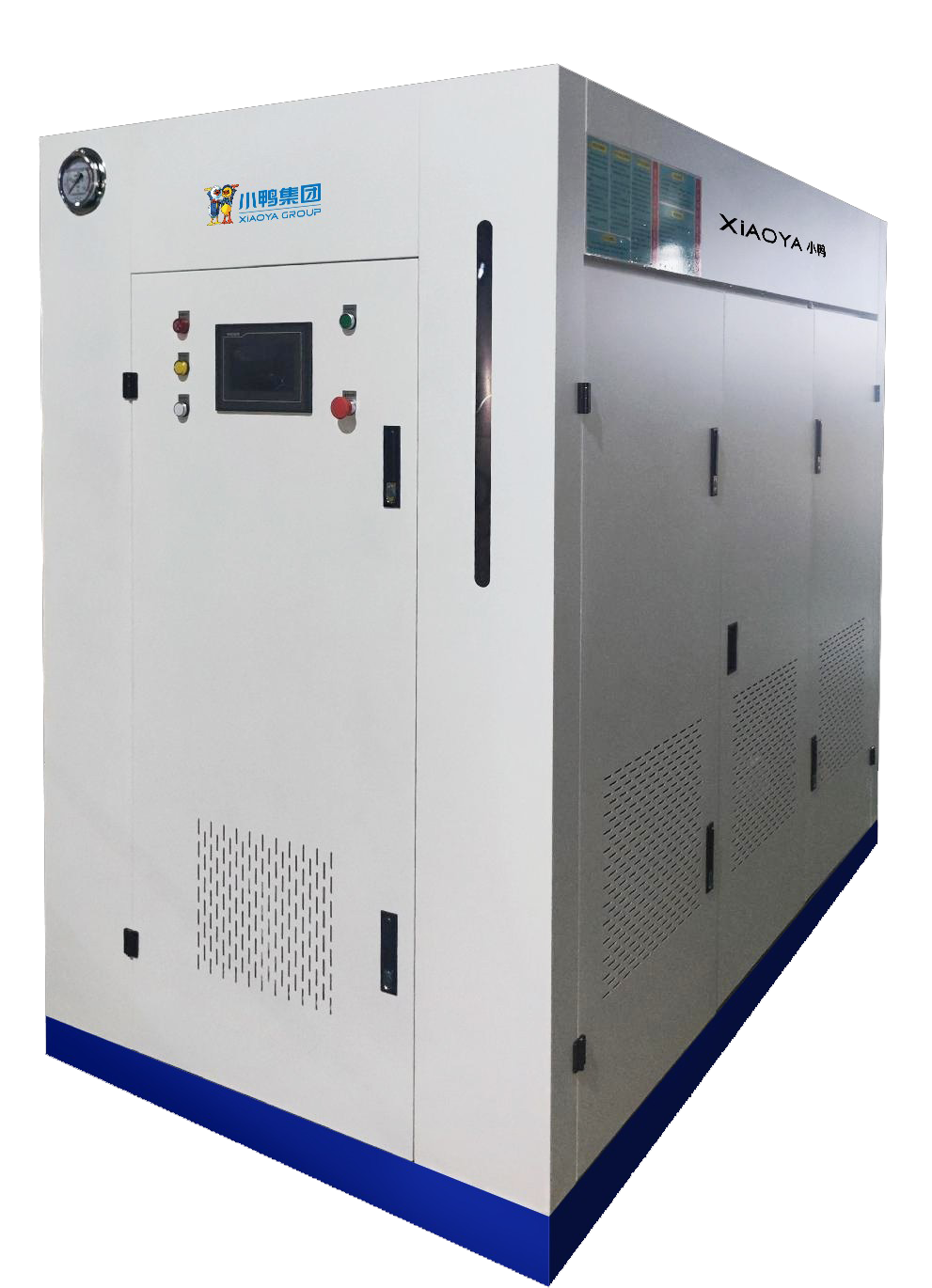
Revolutionizing Manufacturing Efficiency with Thermal Energy Technology
Discover how a cutting-edge thermal engine revolutionized energy efficiency in manufacturing, delivering 30% cost reduction in our latest case study. This thermal energy device breakthrough demonstrates how smart automation solutions can transform operational costs while maintaining production quality—a must-read for quality control specialists and project managers seeking sustainable performance improvements.
The Energy Challenge in Modern Manufacturing
Manufacturing facilities worldwide face mounting pressure to reduce operational costs while maintaining stringent quality standards. Energy consumption typically accounts for 15-30% of total production expenses, with thermal processes being among the most energy-intensive operations. Traditional heating systems often operate at suboptimal efficiency levels, wasting valuable resources and inflating operational budgets.
Case Study: 30% Energy Reduction Achieved
Our thermal engine implementation at a mid-sized appliance manufacturer demonstrates the transformative potential of advanced thermal energy devices. The project involved replacing conventional heating systems with our intelligent thermal engine solution across three production lines. Key results included:
- 30% reduction in energy costs within the first six months
- 15% improvement in heat transfer efficiency
- Reduced maintenance requirements by 40%
- Consistent temperature control (±0.5°C variance)
How the Thermal Engine Technology Works
The thermal energy device employs several innovative features to achieve these results:
- Adaptive Heat Recovery: Captures and recycles waste heat from production processes
- Precision Temperature Control: AI-driven algorithms optimize heating cycles in real-time
- Modular Design: Scalable configuration for different manufacturing environments
- Self-Diagnostic Systems: Predictive maintenance capabilities reduce downtime
Implementation Considerations for Project Managers
Successful integration of thermal engine technology requires careful planning. Project managers should consider:
Complementary Efficiency Solutions
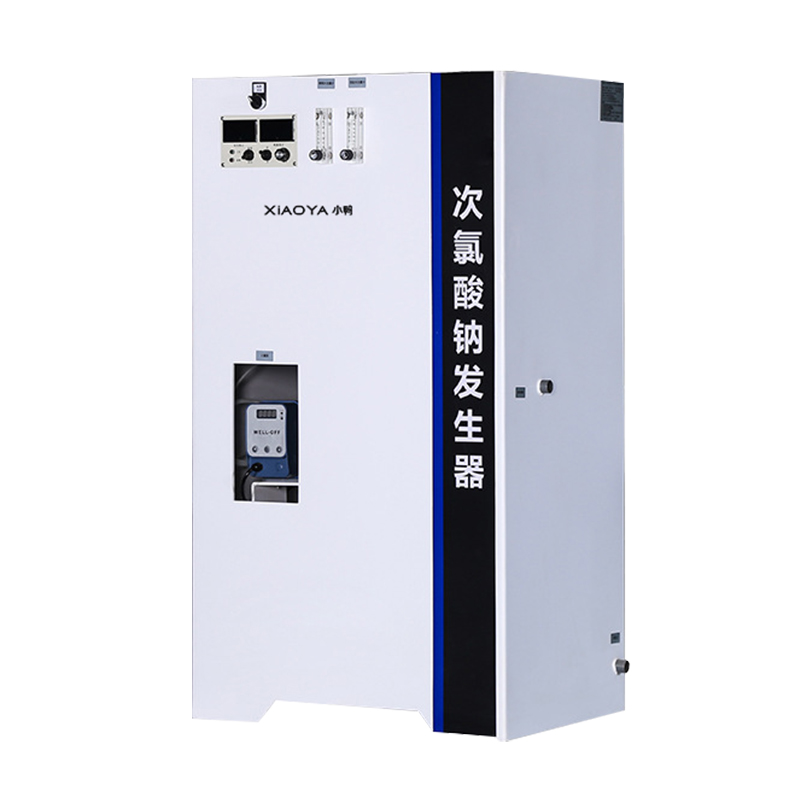
For facilities seeking comprehensive efficiency improvements, pairing thermal energy devices with other smart technologies can yield additional benefits. The AQ-P300A Hypochlorous acid(HClO)generator offers similar efficiency advantages for disinfection processes, featuring an antibacterial rate up to 99.9% with no environmental impact—ideal for healthcare appliance manufacturing.
Quality Control Benefits
Beyond energy savings, the thermal engine delivers significant quality improvements:
- Eliminates temperature fluctuations that can affect material properties
- Reduces product defects related to inconsistent heating
- Provides detailed process analytics for continuous improvement
Conclusion: The Future of Energy-Efficient Manufacturing
This case study demonstrates how thermal engine technology can transform manufacturing operations. The 30% energy cost reduction achieved represents just one dimension of the value proposition—improved quality control, reduced maintenance, and enhanced process reliability make this solution compelling for forward-thinking manufacturers.
For project managers and quality control specialists seeking to implement similar efficiency improvements, our team offers comprehensive consultation services. Contact us today to schedule an energy audit and discover how thermal energy devices can optimize your operations.
NEWS
 Public Facility HOCl Storage: Managing Heat, Light, and Shelf Life
 On-Site HOCl vs. Purchased Disinfectant for Municipal Buildings
- Sizing a Public Facility HOCl Generator for Peak Cleaning Demand
- What Can a Hypochlorous Acid Generator Do for Public Facility Cleaning?
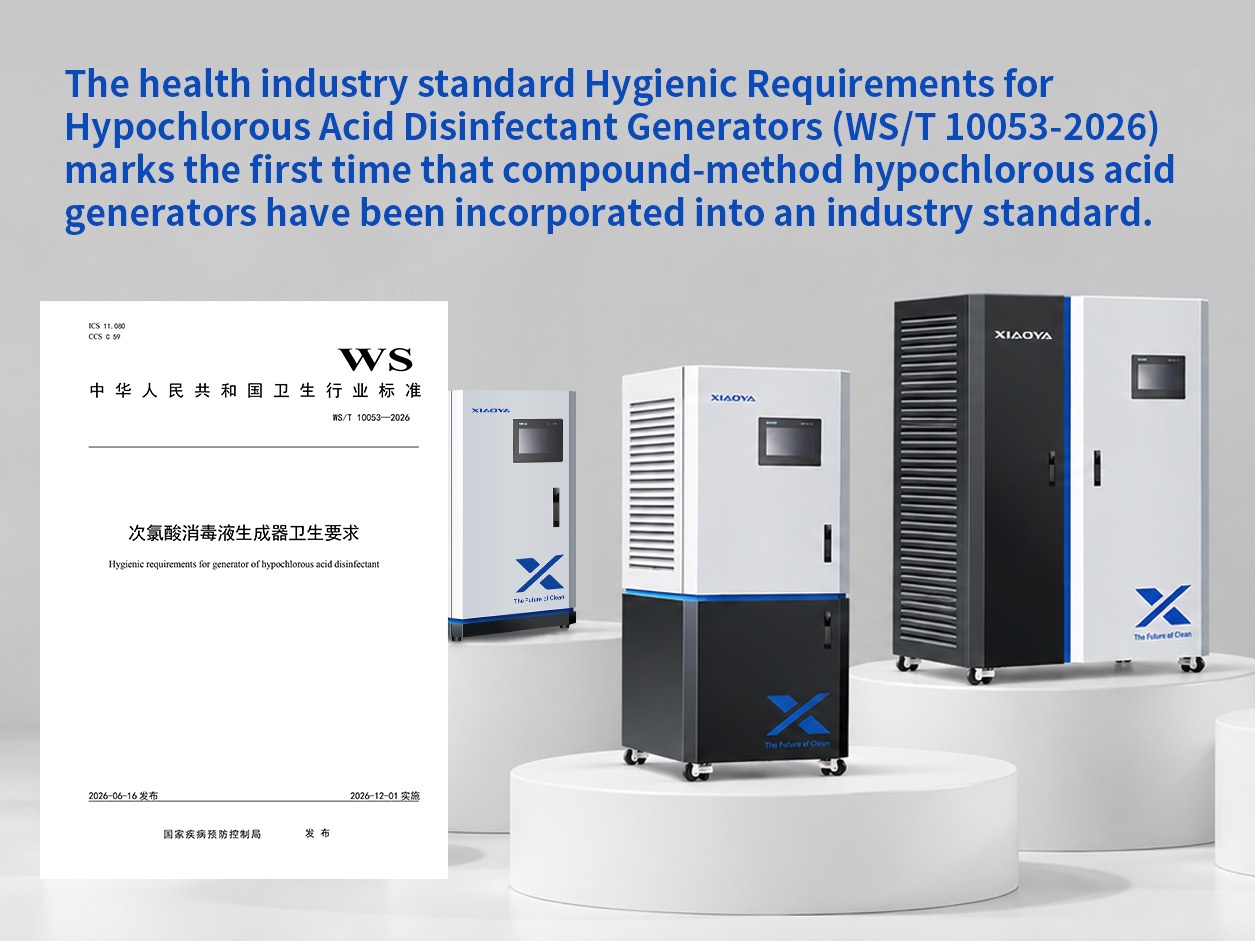
 WS/T 10053-2026 Includes the Compound Method for the First Time: Standard Signals and Market Opportunities for Mass Agricultural Production of Hypochlorous Acid Generators

Leave us a message

Xiaoya Group was founded in 1979,expert in the electrolyzed water industry.
Get in Touch
*We respect your confidentiality and all information are protected.