news
How to Troubleshoot Common Problems in Automated Water Treatment Systems
Automated water treatment systems are essential for maintaining clean and efficient operations, but they can encounter common issues that disrupt performance. As a maintenance professional, understanding how to troubleshoot these problems quickly is crucial to minimize downtime and ensure system reliability. This guide will walk you through the most frequent challenges in automated water systems and provide practical solutions to keep them running smoothly.
1. Identifying Common Issues in Automated Water Systems
Before diving into solutions, it's critical to recognize the symptoms of malfunctioning automated water systems. Common indicators include:
- Irregular water flow rates
- Unexpected system shutdowns
- Inconsistent chemical dosing
- Sensor calibration drift
- Increased energy consumption
2. Step-by-Step Troubleshooting Guide
2.1 Flow Rate Irregularities
When experiencing flow rate issues in your automated water system, follow this diagnostic process:
- Check for clogged filters or strainers
- Inspect pump performance and pressure gauges
- Verify valve positioning and actuator function
- Examine pipework for obstructions or scaling
2.2 Chemical Dosing Problems
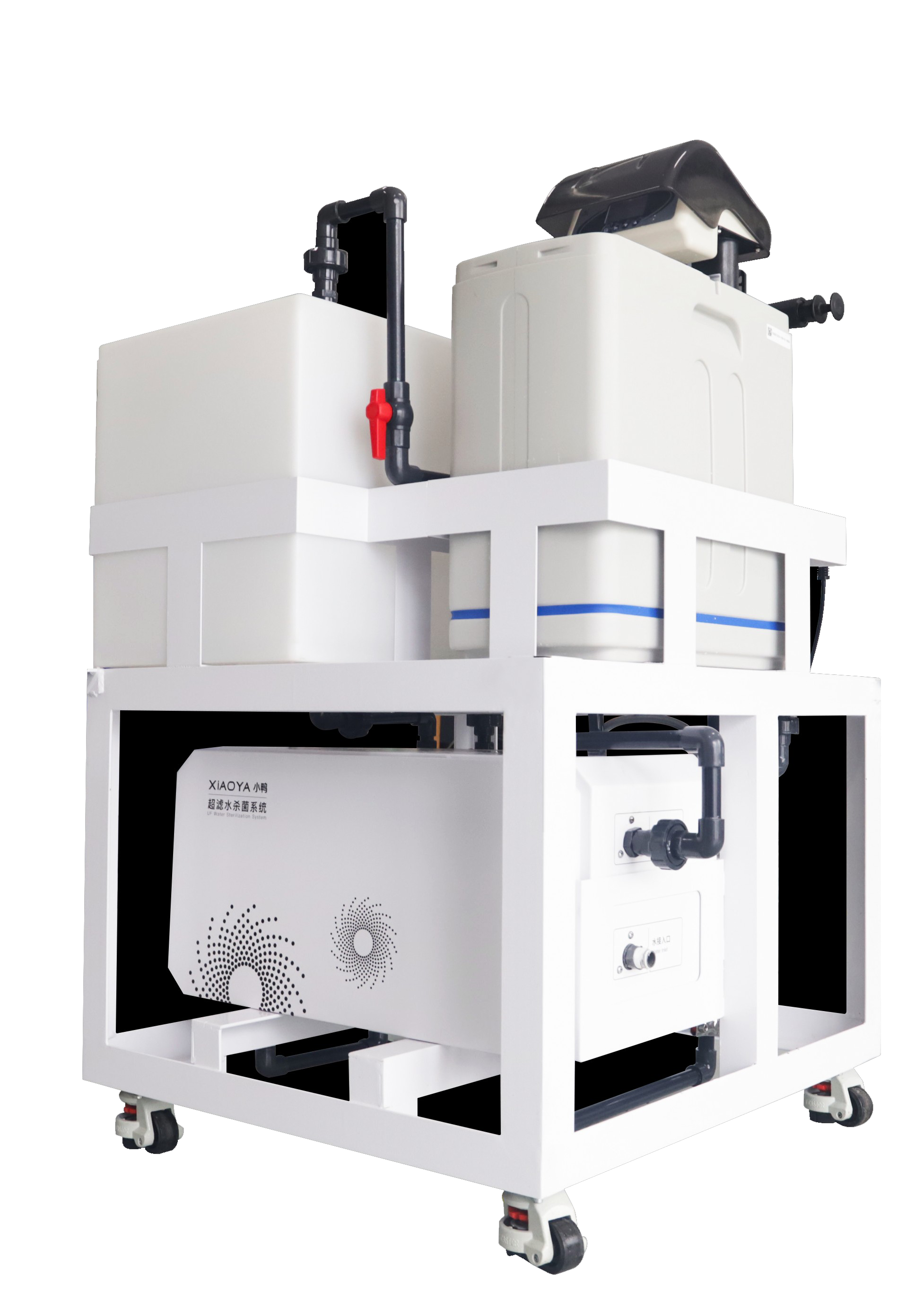
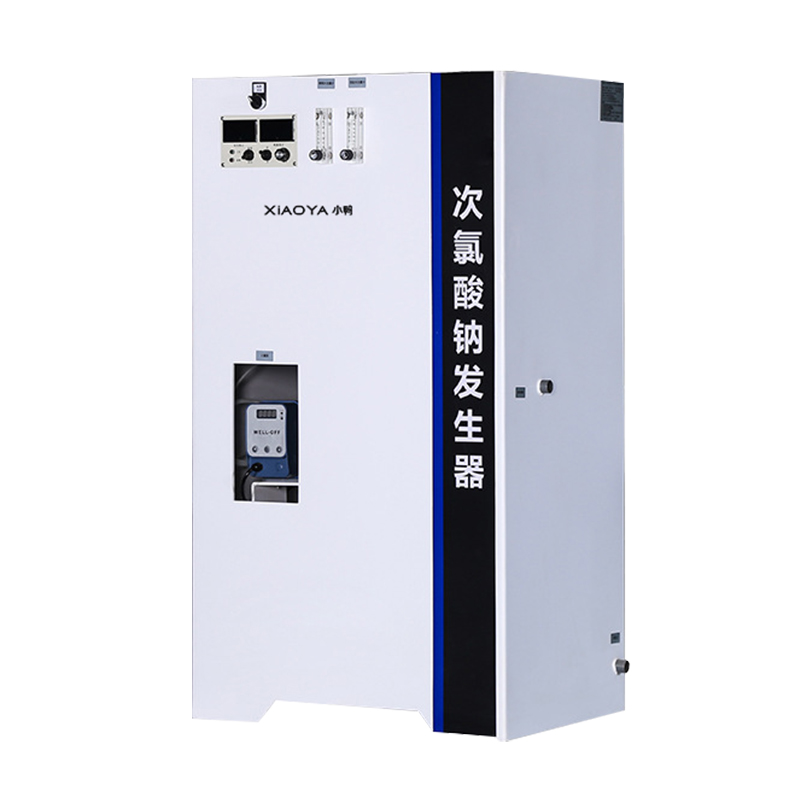
Inaccurate chemical dosing can compromise water quality. Our factory-direct AQ-P300A Hypochlorous acid (HClO) generator solves this with precise 40-80 ppm chlorine concentration control, achieving 99.9% antibacterial rates without human intervention.
3. Factory-Direct Advantages in Automated Water Systems
Purchasing directly from manufacturers provides unmatched benefits for automated water system operators:
4. Advanced Solutions for Persistent Problems
For facilities requiring industrial-grade disinfection, our automated water system technology delivers:
- Self-cleaning sensor technology reduces maintenance by 70%
- Cloud-based monitoring enables remote troubleshooting
- Modular design allows for easy component replacement
5. Frequently Asked Questions
Q1: How often should I calibrate sensors in my automated water system?
For optimal performance, calibrate pH/ORP sensors every 2-3 months. Our factory-direct systems include auto-calibration features that extend this interval to 6 months while maintaining 99% accuracy.
Q2: What's the ROI of upgrading to a modern automated water system?
Our clients typically see 12-18 month payback periods through 30-50% chemical savings and 60% reduced labor costs. The AQ-P300A Hypochlorous acid (HClO) generator demonstrates particularly strong ROI in high-volume applications.
Q3: How do factory-direct systems handle hard water conditions?
Our systems incorporate advanced scaling prevention technology that maintains efficiency in water with up to 500 ppm hardness, compared to standard systems that fail at 300 ppm.
6. Next Steps for Optimal System Performance
Implementing these troubleshooting techniques will significantly improve your automated water system reliability. For facilities requiring professional assessment or considering upgrades, our engineering team provides free system audits to identify optimization opportunities. Contact us today to schedule your consultation and receive a customized performance report.
NEWS
 Public Facility HOCl Storage: Managing Heat, Light, and Shelf Life
 On-Site HOCl vs. Purchased Disinfectant for Municipal Buildings
- Sizing a Public Facility HOCl Generator for Peak Cleaning Demand
- What Can a Hypochlorous Acid Generator Do for Public Facility Cleaning?
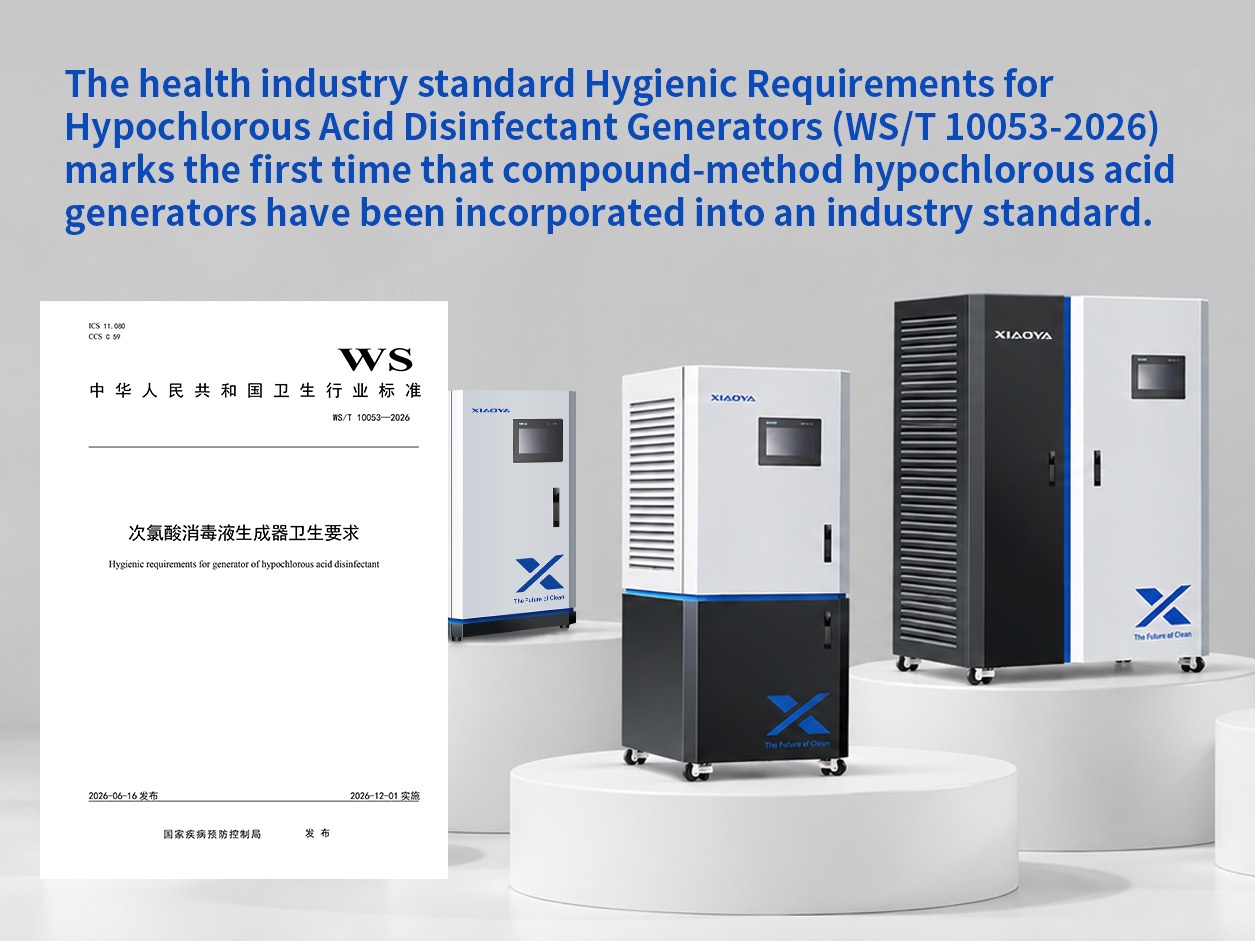
 WS/T 10053-2026 Includes the Compound Method for the First Time: Standard Signals and Market Opportunities for Mass Agricultural Production of Hypochlorous Acid Generators

Leave us a message

Xiaoya Group was founded in 1979,expert in the electrolyzed water industry.
Get in Touch
*We respect your confidentiality and all information are protected.