




products
‹
›
‹
›
2.Adaptable to Different Equipment and Cleaning Standards
3.Effective Dairy-Residue Removal to Help Preserve Pure Flavor
4.Brewing and Beverage Production: An Alternative to Oxidizing Cleaning Agents:
5.Integrated Cleaning and Disinfection for Ready-to-Eat Foods and Condiments
6.Improved Hygiene and Operating Efficiency
7.Environmentally Conscious, Low-Residue Operation
8.Integration with Existing CIP Systems
9.Export-Oriented Customization
PRODUCT DESCRIPTION
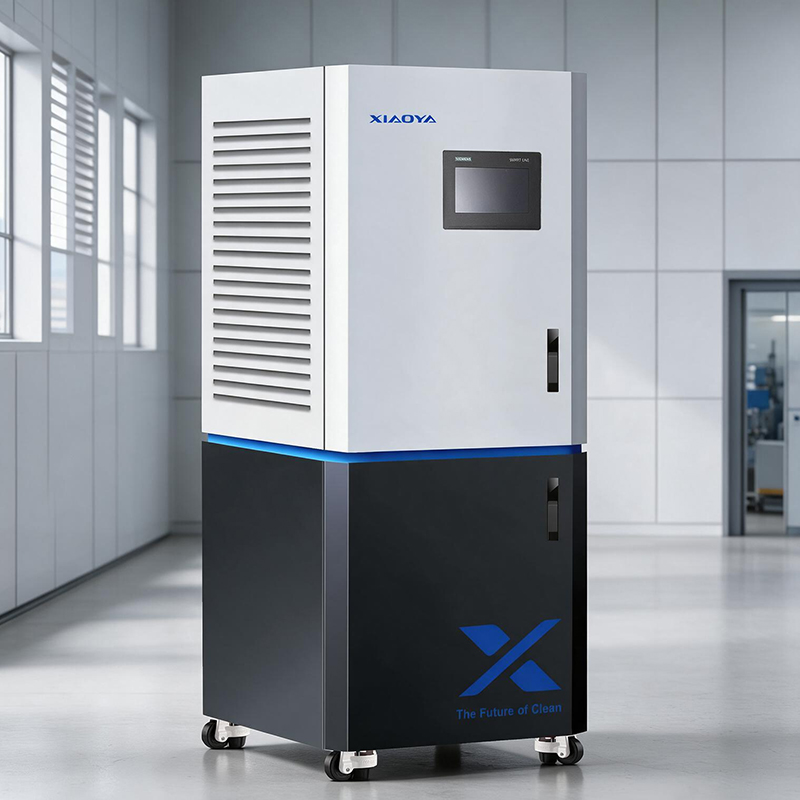
Electrolytic Salt Hypochlorous Acid Water Generator for CIP Cleaning — Product Overview
Product Overview
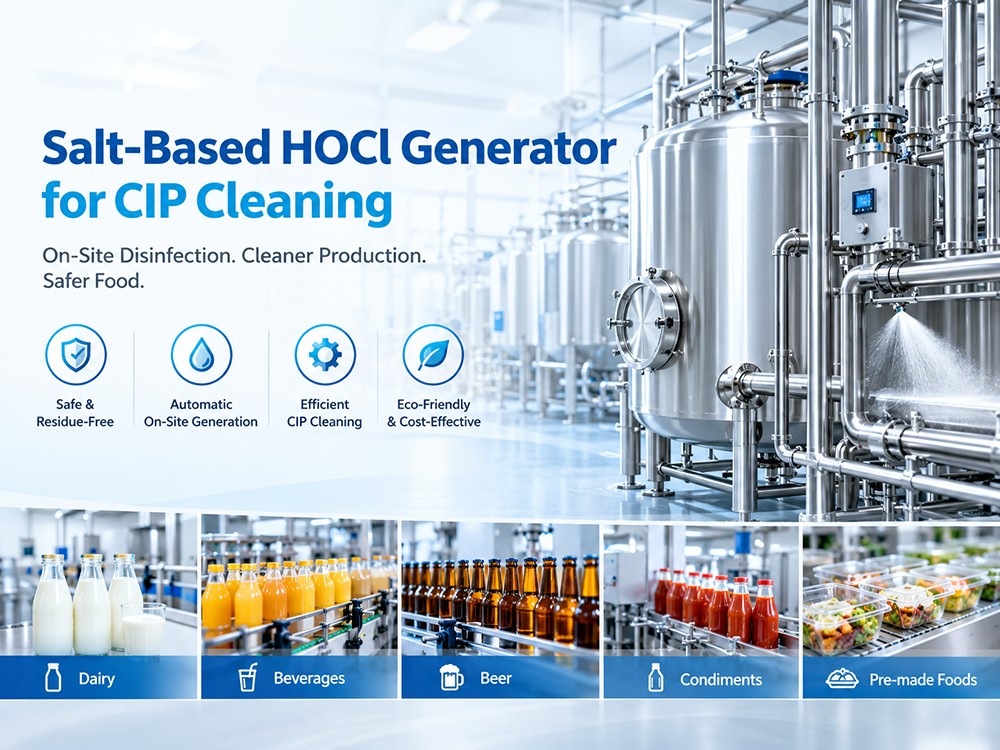
Electrolytic Salt Hypochlorous Acid Water Generator is a fully automatic, on-site solution preparation and disinfection system designed for Clean-in-Place (CIP) applications. CIP is a core process in modern manufacturing, enabling the cleaning and disinfection of enclosed equipment—such as production-line pipes, fermentation tanks, storage tanks and homogenizers—without dismantling it. It is widely used in industries with stringent hygiene requirements, including dairy, beverages, beer, condiments and ready-to-eat foods. Using sodium chloride (common salt) and purified water as raw materials, the system produces food-processing-grade hypochlorous acid solution on demand through precision electrolysis for immediate recirculation. Key parameters, including concentration and pH, can be adjusted to suit different production environments and equipment cleaning requirements. It reduces reliance on purchased chemicals such as hydrogen peroxide, peracetic acid and sodium hypochlorite, helping address concerns about chemical residues, equipment corrosion, complex cleaning procedures, high energy and water consumption, and potential impacts on product flavor and quality. The system also avoids the need to store or handle hazardous chemical disinfectants and supports food-production safety requirements.
Technical Specifications (Customizable)
Key Benefits & Applications
1. On-Site Generation for Safer Operations: Using sodium chloride (common salt) and purified water, the system produces disinfectant solution on demand for immediate recirculation. This replaces conventional chemical purchasing, storage and dilution workflows, avoids the need to store or handle hazardous disinfectants, and supports food-production safety requirements.
2. Adaptable to Different Equipment and Cleaning Standards: Concentration, pH and other key parameters can be adjusted for dairy, beverage, beer, condiment and ready-to-eat food production. The system can be configured for CIP cleaning and disinfection of production-line pipes, fermentation tanks, storage tanks, homogenizers and other equipment.
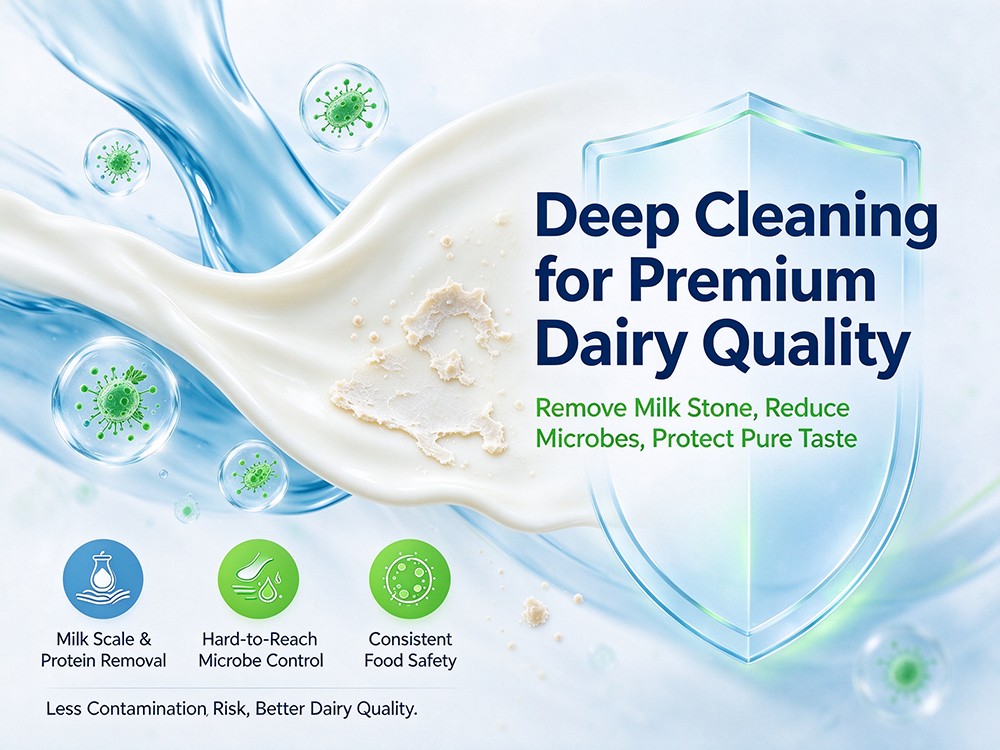
3. Effective Dairy-Residue Removal to Help Preserve Pure Flavor: Helps remove milk scale and protein residues from storage tanks and transfer pipes, and targets bacteria, mold and other microorganisms in hard-to-reach areas and crevices. By reducing residue-related off-flavors and quality issues, it helps protect the flavor and safety of fresh milk, school milk and other dairy products while reducing product waste.
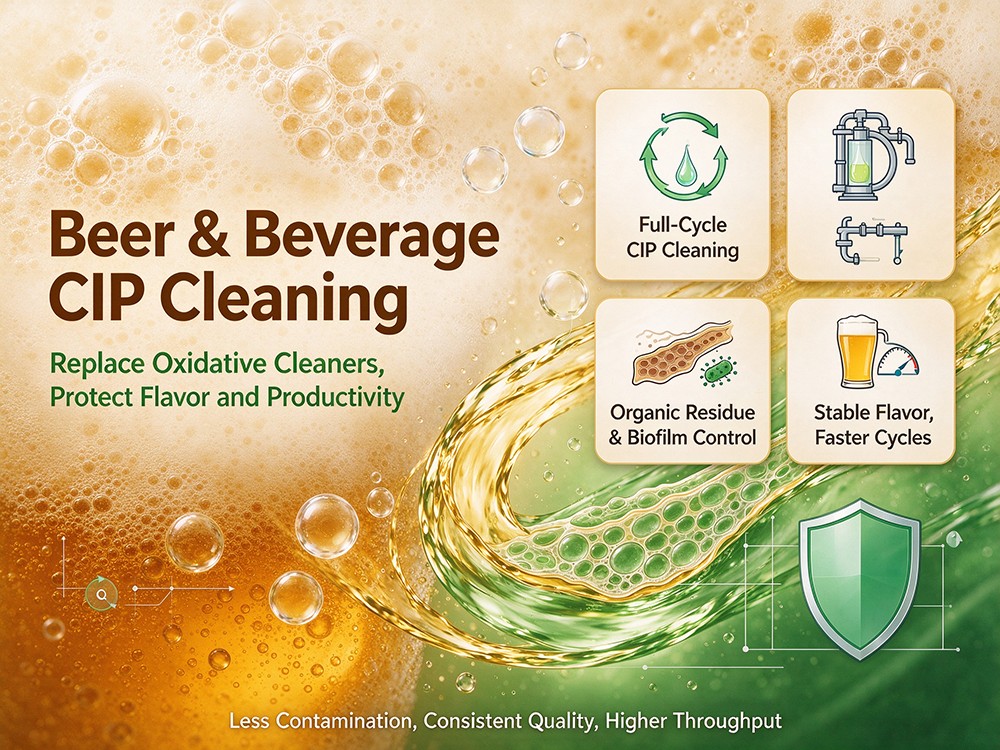
4. Brewing and Beverage Production: An Alternative to Oxidizing Cleaning Agents: Designed for CIP circulation through fermentation tanks, blending tanks and transfer lines. It helps break down organic residues and remove biofilms from equipment surfaces, address microbial contamination during fermentation, maintain product flavor, and shorten cleaning cycles to improve production-line turnaround.
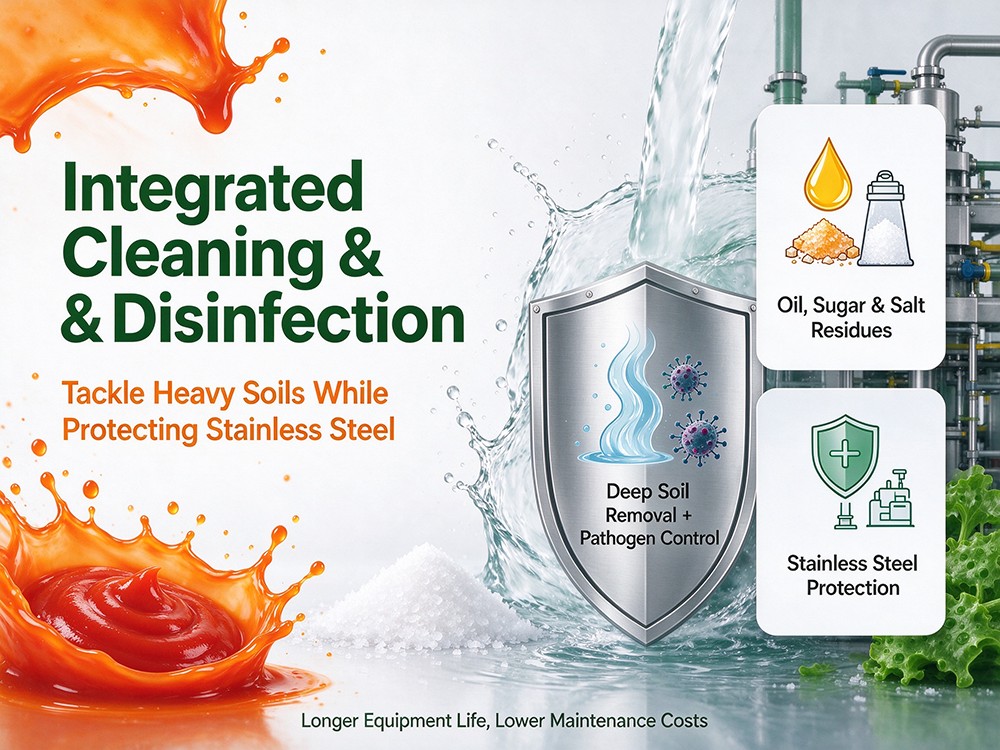
5. Integrated Cleaning and Disinfection for Ready-to-Eat Foods and Condiments: For complex residues containing high levels of oil, sugar or salt, the system combines cleaning and disinfection. It helps remove stubborn residues and target pathogens while minimizing corrosion risk to stainless-steel equipment, extending equipment service life and reducing maintenance costs.
6. Improved Hygiene and Operating Efficiency: Based on reported use across multiple industries, the system can help raise equipment microbiological compliance rates to 99.9% and extend product shelf life. It can also simplify cleaning procedures and reduce chemical, water and energy consumption, lowering overall operating costs.
7. Environmentally Conscious, Low-Residue Operation: After disinfection, hypochlorous acid breaks down into water and trace amounts of salt. The process is designed to minimize chemical residues and secondary pollution, reducing the need for complex post-rinsing and wastewater-treatment steps in line with lower-carbon industrial practices.
8. Integration with Existing CIP Systems: Designed to integrate with existing automated CIP systems without major production-line modifications. Suitable for both new installations and upgrades to older production lines.
9. Export-Oriented Customization: CE-related and other international certification options can be discussed. Voltage configurations and operating parameters can be adapted for different markets and food-production requirements, supporting export and local inspection needs.
Recommended Timing & Frequency
Key Times to Use
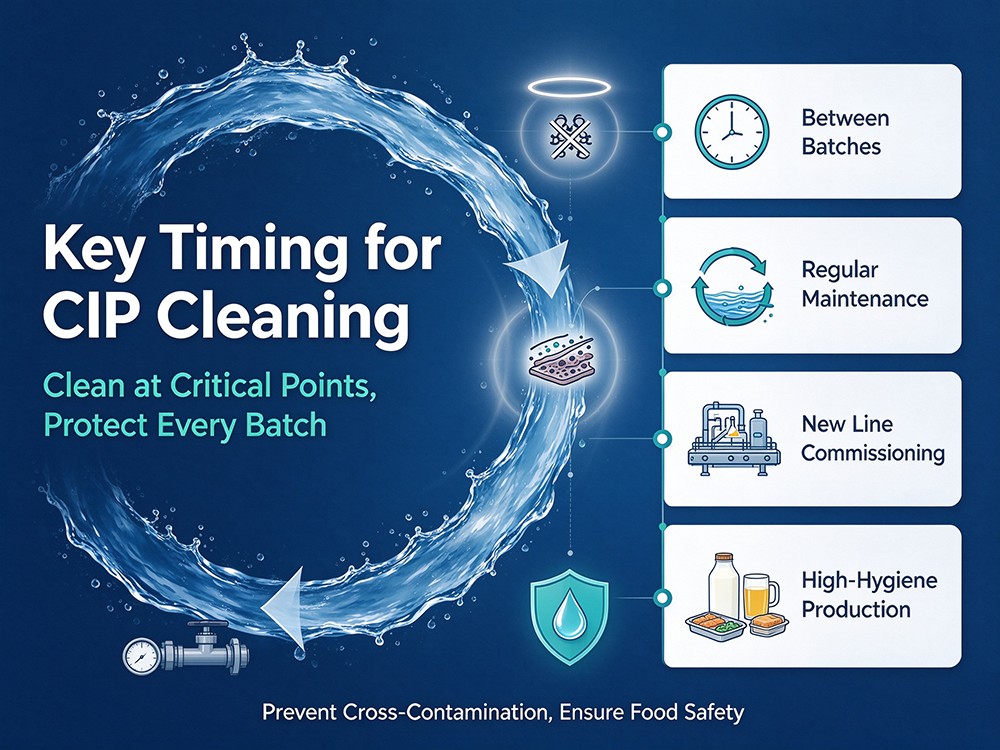
1. Between Production Batches or During Product Changeovers: Run CIP cleaning and disinfection on enclosed equipment such as tanks and transfer pipes to remove residues and microorganisms between batches, reduce cross-contamination risks and help protect the next batch.
2. Scheduled Preventive Cleaning: Clean milk storage tanks, fermentation tanks, blending tanks and transfer lines according to the production line’s operating schedule to remove biofilms and organic residues and maintain microbiological compliance.
3. After New-Line Installation or Equipment Upgrades: Use a hypochlorous-acid CIP process for the initial deep cleaning and disinfection of new production lines or upgraded equipment before commissioning.
4. Before Producing Products with Strict Hygiene Requirements: Increase CIP cleaning frequency before producing fresh milk, school milk, beer, ready-to-eat foods and other products with stringent hygiene requirements.
Suggested Cleaning Frequency
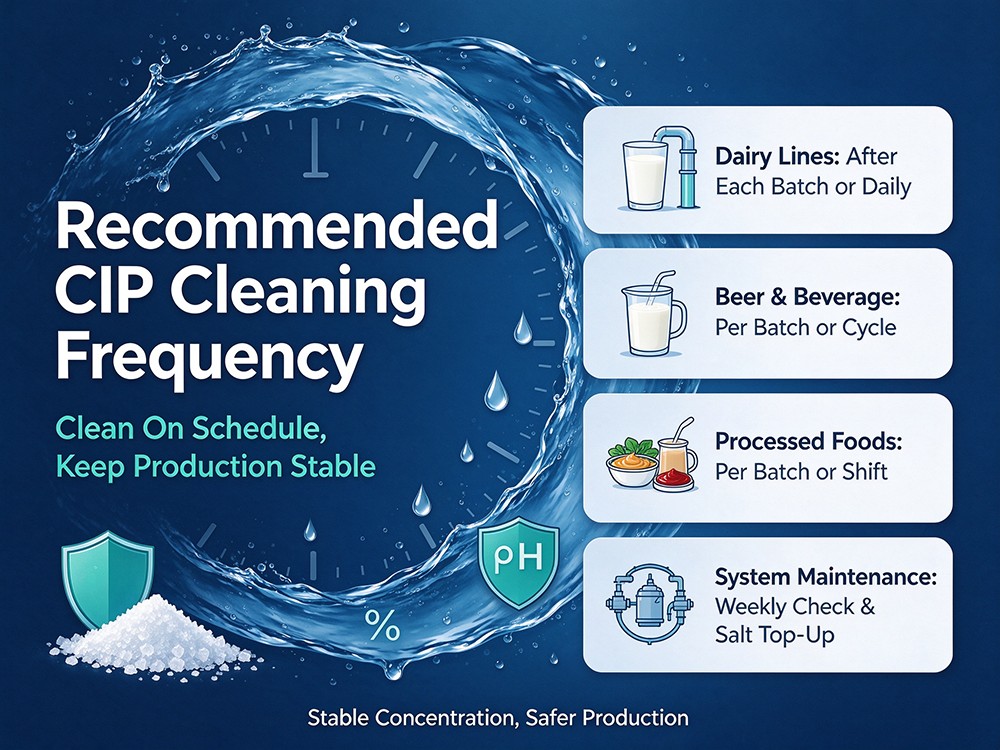
1. Dairy Production Lines: Clean milk storage tanks and transfer pipes after each production batch or once daily. Focus on removing milk scale and protein residues and targeting bacteria in hard-to-reach pipe areas.
2. Beer and Beverage Production Lines: Clean fermentation and blending tanks after each batch or according to the process schedule. Recirculate cleaning solution through transfer lines regularly to help prevent biofilm formation and microbial contamination.
3. Ready-to-Eat Food and Condiment Production Lines: For residues high in oil, sugar or salt, perform CIP cleaning after each batch or each shift. Extend the cleaning cycle when necessary.
4. System Maintenance: Inspect the electrolysis unit and maintain piping weekly. Replenish food-grade salt and purified water regularly to help keep solution concentration and pH stable.
Frequently Asked Questions
1. Q: What are the advantages of hypochlorous acid for CIP compared with conventional chemicals such as hydrogen peroxide, peracetic acid and sodium hypochlorite?
A: Conventional CIP chemicals may cause concerns about excessive residues, equipment corrosion, complex cleaning procedures, high energy costs and effects on product flavor and quality. Hypochlorous acid is generated on site from salt and purified water. It offers effective, gentle disinfection with low-residue operation, and may simplify cleaning while reducing chemical and water consumption and overall operating costs.
2. Q: Will hypochlorous acid corrode stainless-steel tanks, pipes or other production equipment?
A: The source material describes the solution as mildly acidic and gentle, and states that it does not damage stainless-steel production equipment. Properly configured operation can help extend equipment service life and reduce maintenance costs in enclosed CIP systems.
3. Q: Will hypochlorous-acid CIP leave chemical residues or affect product flavor and quality?
A: According to the product description, after disinfection hypochlorous acid breaks down into water and trace amounts of salt, minimizing chemical residues and secondary pollution. This can reduce the need for complex post-rinsing and wastewater treatment and help avoid off-flavors or quality issues associated with conventional chemical residues.
4. Q: Can it replace the existing CIP chemical-dosing process? Is major production-line modification required?
A: It is designed to replace conventional chemical-dosing workflows and integrate with existing automated CIP systems without major production-line modifications. It can be used for both new production-line designs and upgrades to older lines.
5. Q: Is the equipment difficult to operate? Can existing production staff use it?
A: The system is designed for fully automatic operation and one-touch solution preparation. Concentration, pH and other key parameters can be adjusted automatically, without manual chemical mixing or dilution. Operating-status monitoring and fault alerts are included; staff can operate the equipment after basic training.
6. Q: How long do the electrolysis electrodes and other components last? Are maintenance costs high?
A: The system uses corrosion-resistant titanium-alloy electrolysis electrodes designed for humid food-production environments. Consumables are common food-grade salt and purified water, avoiding the need for expensive disinfectant chemicals. Routine maintenance requirements and costs are designed to be low.
7. Q: Can output volume and concentration be adjusted for production lines of different sizes?
A: Custom configurations are available to match production-line scale and cleaning workload. Available chlorine concentration can be adjusted within 50–500 mg/L, for applications ranging from small food-processing plants to large dairy, beverage and brewing facilities.
8. Q: Can the equipment meet local food-production hygiene requirements in overseas markets?
A: CE-related and other international certification options are available, and wide-voltage configurations can be customized. Operating parameters can be tailored to local food-production hygiene requirements to support export procedures and local food-safety inspections.
ONLINE CONSULTATION
RELATED SUGGESTION
 Electrolyzer") Pure Hypochlorous Acid (HClO) ElectrolyzerLearn More
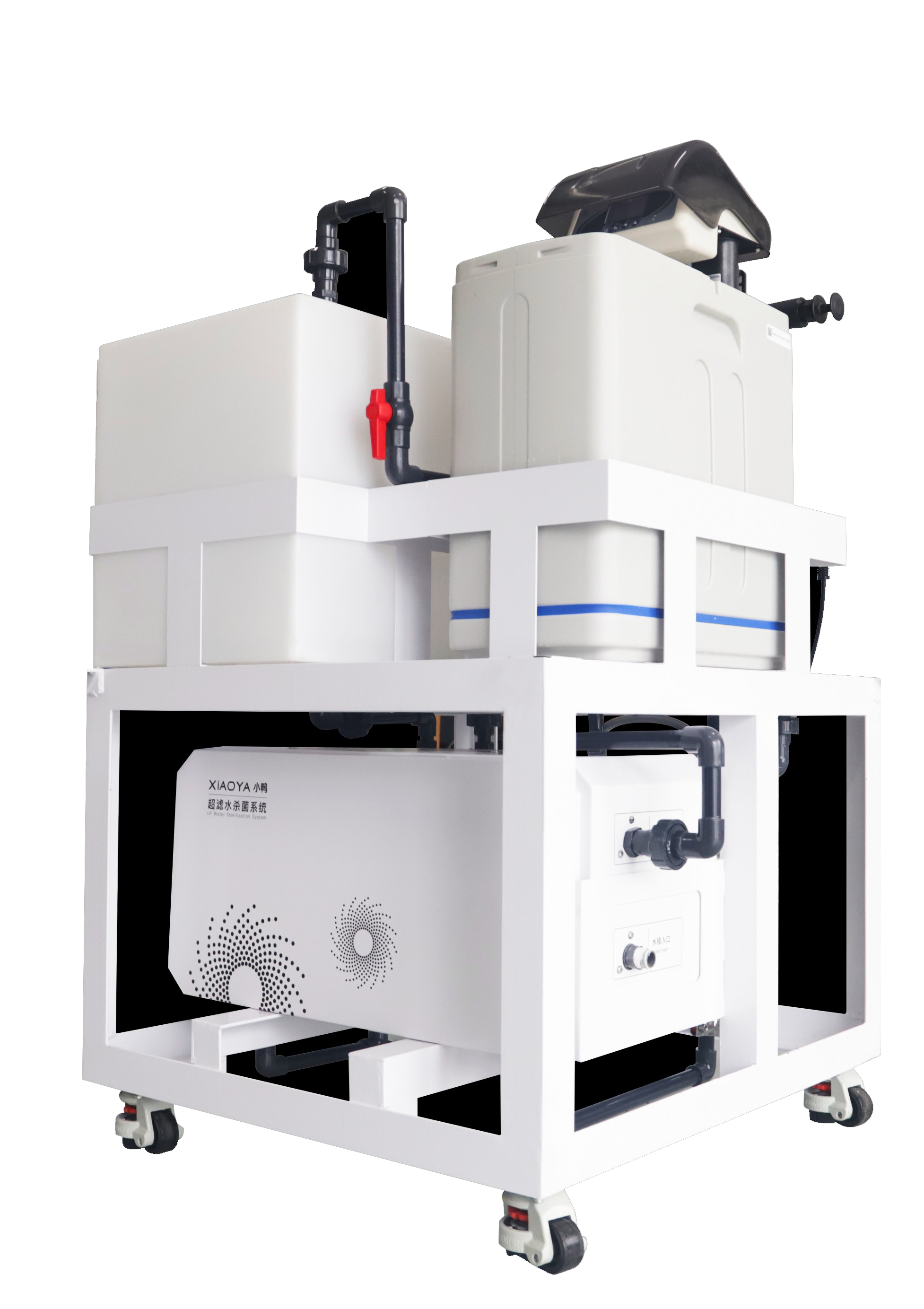
 water supply systemLearn More
 Sodium Hypochlorite ElectrolyzerLearn More
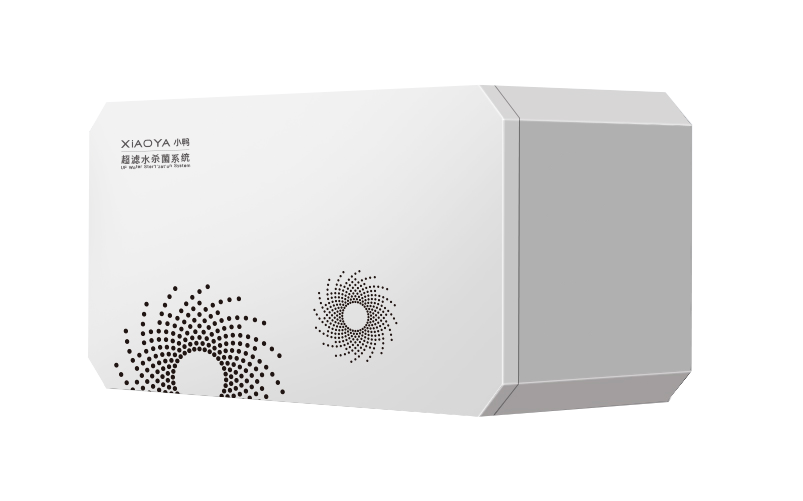
 Duckling ultrafiltration water purification and sterilization device XYCL-1000Learn More
 Diaphragm ElectrolyzerLearn More
 Water purification systemLearn More
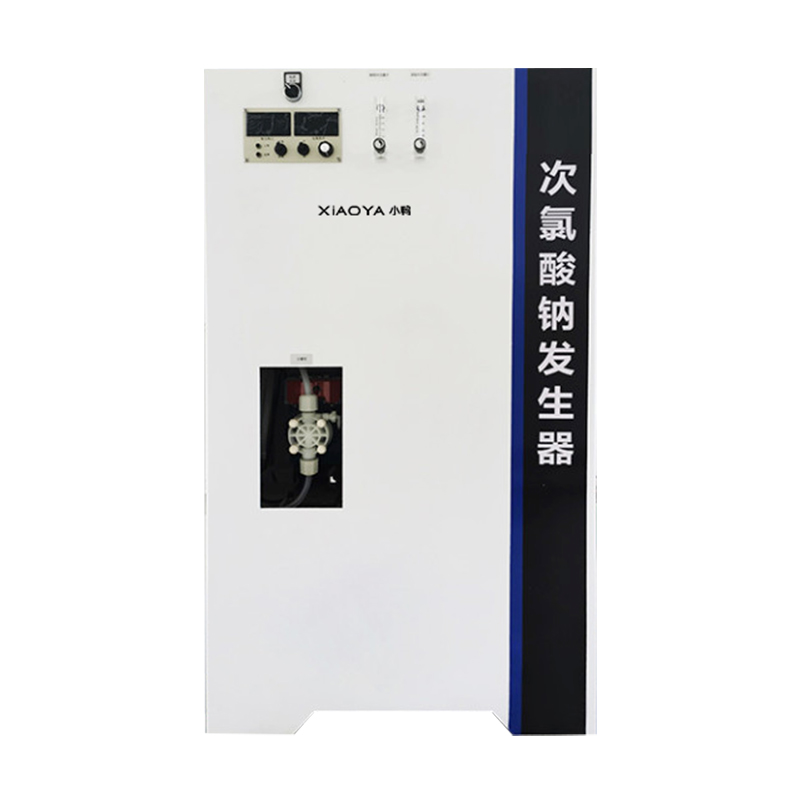
 Sodium hypochlorite generatorLearn More
 Water Treatment EquipmentLearn More


Xiaoya Group was founded in 1979,expert in the electrolyzed water industry.
Get in Touch
*We respect your confidentiality and all information are protected.