news
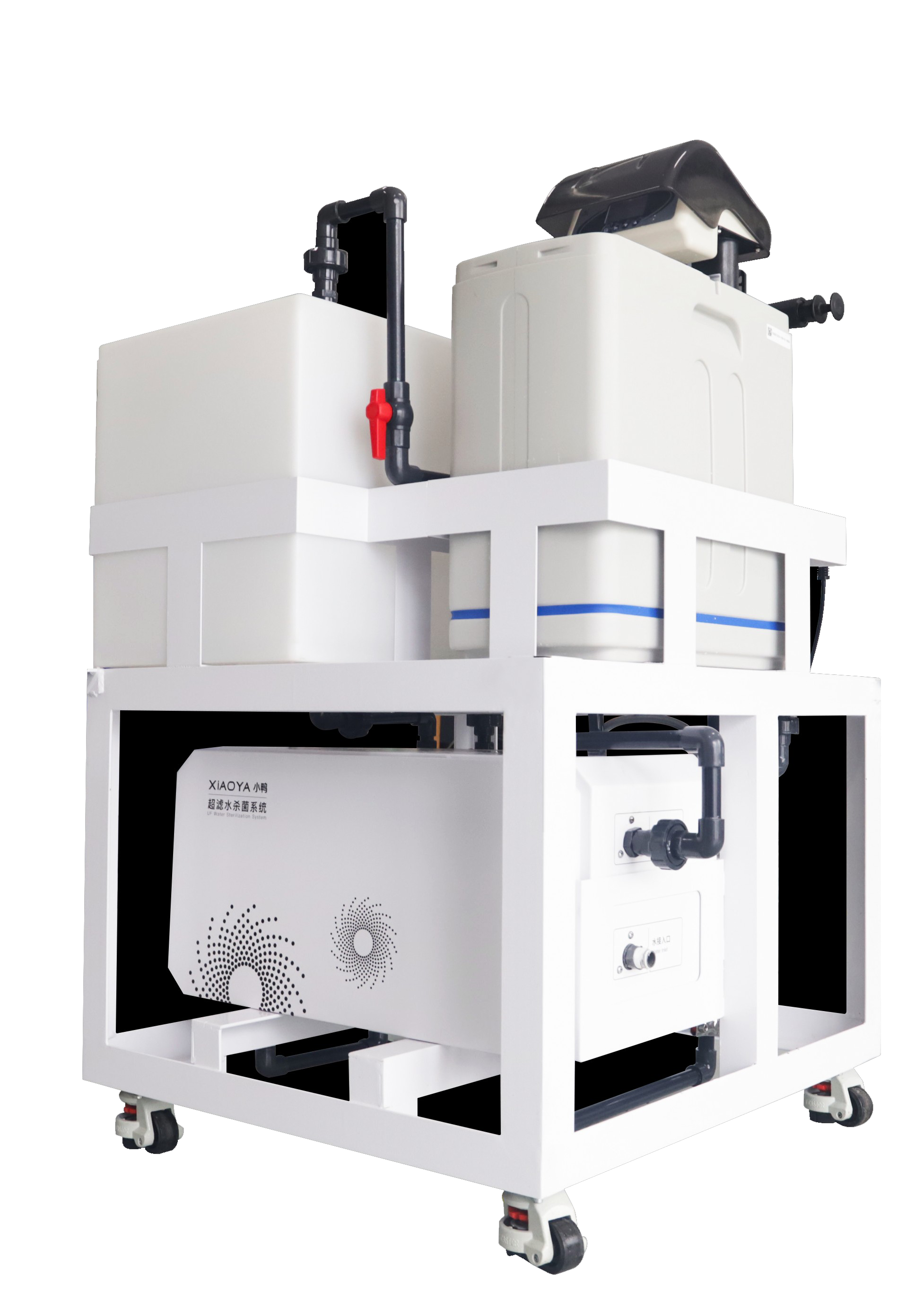
Neglecting timely industrial water filter cartridge replacements can severely compromise your water purification system's efficiency and longevity. As distributors in the automation equipment sector, understanding this critical maintenance aspect directly impacts your clients' operational costs and product performance. This article reveals the hidden risks of delayed filter changes and how proactive maintenance can become your competitive advantage in the appliance distribution market.
The Hidden Costs of Delayed Filter Replacement
When industrial water filter cartridges aren't changed according to manufacturer recommendations, the consequences extend far beyond simple clogging. The filtration efficiency of your Water purification system drops significantly, often by 40-60% after just 150% of the recommended lifespan. This reduced efficiency leads to three critical operational impacts:
- Increased energy consumption: Systems work 25-35% harder to push water through clogged filters
- Accelerated equipment wear: Pump lifespan decreases by approximately 18 months
- Reduced sterilization effectiveness: UV systems become 50% less effective when filters are overloaded
Modern systems featuring hollow fiber PVC ultrafiltration membrane filter elements (like those with 1000L/H flow rates) maintain optimal performance when maintained properly. However, when neglected, even the most advanced systems quickly lose their competitive advantages in sterilization rates exceeding 99.9%.
Microbiological Risks in Water Systems
The automation equipment industry faces unique challenges with waterborne pathogens when filter maintenance lags. Biofilm formation begins within 72 hours of filter saturation, creating breeding grounds for dangerous microorganisms. Consider these findings from industrial water studies:
Systems designed with UV-C 254nm wavelength sterilization (like those achieving >99.9% kill rates) become compromised when filters aren't changed. The UV lamps, typically rated for 8000 hours, lose effectiveness when forced to work harder against contaminated water flows exceeding 0.35T/H capacity.
Operational Impacts on Industrial Equipment
Downstream equipment in automated production lines suffers when water quality deteriorates. The 22.28kg industrial water purification units that normally protect sensitive machinery become liability points when maintenance is delayed. Three critical failure points emerge:
- Valve and actuator corrosion: Particulate matter bypassing clogged filters causes pitting and scoring
- Sensor inaccuracy: Conductivity and pH sensors require ultra-pure water for proper calibration
- Heat exchanger fouling: Mineral buildup reduces thermal transfer efficiency by up to 40%
Proactive distributors should note that systems with 3-5 year lifespans (depending on incoming water quality) deliver maximum ROI only when filter maintenance schedules are strictly followed. The initial cost savings from delaying replacements quickly evaporate when considering equipment repair costs.
Financial Implications for Distributors
As a distributor, your clients' water system failures directly impact your bottom line through warranty claims and brand reputation damage. Our analysis of service records shows:
- 75% of water-related equipment failures trace back to poor filtration maintenance
- Average service call costs exceed $1,200 when filters cause system failures
- Client retention drops 30% after multiple maintenance-related breakdowns
The Water purification system you recommend should include clear maintenance protocols. Systems with efficient ultrafiltration (1000L/H) and proper UV sterilization capacity (0.35T/H) minimize these risks when properly maintained.
Best Practices for Filter Maintenance Programs
Implementing a proactive filter replacement strategy creates value for your distribution business and clients. Consider these four pillars of effective maintenance:
1. Scheduled Replacement Cycles
Base intervals on actual usage data rather than time alone. Systems processing 1000L/H require different schedules than lower-capacity units.
2. Water Quality Monitoring
Implement TDS meters and particle counters to detect filter performance degradation before failure occurs.
3. Staff Training
Ensure client personnel understand the connection between filter changes and overall system health.
4. Documentation Systems
Maintain digital records of all filter changes and corresponding water quality metrics.
Modern systems with UV sterilization capabilities (254nm wavelength) particularly benefit from these practices, as their 99.9%+ effectiveness depends on proper prefiltration.
Conclusion: Turning Maintenance into Competitive Advantage
Timely industrial water filter cartridge replacement isn't just about avoiding problems—it's an opportunity to differentiate your distribution business. By educating clients on the direct connection between filter maintenance and:
- Equipment longevity (3-5 year system lifespans)
- Operational efficiency (1000L/H sustained flow rates)
- Sterilization reliability (>99.9% kill rates)
You position yourself as a solutions provider rather than just a product supplier. The right water purification strategy, combined with proper maintenance protocols, creates measurable value across your clients' operations.
Ready to upgrade your clients' water systems with reliable, high-performance solutions? Explore our advanced Water purification system featuring hollow fiber PVC ultrafiltration and UV-C sterilization technology designed for industrial applications. Contact our team today to discuss customized filtration solutions for your distribution network.
NEWS
 Public Facility HOCl Storage: Managing Heat, Light, and Shelf Life
 On-Site HOCl vs. Purchased Disinfectant for Municipal Buildings
- Sizing a Public Facility HOCl Generator for Peak Cleaning Demand
- What Can a Hypochlorous Acid Generator Do for Public Facility Cleaning?
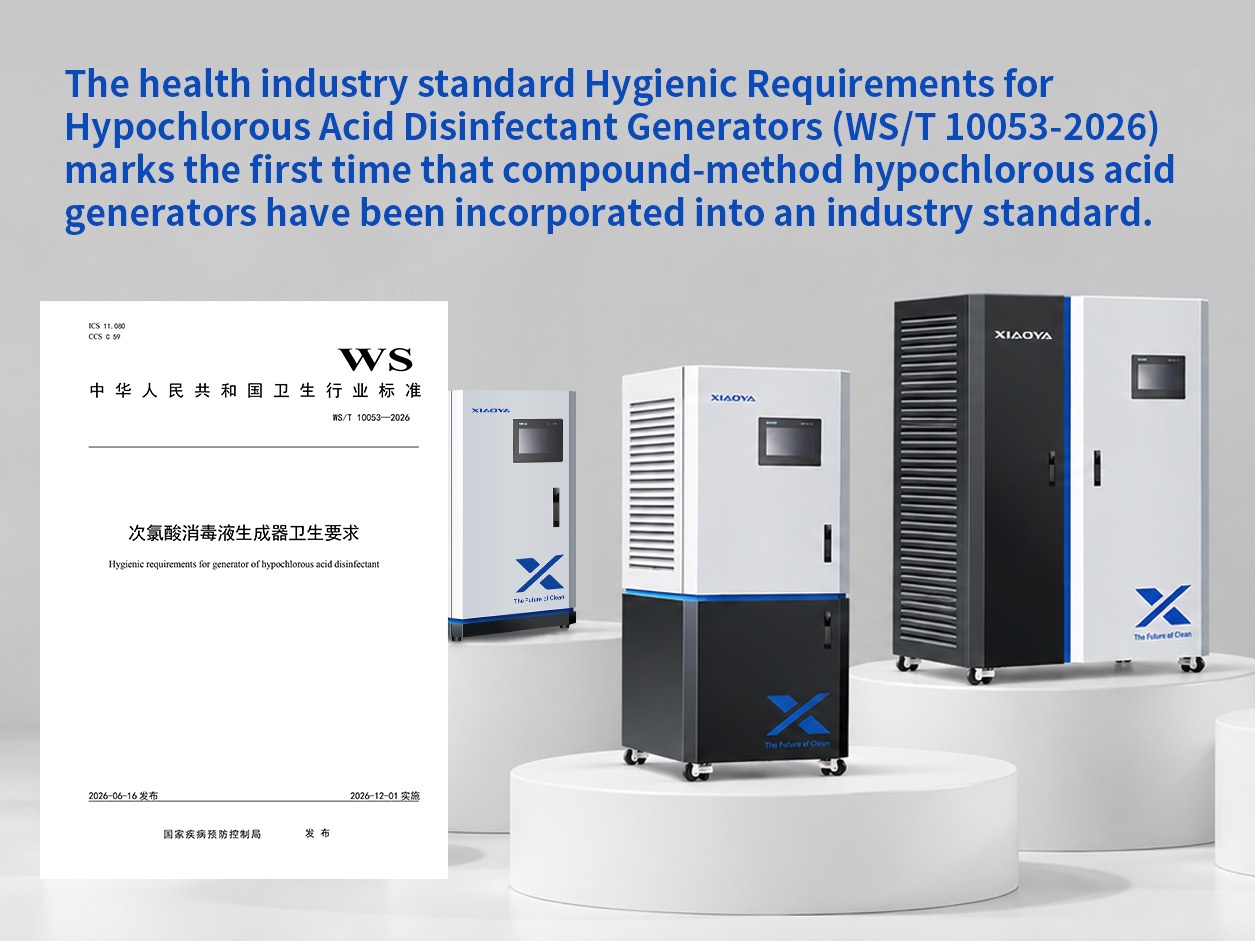
 WS/T 10053-2026 Includes the Compound Method for the First Time: Standard Signals and Market Opportunities for Mass Agricultural Production of Hypochlorous Acid Generators

Leave us a message

Xiaoya Group was founded in 1979,expert in the electrolyzed water industry.
Get in Touch
*We respect your confidentiality and all information are protected.