news
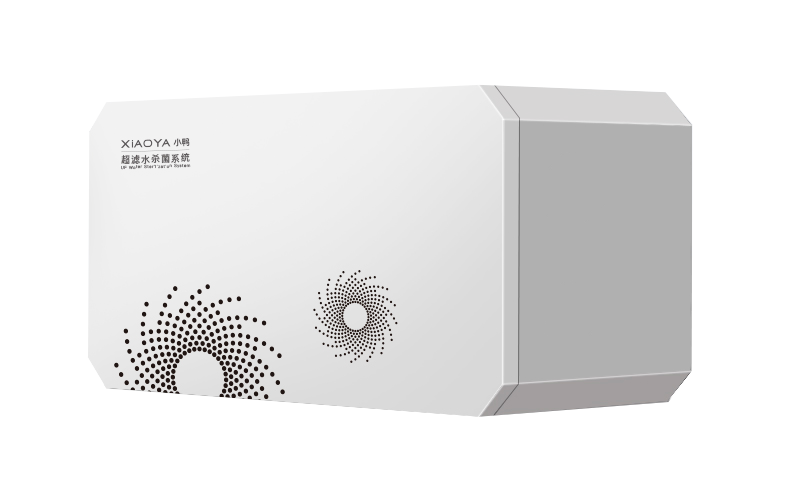
Choosing between centralized and point-of-use water purification systems is a critical decision for distributors and agents in the automation equipment industry. As demand for clean water solutions grows in kitchen appliances, healthcare, and household applications, understanding the pros and cons of each system can help you better serve your clients. This guide explores key factors like efficiency, installation requirements, and maintenance to help you recommend the ideal water purification system for different scenarios.
Centralized vs. Point-of-Use: Key Differences Explained
Centralized water purification systems are designed to treat water at a single point before distributing it throughout a facility. These systems are ideal for large-scale applications such as hospitals, hotels, or industrial kitchens where consistent water quality is critical. Key advantages include:
- Uniform water quality across all outlets
- Lower per-unit cost for high-volume applications
- Easier centralized maintenance and monitoring
Point-of-use (POU) systems, on the other hand, are installed at specific water outlets to treat water immediately before consumption. These compact units offer flexibility for residential or small commercial settings. The Thermal Engine technology, with its composite superconducting heat pipe steam generation, demonstrates how advanced automation can enhance POU system efficiency while maintaining a compact footprint.
Technical Considerations for System Selection
When evaluating water purification systems for your clients, consider these technical parameters that impact performance and ROI:
The thermal efficiency of modern systems like the XY series (achieving 100.35% through FPTS condensation waste heat recovery) demonstrates how technological advancements are bridging the gap between these two approaches.
Industry-Specific Application Guidelines
Different sectors within the automation equipment market have distinct water purification needs:
Healthcare Facilities
Hospitals require ultra-pure water for dialysis, sterilization, and laboratory use. Centralized systems with redundant purification stages (RO+UV+ozone) ensure uninterrupted supply. The Thermal Engine's intelligent real-time monitoring technology provides an additional layer of safety for critical applications.
Food Service Industry
Commercial kitchens need reliable water purification that can handle high-volume usage spikes. Systems with DN40-DN50 water inlets and 1000kg steam capacity (like the XY-1.0-1.2-T model) maintain performance during peak hours while meeting strict food safety standards.
Emerging Technologies in Water Purification
The automation equipment industry is witnessing several groundbreaking innovations:
- Fully premixed combustion systems reducing NOX emissions below 30mg/m³
- Infrared radiation superheat absorption technology improving energy efficiency
- Embedded control cabinets with ABB/Schneider components for precise operation
These advancements allow distributors to offer solutions that combine environmental compliance (meeting strict NOX regulations) with operational efficiency.
Maintenance and Lifecycle Considerations
Proper maintenance planning significantly impacts total cost of ownership. Key factors include:
- Service intervals (typically 6-12 months for commercial systems)
- Availability of replacement parts (Honeywell valve groups, EBM/Germany fans)
- Remote monitoring capabilities (PT100 temperature sensors, Siemens controls)
Systems with Japanese special craftsmanship typically offer longer service life and lower maintenance costs - a crucial selling point for cost-conscious clients.
Conclusion and Next Steps
Selecting between centralized and point-of-use water purification systems requires careful analysis of your client's specific needs, facility layout, and operational requirements. As automation technology advances, hybrid solutions combining the benefits of both approaches are becoming increasingly viable.
For distributors seeking cutting-edge solutions, we recommend exploring systems featuring composite superconducting heat pipe technology and ultra-low nitrogen flameless combustion. These innovations deliver exceptional thermal conductivity and environmental performance while maintaining compact footprints ideal for modern facilities.
Ready to upgrade your water purification offerings? Contact our technical team today to discuss customized solutions for your market segment. With over 20 protection units and industry-leading thermal efficiency, our systems provide the reliability and performance your clients demand.
NEWS
 Public Facility HOCl Storage: Managing Heat, Light, and Shelf Life
 On-Site HOCl vs. Purchased Disinfectant for Municipal Buildings
- Sizing a Public Facility HOCl Generator for Peak Cleaning Demand
- What Can a Hypochlorous Acid Generator Do for Public Facility Cleaning?
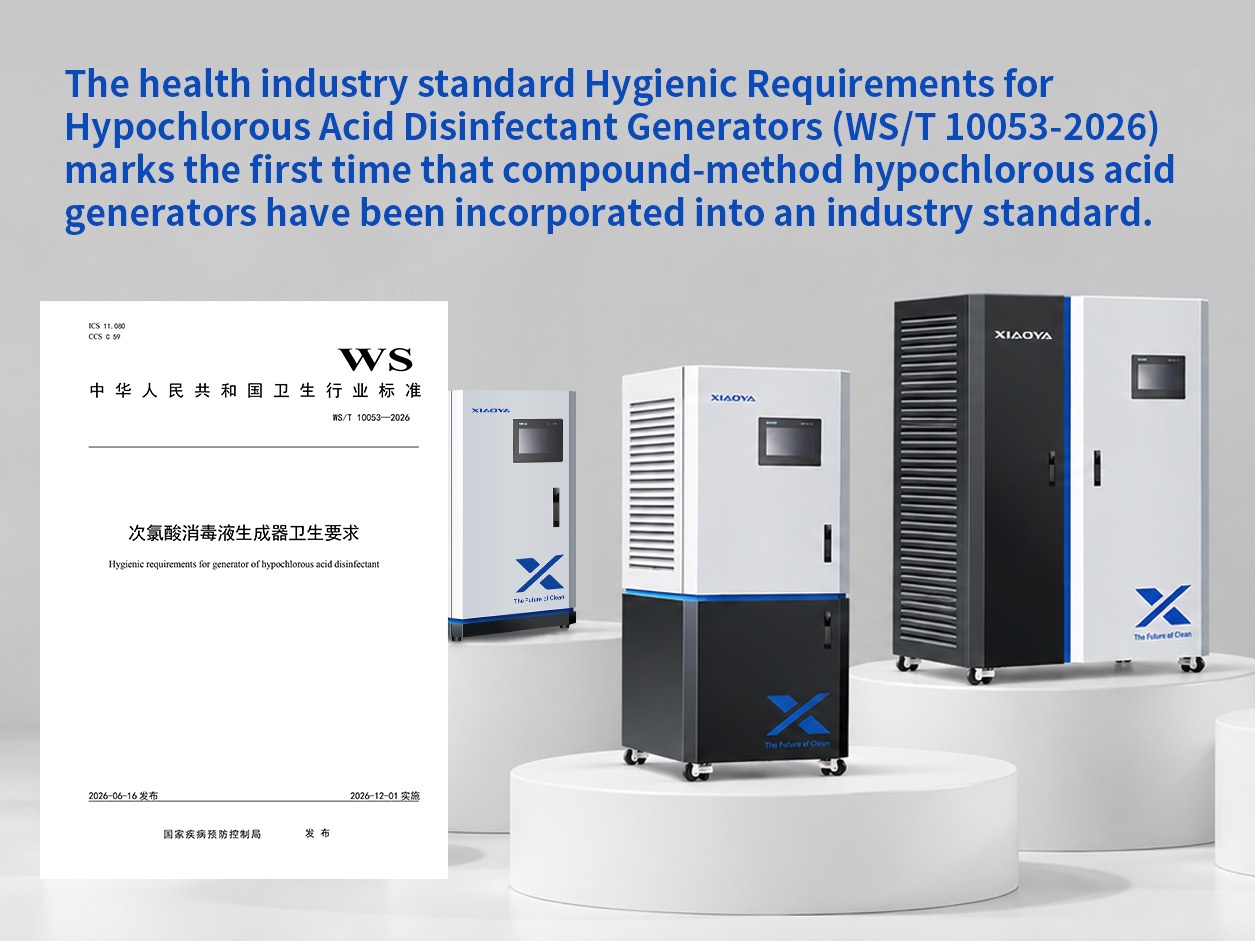
 WS/T 10053-2026 Includes the Compound Method for the First Time: Standard Signals and Market Opportunities for Mass Agricultural Production of Hypochlorous Acid Generators

Leave us a message

Xiaoya Group was founded in 1979,expert in the electrolyzed water industry.
Get in Touch
*We respect your confidentiality and all information are protected.