‹
›
‹
›
2.Residue-Free · Compliant with Export Standards
3.Prolonging the Flowering Period of Cut Flowers
4.Improving the Survival Rate of Cuttage/Seedling Raising
5.Alleviating Continuous Cropping Obstacles and Improving Soil
6.Reducing Pesticide Use by 30%–50% for Cost Reduction and Efficiency Enhancement
7.Intelligent and Stable, Adaptable for Foreign Trade
PRODUCT DESCRIPTION
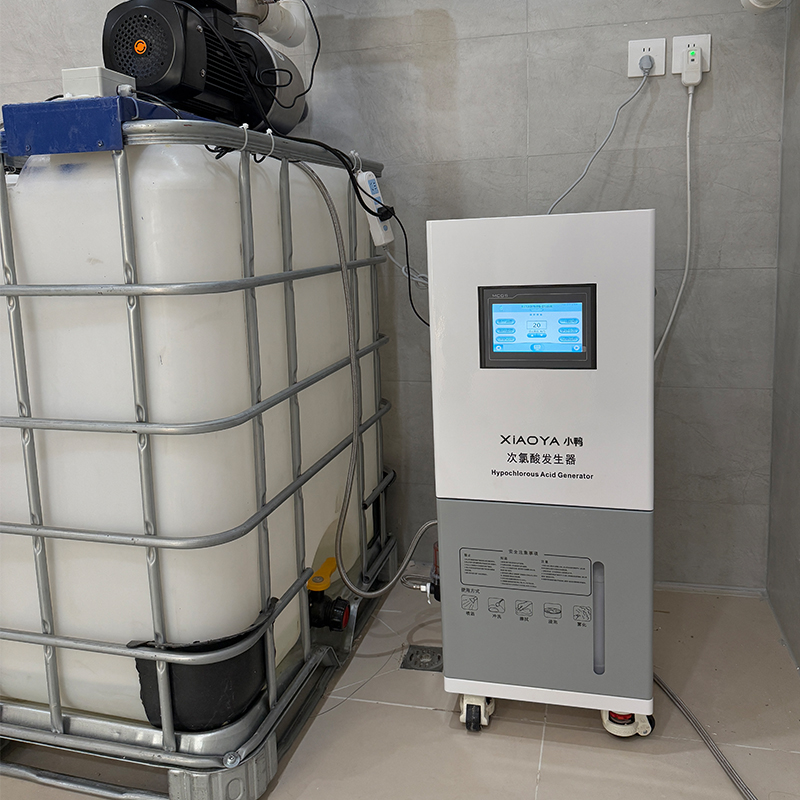
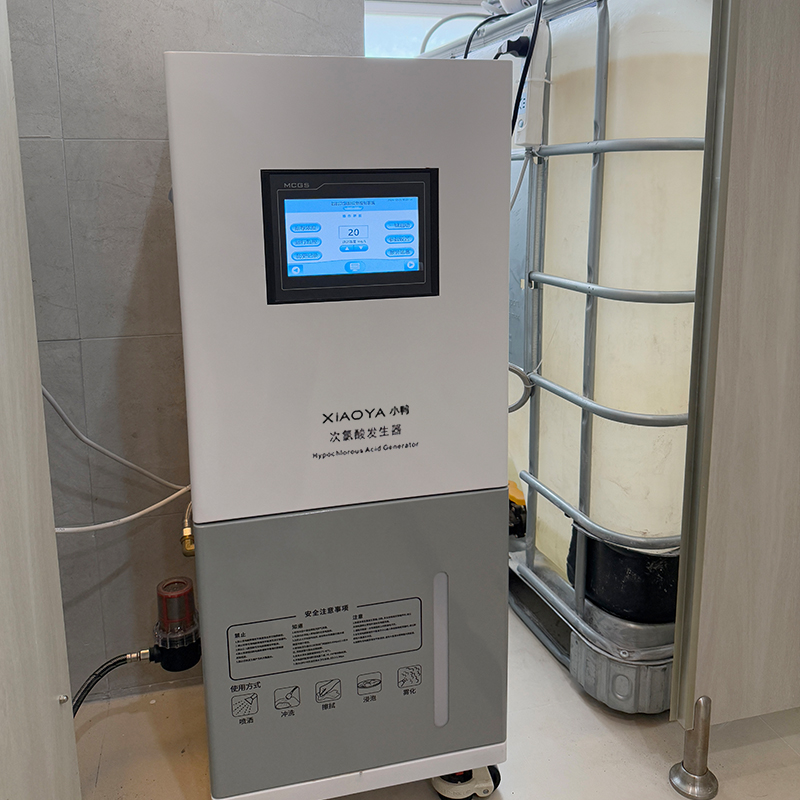
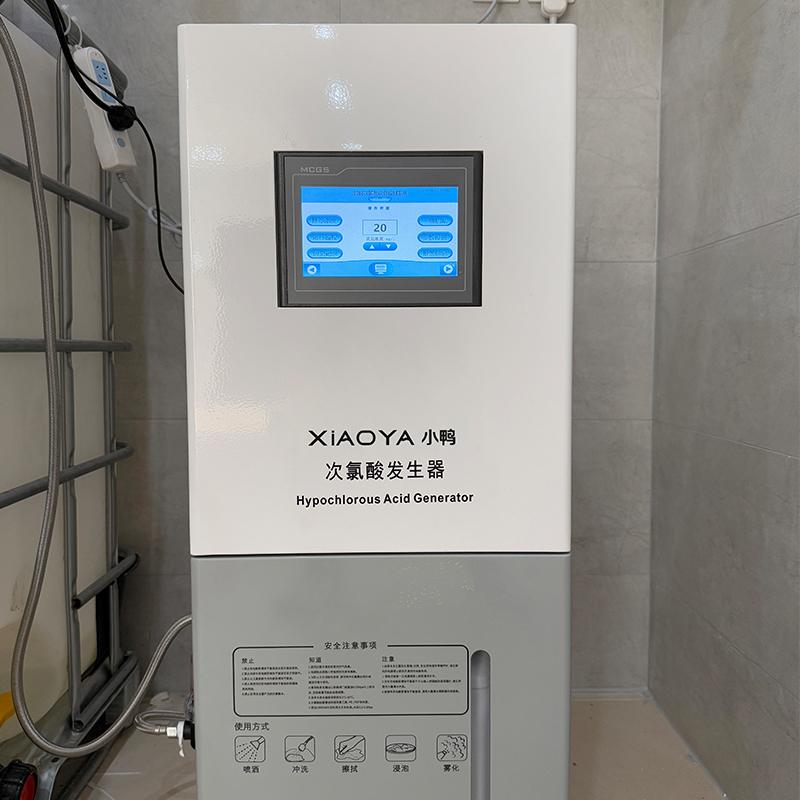
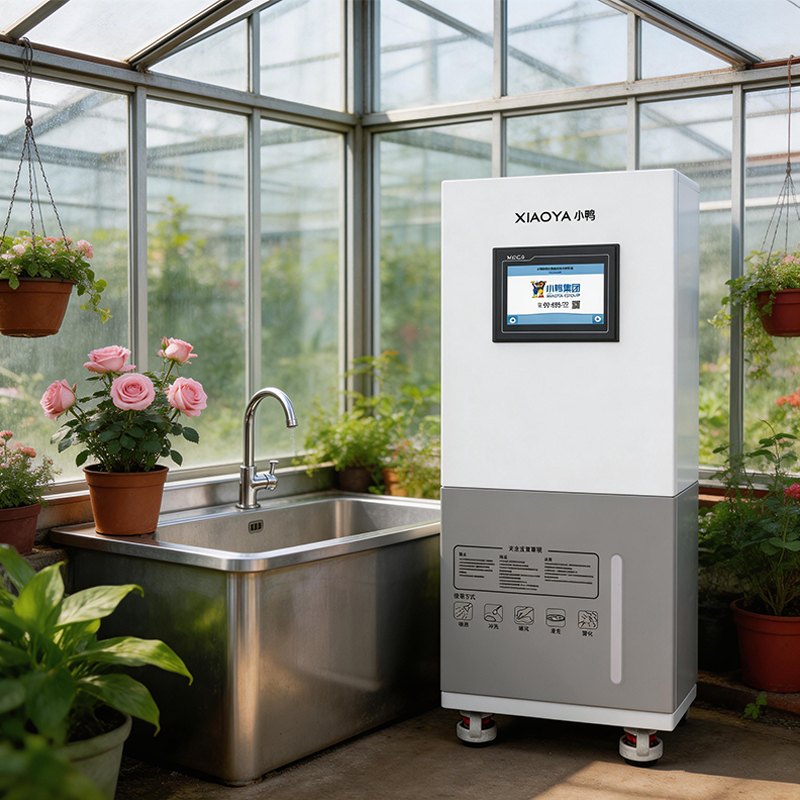
Hypochlorous Acid Generator for Floriculture (P300-W)
I. Industry Pain Points
1. Frequent and Uncontrollable Diseases
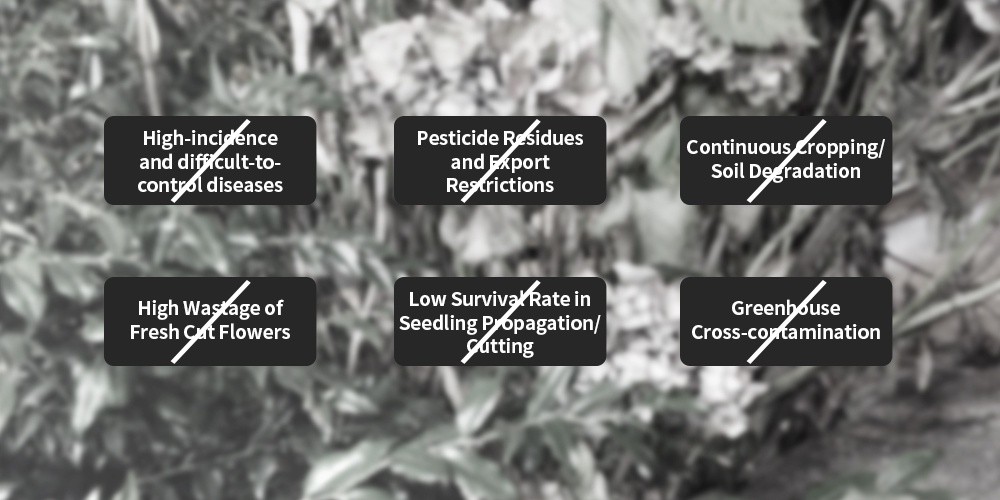
Powdery mildew, black spot, gray mold, root rot and black rot occur frequently, with traditional pesticides having limited efficacy and easily leading to drug resistance.
2. Pesticide Residues and Export Restrictions
Excessive chemical pesticide residues fail to meet the quarantine standards for exported flowers, affecting brand reputation and market access.
3. Continuous Cropping/Soil Degradation
Years of continuous cropping lead to the accumulation of pathogenic bacteria, soil compaction, salinization and alkalization, resulting in seedling death, stunted seedlings and poor growth.
4. High Loss Rate of Cut Flowers
Post-harvest bacterial growth, cut rot and vessel blockage cause short flowering periods and high loss rates, resulting in profit losses.
5. Low Survival Rate of Seedling Raising/Cuttage
Black stalks of branches, root rot and numerous seedbed diseases lead to high seedling raising costs and slow propagation.
6. Cross Infection in Greenhouses
Tools, water sources and the environment carry bacteria, leading to year-round recurrent diseases and high prevention and control costs.
II. Product Definition
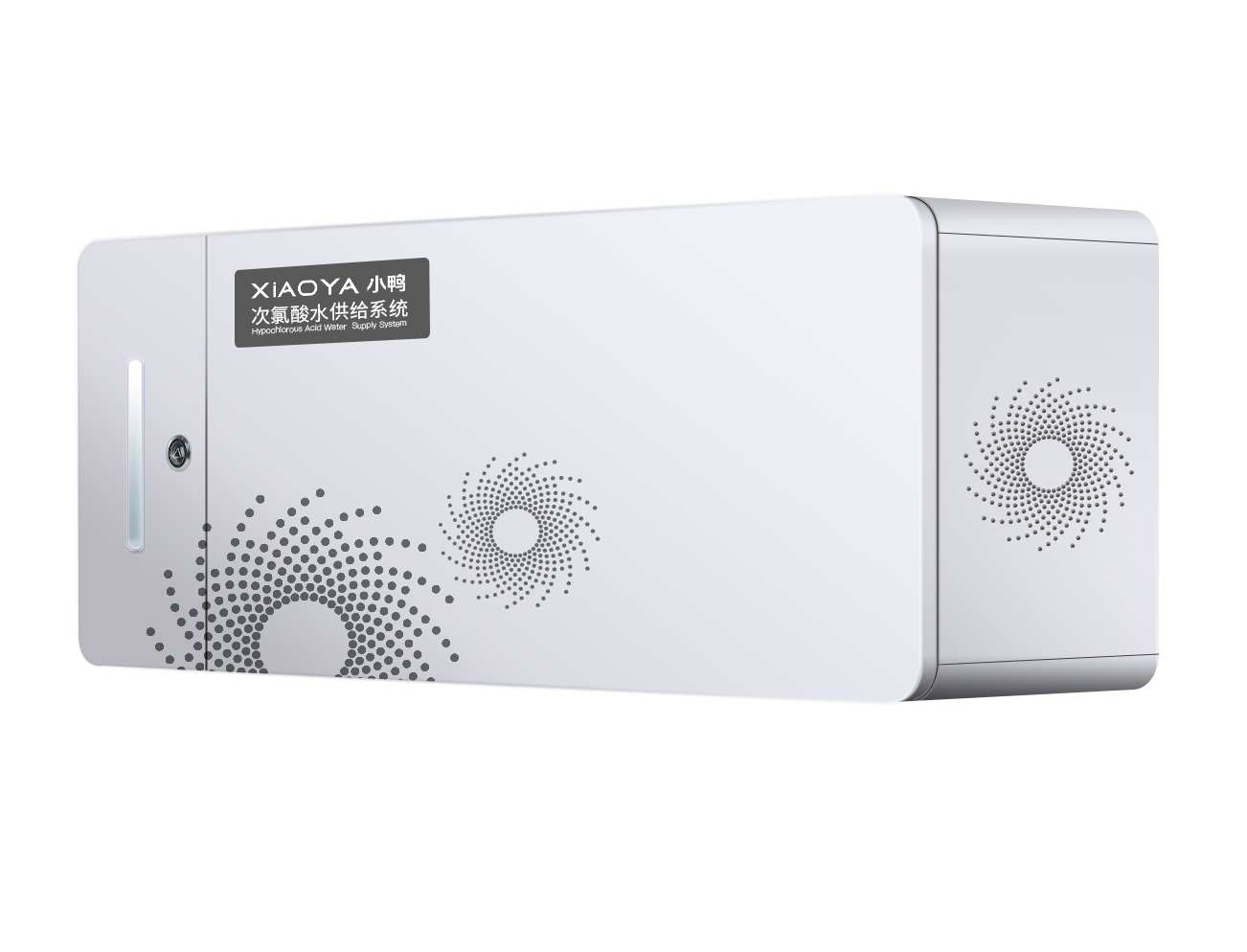
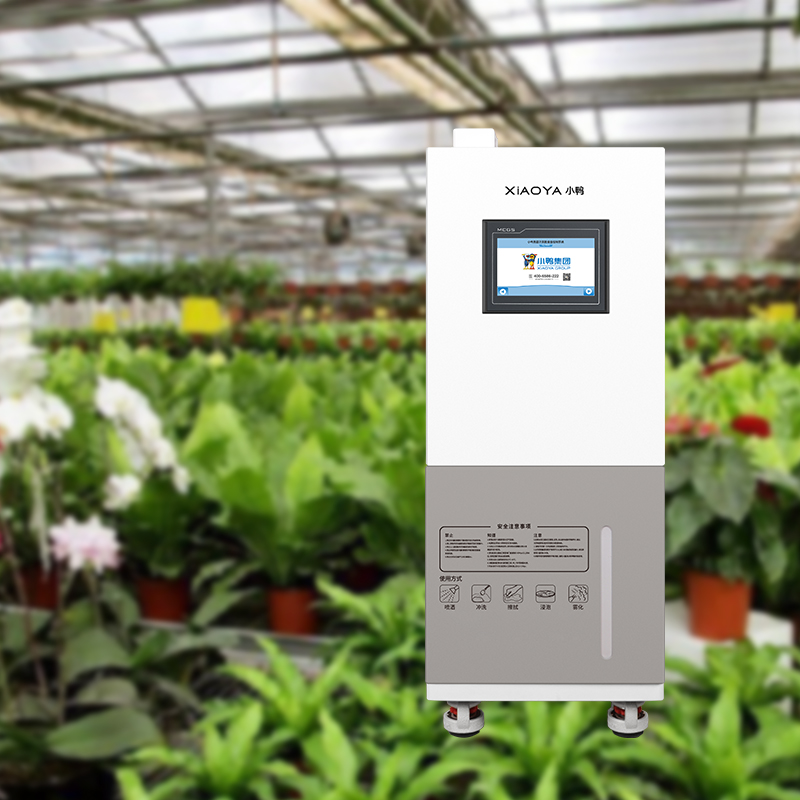
The Little Duck Hypochlorous Acid Generator for Floriculture (AQ-P300-W) is an integrated green disinfection and sterilization equipment developed by Shandong Little Duck Group for the cultivation of high-end flowers such as potted flowers, cut flowers, greenhouse seedlings, succulents, orchids and Chinese roses.
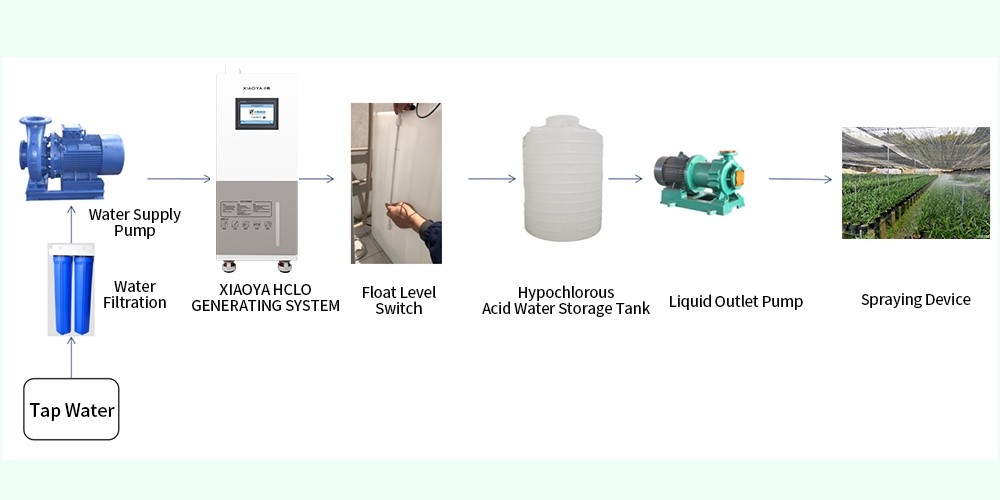
Using tap water as raw material, it electrolyzes on-site to generate slightly acidic hypochlorous acid water, achieving sterilization and disease prevention, soil improvement, seed/cutting disinfection, cut flower preservation, and pesticide reduction with efficiency enhancement. It is residue-free, non-corrosive, safe and mild, and compliant with domestic and international organic cultivation and exported flower standards.
III. Product Parameters
IV. Core Selling Points
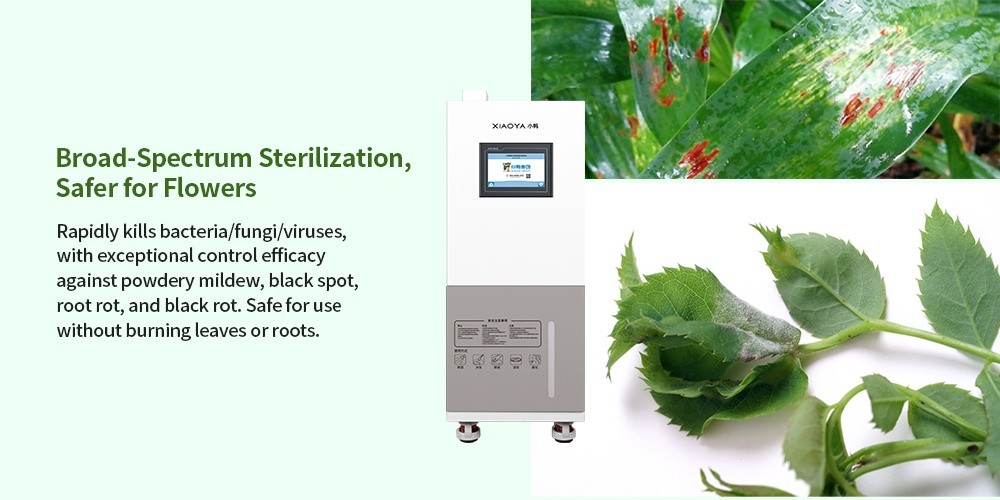
1. Broad-Spectrum Sterilization for Safer Flowers
It rapidly kills bacteria, fungi and viruses, with outstanding efficacy in preventing powdery mildew, black spot, root rot and black rot, without causing leaf burn or root scald.
2. Residue-Free · Compliant with Export Standards
Decomposing into water and trace salts, it is free of pesticide residues and secondary pollution, recognized by international organic certification, ensuring smooth customs clearance.
3. Prolonging the Flowering Period of Cut Flowers
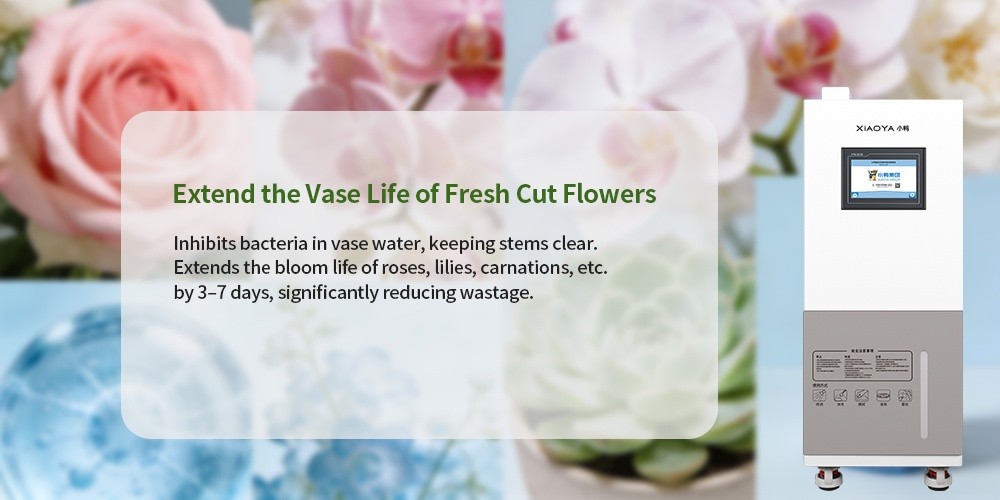
It inhibits bacteria in vase water and keeps vessels unobstructed, prolonging the flowering period of roses, lilies, carnations and other flowers by 3–7 days and significantly reducing loss rates.
4. Improving the Survival Rate of Cuttage/Seedling Raising
It disinfects cuts, prevents black stalks and root rot, ensures uniform and robust seedlings, and reduces propagation losses.
5. Alleviating Continuous Cropping Obstacles and Improving Soil
It inhibits harmful bacteria, regulates acid-base balance, activates nutrients, and solves the problems of continuous cropping seedling death and stunted seedlings with poor rooting.
6. Reducing Pesticide Use by 30%–50% for Cost Reduction and Efficiency Enhancement
It can replace pesticides or be used to dilute and enhance their efficacy, reducing phytotoxicity and drug resistance, and lowering procurement and labor costs.
7. Intelligent and Stable, Adaptable for Foreign Trade
With adjustable concentration and on-demand production; it supports customized overseas voltages, is resistant to high-humidity environments, and features simple maintenance.
V. Application Scenarios
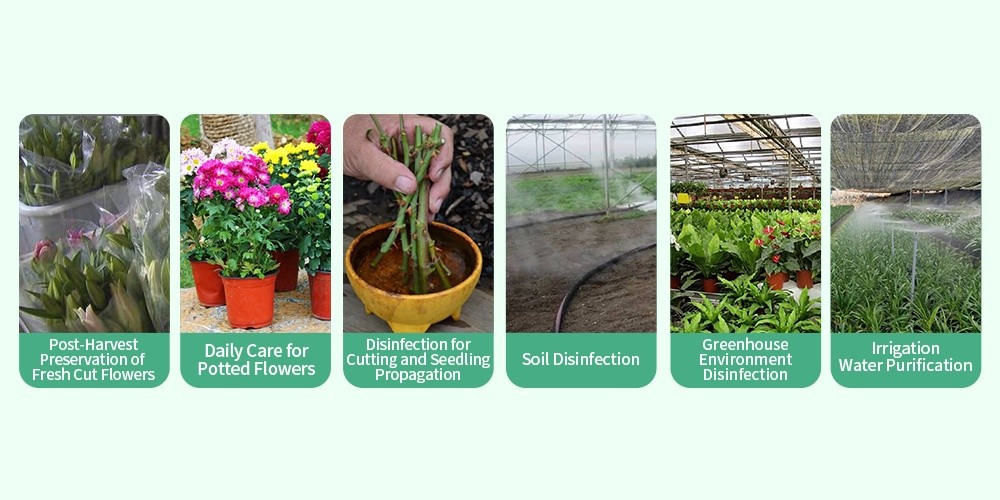
1. Post-Harvest Preservation of Cut Flowers
Bacteriostasis in vase water, flowering period prolongation, fresh-keeping storage and transportation.
2. Daily Maintenance of Potted Flowers
For Chinese roses, orchids, hydrangeas, succulents: foliar disease prevention and root irrigation to prevent root rot.
3. Disinfection for Cuttage and Seedling Raising
Cutting soaking, seedbed/substrate/ plug tray disinfection to improve survival rates.
4. Soil Disinfection and Continuous Cropping Improvement
Soil treatment in greenhouses/flower beds to inhibit soil-borne diseases.
5. Greenhouse Environment Disinfection
Air atomization, disinfection of ground, tools and flowerpots to block cross infection.
6. Irrigation Water Purification
Sterilization of drip irrigation/spray systems to prevent algae and biofilm in pipelines.
VI. Application Timing and Frequency
1. Cut Flower Preservation
• Vase water: 50–100 ppm, replace every 3–5 days.
• Post-harvest pre-treatment: soak cuts in 100 ppm solution for 5–10 minutes.
2. Foliar Disease Prevention for Potted Flowers (Prophylaxis)
• 30–50 ppm, apply once every 7–10 days, avoid noon strong sunlight.
3. Root Irrigation/Root Rot Prevention and Control
• 50–100 ppm, apply once every 10–15 days; apply once every 5–7 days during the disease period.
4. Cuttage/Cutting Disinfection
• 100–200 ppm, soak for 10–30 minutes, air dry before cutting.
5. Seedling Raising/Seedbed Disinfection
• Substrate/plug tray: spray with 100 ppm solution; seedling stage: light spray with 30–50 ppm solution.
6. Greenhouse Environment Disinfection
• Atomization with 50–100 ppm solution, once or twice a week.
7. Irrigation Water Purification
• Add 5–10 ppm continuously with irrigation water.
VII. Frequently Asked Questions
Q1: Will hypochlorous acid water burn flower leaves and roots?
No. The slightly acidic hypochlorous acid water generated by this machine has a pH of 5.0–6.5, which is mild and suitable for flower growth. When used at the correct concentration, it causes no phytotoxicity, yellowing or leaf edge scorching, and can be safely used for sensitive flowers such as cut flowers, succulents and orchids.
Q2: Can pesticide use be reduced after application? By how much?
Pesticide use can be reduced by 30%–50%. It can directly prevent common diseases, and when combined with a small amount of pesticides in the early stage of disease, the control effect is better. It is residue-free and does not affect export testing.
Q3: How long can the fresh-keeping period of cut flowers be prolonged?
The flowering period of roses, lilies, carnations, eustomas and other flowers can be prolonged by 3–7 days, with no stinking water, no stem rot and straighter flowers.
Q4: How long can the equipment be used? Is the maintenance complicated?
The electrolyzer has a service life of ≥5000 hours, and the whole machine is durable; daily maintenance only requires supplementing electrolyte and cleaning the filter, no professional personnel is needed, and the maintenance cost is extremely low.
Q5: Can it be exported? Does it support overseas voltages?
It supports foreign trade export and can be customized with overseas voltages such as 110V/60Hz, suitable for flower bases around the world.
Q6: Can hypochlorous acid water be stored?
It is recommended to produce and use on site; it can be stored for 7–15 days in a dark and sealed container, with a slow attenuation of concentration.
ONLINE CONSULTATION
RELATED SUGGESTION
 Electrolyzer") Pure Hypochlorous Acid (HClO) ElectrolyzerLearn More
Pure Hypochlorous Acid (HClO) ElectrolyzerLearn More water supply systemLearn More
 Sodium Hypochlorite ElectrolyzerLearn More
 Duckling ultrafiltration water purification and sterilization device XYCL-1000Learn More
 Diaphragm ElectrolyzerLearn More
 Water purification systemLearn More
 Sodium hypochlorite generatorLearn More
 Thermal EngineLearn More