news
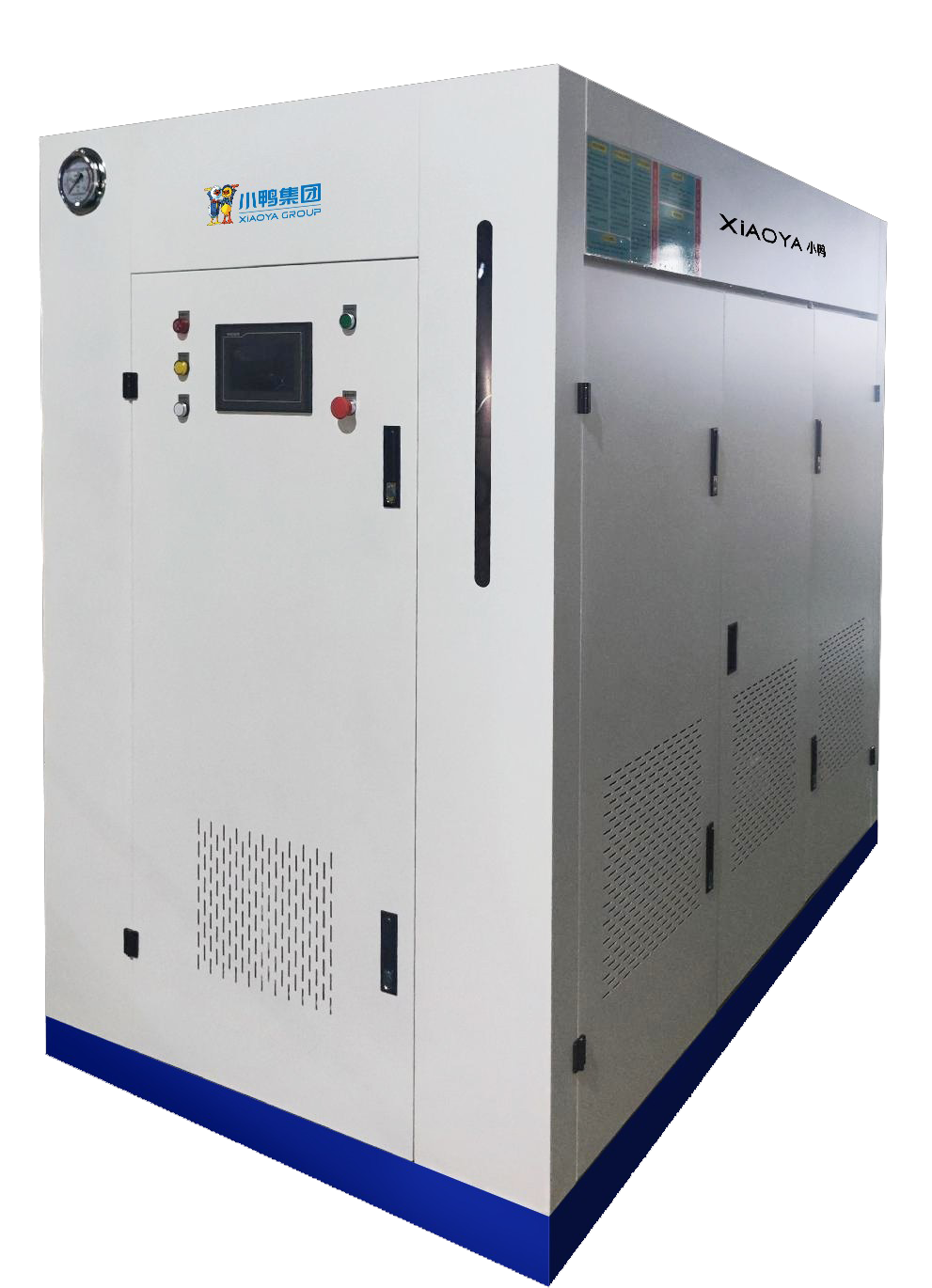
In the evolving landscape of automation equipment, the debate between thermal energy devices and traditional energy systems continues to intensify. For quality control professionals, safety managers, and project leaders, understanding the cost and efficiency differences is crucial. This analysis delves into how Thermal Engines stack up against conventional systems, offering actionable insights for optimizing performance and reducing operational expenses in kitchen appliances, healthcare equipment, and clean energy solutions.
Energy Efficiency: Thermal Engines vs. Traditional Systems
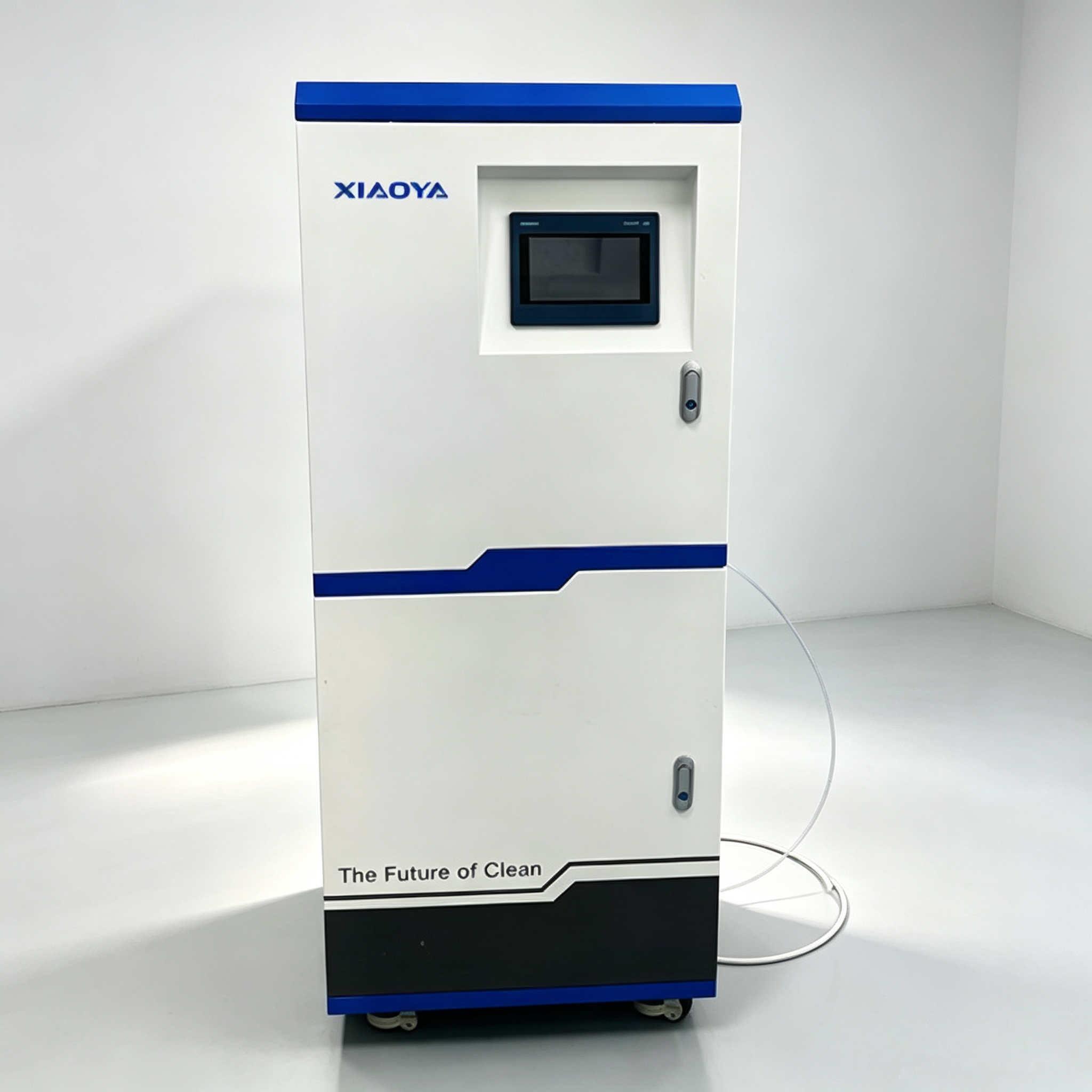
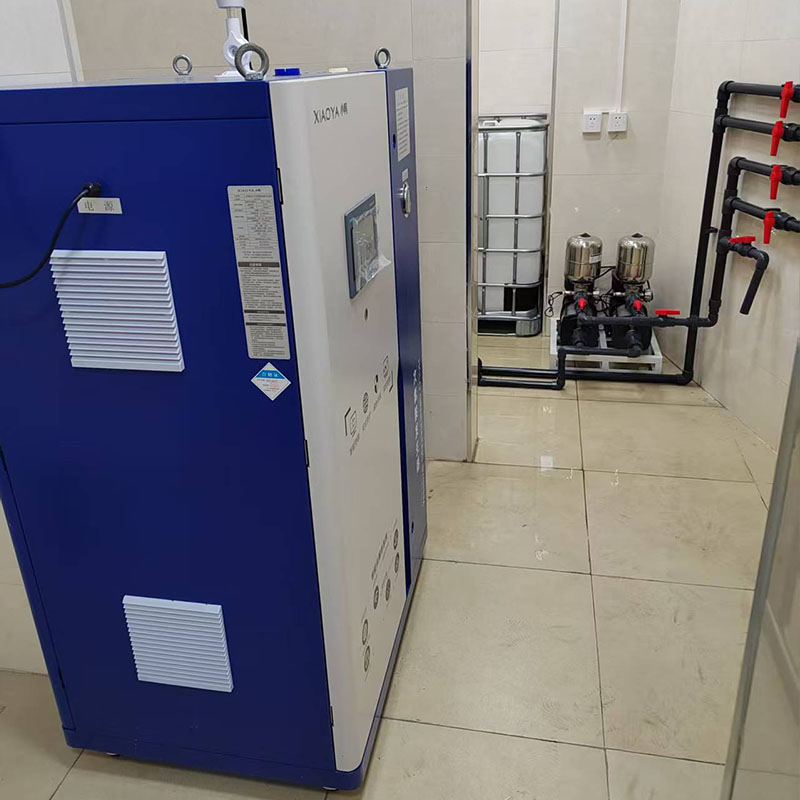
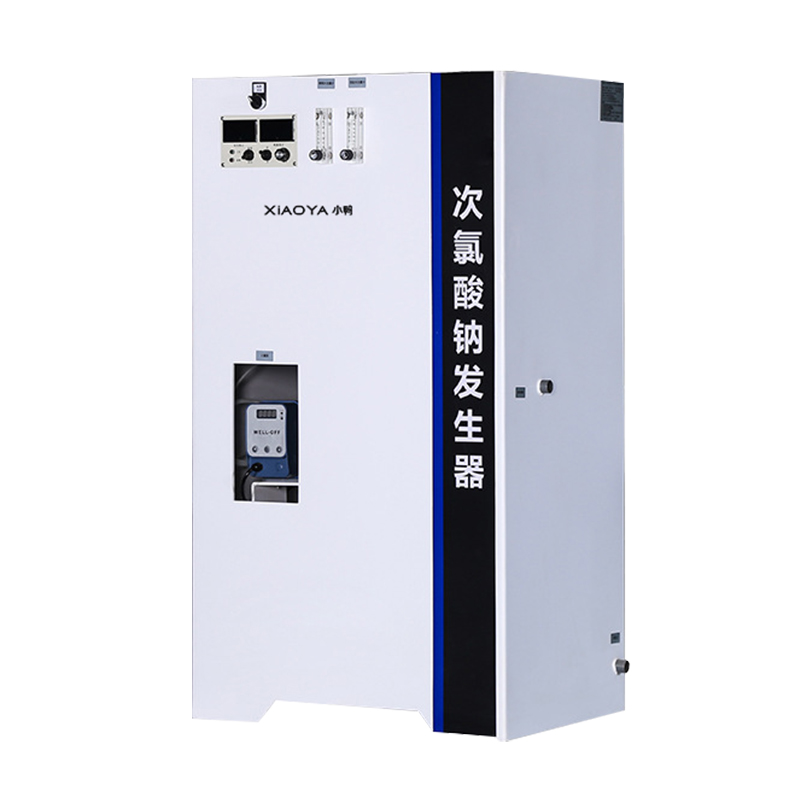
When evaluating energy systems for automation applications, efficiency is a top priority. Thermal energy devices, such as advanced Thermal Engines, leverage cutting-edge heat exchange technologies to achieve superior energy conversion rates. Studies indicate that these systems can operate at efficiencies exceeding 85%, significantly outperforming traditional combustion-based systems that typically max out at 40-50% efficiency. For project managers overseeing kitchen appliance production lines or healthcare equipment installations, this efficiency translates to measurable cost savings over time. The AQ-P300W Hypochlorous acid(HClO)generator exemplifies how modern thermal technology can be integrated into disinfection systems, combining energy efficiency with operational reliability.
Operational Cost Analysis
A comprehensive cost comparison must consider both upfront investment and long-term operational expenses. While thermal energy devices often require higher initial capital expenditure, their lower maintenance needs and reduced energy consumption lead to faster ROI. Key factors include:
- Fuel costs: Thermal Engines can utilize waste heat from other processes
- Maintenance intervals: Fewer moving parts than traditional systems
- System lifespan: Advanced materials extend operational longevity
For safety managers in pet hospitals or catteries, the AQ-P300W's stable, energy-efficient electrolytic cell operation demonstrates how thermal technology minimizes ongoing costs while maintaining consistent performance.
Safety and Environmental Considerations
Modern thermal energy devices address two critical concerns for quality control professionals: operational safety and environmental impact. Unlike traditional systems that may produce harmful emissions or require hazardous fuel storage, Thermal Engines offer:
- Closed-loop operation minimizing exposure risks
- Reduced carbon footprint through efficient energy use
- Compatibility with renewable energy sources
The non-toxic, non-irritating nature of the AQ-P300W's output makes it particularly suitable for environments serving sensitive populations, aligning with the growing demand for safer automation solutions.
Integration with Smart Automation Systems
Today's project leaders require energy systems that seamlessly integrate with IoT-enabled automation networks. Thermal Engines excel in this regard with features like:
- PLC control systems for precise operation monitoring
- Real-time performance analytics
- Remote connectivity options
The optional 4G module in the AQ-P300W allows for connection to external liquid storage and disinfection systems, demonstrating how thermal technology can enhance overall system intelligence while maintaining energy efficiency.
Industry-Specific Applications
The versatility of thermal energy devices makes them suitable for diverse automation applications:
The adjustable concentration and high water flow rate of the AQ-P300W make it adaptable to various disinfection needs across these sectors.
Conclusion: Making the Strategic Choice
For automation professionals evaluating energy systems, thermal technology offers compelling advantages in efficiency, cost savings, and safety. As demonstrated by solutions like the AQ-P300W Hypochlorous acid(HClO)generator, modern thermal devices provide the performance and reliability required in today's demanding industrial environments. Project managers and quality control specialists should consider these benefits when planning system upgrades or new installations.
To explore how thermal energy solutions can optimize your operations, contact our engineering team for a customized assessment of your specific requirements.
NEWS
 Public Facility HOCl Storage: Managing Heat, Light, and Shelf Life
 On-Site HOCl vs. Purchased Disinfectant for Municipal Buildings
- Sizing a Public Facility HOCl Generator for Peak Cleaning Demand
- What Can a Hypochlorous Acid Generator Do for Public Facility Cleaning?
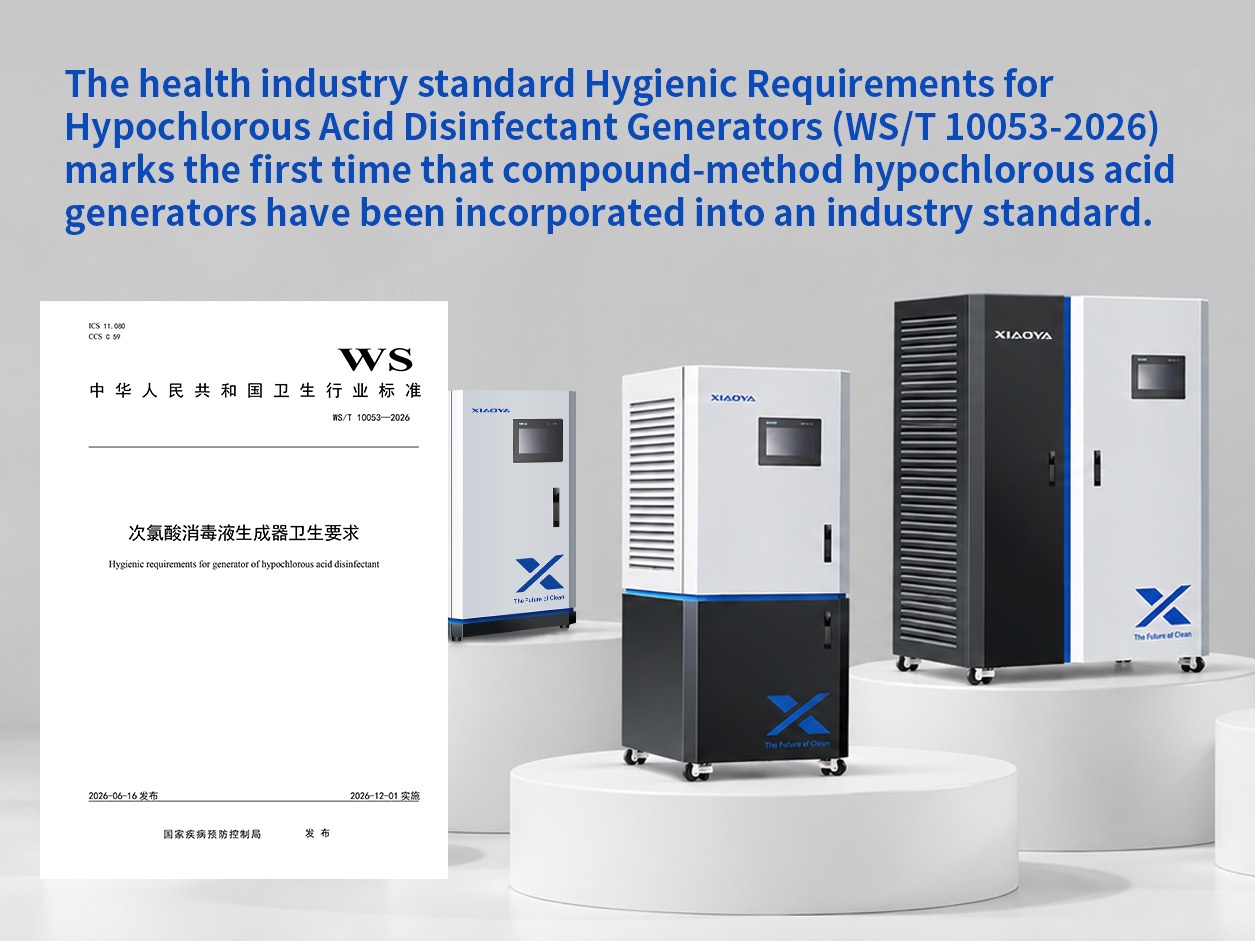
 WS/T 10053-2026 Includes the Compound Method for the First Time: Standard Signals and Market Opportunities for Mass Agricultural Production of Hypochlorous Acid Generators

Leave us a message

Xiaoya Group was founded in 1979,expert in the electrolyzed water industry.
Get in Touch
*We respect your confidentiality and all information are protected.