news
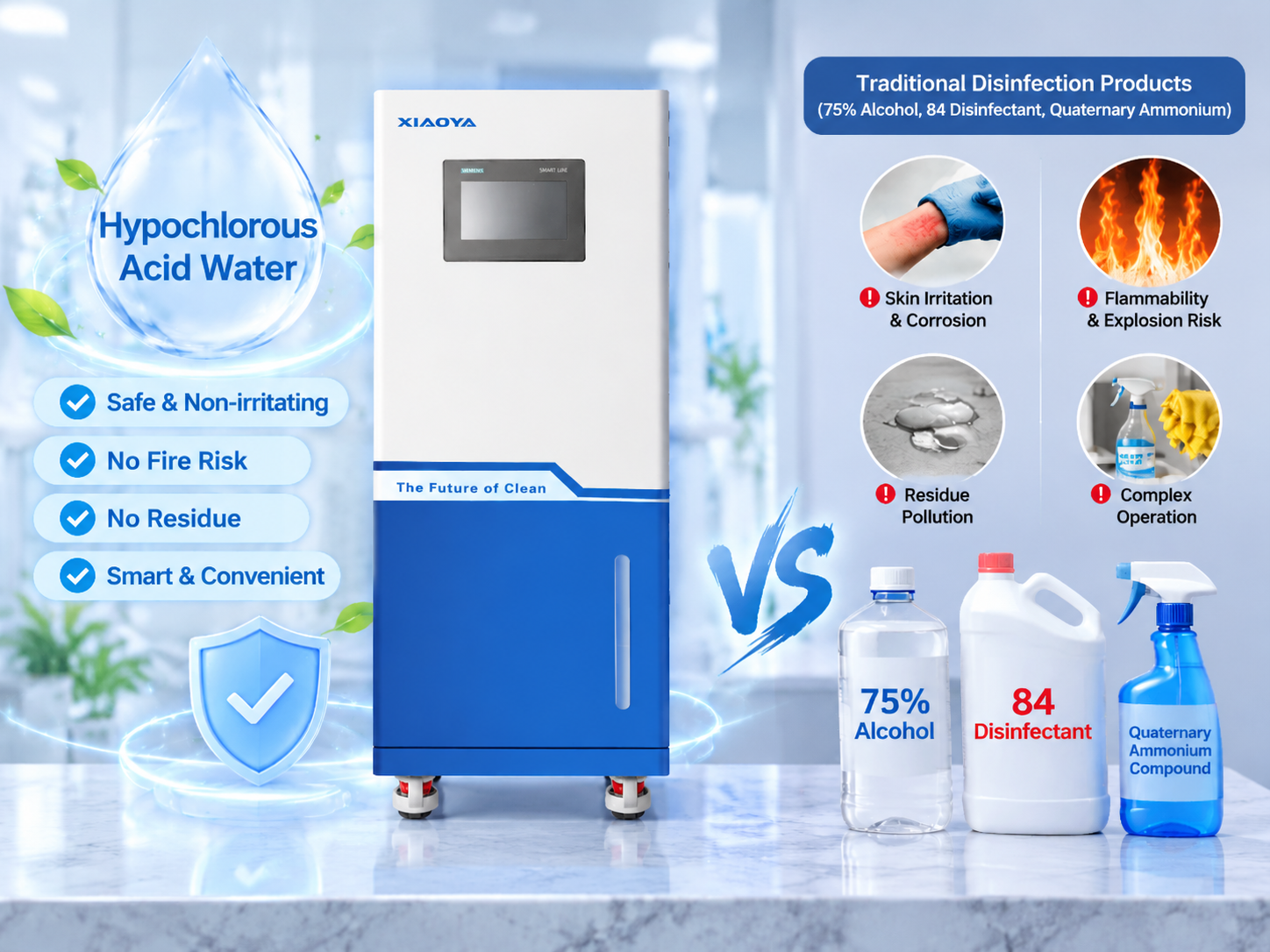
As public health practices become part of everyday life, expectations for the safety, efficacy, and versatility of disinfection products continue to rise across households and industries alike. Traditional disinfectants—such as 75% isopropyl/ethyl alcohol, sodium hypochlorite bleach, and quaternary ammonium compounds (quats)—have long dominated the market. However, their inherent drawbacks, including skin irritation, corrosiveness, flammability, chemical residue, and cumbersome preparation, make them increasingly ill-suited for diverse environments such as homes, maternal and infant care, healthcare, food processing, retail, and offices. Against this backdrop, a new generation of eco-friendly disinfectants—hypochlorous acid (HOCl) water—is breaking through these limitations. Offering high-efficiency sterilization, superior safety, broad-spectrum adaptability, and environmental sustainability, it has emerged as the preferred upgrade in today’s market, ushering the industry into a new era of safe disinfection.
Industry testing data indicates that a disinfectant’s core competitiveness hinges on four key pillars: antimicrobial efficacy, user safety, application versatility, and eco-friendliness (residue-free performance). To illustrate the technological advantages of this next-generation solution, industry experts have conducted a comprehensive scientific comparison between hypochlorous acid water and mainstream traditional disinfectants.
1. Hypochlorous Acid vs. Sodium Hypochlorite Bleach: Eliminating Corrosiveness for Safe, High-Efficiency Disinfection
As a classic chlorine-based disinfectant, sodium hypochlorite bleach (commonly known in China as "84 Disinfectant") has long been widely used in public spaces due to its low cost and broad-spectrum antimicrobial properties. Yet its drawbacks are pronounced. Strongly alkaline, bleach emits a pungent odor and corrosive fumes that can irritate the respiratory tract and damage skin and mucous membranes, posing serious risks to individuals with asthma or respiratory sensitivities. It also corrodes metals and bleaches or damages fabrics and wooden surfaces. Operationally, bleach requires precise manual dilution based on user experience: overly concentrated solutions cause corrosion hazards, while overly diluted ones fail to disinfect effectively. Furthermore, treated surfaces must be wiped down with clean water afterward, as residual chemicals can cause gastrointestinal distress if accidentally ingested or touched by children or pets.
Hypochlorous acid water represents a comprehensive upgrade over bleach. As a mildly acidic aqueous solution with a pH closely matching that of human skin and mucous membranes, it is gentle, non-irritating, and free of harsh odors. Certified non-toxic upon oral ingestion by authoritative testing institutions, it is safe for use around infants, pregnant women, and pets. Mechanism-wise, hypochlorous acid directly penetrates microbial cell membranes to disrupt bacterial and viral DNA as well as mitochondrial structures—taking effect rapidly without requiring secondary chemical conversion. It eliminates over 99.99% of bacteria, viruses, fungi, and spores within 30 seconds, making it 80 to 100 times more efficient than traditional sodium hypochlorite. Ready to use straight out of the bottle without dilution, it leaves zero chemical residue, will not corrode surfaces or pollute the environment, and completely eliminates the safety hazards and operational hassles of conventional chlorine bleach.
2. Hypochlorous Acid vs. 75% Alcohol: Removing Fire Hazards to Expand Application Scenarios
75% medical-grade alcohol is a staple disinfectant in homes and offices, prized for its rapid action and residue-free evaporation. However, its safety hazards and application limitations are significant. As a flammable and explosive hazardous material, alcohol can easily ignite or explode upon contact with open flames or high temperatures, strictly prohibiting its use in enclosed spaces (such as air misting), kitchens, factory workshops, and other high-risk environments. Its storage and handling are also subject to stringent regulations. Frequent, long-term use strips the skin’s natural lipid barrier, leading to dryness, peeling, and allergic reactions. Moreover, alcohol is primarily effective against enveloped viruses; its antimicrobial spectrum is limited, showing weak efficacy against stubborn pathogens like fungi and bacterial spores, and it cannot be used for large-scale airborne fogging.
Hypochlorous acid water overcomes both the safety risks and scenario constraints of alcohol. Chemically stable, non-flammable, non-explosive, and free of volatile hazards, it can be safely deployed in scenarios where alcohol cannot—including airborne misting in enclosed rooms, disinfecting electronic device surfaces, and sanitizing fresh produce and raw ingredients in kitchens. In terms of antimicrobial power, hypochlorous acid boasts a far broader spectrum, effectively inactivating bacteria, viruses, fungi, mold, and spores. Suitable for hard surfaces, air, human skin, and food items alike, it meets all-around hygiene needs without damaging the skin, even with frequent daily use.
3. Hypochlorous Acid vs. Quaternary Ammonium Compounds (Quats): Faster Action Without Resistance or Residue Buildup
Quaternary ammonium disinfectants are low in irritation and non-flammable, making them common choices for household and gentle cleaning applications. However, they suffer from critical shortcomings: slow kill times requiring prolonged wet contact to achieve disinfection, and reduced long-term efficacy, as repeated single-agent use can induce microbial resistance. Additionally, quat ingredients tend to accumulate on surfaces over time, leaving a sticky film that attracts dirt. Because they do not biodegrade naturally, they also contribute to mild environmental pollution.
In contrast, hypochlorous acid water delivers rapid, high-efficiency disinfection without requiring extended dwell times, taking effect immediately upon application. It does not induce microbial resistance, ensuring consistently high disinfection standards over the long term. More importantly, composed of natural elements, hypochlorous acid breaks down naturally into water and trace harmless substances after use—leaving zero residue, zero pollution, and zero buildup. As a truly green, biodegradable disinfectant, it is ideally suited for high-frequency, long-term sanitation.
An Inevitable Industry Shift: Ushering in a New Era of Green Disinfection
According to industry insiders, hypochlorous acid is the very same natural antimicrobial molecule produced by human white blood cells to defend against pathogens. Highly biocompatible and inherently safe, it unites four core advantages—high efficacy, safety, eco-friendliness, and convenience—directly resolving the industry’s longstanding dilemma of products being either "effective but unsafe," "safe but slow," or "convenient yet hazardous." Today, hypochlorous acid water is widely adopted across healthcare and senior living, schools, food processing, retail and hospitality, residential homes, and pet care.
While the unit price of hypochlorous acid water is currently slightly higher than that of traditional disinfectants, its overall cost-effectiveness far surpasses conventional options when factoring in safety, labor efficiency, reduced equipment and surface wear, and broad scenario adaptability. As manufacturing technologies advance and large-scale production capacity continues to expand, market adoption of hypochlorous acid water is accelerating rapidly—positioning it to steadily replace traditional disinfectants as the core driver of the industry’s green transformation.
NEWS
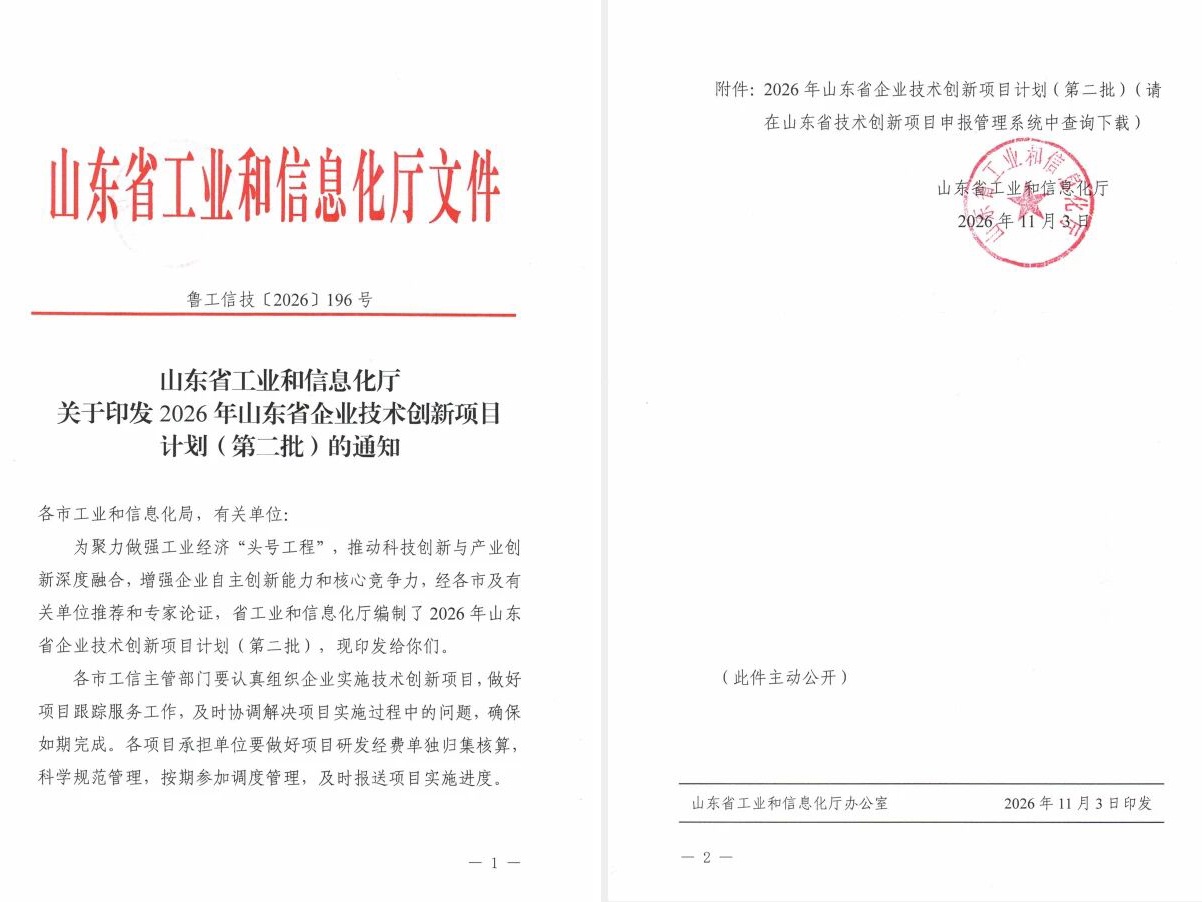
 Industry-Academia Collaboration Drives Breakthrough: Xiaoya Small Appliances’ "Smart Adaptive Hypochlorous Acid Electrolysis Module" Approved Under Shandong Provincial Enterprise Technology Innovation Program
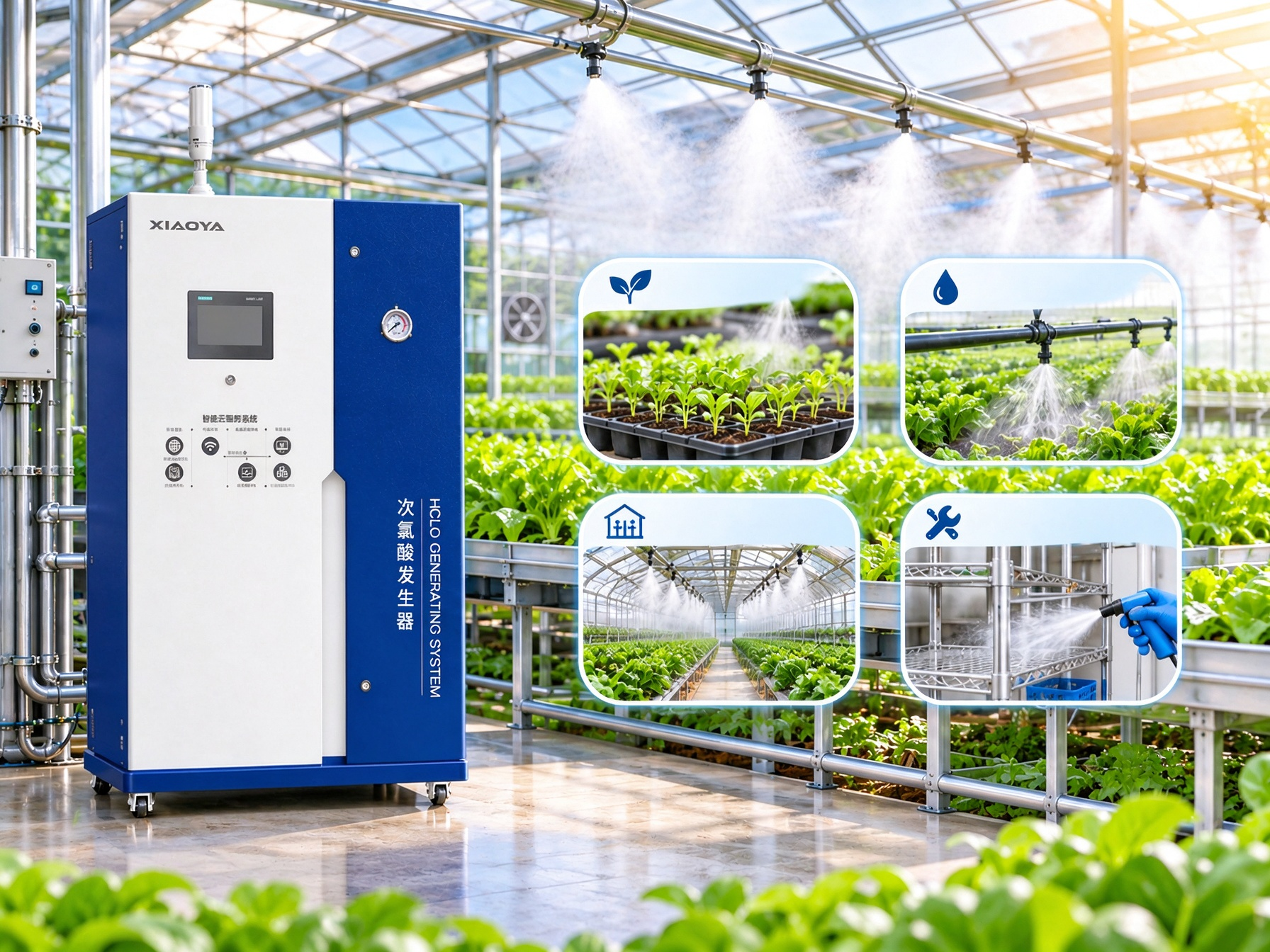
- Struggling with Strict Pesticide Residue Limits on Export Farms? This On-Site Disinfection Solution Helps Safeguard Your Quality Standards
- Hypochlorous Acid Water vs. Traditional Disinfectants
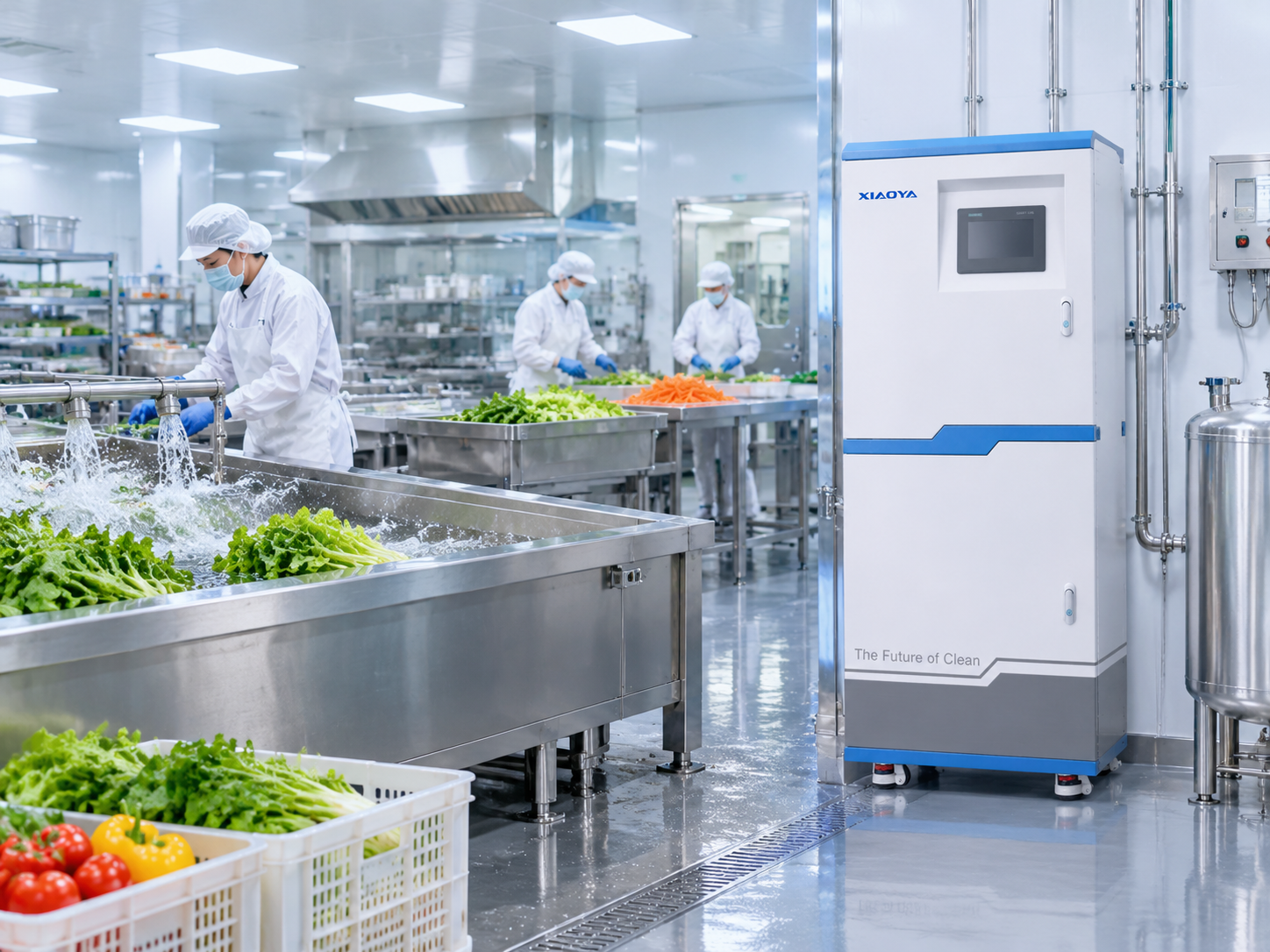
- Tighter Standards Force Disinfection Upgrades: Edible-Salt Hypochlorous Acid Generators Become the "New Standard" in Fresh-Cut Produce Processing
- XIAOYA CIP Electrolyzed Water Generators: On-Site Generation for Food & Beverage CIP Cleaning and Disinfection
Leave us a message

Xiaoya Group was founded in 1979,expert in the electrolyzed water industry.
Get in Touch
*We respect your confidentiality and all information are protected.