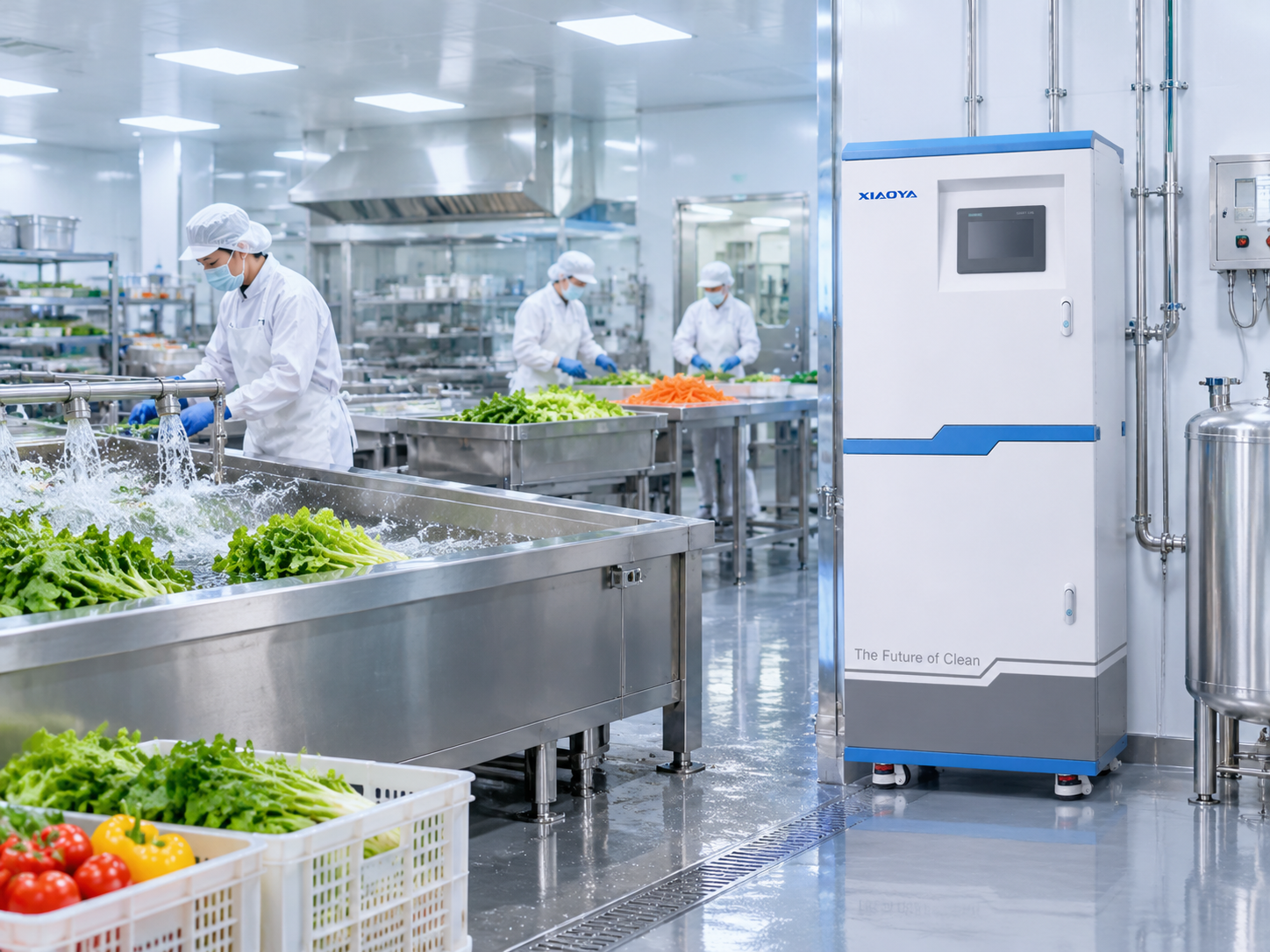
With the successive implementation of national standards such as Fresh-Cut Vegetables and General Specifications for Fresh-Cut Produce Production, fresh-cut produce processing has officially entered an era of strict "microbial limit" enforcement. Using edible salt as its sole raw material to generate hypochlorous acid on-site via electrolysis, the edible-salt hypochlorous acid generator—thanks to advantages like safe inputs, on-demand production, and no harmful residues—is becoming the "new standard" for end-to-end sanitation in fresh-cut facilities, covering everything from raw material washing and post-cut disinfection to equipment/utensil sanitization and environmental control.
As systems like the Agricultural Product Quality and Safety Promise Compliance Certificate continue to take hold, fresh-cut processors face rising demands for raw material traceability and process control. The crude "wash-and-cut-to-ship" model is no longer sustainable. Microbial control directly determines whether a company remains compliant and gains access to supermarket and foodservice supply chains—making sanitation and disinfection a "must-answer" requirement rather than an "optional" one.
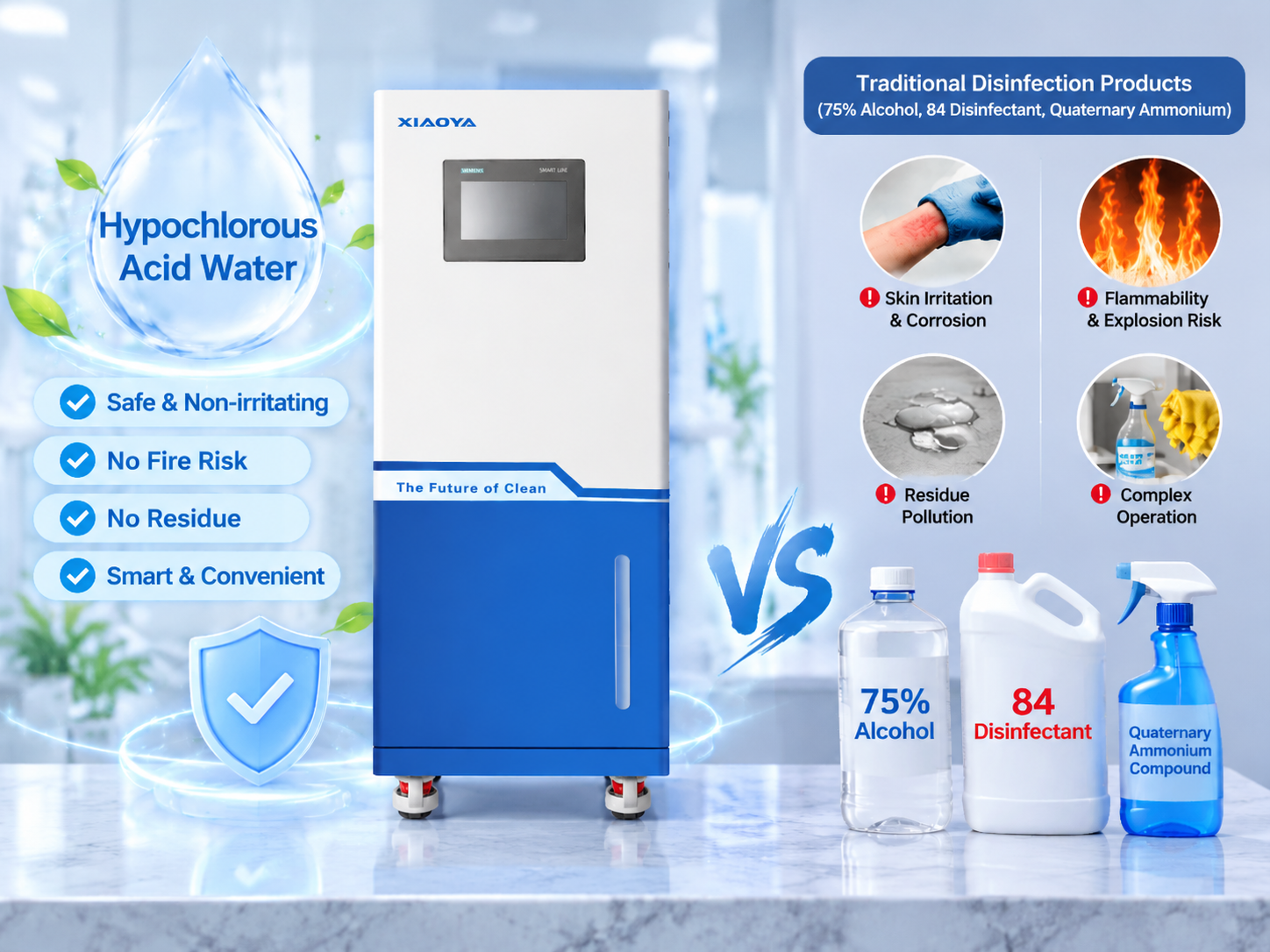
For a long time, chlorine-based sanitation in food plants relied heavily on sodium hypochlorite (household bleach/"84" disinfectant) or hydrochloric acid electrolysis systems. These require transport and manual dilution, making concentration stability difficult to maintain. Edible-salt hypochlorous acid generators offer an alternative: simply feed edible salt (sodium chloride) and water into the unit in proportion, and electrolysis produces high-purity hypochlorous acid ($text{HClO}$) sanitizing solution on-site—made on demand, in the exact volume needed.
From a scientific standpoint, hypochlorous acid molecules are electrically neutral and small in molecular weight, allowing them to rapidly penetrate microbial cell membranes and provide broad-spectrum kill against common foodborne pathogens such as E. coli and Salmonella. After sanitizing, it breaks down into water and trace chloride ions, leaving no harmful residues or harsh chlorine odor, and without damaging the natural color, texture, or nutritional value of fruits and vegetables.
For food processors, using edible salt (sodium chloride) means zero procurement barriers, no hazardous-chemical registration burdens, and much simpler record-keeping—making audits for food safety management systems like HACCP and ISO 22000 more straightforward and credible. Centered on the core fresh-cut workflow—receiving → washing → cutting → sanitizing → rinsing → dewatering → packaging → cold storage—edible-salt hypochlorous acid generators can supply tailored concentrations across multiple points on demand:
l Raw material washing and sanitization: Briefly soaking or spraying harvested and transported produce in hypochlorous acid water removes surface microbes and pesticide residues, reducing total aerobic counts and coliforms.
l Post-cut contamination prevention: Once leafy greens or fresh-cut fruits and vegetables are cut, exposed tissue is more vulnerable to microbial contamination; prompt sanitization after cutting significantly lowers surface colony counts and slows spoilage.
l Equipment and utensil cleaning: Enables Clean-in-Place (CIP) and surface disinfection for knives, cutting boards, wash tanks, conveyors, and processing machinery, helping prevent cross-contamination.
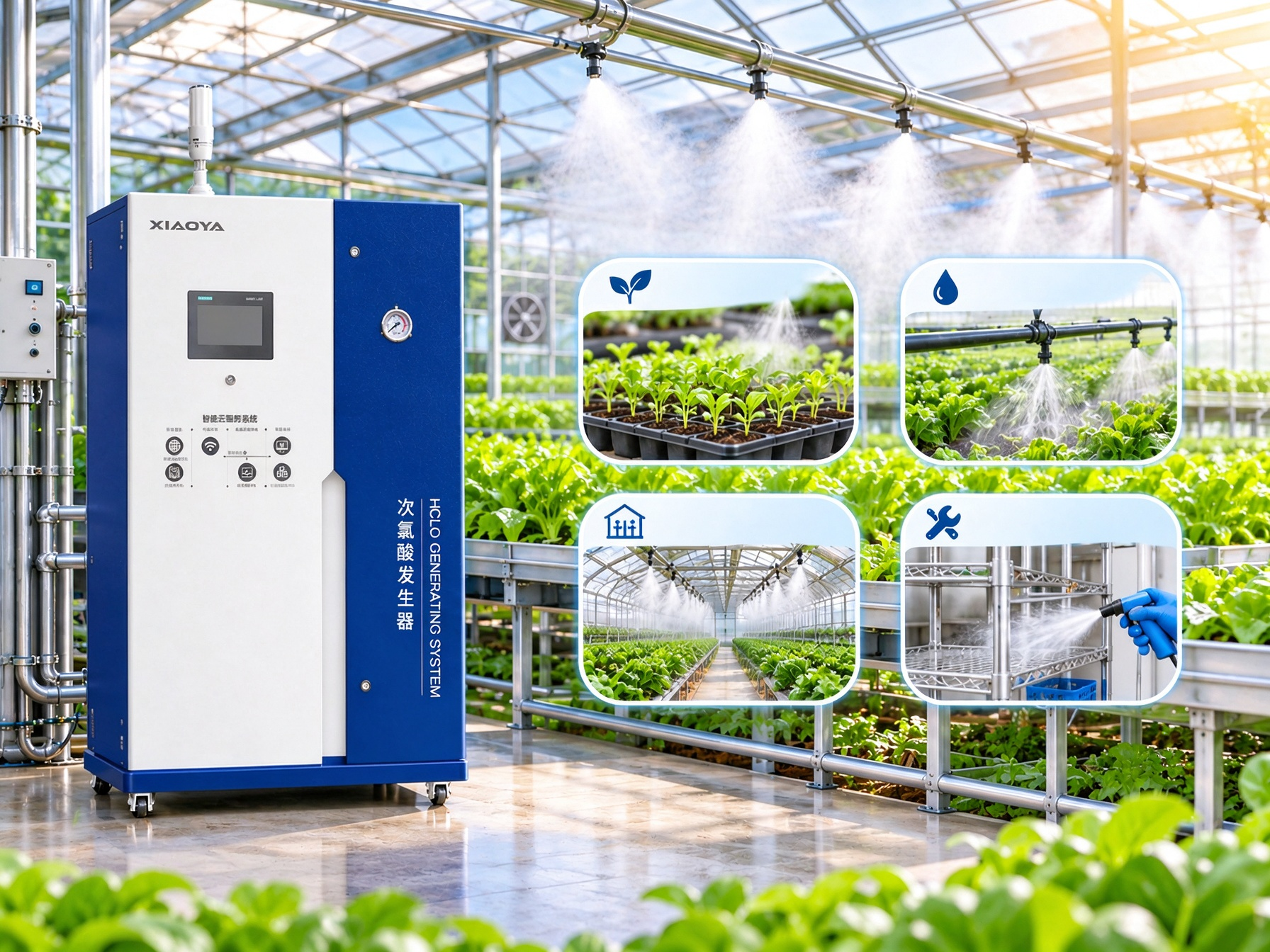
l Facility environment control: Combined with misting/fogging systems, hypochlorous acid water can sanitize plant air and floors to improve overall hygienic conditions.
l Cold-chain shelf-life synergy: Helps suppress ethylene production and slow nitrite accumulation, extending the shelf life of fresh-cut products.
Practical applications show that concentration and contact time must be precisely matched to each scenario. For fresh-cut produce immersion sanitization, an available chlorine level of 30–50 mg/L for 1–5 minutes generally achieves effective microbial reduction. For food-contact surfaces and equipment, per National Food Safety Standard: Disinfectants (GB 14930.2—2025), available chlorine is typically controlled at 100–200 mg/L, followed by a potable water rinse.
Related studies indicate that after hypochlorous acid treatment, total aerobic bacteria and coliform counts on fruits and vegetables drop markedly, and total plate counts on fresh-cut vegetables stored at 4°C can remain low over an extended period.
Notably, the newly issued Hygienic Requirements for Hypochlorous Acid Disinfectant Generators (WS/T 10053—2026) stipulates that compliant generators must produce solution in which hypochlorous acid accounts for more than 85% of available chlorine, while meeting national standards for oxidation-reduction potential (ORP) and residual chloride ions. This draws a clear line between "true hypochlorous acid" and conventional chlorine-based sanitizers, giving food processors an authoritative benchmark when selecting equipment.
Industry insiders note that as standardization and regulation accelerate across the fresh-cut sector, the value of the sanitation step is becoming increasingly clear: compliant disinfection equipment helps companies pass inspections and audits consistently, lowering the risk of product returns or delistings due to microbial violations, while longer shelf life and lower shrink translate directly into stronger profit margins.
Powered by edible salt, hypochlorous acid generators are giving fresh-cut processors a safer, more cost-effective, and lower-hassle layer of protection from raw input to finished pack. Looking ahead, supported by policy initiatives promoting fresh-cut produce and standardized ready-to-eat/prepared foods, edible-salt hypochlorous acid generators are poised to become a "new standard" in fresh-cut plant infrastructure—adding another green safeguard to food safety at the table.
NEWS
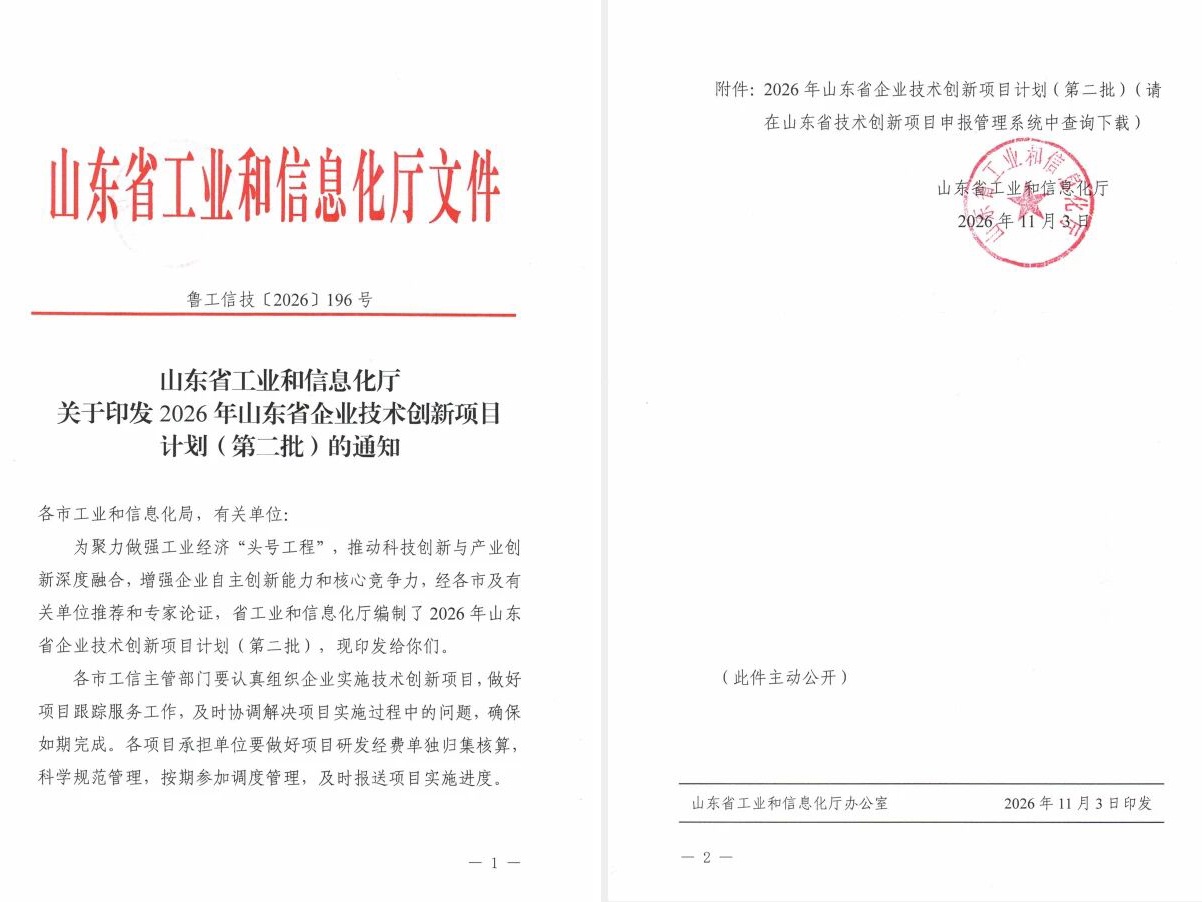
 Industry-Academia Collaboration Drives Breakthrough: Xiaoya Small Appliances’ "Smart Adaptive Hypochlorous Acid Electrolysis Module" Approved Under Shandong Provincial Enterprise Technology Innovation Program
- Struggling with Strict Pesticide Residue Limits on Export Farms? This On-Site Disinfection Solution Helps Safeguard Your Quality Standards
- Hypochlorous Acid Water vs. Traditional Disinfectants
- Tighter Standards Force Disinfection Upgrades: Edible-Salt Hypochlorous Acid Generators Become the "New Standard" in Fresh-Cut Produce Processing
- XIAOYA CIP Electrolyzed Water Generators: On-Site Generation for Food & Beverage CIP Cleaning and Disinfection
Leave us a message

Xiaoya Group was founded in 1979,expert in the electrolyzed water industry.
Get in Touch
*We respect your confidentiality and all information are protected.