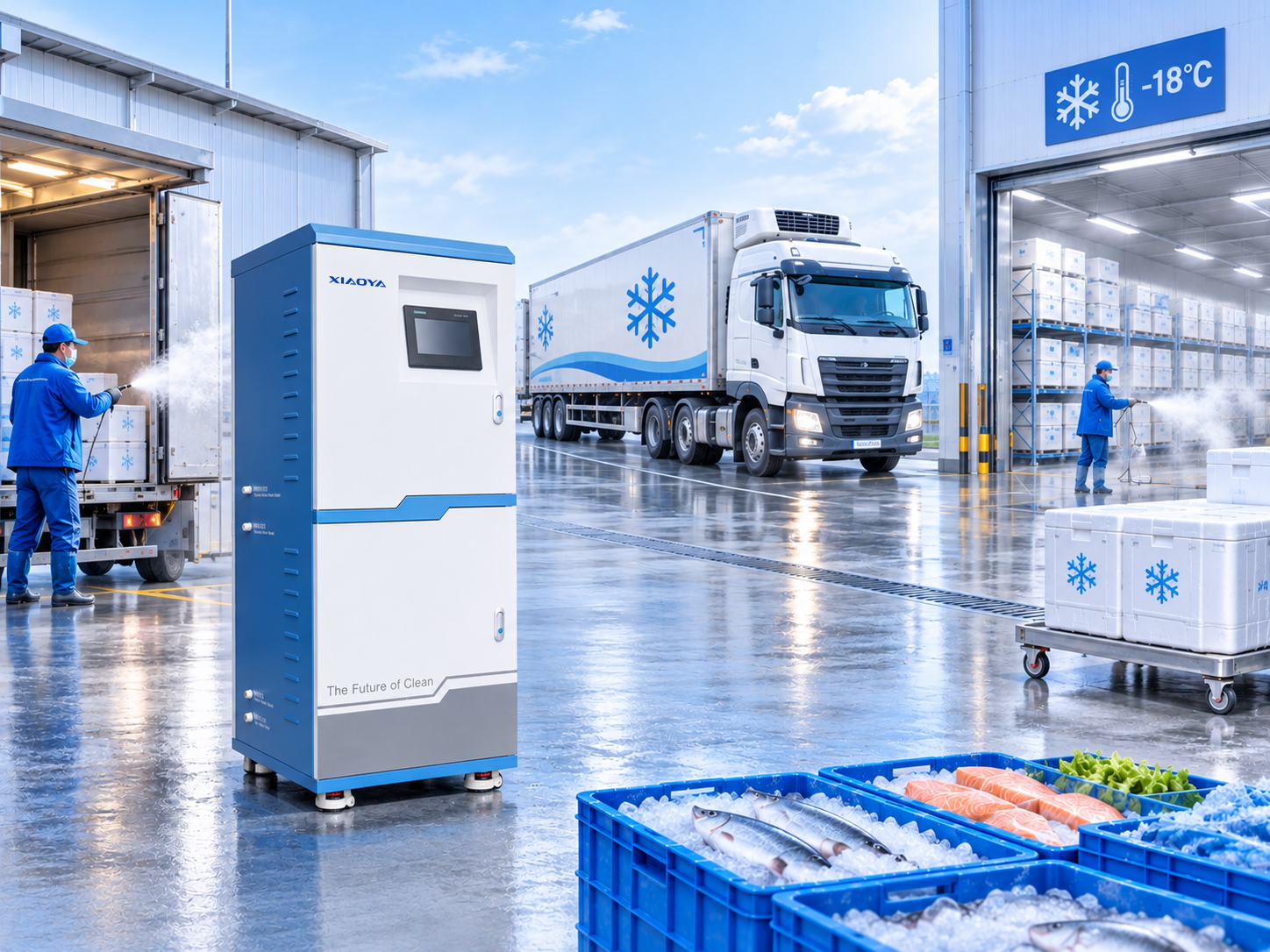
The Evolving Challenges of Cold Chain Transportation
In recent years, the rapid growth of fresh food e-commerce, ready-to-cook meal products, and cold chain logistics has changed the way the industry approaches transportation. Cold chain management is no longer just about maintaining the right temperature; it increasingly requires the combined control of temperature and microorganisms.
As the sector continues to expand, mandatory national standards in China, including the National Food Safety Standard—Hygienic Specifications for Food Cold Chain Logistics (GB 31605-2020), have set clear requirements for the cleaning and disinfection of cold chain facilities, equipment, and transport vehicles. Sanitation throughout the cold chain has therefore become a critical part of food safety management.
Three Major Challenges in Cold Chain Disinfection: Low Temperatures, Odors, and Chemical Residues
The unique conditions found in cold chain environments can limit the effectiveness and practicality of conventional disinfection methods.
1. Reduced effectiveness at low temperatures. The activity of many conventional disinfectants can decline significantly under refrigerated conditions (0°C to 10°C) and frozen conditions (≤ -18°C), making effective disinfection more difficult.
2. Persistent contamination in vehicles and cold storage facilities. Fresh food transport compartments, reusable crates, and cold-room floors and walls can accumulate blood, food juices, and condensation. These residues can create favorable conditions for bacteria and mold, as well as unpleasant odors. They may also contaminate subsequent loads, creating a cycle of cross-contamination.
3. The risk of chemical residues. Traditional chlorine-based disinfectants may have strong odors and corrosive properties. Direct contact with food can affect its color and taste, while concerns about chemical residues raise additional food safety issues.
A Technology-Driven Solution: Produce Disinfectant On-Site with a Salt-Based Hypochlorous Acid Generator
Against this backdrop, salt-based hypochlorous acid generators—built around the electrolysis of salt water—are attracting growing attention across the cold chain industry.
The operating principle is straightforward: using food-grade salt, purified water, and electricity as inputs, the generator produces slightly acidic hypochlorous acid (HOCl) water on-site through electrolysis. The available chlorine concentration can be adjusted with precision. This on-demand production model can reduce the need to store and handle concentrated disinfectant chemicals and may avoid the need for dedicated hazardous-chemical storage facilities. Operators do not need to handle concentrated chemical products.
From a microbiological perspective, hypochlorous acid (HOCl) is also a naturally occurring antimicrobial substance produced by human white blood cells as part of the body's defense against pathogens. At a slightly acidic pH of 5.0–6.5, the solution offers strong antimicrobial activity while remaining relatively mild. After use, it rapidly breaks down, ultimately leaving water, with no persistent chemical residue or harsh odor. It is presented as a disinfectant suitable for food-contact applications, with its safety recognized by authoritative organizations in China and abroad.
Another important advantage is its reported ability to maintain stable antimicrobial activity at low temperatures—an attribute that aligns particularly well with the demanding conditions of cold chain transportation.
Practical Applications: Disinfection Across the Entire Cold Chain
In day-to-day cold chain operations, salt-based hypochlorous acid generators can support sanitation at every stage—from before loading and during transportation to storage and the handling of reusable containers.
1. Disinfecting Refrigerated Vehicles and Shipping Containers
Before dispatch and after unloading, a 100–200 ppm hypochlorous acid solution can be applied by misting or rinsing the interior walls, floors, and reusable handling equipment. This helps eliminate residual pathogens and break down odor-causing compounds generated by spoiled food juices, reducing the risk of contamination being carried from one load to the next.
2. Controlling Microbial Growth and Odors in Cold Storage
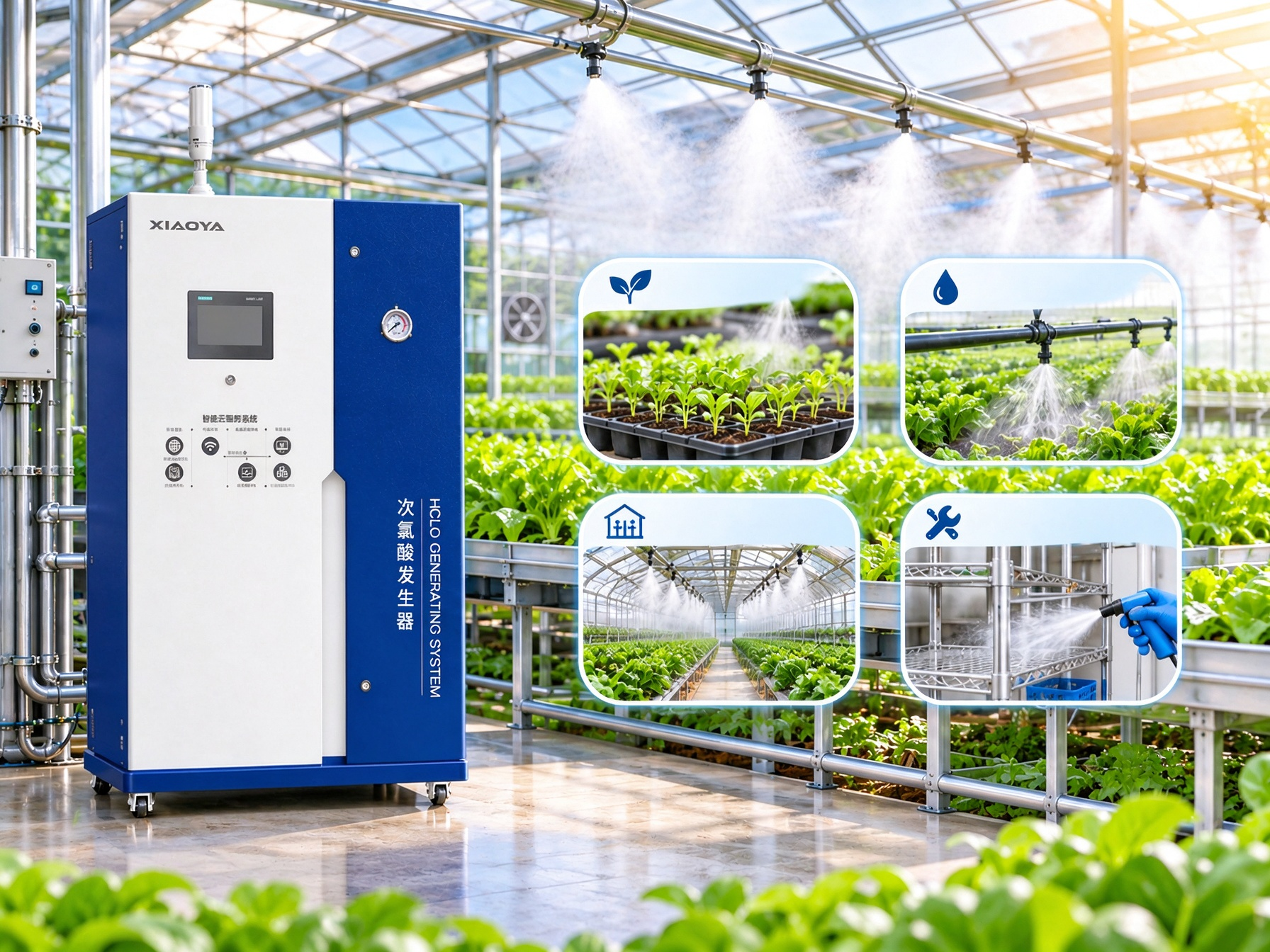
Misting systems can be installed in cold rooms for scheduled spraying. This helps suppress the growth of mold and bacteria on walls, shelving, and in the air, supporting a cleaner storage environment and potentially reducing product spoilage during storage.
3. Extending the Freshness of Fresh Food
One of the most promising extensions of hypochlorous acid technology is its use in making disinfectant ice. Ice prepared with hypochlorous acid water can be placed around seafood. As it melts gradually, it releases low concentrations of available chlorine, helping inhibit microbial regrowth.
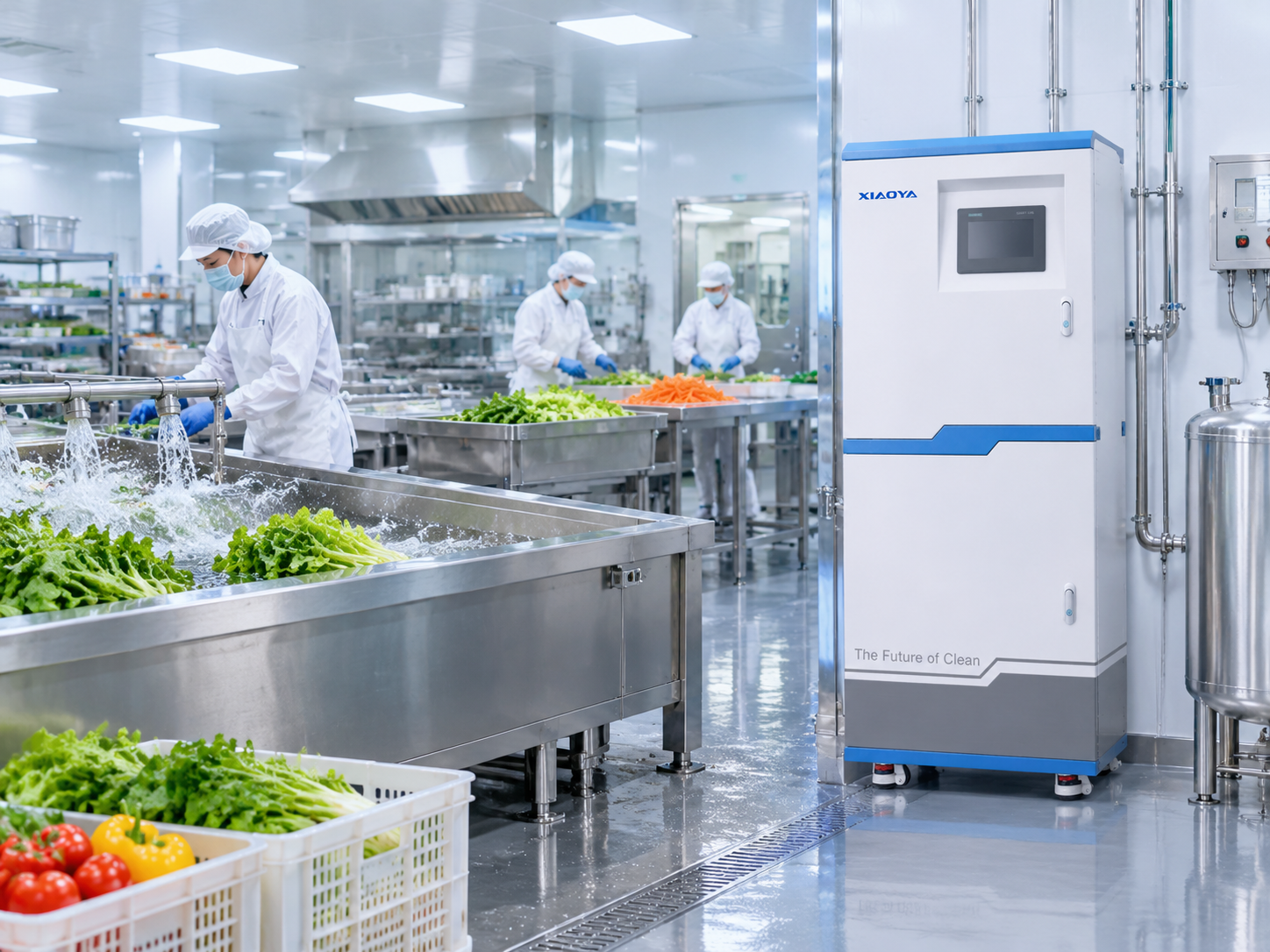
According to industry application data cited in the source material, treatment has reduced surface bacterial counts by more than 99.9% and extended the shelf life of premium seafood such as tuna by 4–5 days. For fruits and vegetables, immersion or misting treatment has been reported to extend storage life by more than 30%. Fresh-cut vegetables treated with 50 mg/L slightly acidic electrolyzed water can maintain very low total microbial counts under refrigerated conditions, while also showing advantages in moisture retention, crispness, and browning control compared with conventional treatments.
4. Disinfecting Reusable Crates and Packaging
Reusable produce crates, foam boxes, and packaging materials can be disinfected in batches by rinsing or washing. This helps address hidden sources of contamination throughout the logistics and handling process.
From Operating Expense to Business Value: A New Option for Cold Chain Operators
For cold chain logistics companies, the value of a salt-based hypochlorous acid generator goes beyond meeting sanitation requirements. First, its primary inputs are salt and water, which can make operating costs significantly lower than repeatedly purchasing ready-made disinfectant solutions. Second, reduced product losses and longer shelf life can translate directly into financial benefits.
Industry estimates suggest that extending the shelf life of fruit and vegetables by just 1–2 days during cold chain distribution can significantly reduce losses in transit and the risk of cross-contamination.
As standards such as GB 31605-2020 continue to raise expectations for cold chain hygiene, and as fresh food e-commerce places greater emphasis on product traceability and environmental responsibility, electrolytic hypochlorous acid technology—with its on-site production model and low-residue profile—is moving from an optional advantage toward a standard feature of modern cold chain operations.
Looking ahead, salt-based hypochlorous acid generators may become an important part of next-generation cold chain infrastructure, working alongside temperature-control systems to provide an additional layer of microbial protection for every shipment of fresh food.
NEWS
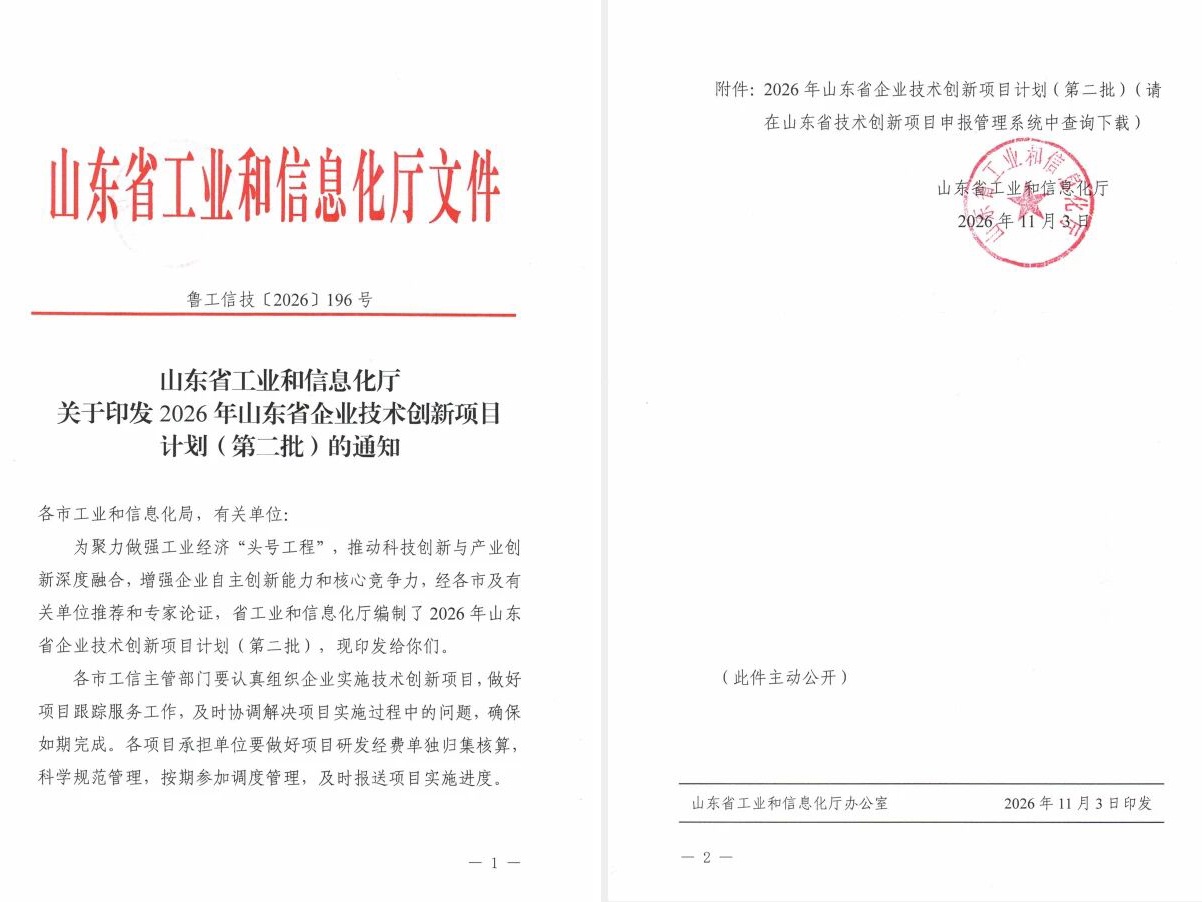
 Industry-Academia Collaboration Drives Breakthrough: Xiaoya Small Appliances’ "Smart Adaptive Hypochlorous Acid Electrolysis Module" Approved Under Shandong Provincial Enterprise Technology Innovation Program
- Struggling with Strict Pesticide Residue Limits on Export Farms? This On-Site Disinfection Solution Helps Safeguard Your Quality Standards
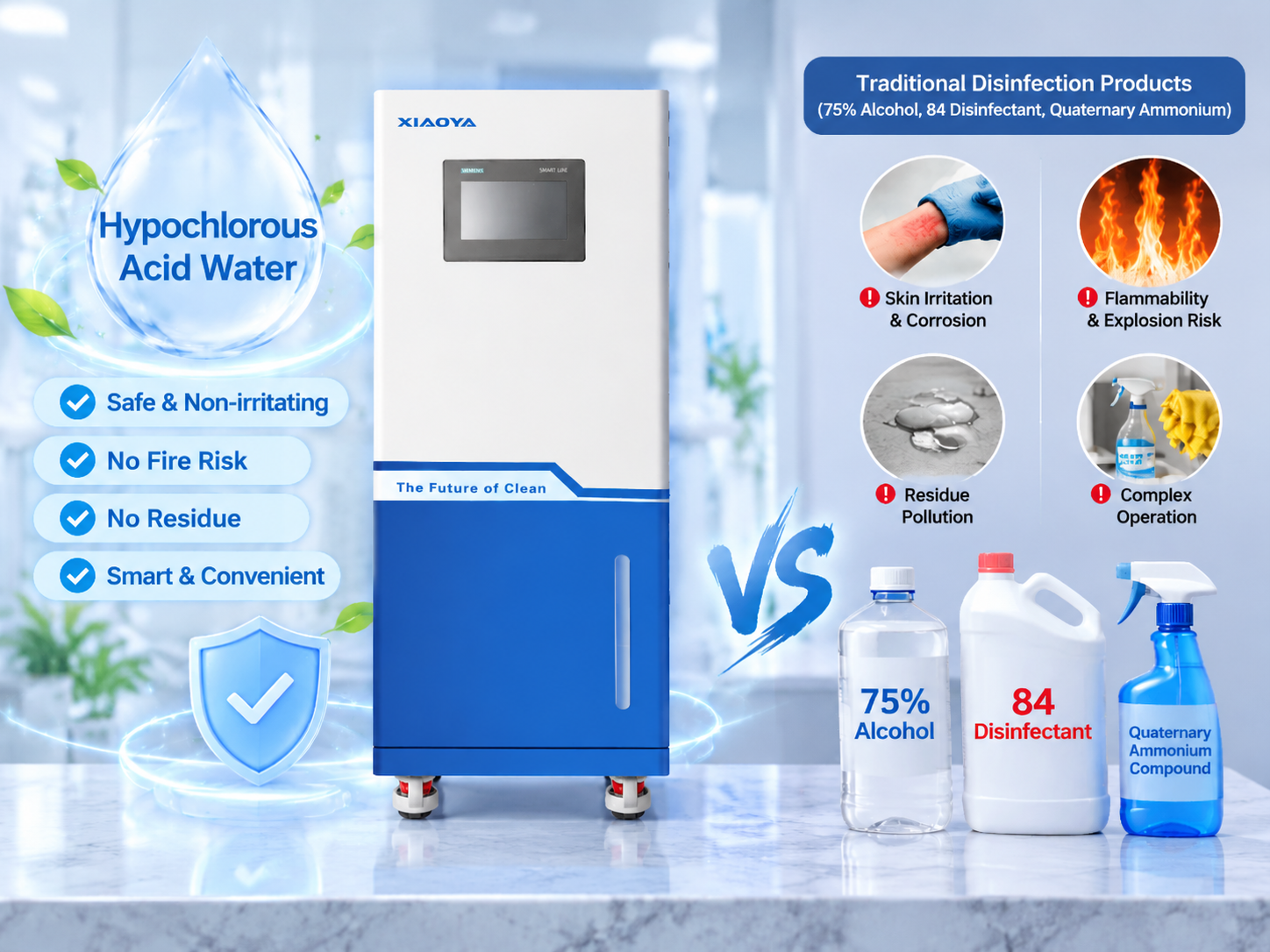
- Hypochlorous Acid Water vs. Traditional Disinfectants
- Tighter Standards Force Disinfection Upgrades: Edible-Salt Hypochlorous Acid Generators Become the "New Standard" in Fresh-Cut Produce Processing
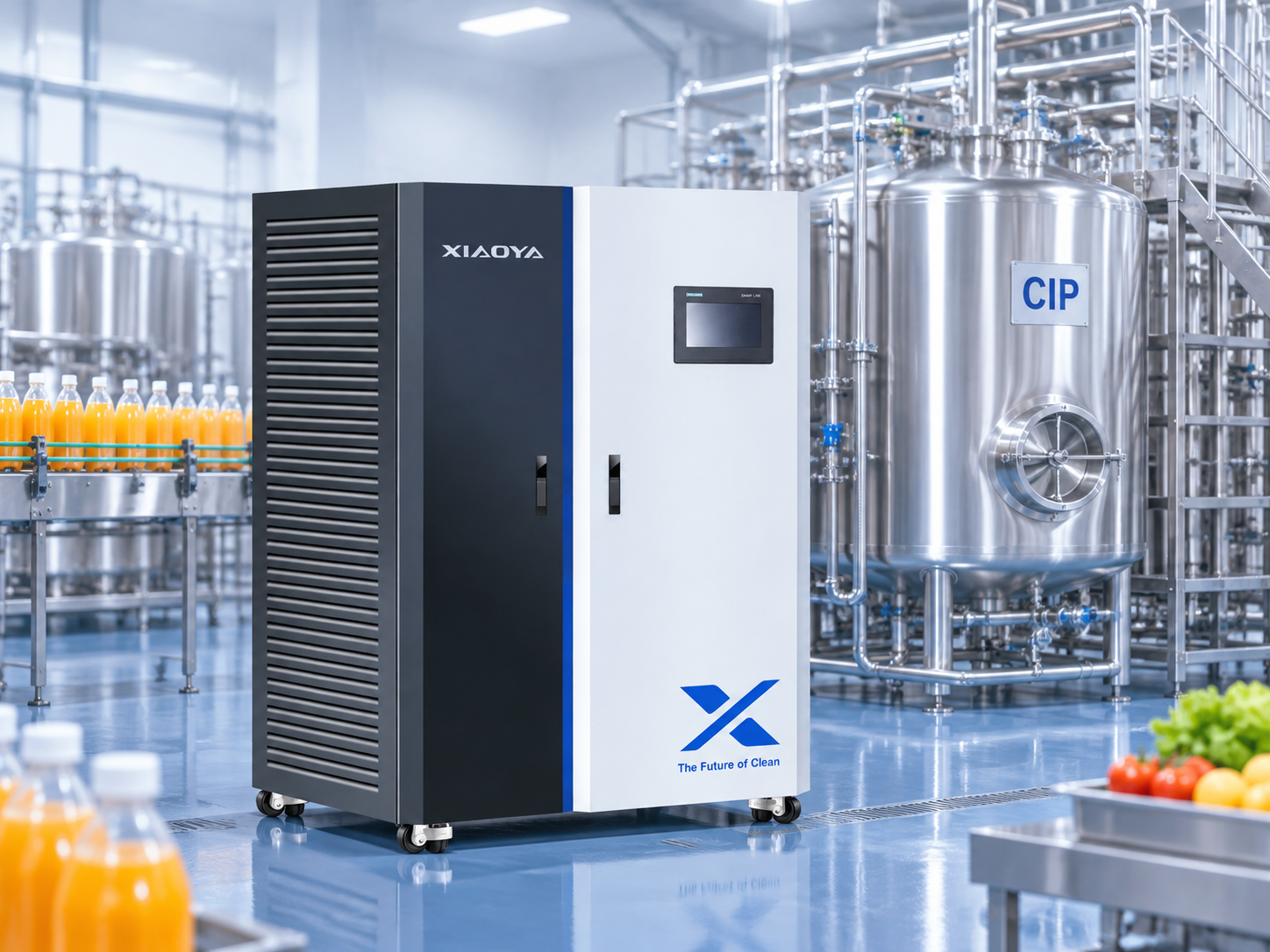
- XIAOYA CIP Electrolyzed Water Generators: On-Site Generation for Food & Beverage CIP Cleaning and Disinfection
Leave us a message

Xiaoya Group was founded in 1979,expert in the electrolyzed water industry.
Get in Touch
*We respect your confidentiality and all information are protected.