news
Introduction
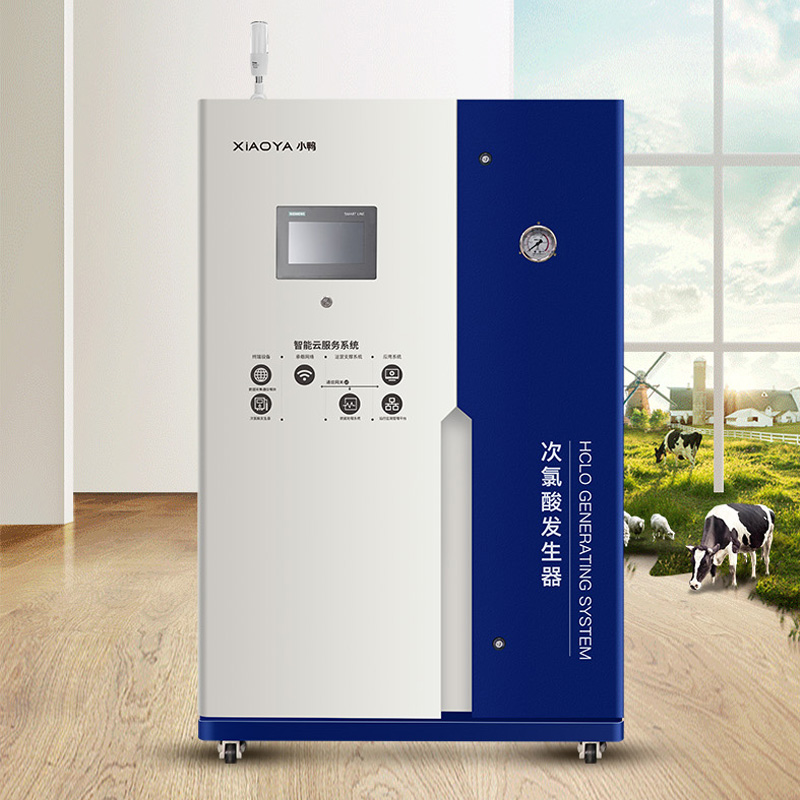
Is your HClO generator underperforming or showing unexpected errors? This comprehensive troubleshooting guide helps operators, technicians, and evaluators quickly diagnose and resolve common issues with hypochlorous acid generators. Whether you're maintaining disinfection systems in healthcare, food service, or household applications, learn professional techniques to optimize your HClO generator's performance and extend its service life.
Common Issues and Solutions for HClO Generators
Hypochlorous acid (HClO) generators are essential for disinfection in various industries, but like any automated equipment, they can encounter operational challenges. Below, we outline the most frequent issues and provide step-by-step solutions to ensure your system runs smoothly.
1. Low Chlorine Output
One of the most common issues with HClO generators is low chlorine output, which can compromise disinfection effectiveness. This problem often stems from:
- Insufficient Salt Concentration: Ensure the brine solution has the correct salt-to-water ratio (typically 0.5%–3%).
- Electrode Degradation: Over time, electrodes may wear out. Regular inspection and cleaning can prolong their lifespan.
- Flow Rate Issues: Check the water flow rate to ensure it matches the manufacturer's specifications.
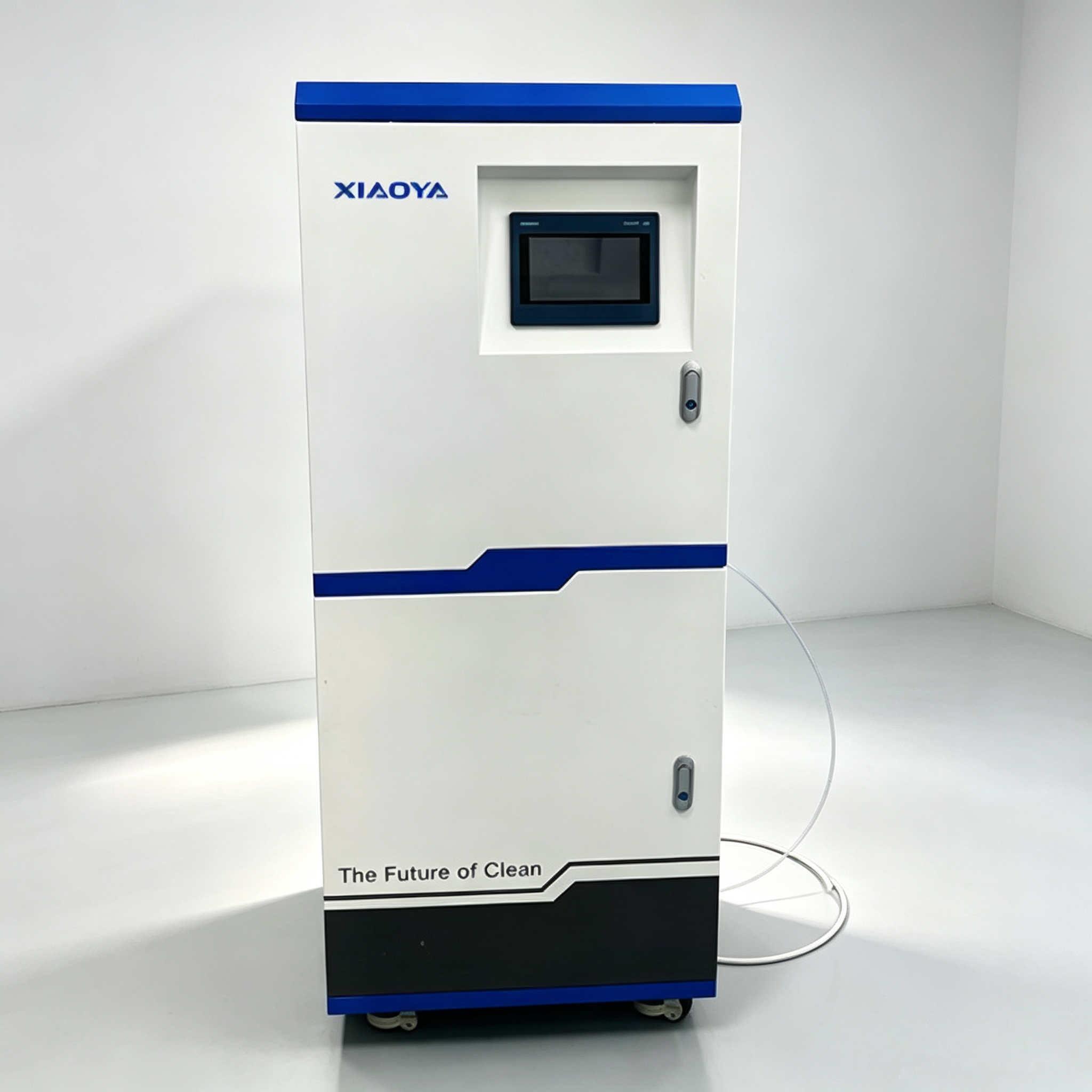
For advanced systems like the AQ-P100-4G Hypochlorous acid(HClO)generator, PLC control and real-time monitoring can help detect and adjust these parameters automatically.
2. Unstable Operation or Frequent Shutdowns
If your HClO generator frequently shuts down or operates inconsistently, consider the following:
- Power Supply Issues: Verify that the voltage and current are stable. Voltage fluctuations can trigger safety shutdowns.
- Sensor Malfunctions: Faulty pH or ORP sensors may send incorrect signals to the control system. Calibrate or replace them as needed.
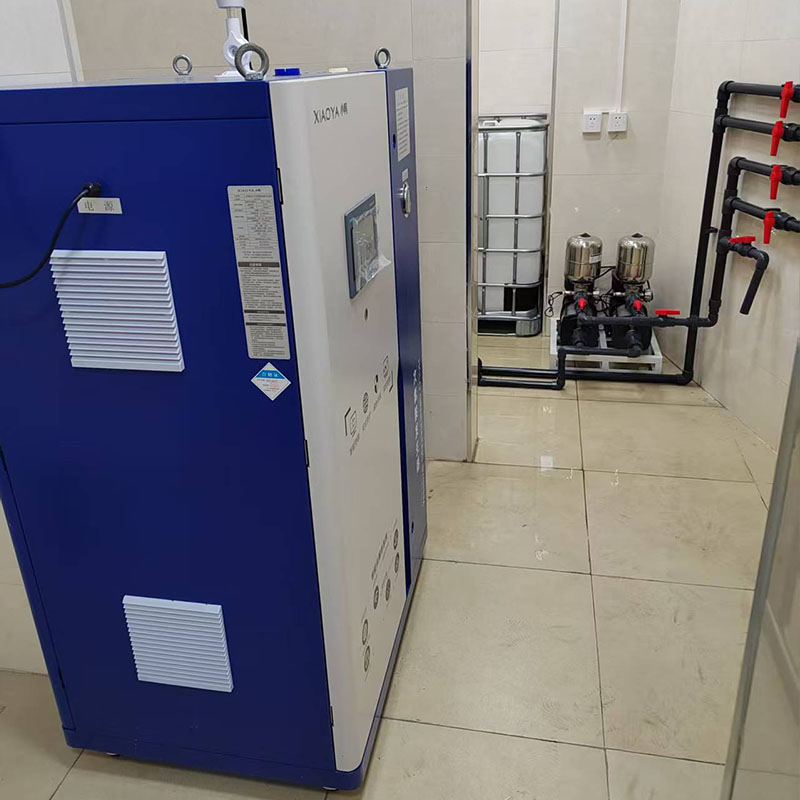
- Overheating: Ensure proper ventilation and cooling for the electrolytic cell.
Modern generators, such as the AQ-P100-4G model, feature fault alarm systems to alert users of these issues promptly.
3. Poor Disinfection Performance
If the generated hypochlorous acid isn't achieving the desired disinfection results, evaluate these factors:
- Concentration Settings: Adjust the available chlorine concentration (typically 10–80 ppm) based on application requirements.
- Water Quality: Hard water or high levels of organic matter can reduce HClO efficacy. Pre-filtration may be necessary.
- Contact Time: Ensure the disinfectant has sufficient time to act on surfaces or in water.
The AQ-P100-4G Hypochlorous acid(HClO)generator offers adjustable concentration settings and high flow rates to optimize disinfection performance.
4. Excessive Liquid Consumption
High liquid consumption can increase operational costs. To mitigate this:
- Check for Leaks: Inspect tubing, connections, and the electrolytic cell for leaks.
- Optimize Electrolysis Efficiency: Clean electrodes regularly and ensure the brine solution is properly mixed.
- Monitor Flow Rates: Excessive flow rates can lead to wasteful liquid usage.
Energy-efficient models like the AQ-P100-4G are designed with stable electrolytic cell operation and low liquid consumption to minimize waste.
5. Integration with External Systems
For users connecting their HClO generator to external storage or disinfection systems, compatibility is key. Issues may arise from:
- Communication Errors: Ensure the 4G module (if equipped) is properly configured and connected.
- Pressure Mismatches: Verify that the external system's pressure aligns with the generator's output.
- Software Compatibility: Update firmware or software to the latest version to avoid glitches.
The optional 4G module in the AQ-P100-4G model simplifies integration with external systems, providing seamless operation.
Conclusion
Troubleshooting your HClO generator doesn't have to be daunting. By addressing common issues like low chlorine output, unstable operation, and poor disinfection performance, you can maintain optimal efficiency and extend the lifespan of your equipment. For advanced features such as PLC control, real-time monitoring, and energy-efficient operation, consider upgrading to a reliable model like the AQ-P100-4G Hypochlorous acid(HClO)generator.
Ready to enhance your disinfection system? Explore our solutions today and ensure your facility meets the highest standards of safety and efficiency.
NEWS
 Public Facility HOCl Storage: Managing Heat, Light, and Shelf Life
 On-Site HOCl vs. Purchased Disinfectant for Municipal Buildings
- Sizing a Public Facility HOCl Generator for Peak Cleaning Demand
- What Can a Hypochlorous Acid Generator Do for Public Facility Cleaning?
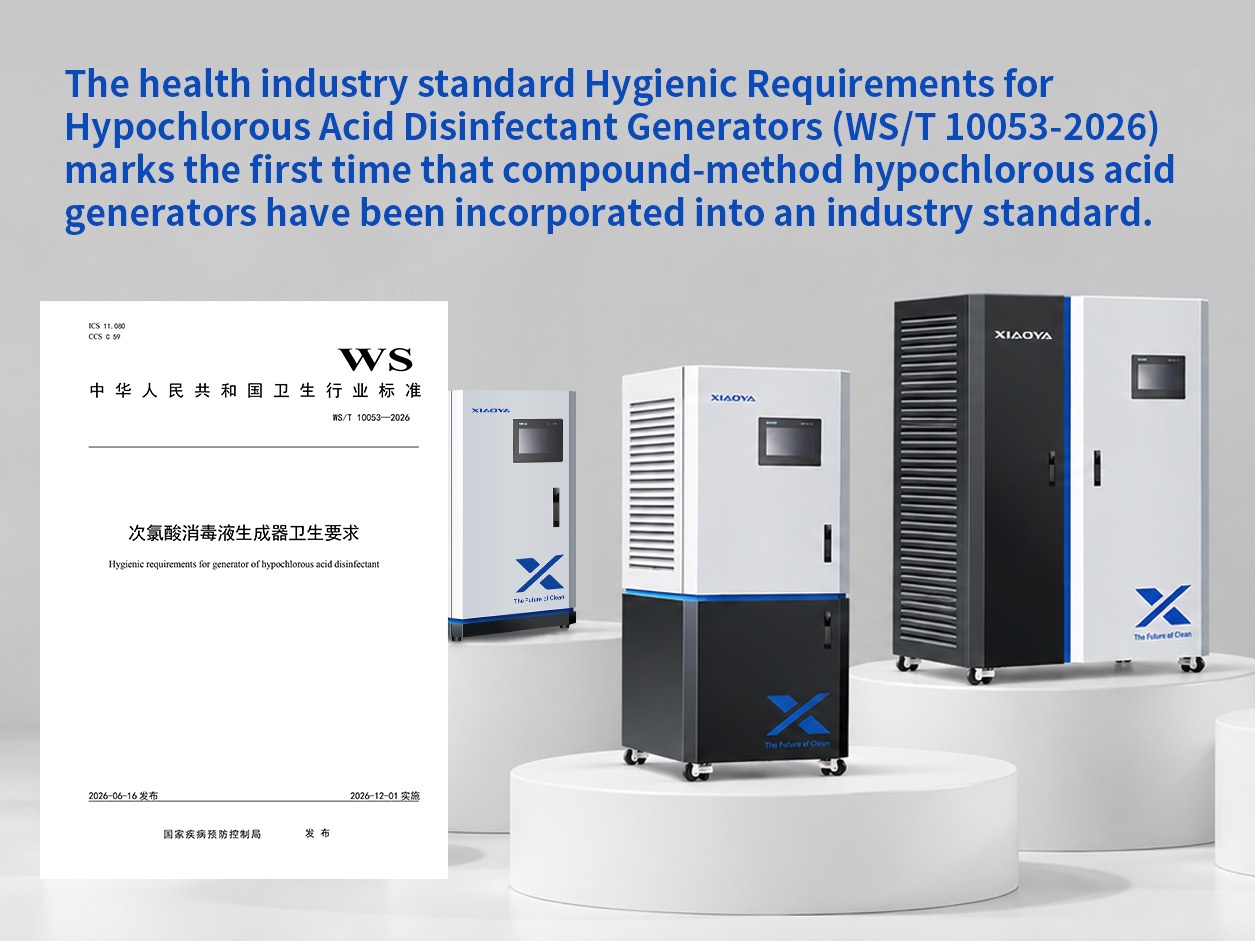
 WS/T 10053-2026 Includes the Compound Method for the First Time: Standard Signals and Market Opportunities for Mass Agricultural Production of Hypochlorous Acid Generators

Leave us a message

Xiaoya Group was founded in 1979,expert in the electrolyzed water industry.
Get in Touch
*We respect your confidentiality and all information are protected.