




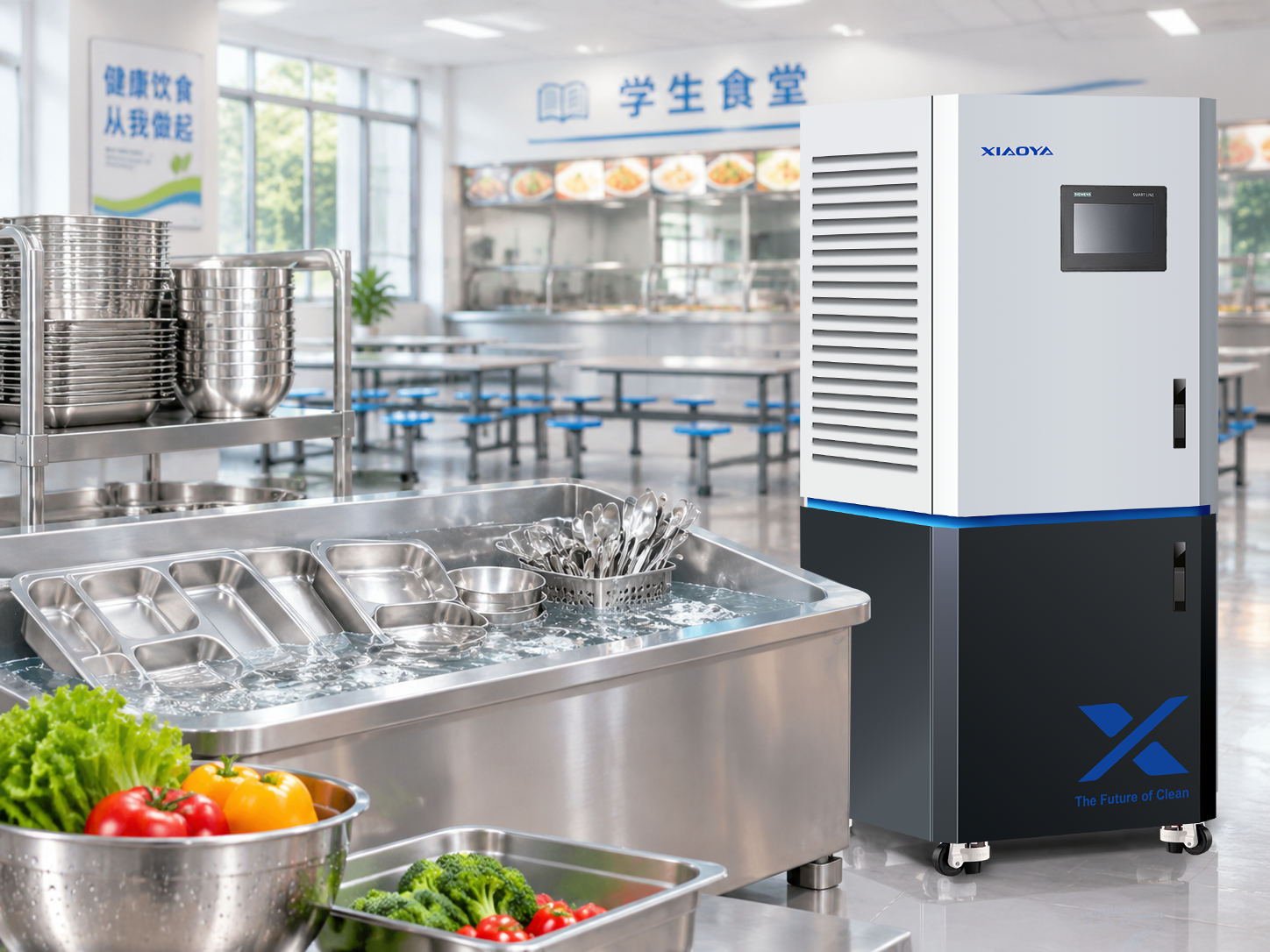
Recently, China's State Council Food Safety Office, the Ministry of Education, and the State Administration for Market Regulation jointly issued a supervision and inspection work plan for elementary schools and kindergartens to fulfill primary food safety responsibilities. The plan calls for close oversight of vulnerable links—including ingredient sourcing and control, food preparation processes, tableware washing and sanitization, and facility sanitation—while stepping up penalties for violations. At the same time, the General Office of the Ministry of Education released the "Ten Musts for School Food Safety" and the "Ten Prohibitions for School Cafeteria Staff," explicitly requiring school cafeterias to wash and sanitize tableware strictly according to regulations and banning unthoroughly sanitized tableware or the reuse of disposable tableware. Starting October 1 this year, the first batch of national standards for central kitchens—covering construction requirements and operational management norms—took effect, setting detailed rules for ingredient procurement and inspection, cooking and processing, and testing and sample retention.
From school cafeterias to central kitchens, and from dishwashing to food prep, a push to standardize school meal hygiene around "sanitization safety" is picking up speed. For hundreds of thousands of elementary school and kindergarten cafeterias nationwide, choosing a sanitization approach that is safe, effective, and residue-free has become an essential test to pass.
Why Traditional Cafeteria Sanitization Falls Short
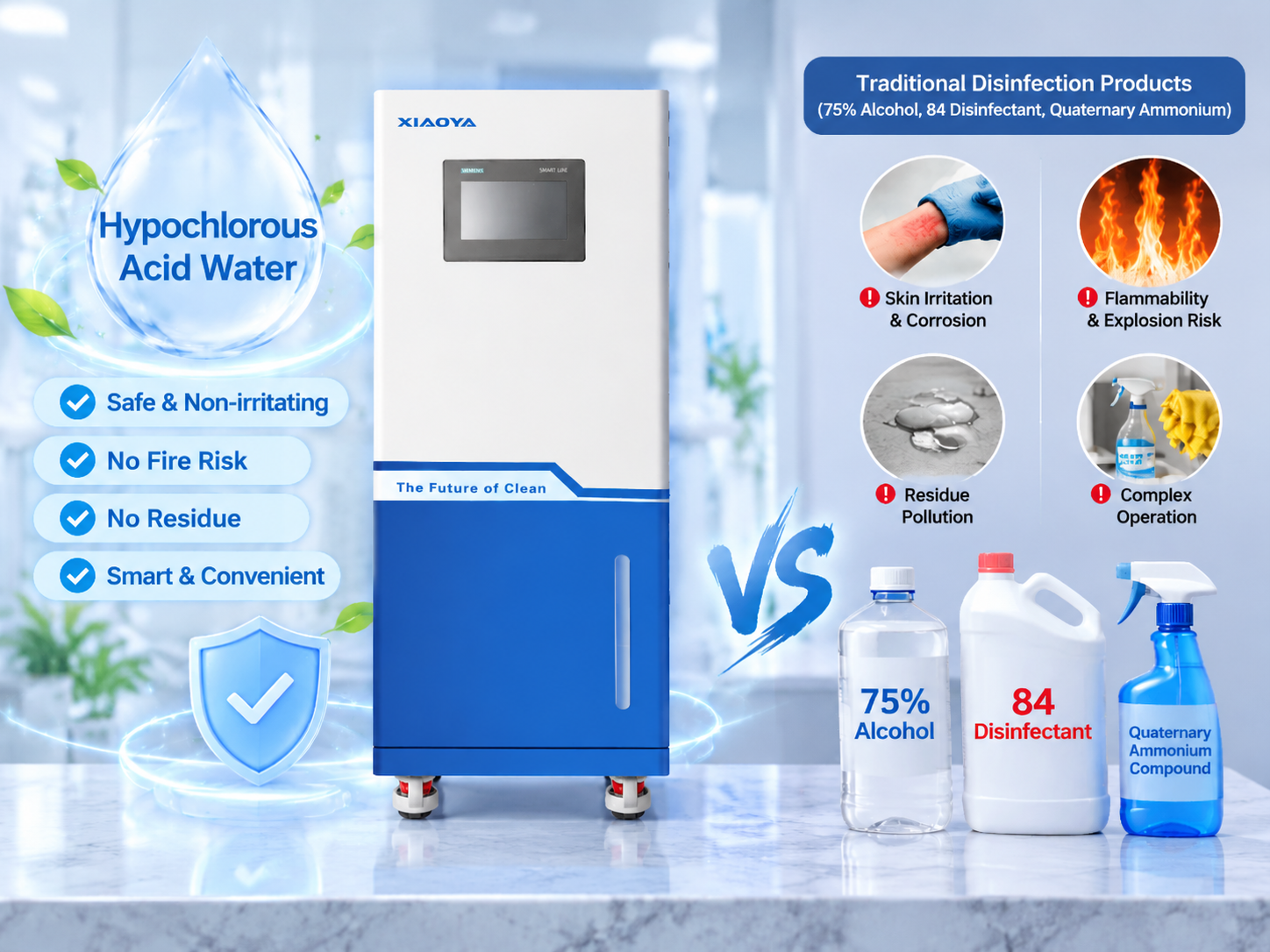
For a long time, school cafeterias have relied heavily on conventional chlorine-based sanitizers and alcohol. While widely used, these methods have clear drawbacks in school settings:
· Harsh fumes and operator discomfort: Traditional disinfecting solutions often have strong, irritating odors that can cause discomfort when cafeteria staff are exposed to them over time.
· Residue risks: Some products require thorough rinsing after use; if residue is left behind on plates, utensils, prep counters, or other surfaces, it can pose health risks to students and teachers.
· Trial-and-error dilution: Manual mixing often relies on guesswork—too high a concentration corrodes equipment and damages tableware, while too low a concentration fails to meet sanitization standards—making it hard to keep up with high-frequency, high-volume cafeteria demands.
How Electrolyzed Water Sanitization Works
Against this backdrop, electrolyzed water sanitization technology is gaining traction in school cafeterias. Using electrolysis with only pure water and food-grade salt, these systems generate slightly acidic electrolyzed water (SAEW) sanitizing solution on-site and on demand, eliminating the need to stockpile or manually mix chemical concentrates.
The resulting solution has a mild active profile and naturally breaks down into water and trace salt after sanitizing, leaving no chemical residue and no harsh chemical smell. It offers broad-spectrum antimicrobial activity against common cafeteria pathogens such as Escherichia coli and Staphylococcus aureus. According to related testing data, when used properly, it achieves a 99.99% reduction rate against common pathogens. Smart controls handle dosing and concentration adjustments automatically with one-touch operation—no dedicated specialist required—lowering both operational hurdles and labor costs for cafeteria teams.
Multi-Point Coverage Across the Cafeteria
In practice, electrolyzed water sanitizing solution can cover multiple sanitation stages in a school cafeteria:
· Tableware washing and sanitization: Can substitute for traditional chlorine-based soaking to sanitize plates, bowls, chopsticks, and spoons without needing a secondary rinse, helping prevent chemical residue.
· Ingredient pre-processing: Can be used to soak and wash fruits and vegetables, helping reduce surface microbes and certain pesticide residues without compromising texture or nutritional value.
· High-touch surfaces: Can be applied via daily wiping or spraying on prep counters, knives, cutting boards, refrigerator handles, and other frequently touched points.
· Indoor air: Supports dynamic air sanitization while people are present, without requiring room evacuation or disrupting normal meal service.
A single system can address tableware, ingredients, surfaces, and air, helping cafeterias build end-to-end sanitation from receiving to serving.
Key Advantages Over Conventional Methods
Compared with traditional sanitization approaches, electrolyzed water technology stands out in four areas:
· Safety: Mild, non-irritating, and residue-free without a second rinse, reducing chemical residue risks.
· Efficiency: Broad-spectrum and fast-acting, helping quickly lower microbial loads on tableware and work surfaces.
· Smart control: Automated dosing and adjustable concentration reduce human mixing error and simplify standardized management.
· Compliance and sustainability: On-site generation cuts bottled sanitizer purchasing, storage, and plastic waste, aligning with green campus goals and central kitchen standardization.
Looking Ahead
Industry experts note that as school food safety oversight tightens and national central kitchen standards take effect, sanitization benchmarks for school cafeterias and meal providers will keep rising. Limitations of traditional disinfectants—odor, residue, and cumbersome handling—are pushing cafeteria hygiene toward greener, smarter solutions. Combining safety, efficiency, and compliance, electrolyzed water sanitization offers strong fit and scalability across school foodservice. As accountability for school food safety is enforced more rigorously, safe, green, and smart electrolyzed water systems are poised to become a core part of cafeteria and off-site meal-provider sanitation setups, giving students and staff more dependable protection at mealtime.
NEWS
 Tighter School Meal Food Safety Rules: How Electrolyzed Water Sanitization Can Guard Cafeteria Hygiene
- The Water You Soak Seeds In Is Actually Your First Line of Defense
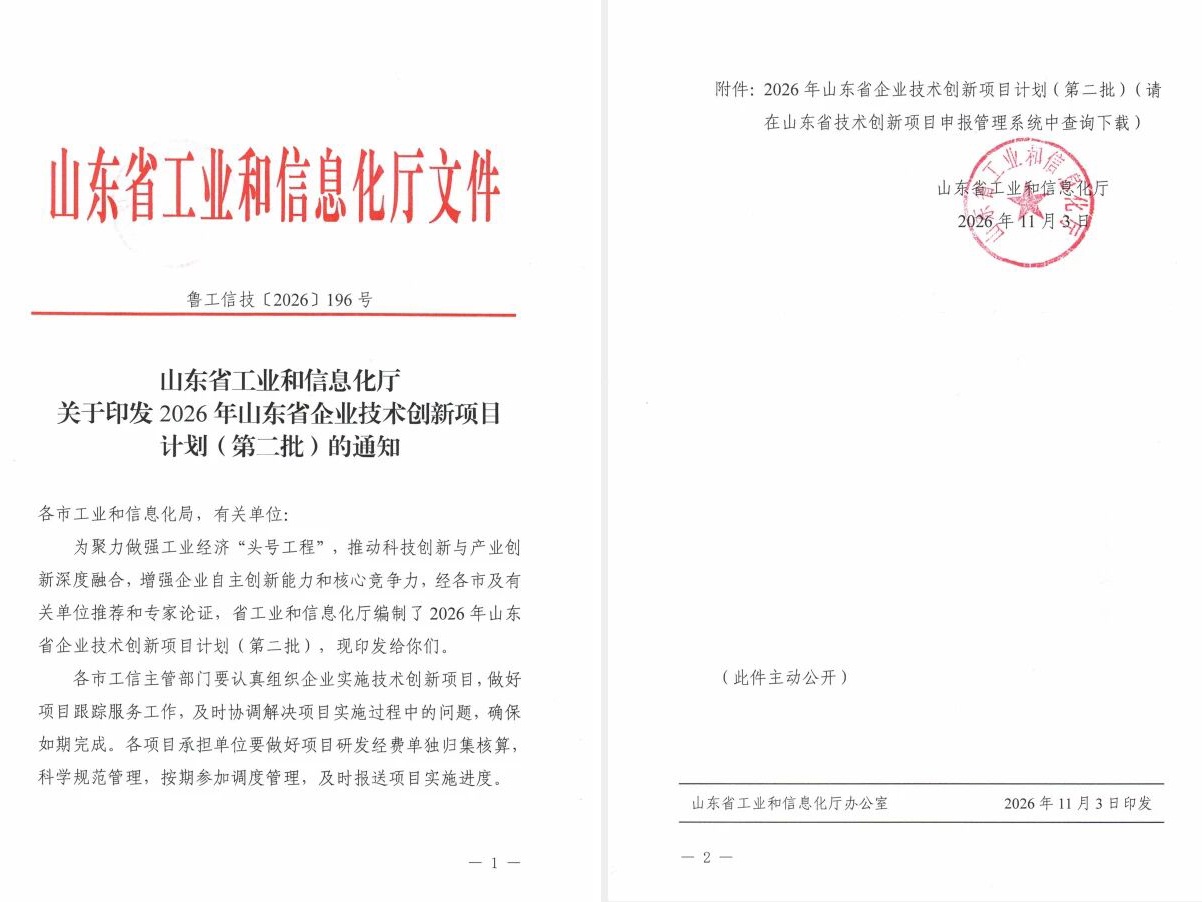
- Industry-Academia Collaboration Drives Breakthrough: Xiaoya Small Appliances’ "Smart Adaptive Hypochlorous Acid Electrolysis Module" Approved Under Shandong Provincial Enterprise Technology Innovation Program
- Struggling with Strict Pesticide Residue Limits on Export Farms? This On-Site Disinfection Solution Helps Safeguard Your Quality Standards
- Hypochlorous Acid Water vs. Traditional Disinfectants
Leave us a message

Xiaoya Group was founded in 1979,expert in the electrolyzed water industry.
Get in Touch
*We respect your confidentiality and all information are protected.