products
‹
›
‹
›
2.Double effect, integrated fresh-keeping and sterilization
3.Customized output, suitable for different fruits and vegetables
4.Easy operation, suitable for large-scale industrial application
5.Industrial-grade quality, stable and durable
PRODUCT DESCRIPTION
Hypochlorous Acid Generator for Fruit Fresh-keeping
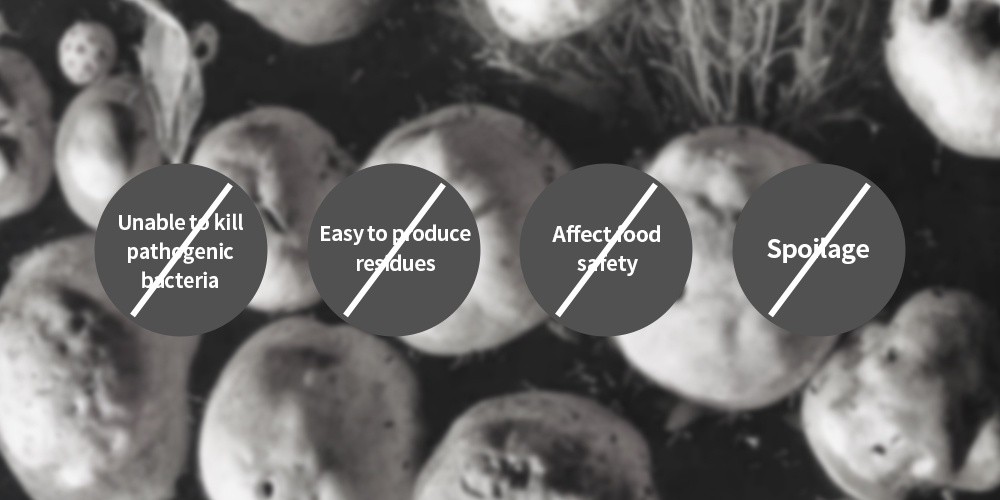
Traditional fresh-keeping methods for fruits and vegetables have obvious limitations: low-temperature fresh-keeping can only inhibit microbial reproduction and respiration, but cannot kill pathogenic bacteria from the source; chemical preservatives are prone to residues, affecting the edible safety and export quality of fruits and vegetables; single fresh-keeping technology has limited fresh-keeping effect, which is difficult to meet the fresh-keeping needs of the entire chain of fruit and vegetable storage, transportation and sales. In addition, some methods are complicated to operate and high in cost. At the same time, there has always been a lack of an efficient and mild solution to the spoilage and deterioration of fruits and vegetables caused by microbial growth, ethylene production from respiration after harvest, and oxidation of chemical components.
Product Definition
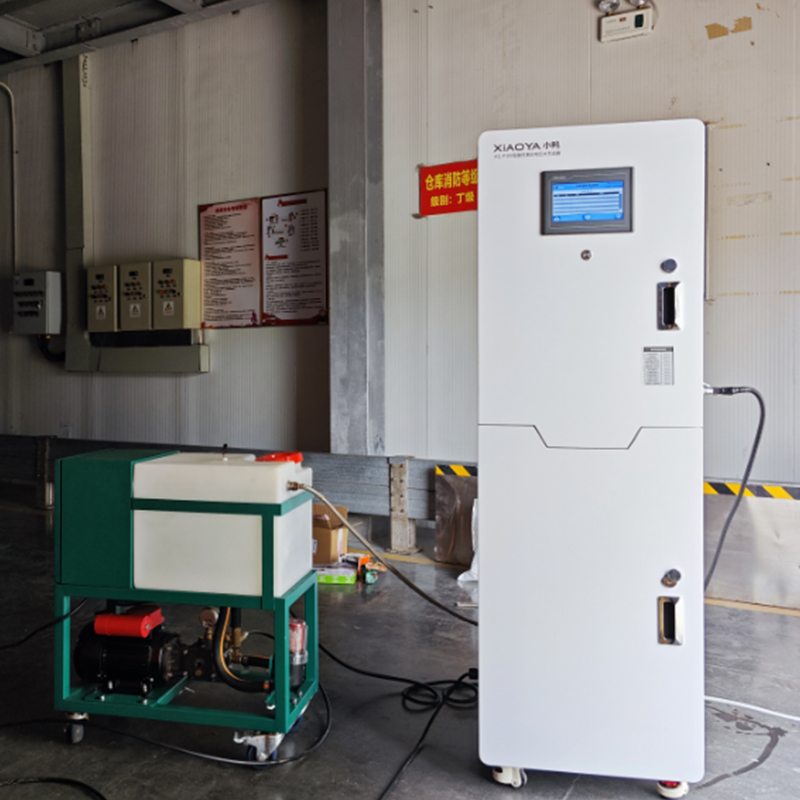
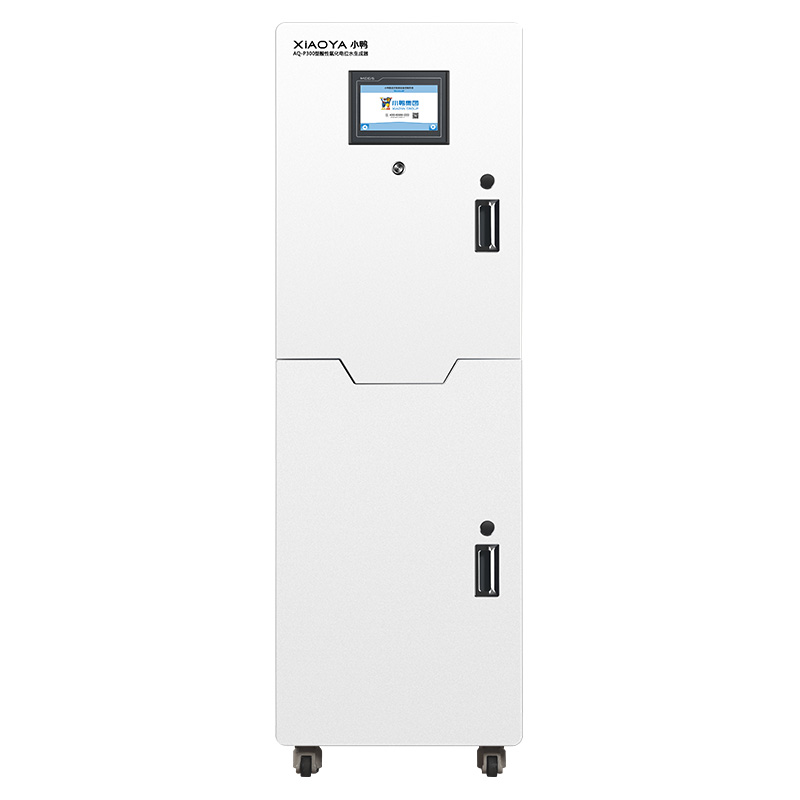
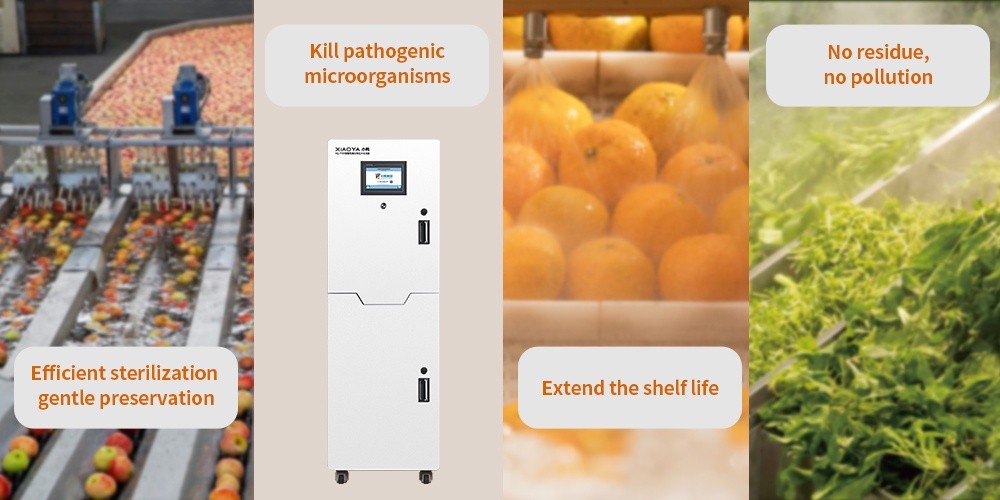
The hypochlorous acid generator for fruit fresh-keeping is an on-site liquid-making fresh-keeping and disinfection equipment specially developed for the fruit and vegetable industry chain. It generates slightly acidic hypochlorous acid water that meets food contact standards through electrolysis technology, which has both high-efficiency sterilization and mild fresh-keeping properties. It can be applied to the entire chain of fruits and vegetables by soaking, spraying, atomization and other methods. It can not only kill pathogenic microorganisms on the surface of fruits and vegetables, but also regulate the post-harvest respiratory metabolism of fruits and vegetables, inhibit ethylene production, reduce the decay rate of fruits and vegetables from the source, extend the fresh-keeping period, and is residue-free and pollution-free, meeting the safety requirements of fruit and vegetable fresh-keeping and food processing.
Product Parameters (AQ-P300-A)
Core Selling Points
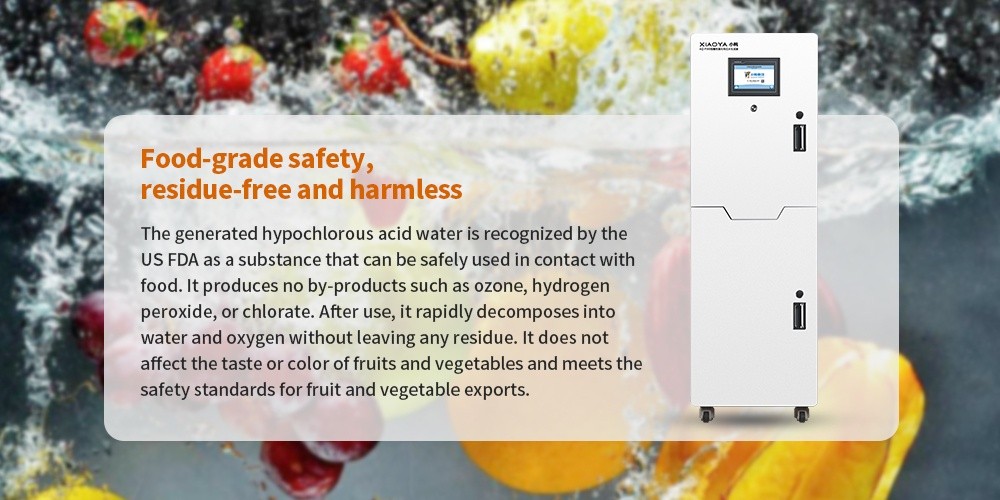
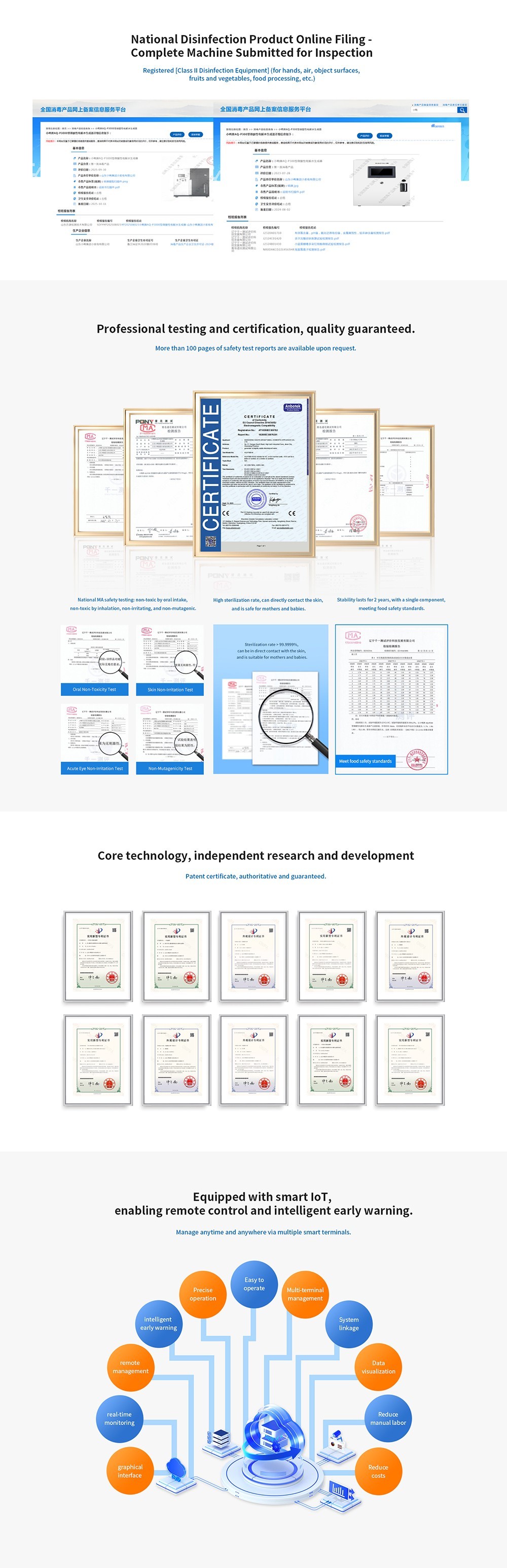
1. Food-grade safety, residue-free and harmless: The generated hypochlorous acid water is recognized by the US FDA as a substance that can effectively contact food, with no additional products such as ozone, hydrogen peroxide and chlorate. It decomposes rapidly into water and oxygen after use without any residue, does not affect the taste and color of fruits and vegetables, and meets the safety standards for the export of fruits and vegetables.
2. Double effect, integrated fresh-keeping and sterilization: It can not only broadly kill pathogenic bacteria such as bacteria, molds and yeasts on the surface of fruits and vegetables with a sterilization rate of over 99.99%, but also inhibit the release of ethylene from fruits and vegetables after harvest, reduce cell membrane permeability, slow down the activity of polyphenol oxidase, delay the decay, discoloration and softening of fruits and vegetables, and achieve double fresh-keeping from the microbial and physiological levels.
3. Customized output, suitable for different fruits and vegetables: The effective chlorine concentration (10-300mg/L) and generation capacity of hypochlorous acid can be precisely adjusted according to the needs of different fruit and vegetable varieties and fresh-keeping scenarios, solving the fresh-keeping pain points of different fruits and vegetables such as strawberries, peaches and pineapples in a targeted manner.
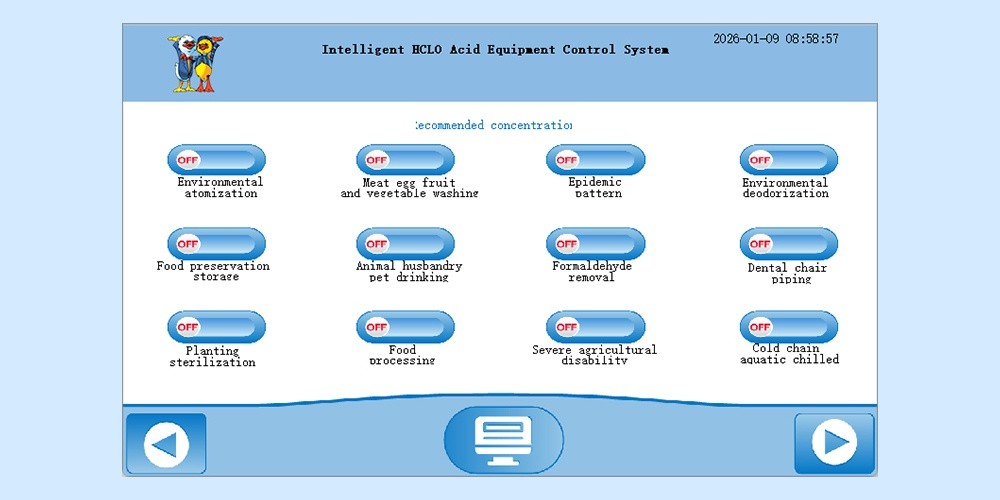
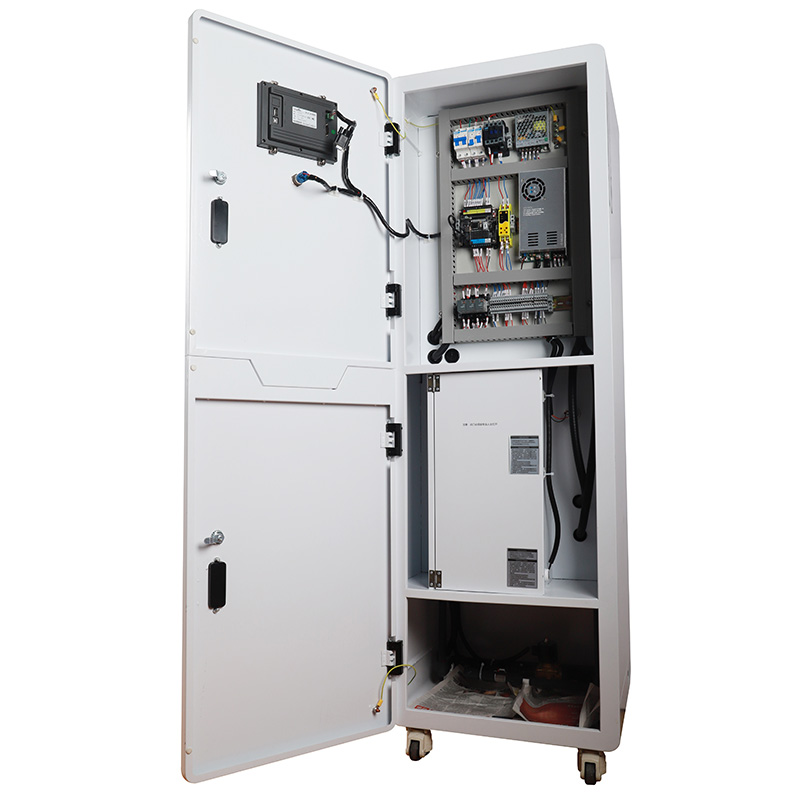
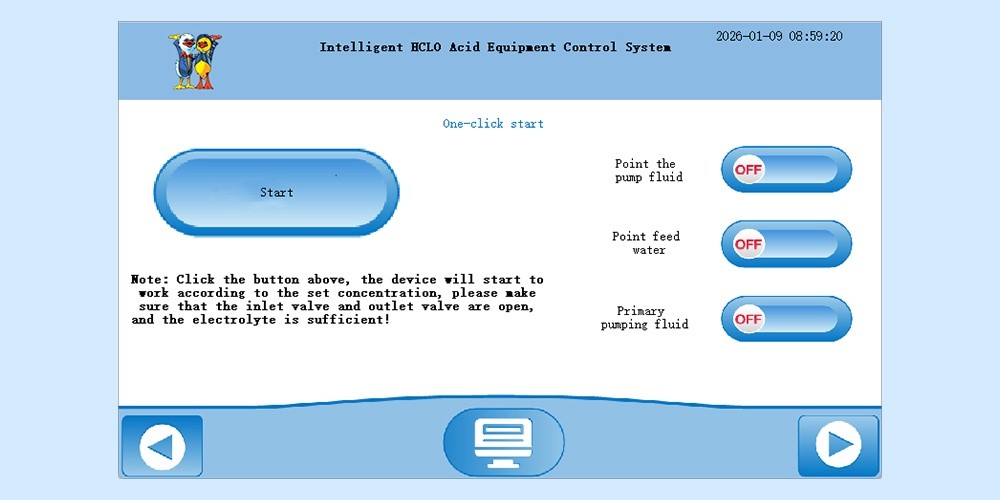
4. Easy operation, suitable for large-scale industrial application: Adopting an automatic control system, liquid preparation can be started with one key without manual blending and dilution; equipped with a user-friendly touch screen UI design, which clearly displays the equipment operation status, and ordinary staff can get started after simple training.
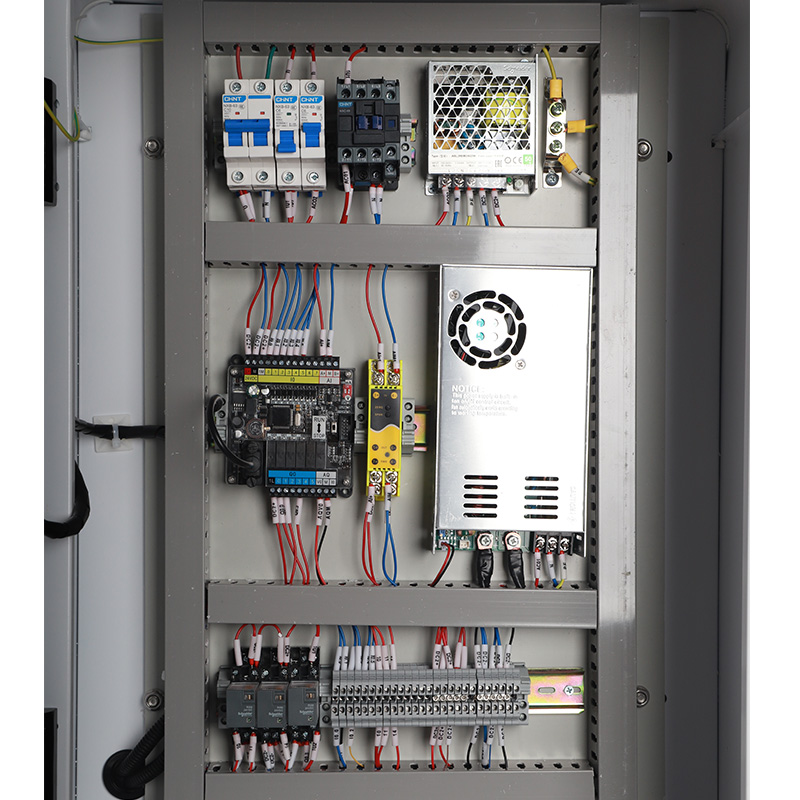
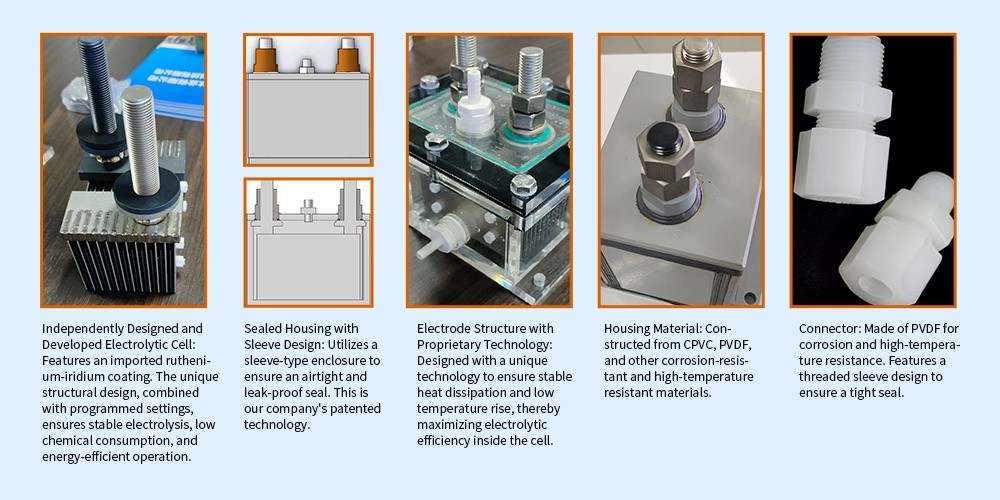
5. Industrial-grade quality, stable and durable: Adopting Siemens PLC control system and modular configuration, the core accessories are corrosion-resistant and acid-alkali resistant, the service life of the electrolyzer is ≥ 3000h, and it can run continuously for a long time, meeting the large-scale use needs of fruit and vegetable bases and warehousing enterprises.
Application Scenarios
The hypochlorous acid generator is widely used in all scenarios of the fruit and vegetable industry chain, covering all links of planting, processing, storage, logistics and sales, realizing all-round fresh-keeping and disinfection:
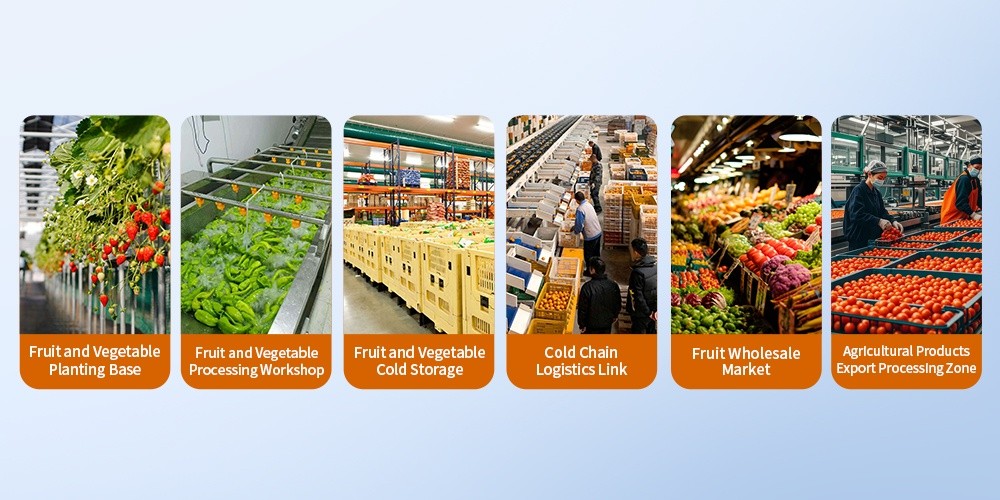
1. Fruit and vegetable planting bases: Used for immediate soaking/spraying fresh-keeping of fruits and vegetables after picking, removing surface pollutants and killing pathogenic bacteria, completing the first fresh-keeping protection after harvest, and reducing decay caused by field bacteria.
2. Fruit and vegetable processing workshops: Used for cleaning and sterilization of fresh-cut fruits and vegetables, disinfection of processing equipment, operation tables, workshop floors/air, and spray fresh-keeping of finished products after processing, ensuring the hygiene of the processing link and the shelf life of products.
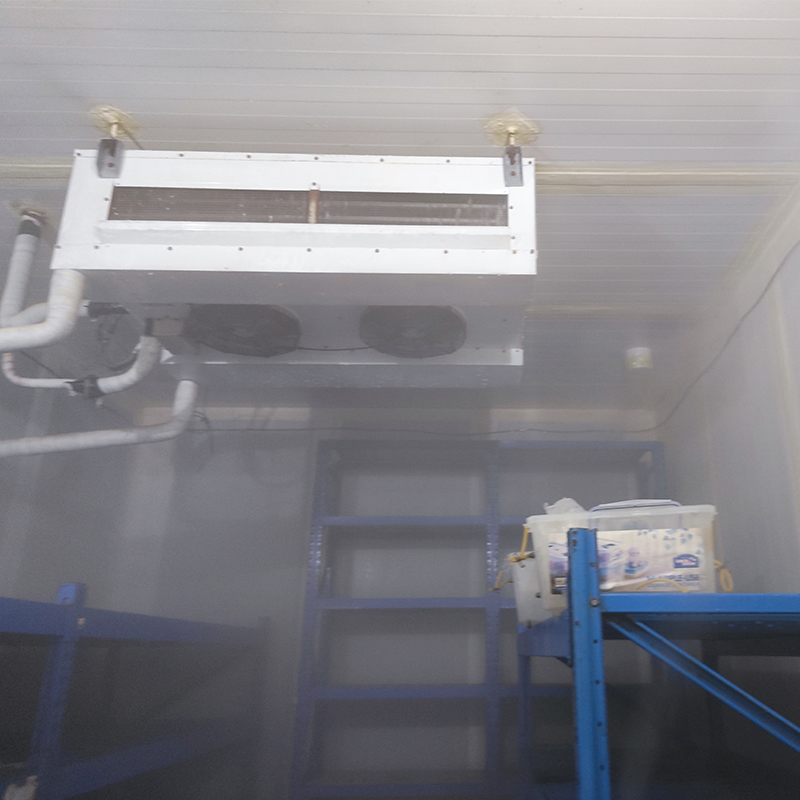
3. Fruit and vegetable cold storage/warehousing centers: Air disinfection of the cold storage environment through a high-pressure atomization system to reduce the concentration of pathogenic microorganisms in the environment; regular spraying and fresh-keeping of stored fruits and vegetables to delay the deterioration of fruits and vegetables during storage.
4. Cold chain logistics link: Spray fresh-keeping of fruits and vegetables before packing and transportation, and cooperate with the cold chain environment to extend the fresh-keeping period of fruits and vegetables during long-distance transportation and reduce transportation losses.
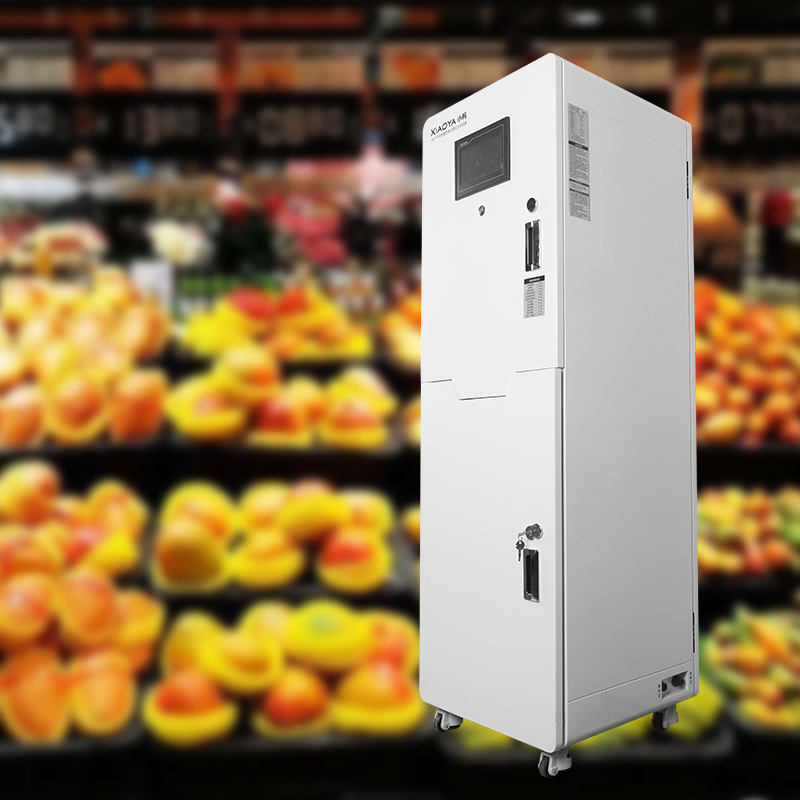
5. Fruit wholesale markets/supermarkets: Spray cleaning and fresh-keeping of fruits and vegetables arriving at the store, disinfect the sales counters and fresh-keeping cabinets, maintain the freshness of fruits and vegetables, and extend the shelf sales period.
6. Agricultural product export processing zones: Sterilization and fresh-keeping treatment of exported fruits and vegetables to meet international food contact safety standards and ensure the quality and qualification rate of fruit and vegetable exports.
Application Timing and Frequency
Core Application Timing
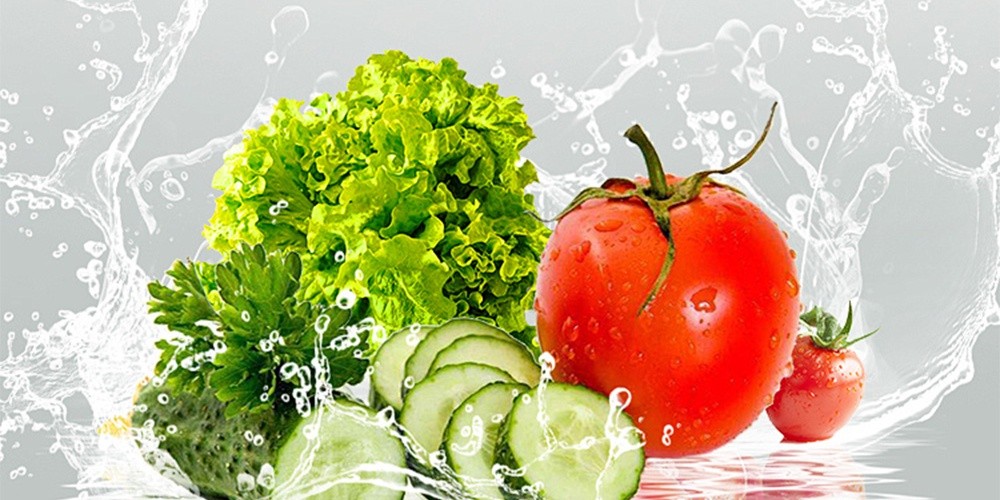
1. Immediate use after fruit and vegetable picking: Soaking/spraying treatment within 30 minutes after fruits and vegetables are picked is a key fresh-keeping opportunity, which can quickly kill surface microorganisms and inhibit initial respiration.
2. Use before/after fruit and vegetable processing: Clean and sterilize raw materials before processing, and spray fresh-keeping of finished products after processing to avoid secondary pollution in the processing link.
3. Use before fruit and vegetable storage in cold storage: Conduct fresh-keeping treatment on fruits and vegetables and disinfection on the cold storage environment respectively before cold storage to create a sterile environment for storage.
4. Use before packing for cold chain transportation: Conduct one spray fresh-keeping of fruits and vegetables before packing and transportation to improve the rot resistance of fruits and vegetables in the cold chain.
5. Use before fruits and vegetables are put on the shelf for sale: Light spraying of fruits and vegetables in wholesale markets/supermarkets before display and sale to maintain the fresh color and state of fruits and vegetables.
6. Regular supplementary spraying during the fresh-keeping period of fruits and vegetables: For fruits and vegetables with a long storage and transportation cycle, regular supplementary spraying treatment is carried out to continuously maintain the fresh-keeping effect.
Recommended Application Frequency
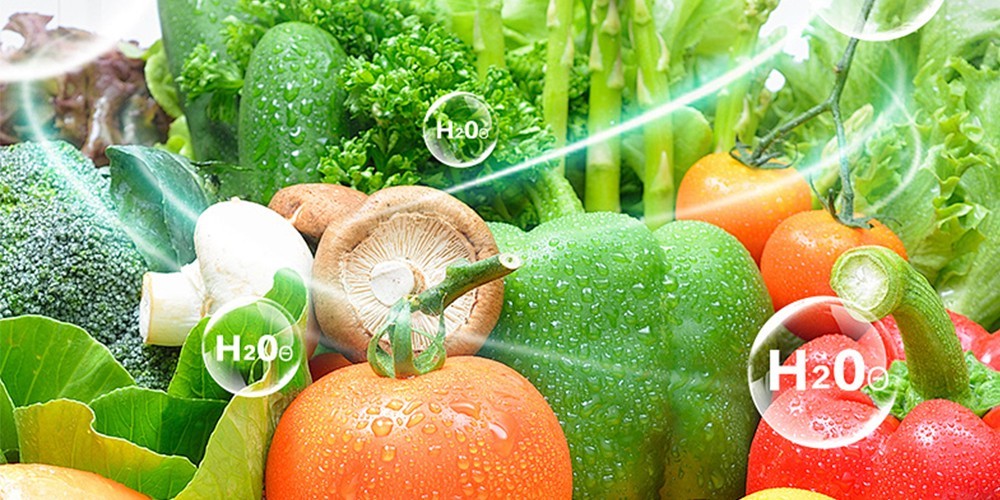
1. Short-term fresh-keeping (1-7 days): One treatment after picking, no supplementary spraying required later, suitable for fruits and vegetables sold locally for short distances.
2. Medium-term fresh-keeping (8-30 days): One basic treatment after picking, and supplementary spraying every 5-7 days during storage/transportation, suitable for fruits and vegetables transported by long-distance cold chain in China.
3. Long-term fresh-keeping (more than 30 days): One basic treatment after picking, and supplementary spraying every 3-5 days during cold storage, suitable for off-season storage of fruits and vegetables.
4. Fresh-keeping of processed products: Spray fresh-cut fruits and vegetables every 1-2 days after processing, and cooperate with low-temperature environment to extend the shelf life.
5. Environmental disinfection: Disinfect processing workshops, cold storages and sales areas once before starting work/business every day, and conduct supplementary disinfection as needed during processing/business.
Frequently Asked Questions
Q1: What is the safety of hypochlorous acid water in the fruit fresh-keeping scenario, and will it affect the quality of fruits and vegetables?
A: It has extremely high safety and will not affect the quality of fruits and vegetables at all. Hypochlorous acid is recognized by the US FDA as a substance that can effectively contact food. The hypochlorous acid water generated by this equipment has no harmful additional products such as ozone and chlorate, and decomposes rapidly into water and oxygen after use without any residue. Its pH value is close to the natural growth environment of fruits and vegetables, non-corrosive and non-irritating, will not damage the peel of fruits and vegetables, change the taste and color, and meet the safety requirements of fresh consumption and export of fruits and vegetables.
Q2: Can the fresh-keeping and sterilization effect of hypochlorous acid water generated by the hypochlorous acid generator meet the industry standards for fruit fresh-keeping?
A: Absolutely yes. The effective chlorine concentration of the hypochlorous acid water generated by the equipment can be precisely adjusted, with a sterilization rate of over 99.99%, which can efficiently kill pathogenic bacteria such as bacteria, molds and yeasts on the surface of fruits and vegetables. At the same time, it can inhibit the release of ethylene from fruits and vegetables after harvest and delay respiratory metabolism. Verified by authoritative experiments, it can greatly reduce the decay rate of fruits and vegetables, extend the fresh-keeping period, meet the relevant industry standards for fruit fresh-keeping and food processing, and meet the needs of large-scale fruit and vegetable fresh-keeping.
Q3: Is the equipment complicated to operate? Can ordinary staff in fruit and vegetable planting and warehousing get started quickly?
A: The operation is very convenient. The equipment adopts an automatic control system, and the generation of hypochlorous acid water can be completed with one key start without manual blending and dilution; it is equipped with a user-friendly touch screen operation interface, which clearly displays core information such as equipment operation status and disinfectant concentration, and the interface supports simple operation. Ordinary staff can operate it proficiently after 10-15 minutes of simple training without the supervision of professional and technical personnel.
Q4: Is the maintenance cost of the equipment high? Do parts need to be replaced regularly?
A: The maintenance cost is extremely low. The service life of the electrolyzer, the core component of the equipment, is ≥ 5000h. It adopts ruthenium-iridium coated titanium electrodes and corrosion-resistant, acid-alkali resistant accessories, with industrial-grade quality to ensure the service life. There is no need to replace parts frequently, and only simple operations such as cleaning the water inlet filter screen are required in daily maintenance. The maintenance process is simple and can be completed by ordinary logistics staff of fruit and vegetable bases and warehousing enterprises, further reducing the use cost.
Q5: Different fruits and vegetables have different fresh-keeping needs. Can the equipment be adapted to the fresh-keeping of different types of fruits and vegetables such as strawberries, peaches and pineapples?
A: It is fully adaptable. The effective chlorine concentration of the hypochlorous acid water generated by the equipment can be precisely customized between 10-300mg/L, and the generation capacity can also be customized according to customer requirements. It can prepare low-concentration mild fresh-keeping for delicate fruits and vegetables such as strawberries and peaches, prepare suitable concentration for efficient sterilization for fruits and vegetables such as pineapples and apples, and adjust parameters for different scenarios such as storage fresh-keeping and cold chain transportation, meeting the fresh-keeping needs of different fruits and vegetables and different links in one stop.
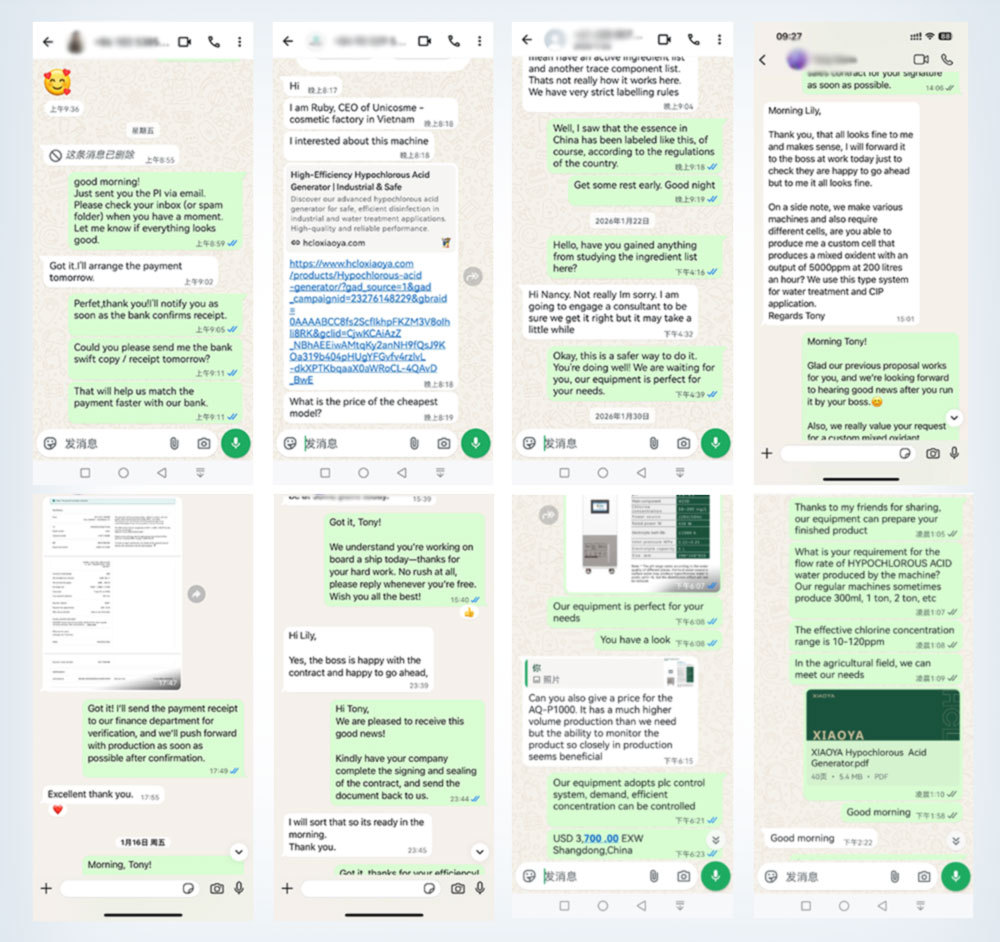
Customer Feedback
ONLINE CONSULTATION
RELATED SUGGESTION
 Electrolyzer") Pure Hypochlorous Acid (HClO) ElectrolyzerLearn More
Pure Hypochlorous Acid (HClO) ElectrolyzerLearn More water supply systemLearn More
 Sodium Hypochlorite ElectrolyzerLearn More
 Duckling ultrafiltration water purification and sterilization device XYCL-1000Learn More
 Diaphragm ElectrolyzerLearn More
 Water purification systemLearn More
 Sodium hypochlorite generatorLearn More
 Thermal EngineLearn More