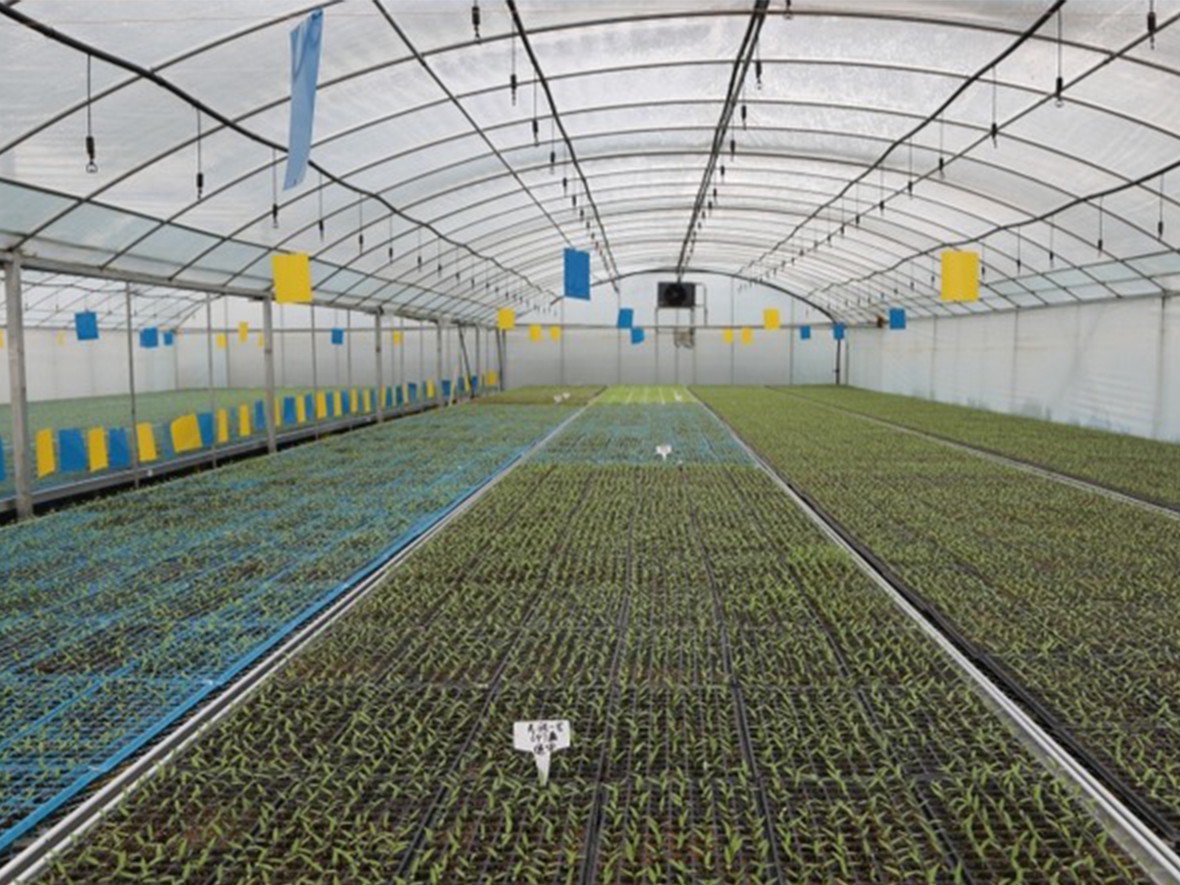
Seed-borne pathogens and high incidence of soil-borne diseases during the seedling stage are the main causes of low emergence rates, weak seedlings, seedling death, and cultivation failure. Traditional seed disinfection methods are either incomplete in sterilization or prone to damaging the seed embryo, presenting clear technical shortcomings. This paper integrates domestic and international academic achievements in seed science and seedling cultivation, analyzes the mechanism of electrolyzed potassium chloride hypochlorous acid water in seed disinfection, germination promotion, and seedling protection, and validates its effects on strengthening seedlings, enhancing stress resistance, and preventing diseases through practical cases at home and abroad, providing a technical reference for standardized and green seedling production.
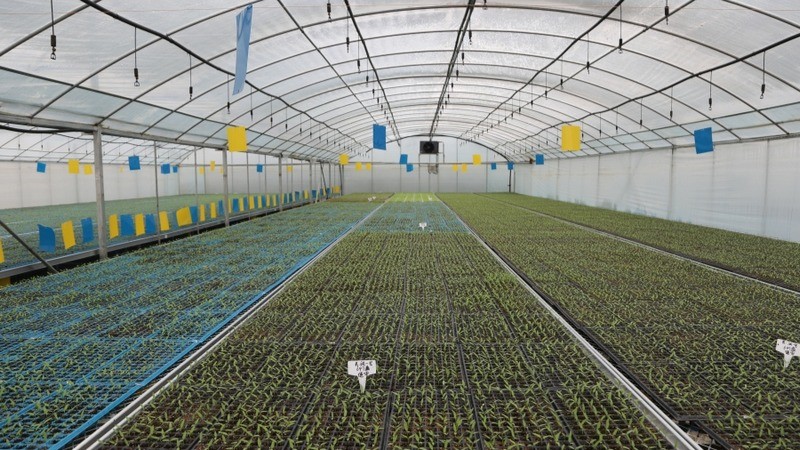
Seedling cultivation is a fundamental step in agricultural planting. Pathogens such as *Pythium* (damping-off), *Rhizoctonia* (stem rot), and *Colletotrichum* (anthracnose) attached to seed surfaces, along with harmful microorganisms in the growing substrate, can easily cause seedling diseases, leading to uneven emergence and seedling death. Current mainstream chemical seed soaking agents leave residues and easily burn the seed embryo, while physical methods such as warm water soaking or sun exposure have limited disinfection effects and cannot meet the disease prevention needs of large-scale seedling production.
Electrolyzed potassium chloride hypochlorous acid water, with its mild yet efficient, residue-free, and growth-promoting characteristics, has emerged as a new preferred technology for seed treatment and seedling protection. According to a specialized seed and seedling study published in the international peer-reviewed journal *HortScience* in 2022, treating seeds with 50–100 ppm of electrolyzed potassium chloride hypochlorous acid water can comprehensively eliminate harmful pathogens on the seed surface and in crevices, achieving far superior disinfection coverage compared to traditional methods. Experimental data show that after soaking cucumber, rice, tomato, and other crop seeds at this concentration, germination rates increased by 15%–20%, seedling uniformity improved significantly, and the incidence of damping-off and stem rot decreased by over 80%. Additionally, the mildly acidic water environment softens the seed coat and activates seed enzyme activity, while the potassium ions generated by electrolysis provide nutritional supplementation. This combination effectively breaks seed dormancy and promotes radicle emergence, achieving an integrated effect of "sterilization, disease prevention, germination promotion, and seedling strengthening."
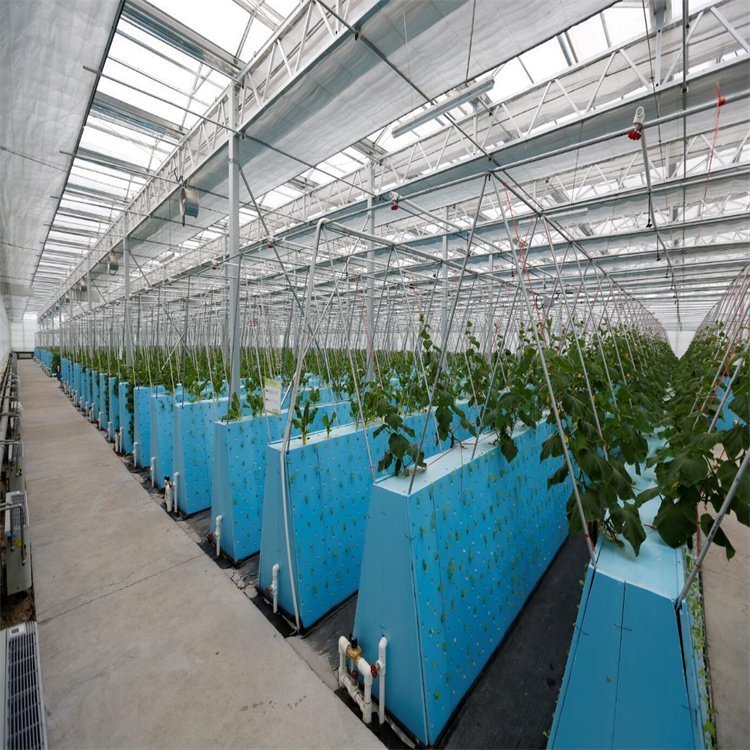
Domestic seedling research has further refined the technical application system. Relevant trials at Northwest A&F University have confirmed that electrolyzed potassium chloride hypochlorous acid water is suitable for vegetable, grain, and flower seedling production. Compared with sodium chloride‑based electrolyzed water, its sodium‑free nature avoids seed osmotic pressure damage, offering higher safety for seedling cultivation and effectively preventing salt stress, making it well suited for standardized production in large‑scale, intensive seedling nurseries.
In the Netherlands, a large‑scale hydroponic seedling nursery has integrated this technology into its standardized process. Through an integrated approach of seed soaking with hypochlorous acid water, substrate spraying, and periodic irrigation during the seedling stage, the problem of pathogens in hydroponic pipes and substrates has been completely resolved. The seedlings developed robust root systems and significantly improved stress tolerance, with survival rates increasing by 22% and the cultivation cycle shortened by 3–5 days.
Practical application in large‑scale cucumber and rice seedling nurseries in Shandong, China, shows that soaking seeds with 100 ppm hypochlorous acid water for 30 minutes, combined with periodic low‑concentration spraying during the seedling stage, provides full‑term control of seedling diseases, greatly reduces the rate of weak seedlings, and accelerates post‑transplant recovery, laying a solid foundation for later stable and high yields.
In summary, electrolyzed potassium chloride hypochlorous acid water has high application value in seed treatment and seedling cultivation. It combines safety, high efficacy, and added growth benefits, perfectly meeting the development needs of modern green seedling production. This technology is simple to operate, low‑cost, and leaves no pesticide residues. It can fully replace traditional chemical disinfection methods in seedling production and holds strong potential for widespread industrial promotion.
References:[1]Lévesque et al. Prevention of Phytotoxic Effects of Regenerative In Situ Electrochemical Hypochlorination in Recirculating Hydroponic Systems[J]. *HortScience*, 2022, 58(1): 7-13. [2] Luan Guangzhong. A method for controlling eggplant diseases in greenhouses using electrolyzed water[P]. China Patent: CN109566203A, 2019.
NEWS
 Upgrade in Healthy Living: Hypochlorous Acid Generators Become the New Standard for Luxury Villas
- The Ultimate Solution to Pet Shop Disinfection Challenges! XIAOYA Hypochlorous Acid Generator: Safe Pet Protection with Peace of Mind
 Hypochlorous Acid Generator vs Sodium Hypochlorite Generator
- Hypochlorous Acid Generator Supplier
- Hypochlorous Acid Generator Manufacturer
Leave us a message

Xiaoya Group was founded in 1979,expert in the electrolyzed water industry.
Get in Touch
*We respect your confidentiality and all information are protected.