news
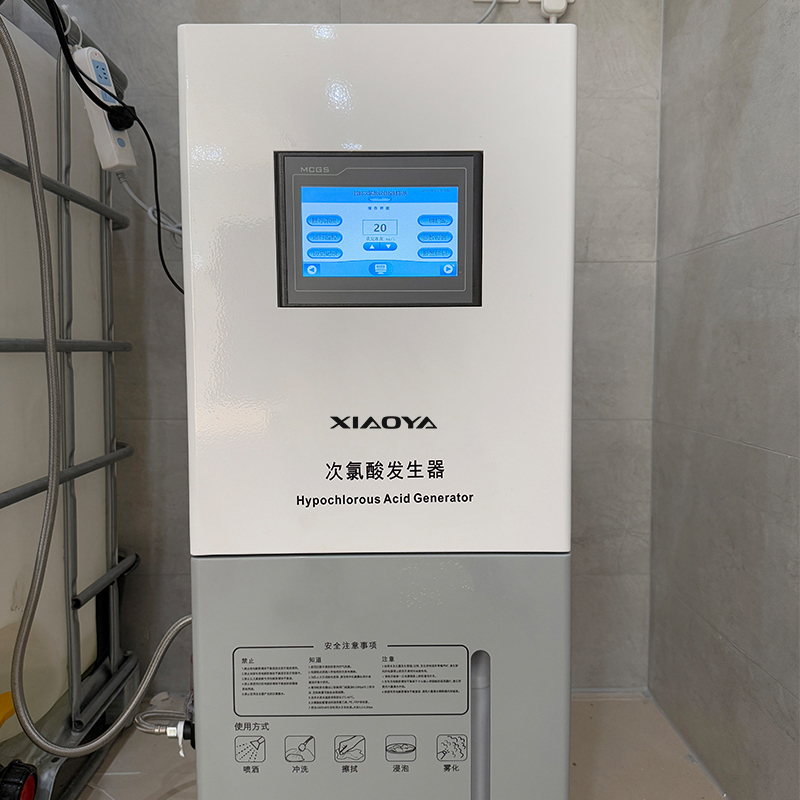
Choosing between a hypochlorous acid generator and a sodium hypochlorite generator is not simply a question of which disinfectant is stronger. In automated disinfection, the better choice depends on where the solution will be used, who will be exposed to it, how long it must be stored, and how precisely the concentration needs to be controlled.
Both technologies use electrolysis to create chlorine-based sanitizing solutions on site. Both can reduce dependence on purchased chemicals, transport, and plastic packaging. Yet they produce solutions with very different behavior. For manufacturers of hygiene appliances, healthcare equipment, commercial cleaning systems, agricultural disinfection units, and household products, that distinction shapes equipment design as much as it shapes daily safety practices.
Hypochlorous Acid Generator vs Sodium Hypochlorite Generator: The Essential Difference
A hypochlorous acid generator produces hypochlorous acid (HClO), typically in a mildly acidic solution. HClO is the same active antimicrobial species produced by human immune cells as part of their natural defense process. In practical terms, it is valued for rapid antimicrobial activity at relatively low available chlorine concentrations and for a gentler user experience when correctly formulated and applied.
A sodium hypochlorite generator produces sodium hypochlorite (NaClO), an alkaline chlorine solution closely related to conventional liquid bleach. It is widely used where strong oxidizing cleaning power, broader surface tolerance for industrial environments, and longer storage stability are important.
The key chemistry is pH. In chlorine-based water solutions, the proportion of active species changes with pH. Hypochlorous acid is more prevalent in the mildly acidic range, while hypochlorite ion dominates in alkaline sodium hypochlorite solutions. This is why two solutions with a similar available chlorine reading may perform differently in real-world disinfection conditions.
Why Hypochlorous Acid Often Fits People-Centered Environments
Hypochlorous acid is commonly considered when disinfection must happen around people, animals, food-contact areas, or sensitive equipment. It can be used in misting, spraying, wiping, soaking, and automated distribution systems, provided the application follows local regulations and validated operating procedures.
Its practical advantage is not merely “mildness.” A well-controlled HClO solution can deliver strong broad-spectrum disinfection while avoiding the sharp bleach odor that users often associate with chlorine sanitation. For a school, clinic, veterinary setting, commercial kitchen, or household appliance, that difference affects whether staff and end users are comfortable using the system consistently.
Hypochlorous acid also supports more flexible automation. Equipment can generate a solution close to the point of use, then deliver it through spray stations, fogging equipment where appropriate, wash systems, or controlled sanitation cycles. However, HClO is less stable than sodium hypochlorite. Light exposure, heat, contamination, open storage, and unsuitable container materials can accelerate degradation. This makes generator reliability, pH control, concentration monitoring, and timely use particularly important.
Where Sodium Hypochlorite Generators Remain a Practical Choice
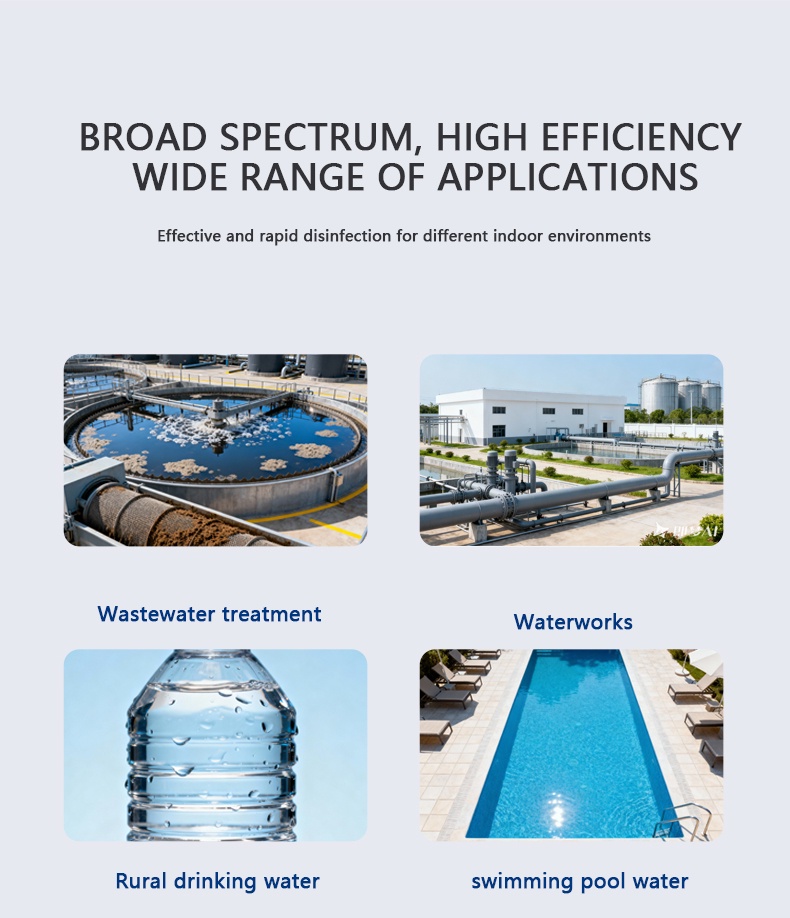
Sodium hypochlorite remains highly relevant in facilities that need a robust alkaline disinfectant for demanding cleaning routines. Water treatment, industrial sanitation, some wastewater applications, and heavily soiled environments may favor sodium hypochlorite because it can be stored longer under suitable conditions and is familiar to many maintenance teams.
For operations with established bleach-based cleaning protocols, an on-site sodium hypochlorite generator can reduce the handling of bulk chemical deliveries. It can also provide a dependable source of disinfectant for scheduled cleaning cycles.
That said, the advantages come with trade-offs. Sodium hypochlorite solutions may have a stronger odor, can be more irritating if mishandled, and require careful compatibility review for metals, fabrics, seals, electronics, and sensitive surfaces. Mixing with acids or ammonia-containing products is hazardous and must be strictly prevented. Automated systems need clear chemical segregation, ventilation planning, staff training, and fail-safe controls.
A Comparison That Matters in Equipment Selection
Neither option is universally superior. A sodium hypochlorite generator may be the sensible engineering choice for a utility-room process that requires alkaline chlorine chemistry. A hypochlorous acid generator may be the more appropriate choice when the disinfectant will be sprayed near animals, staff, visitors, furnishings, or daily-use equipment.
For Animal Facilities, Odor Control Changes the Conversation
Horse farms, breeding facilities, racecourses, and equestrian colleges face a more complex hygiene challenge than a standard hard-surface cleaning program. Stables and wash areas can carry moisture, organic matter, airborne dust, bacteria, fungi, and persistent ammonia odors. A chemical that is effective in a closed industrial room may not be the best match for a place where horses, handlers, students, and visitors move through the space all day.
In this setting, hypochlorous acid can offer a practical balance between routine disinfection and a more comfortable environment. The solution still needs to be applied after appropriate cleaning: organic debris and manure should be removed first, because soil load can reduce the effectiveness of any disinfectant. But a correctly designed HClO system can support regular sanitation of stalls, corridors, equipment areas, transport spaces, and other high-contact zones without creating an overwhelming bleach atmosphere.
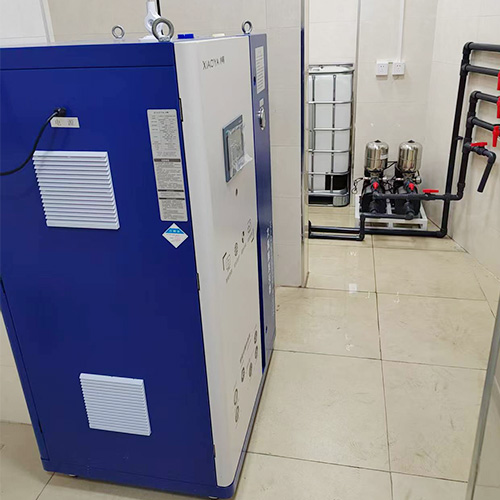
For example, the Hypochlorous Acid Full-Scenario Disinfection System for Horse Farms is designed for applications requiring adaptable on-site production. The AQ-P300 model has an output range of 180–300 L/h, adjustable available chlorine concentrations from 10–120 ppm for different scenarios, and PLC touchscreen control with data export. Its stated pH range of 5.0–6.5 is intended to maintain hypochlorous acid as the main bactericidal factor, while stable concentration control helps reduce uncertainty between batches.
For facility managers, this kind of control is often more valuable than simply producing a high volume of disinfectant. A low-concentration daily misting routine, a targeted equipment sanitation cycle, and a higher-strength treatment for selected non-sensitive areas may require different settings. The generator should make those choices manageable rather than forcing one concentration across every task.
Do Not Choose by “Kill Rate” Alone
It is tempting to compare systems through a single microbial reduction claim. That number matters, but it is not the whole operating picture. Contact time, concentration, pH, water quality, temperature, surface cleanliness, spray coverage, and the target organism all influence actual performance.
Decision-makers should also ask questions that are less visible on a specification sheet:
- Will the solution be used immediately or stored for several days?
- Is the system intended for occupied spaces, food-adjacent areas, animal housing, or industrial utility zones?
- Can operators verify concentration and pH without relying on guesswork?
- Are the spray nozzles, piping, tanks, seals, and nearby surfaces chemically compatible?
- Does the facility need batch records, alarms, remote data, or traceability for audits?
- What local registration, labeling, and application rules apply to the intended disinfectant use?
For appliance brands and automated equipment developers, these questions influence the full product architecture. A compact household unit may prioritize intuitive controls, safe refill procedures, and low odor. A healthcare or agricultural system may require scheduled output, dosing verification, maintenance alerts, and exportable operating data. The chemical decision and the automation design should be developed together.
The Most Useful Selection Rule
Choose a hypochlorous acid generator when the priority is frequent, on-site disinfection in environments shared by people or animals, especially where low odor, flexible concentration, and user acceptance matter. Choose a sodium hypochlorite generator when the operation is built around alkaline chlorine chemistry, stronger industrial cleaning routines, or storage requirements that favor a more stable solution.
In many cases, the right answer is not replacing one chemistry with another everywhere. It is matching each disinfectant to the task. A thoughtful disinfection program may use different methods for dirty pre-cleaning, occupied-area sanitation, drainage or utility treatment, and high-risk touchpoint control.
The strongest automated disinfection system is therefore not the one that produces the harshest solution. It is the one that delivers the right chemistry, at a verified concentration, in the right place, at the right time—and gives operators confidence that hygiene standards can be maintained day after day.
NEWS
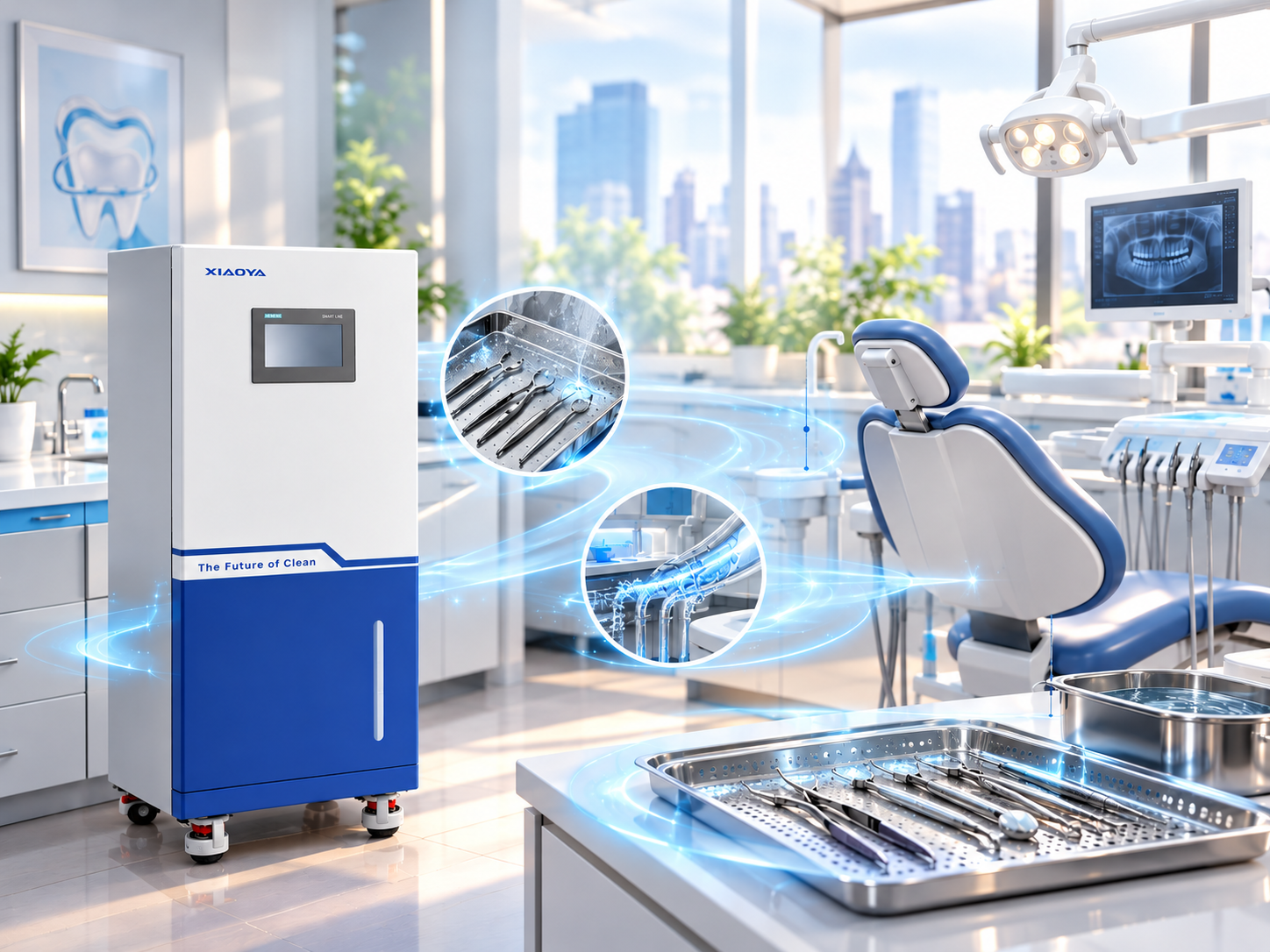
 Disinfection Empowers Orthodontic Safety: Hypochlorous Acid Generators Build a Sterile Defense Line for Dental Instruments
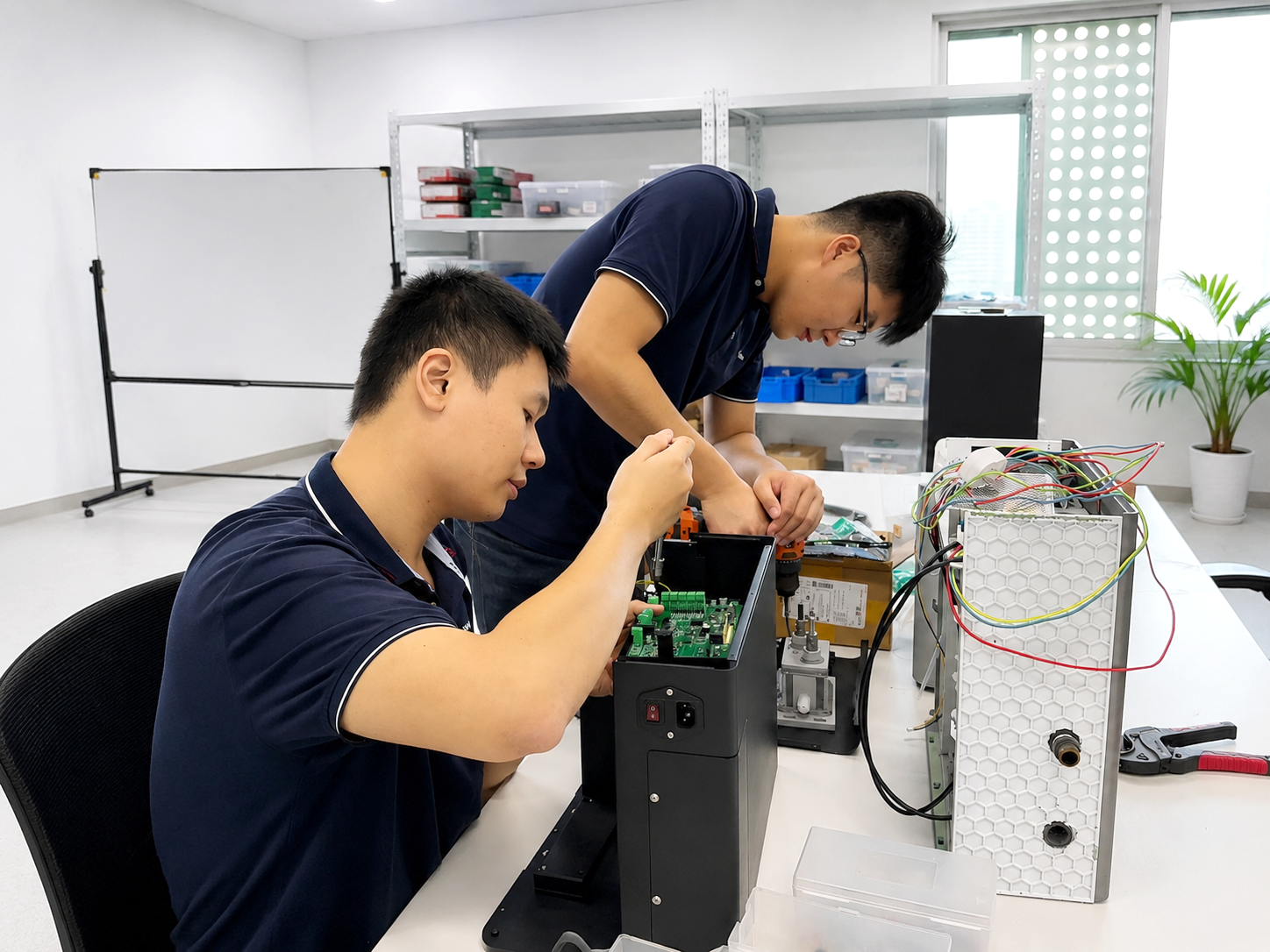
- Accumulating Strength and Reaching New Heights: A Record of the Production Breakthrough of Xiaoya Small Home Appliances' Hypochlorous Acid Generators
 Medical HOCl Generator Procurement: Service, Training, and Traceability
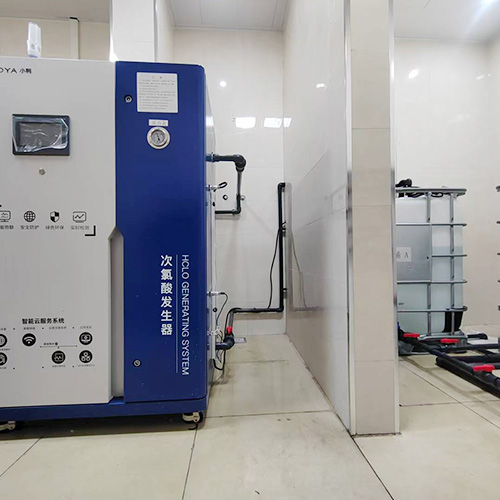
- Integrating a Medical HOCl Generator into Hospital Cleaning Stations
 Verifying HOCl Concentration and Contact Time for Hospital Surfaces
Leave us a message

Xiaoya Group was founded in 1979,expert in the electrolyzed water industry.
Get in Touch
*We respect your confidentiality and all information are protected.