news
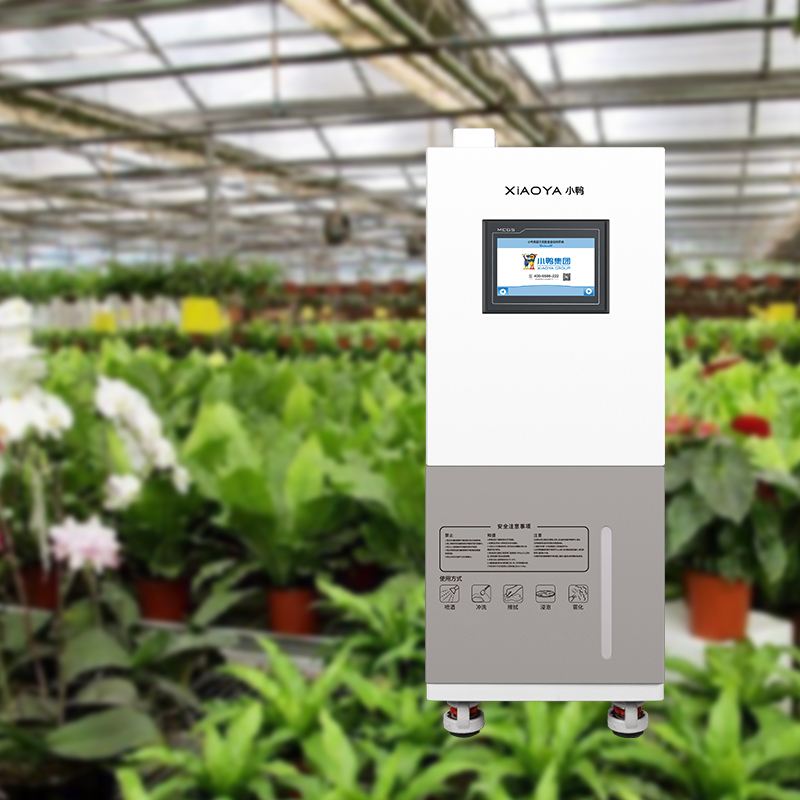
Choosing a Hypochlorous Acid Generator Supplier: What Appliance and Disinfection Manufacturers Should Actually Assess
The demand for on-site hypochlorous acid generation is no longer limited to commercial cleaning systems. It is increasingly influencing the design of healthcare disinfection appliances, kitchen sanitation products, bathroom devices, water-related equipment, and compact household units. For manufacturers entering this space, choosing a Hypochlorous Acid Generator Supplier is not simply a matter of finding a machine that electrolyzes salt water. The more difficult question is whether the supplier can help turn that chemistry into a stable, manufacturable, safe, and serviceable appliance.
That distinction matters. A bench-top generator may produce an acceptable solution under controlled conditions, yet become inconsistent after it is installed in a consumer appliance with varying inlet water quality, compact internal space, repeated start-stop cycles, and limited maintenance by end users. The supplier’s engineering depth is often revealed in those ordinary operating conditions rather than in a single demonstration.
The real product is the integrated system, not just the electrolysis cell
Hypochlorous acid generation depends on a chain of connected controls: water quality, salt dosing or feedwater conductivity, electrode condition, current control, flow stability, temperature, storage time, and the intended use of the generated solution. If any part of that chain is poorly managed, output can vary in ways that are not obvious to the user.
For an appliance brand, this means a capable supplier should be able to discuss more than nominal output. They should understand enclosure layout, fluid paths, pump selection, leak prevention, sensors, electrical protection, human-machine interfaces, automated assembly, test fixtures, and after-sales failure modes. In practice, an automated production line also needs repeatable checks for seals, pressure, conductivity, electrical safety, and functional dosing. A design that works only when adjusted by an experienced technician is not ready for volume production.
Suppliers serving kitchen and bathroom appliances, healthcare and disinfection equipment, clean-energy-related products, and small household appliances are usually better positioned when they maintain close links between R&D, production, and operations. Product development teams may define the electrochemical target, but production engineers are the people who discover whether a tube routing is difficult to assemble, whether a sensor is vulnerable to moisture, or whether a component tolerance causes inconsistent flow during final inspection.
Start with the use case, because “disinfection” is too broad
A common purchasing mistake is to request a general-purpose hypochlorous acid generator without defining how the solution will be used. Surface spraying, appliance reservoir cleaning, food-contact-area cleaning, hand-contact sanitation, healthcare support applications, and bathroom odor-control systems all create different engineering requirements. Some require rapid generation at the point of use. Others prioritize solution stability, low residual odor, compactness, quiet operation, or simple cartridge replacement.
The intended market also changes the discussion. Product claims, labeling, electrical requirements, chemical handling rules, and test expectations can differ by country and application. A supplier should not casually promise regulatory suitability without reviewing the target product category and local requirements. Where claims are sensitive, it is more responsible to validate the complete appliance and its intended use through the appropriate project process.
For example, a compact countertop unit may need straightforward user guidance and safeguards against incorrect salt addition. A built-in bathroom appliance may require corrosion-resistant material choices, drainage planning, and reliable operation after long idle periods. A healthcare-oriented device may face greater expectations around traceability, output verification, cleaning procedures, and documented quality control. These are not cosmetic differences; they affect the bill of materials and the automation strategy from the start.
Feedwater quality is often the hidden constraint
Many generator concepts are evaluated using relatively clean test water. Actual installations may encounter hardness, sediment, fluctuating total dissolved solids, residual disinfectants, or local water conditions that accelerate scaling and shorten component life. When a system is expected to run frequently, water pre-treatment becomes a practical design decision rather than an optional accessory.
This is especially relevant for suppliers that develop both disinfection equipment and water-treatment appliances. Upstream filtration can protect valves, pumps, and flow-control components, while ultraviolet treatment may be considered where incoming-water microbial management is part of the broader system design. It does not replace a properly engineered hypochlorous acid generation process, but it can reduce avoidable variation in the water entering that process.
One example of the supporting equipment that may be relevant in larger water-handling arrangements is the Duckling ultrafiltration water purification and sterilization device XYCL-1000. It uses a hollow-fiber PVC ultrafiltration membrane filter element and is specified with an ultrafiltration flow rate of 1000 L/H. Its UV-C unit operates at 254 nm, with a stated maximum ultraviolet sterilization capacity of 0.35 T/H and a stated sterilization rate above 99.9%. Whether those parameters suit a generator project depends on actual flow demand, inlet-water conditions, piping arrangement, and maintenance planning.
The maintenance point deserves attention. The XYCL-1000 membrane service life is listed as three to five years depending on incoming-water quality, while the UV lamp is designed for 8,000 hours and recommended for replacement after 7,200 hours. Those are useful planning references, not a substitute for an on-site water assessment. In real projects, consumable access, replacement reminders, and service labor can matter as much as the initial equipment specification.
Questions that expose supplier capability early
A productive supplier conversation goes beyond asking for a quotation. It should reveal how the engineering team handles uncertainty. Useful questions include:
- What inlet-water assumptions are used when defining generator performance?
- How does the system monitor or compensate for flow, conductivity, temperature, and electrode aging?
- Which wetted materials are selected, and what compatibility checks are needed for the proposed solution chemistry?
- What happens when users add too much salt, run the unit dry, leave it unused for weeks, or fail to replace a consumable?
- Which production tests are performed on each unit, and which records can be retained for traceability?
- Can the supplier support pilot builds, design revisions, tooling decisions, and ramp-up rather than supplying components alone?
There is no single “correct” answer to every question. What matters is whether the answers are specific, technically consistent, and linked to the intended application. Vague assurances about high output or broad sterilization performance should be treated carefully if they are not tied to operating conditions and verification methods.
Automation capability changes the economics of reliability
For appliance manufacturers, automation is not merely about producing more units per day. It is how a complex fluid-and-electrical product becomes consistent from one batch to the next. Automated dispensing can improve the repeatability of seals or adhesives. Controlled assembly stations can reduce damage to tubing and connectors. End-of-line functional tests can identify leakage, abnormal current draw, poor flow, or sensor faults before products leave the factory.
Still, over-automation too early can be expensive. During early product development, a flexible pilot line is often more valuable than a highly fixed process. The design may need several rounds of adjustment after field feedback, particularly around water quality, user behavior, and maintenance access. The right supplier knows when to use manual verification, when to create dedicated fixtures, and when production volumes justify a more automated station.
A practical supplier decision is a lifecycle decision
The lowest component price can become costly if it leads to unstable output, difficult service work, inconsistent assembly, or redesign after launch. A stronger Hypochlorous Acid Generator Supplier should be evaluated on the full lifecycle: concept development, prototype validation, water management, component sourcing, manufacturing control, documentation, repairability, and the ability to respond when a product needs refinement.
For brands building disinfection and household appliances, the best starting point is usually a defined application brief rather than a generic generator request. Clarify the water source, target usage pattern, desired form factor, maintenance limits, intended market, and production forecast. With those basics in place, it becomes much easier to distinguish a supplier offering a device from one capable of engineering a dependable product platform.
NEWS
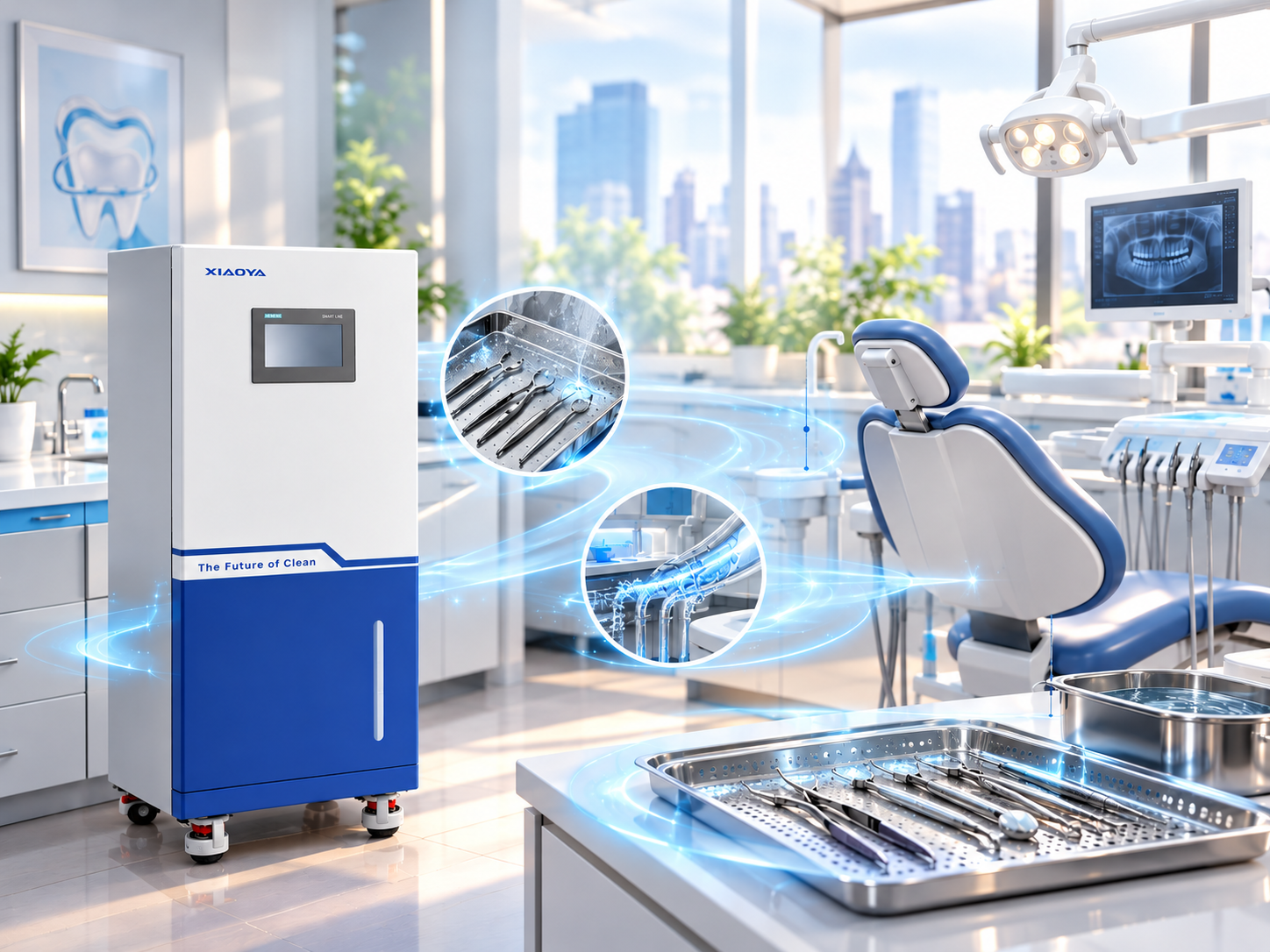
 Disinfection Empowers Orthodontic Safety: Hypochlorous Acid Generators Build a Sterile Defense Line for Dental Instruments
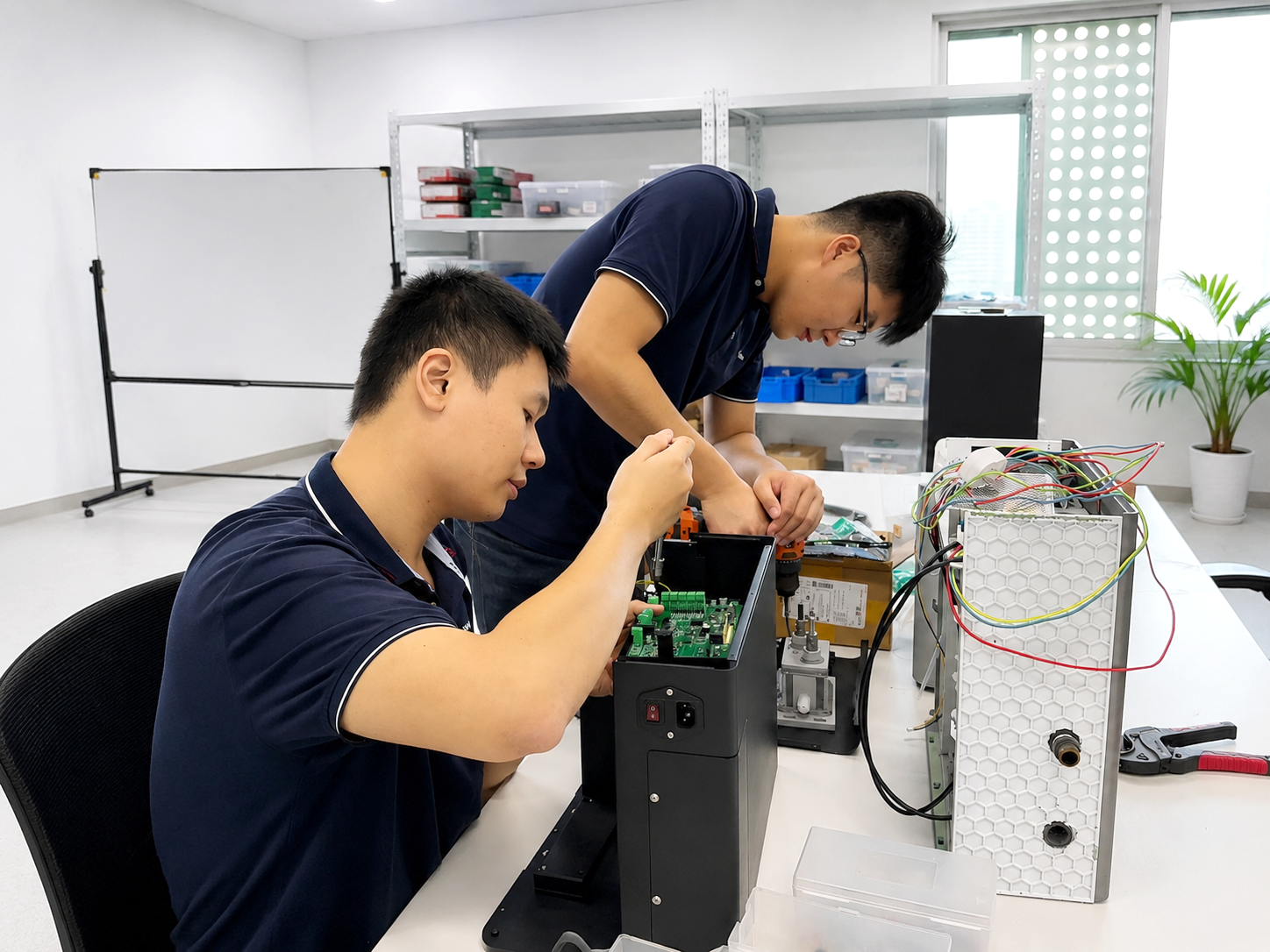
- Accumulating Strength and Reaching New Heights: A Record of the Production Breakthrough of Xiaoya Small Home Appliances' Hypochlorous Acid Generators
 Medical HOCl Generator Procurement: Service, Training, and Traceability
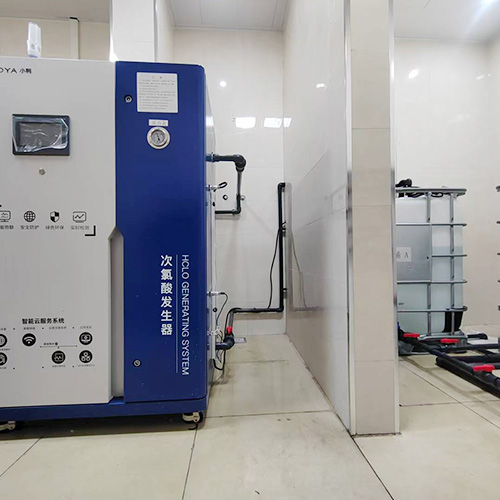
- Integrating a Medical HOCl Generator into Hospital Cleaning Stations
 Verifying HOCl Concentration and Contact Time for Hospital Surfaces
Leave us a message

Xiaoya Group was founded in 1979,expert in the electrolyzed water industry.
Get in Touch
*We respect your confidentiality and all information are protected.