




news
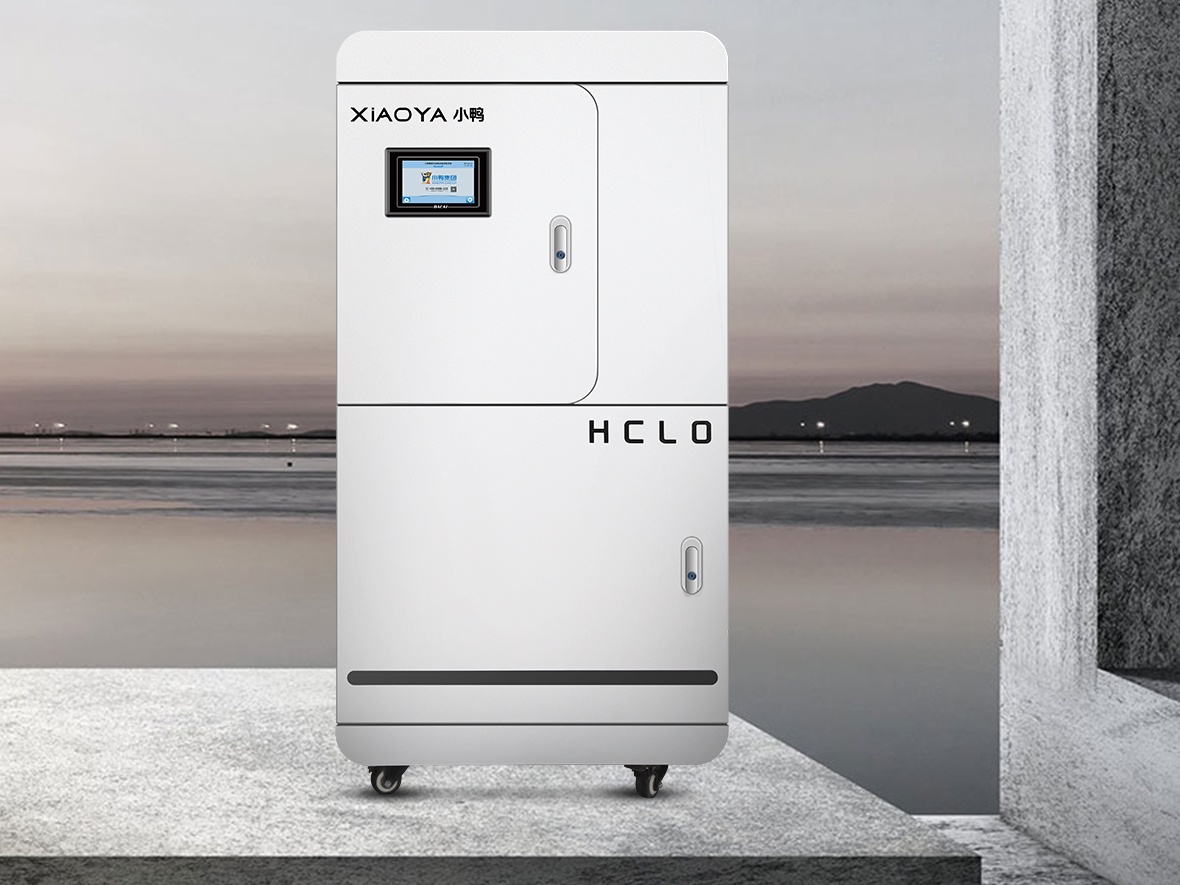
HClO Water Treatment in Beverage Production: What This Case Really Shows
In beverage production, even small microbial control failures can lead to costly recalls, compliance risks, and brand damage.
This hclo water treatment case study shows how automated disinfection can improve sanitation consistency without slowing the line.
It is especially relevant where water quality, rinse reliability, and equipment hygiene affect both output and brand trust.
Where the Microbial Risk Started
The site had stable production capacity, but sanitation results varied between shifts.
The biggest issue was not one major failure. It was many small control gaps across water use points.
In this hclo water treatment review, three areas stood out: final rinse water, tank cleaning cycles, and operator-dependent dosing checks.
That pattern is common in automated equipment environments tied to disinfection appliances, small household systems, and integrated R&D-led production operations.
What changed first on site
- Map every water contact point before changing chemistry. Many contamination events come from overlooked rinse paths, hose ends, and low-use branches, not the main process tank.
- Set one verification standard across shifts. If test timing, sample points, and acceptable ranges differ, hclo water treatment performance will look unstable even when dosing is correct.
- Link sanitation data to production events. Correlating microbial counts with downtime, warm starts, and CIP resets reveals whether the issue is disinfection strength or process behavior.
- Check incoming water before blaming the line. Turbidity, organics, and pressure variation can reduce hclo water treatment effectiveness and create inconsistent downstream sanitation results.
Why Automation Made the Difference
The facility did not just add disinfectant. It tightened the control logic around how treated water was produced, delivered, and verified.
That matters in beverage plants, where manual routines often drift under production pressure.
A practical upgrade path included filtration, sterilization, and repeatable flow control before hclo water treatment entered critical hygiene steps.
One relevant example is Duckling ultrafiltration water purification and sterilization device XYCL-1000, which combines hollow fiber PVC ultrafiltration with UV-C 254nm sterilization.
For automated sanitation systems, that combination helps stabilize feed water quality before final disinfection control.
What to Check Before Expanding HClO Water Treatment
This part often gets skipped.
A good hclo water treatment setup can still underperform if upstream water preparation and downstream execution are not aligned.
Useful checks during planning
- Confirm whether treated water is used for ingredient contact, equipment rinse, or environmental sanitation. Each use point needs different monitoring frequency and validation depth.
- Review residence time in pipes and storage tanks. Even strong hclo water treatment can lose effectiveness if water stagnates in dead legs or oversized buffers.
- Define maintenance triggers in advance. UV lamp hours, membrane life, and flow reduction should be planned as operating controls, not handled after sanitation weakens.
- Test automation alarms under real production conditions. An alert that works in commissioning may be ignored during line changeovers, overtime shifts, or rapid restart windows.
Two Practical Scenarios That Often Get Missed
After weekend shutdowns
Warm idle periods can quietly raise microbial risk.
Here, hclo water treatment should be tied to restart flushing rules, sample confirmation, and a short verification window before full-speed production resumes.
During capacity expansion
When throughput increases, sanitation systems are often expected to scale automatically.
They usually do not. Flow demand, UV exposure, and filtration load must be recalculated together, especially if upstream purification supports hclo water treatment stability.
For reference, the XYCL-1000 supports 1000L/H ultrafiltration flow, UV sterilization capacity up to 0.35T/H, lamp life designed for 8000 hours, and sterilization above 99.9%.
Common Weak Points Behind “Good” Test Results
Passing one water sample does not prove process control.
In several beverage operations, acceptable lab results hid inconsistent execution on the floor.
- Do not sample only easy-access points. The most useful hclo water treatment data usually comes from the furthest outlet or the least frequently used branch.
- Avoid separating hygiene records from machine records. If flow, downtime, and sanitation logs live in different systems, root cause analysis becomes slow and incomplete.
- Treat operator workarounds as warning signs. Temporary hose bypasses, manual rinses, or skipped preflush steps often explain why contamination returns after good audits.
A Sensible Next Step
The main lesson from this hclo water treatment case is simple.
Reliable sanitation is rarely about chemistry alone. It depends on automation discipline, upstream water control, and clear verification routines.
If microbial risk appears in rinse water, CIP recovery, or restart periods, start with a short system review.
Check water quality inputs, flow design, maintenance timing, and how hclo water treatment data connects to actual production events.
That approach makes it easier to decide whether a process adjustment, an automation upgrade, or a purification and sterilization unit will create the most practical improvement.
NEWS
 Disinfection Empowers Orthodontic Safety: Hypochlorous Acid Generators Build a Sterile Defense Line for Dental Instruments
- Accumulating Strength and Reaching New Heights: A Record of the Production Breakthrough of Xiaoya Small Home Appliances' Hypochlorous Acid Generators
 Batch vs. Continuous HOCl Generators for Multi-Shift Facilities
 How Do HOCl Generators Turn Salt and Water into Cleaning Solutions?
 Medical HOCl Generator Procurement: Service, Training, and Traceability
Leave us a message

Xiaoya Group was founded in 1979,expert in the electrolyzed water industry.
Get in Touch
*We respect your confidentiality and all information are protected.