news
Does a Hypochlorous Acid Machine Reduce Chemical Storage and Handling Risks?
For many facilities, chemical risk starts long before disinfection begins.
It begins in storage rooms, transport records, dilution stations, and daily handling.
That is why interest in the hypochlorous acid machine keeps growing.
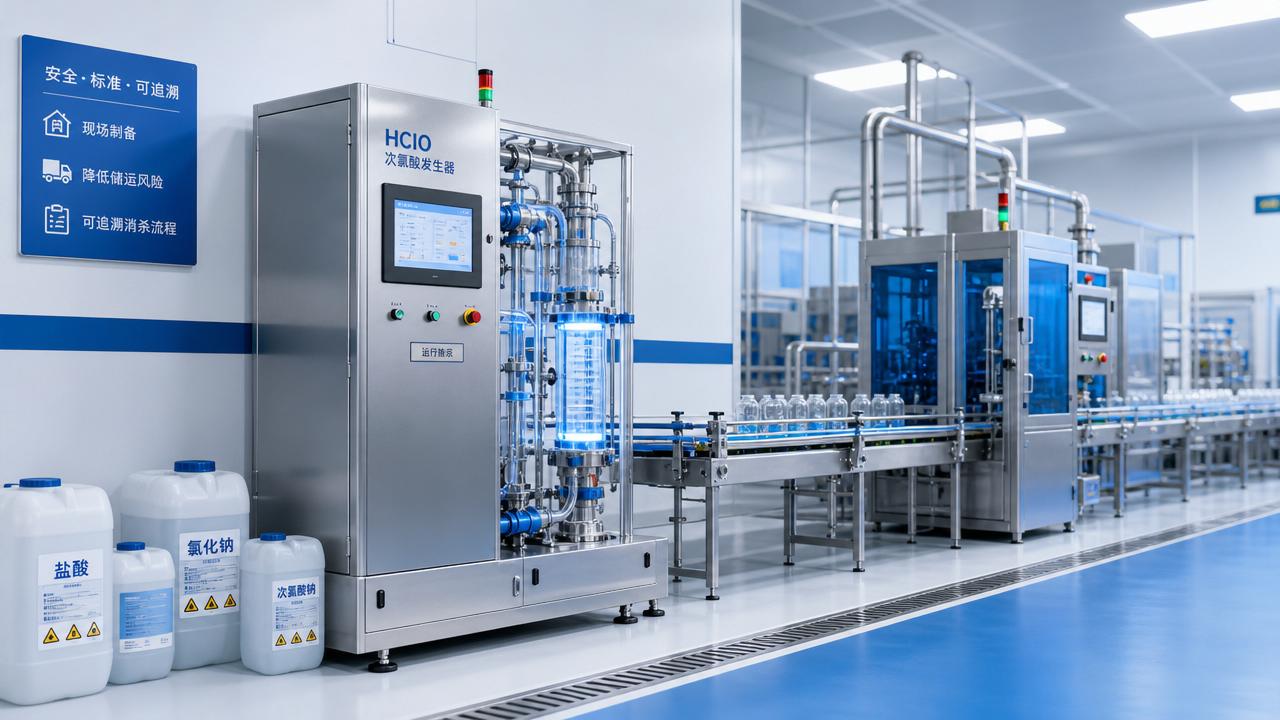
Instead of storing large amounts of conventional disinfectants, teams can generate solution on site.
This shift can reduce exposure points, simplify workflows, and support more controlled sanitation practices.
In automated equipment environments, that matters even more because consistency and traceability are essential.
Why Chemical Storage Creates Ongoing Risk
Traditional disinfectants often require dedicated storage, labeling, ventilation, and spill response planning.
The larger the inventory, the greater the potential impact of leaks, mixing errors, or expired stock.
Handling risks also increase when workers must transfer, dilute, or manually prepare chemical solutions.
Even well-managed sites face pressure from documentation, training, and changing compliance requirements.
In real operations, risk often comes from repeated small steps rather than one major incident.
Common pressure points
- Bulk chemical receiving and internal transport
- Separate storage for incompatible materials
- Manual dilution and concentration checks
- Residual waste, container disposal, and spill cleanup
- Inventory aging and performance uncertainty over time
How a Hypochlorous Acid Machine Changes the Risk Profile
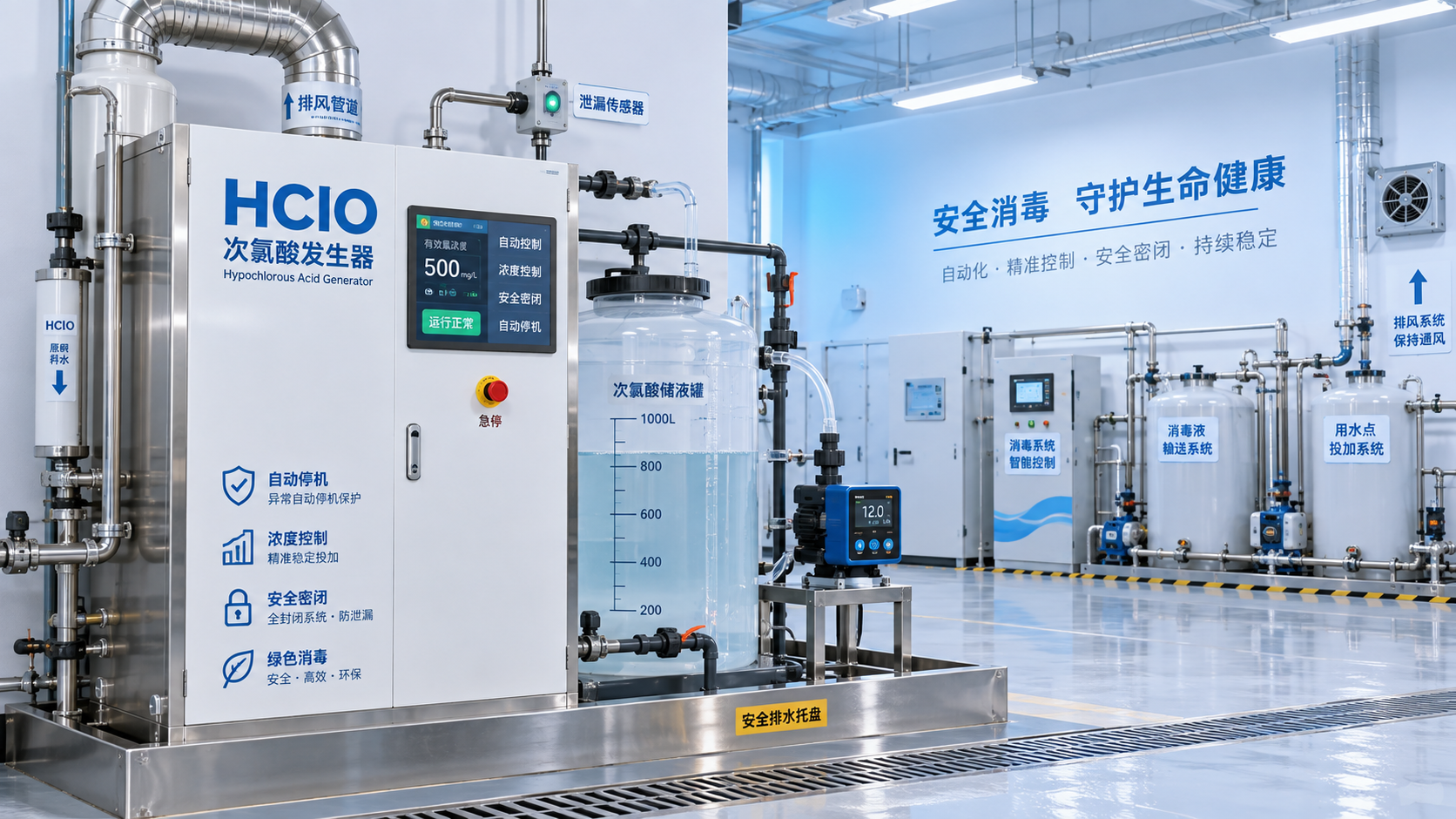
A hypochlorous acid machine produces disinfectant at the point of use.
That simple change reduces the need to store and handle large volumes of ready-made chemicals.
It also shortens the chain between production, verification, and application.
From a risk control perspective, fewer transfer steps usually mean fewer opportunities for error.
This is especially useful in facilities managing kitchen equipment, bathroom appliances, health care devices, and small appliances.
Where automated production and sanitation intersect, stability in disinfection routines directly supports product quality.
Key safety advantages
- Lower on-site chemical inventory
- Less frequent transport and container movement
- Reduced manual mixing and dilution tasks
- Simpler batch control for fresh disinfectant use
- Cleaner documentation path for traceable operations
What Risk Reduction Looks Like in Practice
A hypochlorous acid machine does not remove all safety obligations.
Water quality, salt input, operating parameters, and concentration checks still need control.
However, the type of risk becomes easier to manage.
Instead of supervising many external chemical deliveries, teams focus on one standardized generation process.
That usually fits better with modern safety systems and lean operating models.
Typical operational improvements
- Fewer hazardous goods stored for long periods
- More predictable disinfectant availability during shifts
- Lower risk of using degraded or expired stock
- Easier staff training around one controlled process
- Better alignment with routine equipment sanitation schedules
Standards, Validation, and Control Points
Technical decisions should never stop at convenience.
A hypochlorous acid machine should be evaluated against sanitation goals, process validation, and internal control standards.
That includes output concentration, pH stability, contact time, material compatibility, and recordkeeping capability.
For automated equipment settings, integration with standard operating procedures is just as important.
The goal is not only safer chemical handling, but also repeatable disinfection performance.
Where On-Site Generation Fits Best
The best use case for a hypochlorous acid machine is a site with frequent disinfection demand.
That may include production lines, assembly areas, packaging zones, tool sanitation points, or shared hygiene spaces.
It is also practical where storage space is limited or chemical handling rules are becoming stricter.
As compliance expectations rise, on-site generation becomes less of a convenience and more of a control strategy.
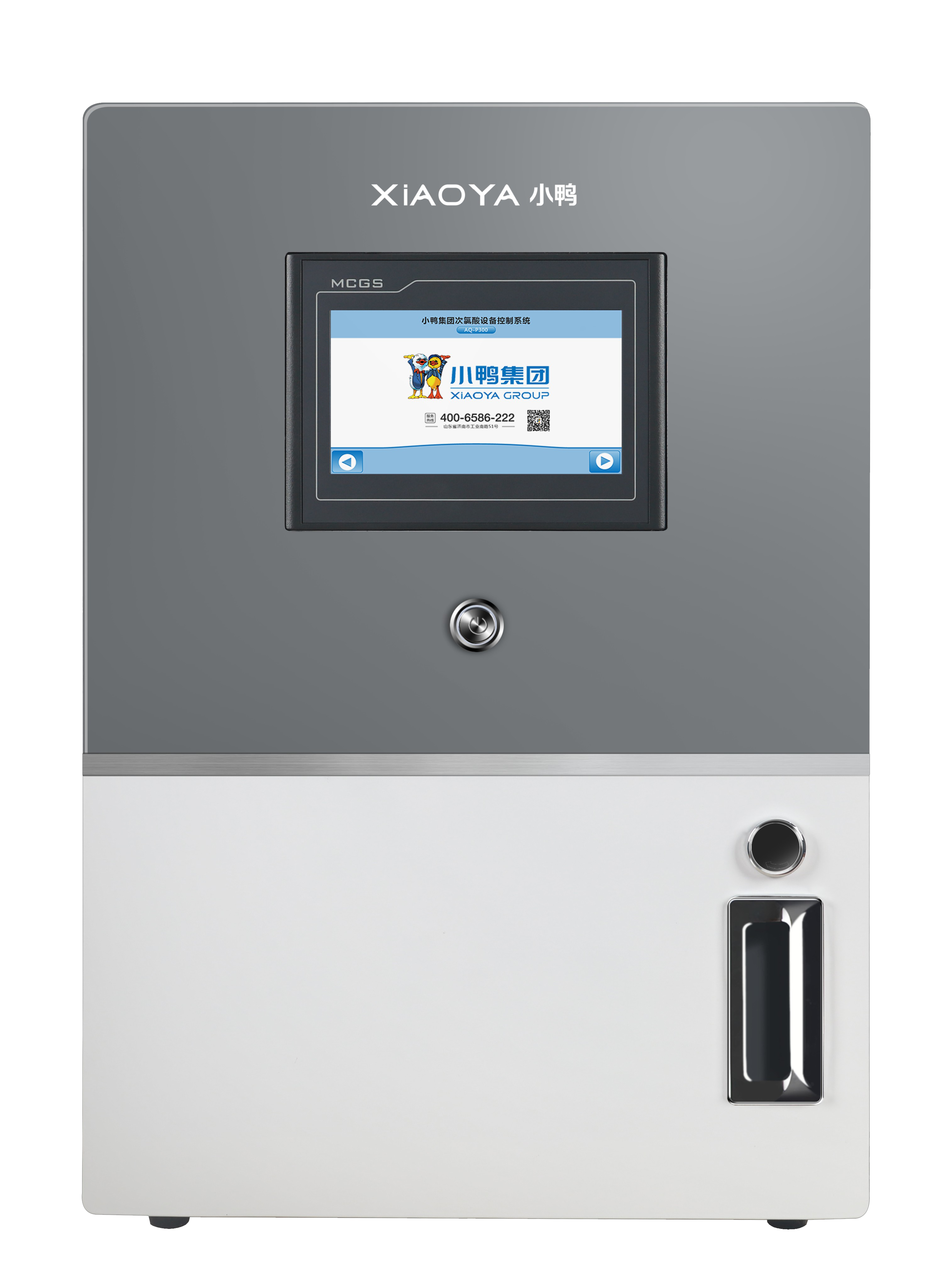
One example is the Hypochlorous Acid Generator for Public Health (AQ-P1000).
For organizations balancing sanitation demand with tighter handling controls, this type of equipment deserves close review.
How to Evaluate a Hypochlorous Acid Machine Before Adoption
A solid decision should be based on risk reduction, not just product claims.
Start with the daily realities of your site.
Map where chemicals are received, stored, diluted, used, and discarded.
Then compare that map with an on-site generation model.
- Review current chemical incident history and near misses
- Check disinfection frequency and peak demand periods
- Confirm required concentration and validation methods
- Assess utility access, installation space, and maintenance needs
- Ensure SOP updates, operator training, and verification plans
This is where many facilities see the bigger benefit.
A hypochlorous acid machine can improve safety while making sanitation routines easier to standardize.
Final Takeaway
Yes, a hypochlorous acid machine can reduce chemical storage and handling risks in a meaningful way.
The biggest gain comes from cutting inventory, reducing transfers, and producing disinfectant closer to where it is used.
That does not eliminate control duties, but it makes them more focused and often more manageable.
For operations centered on automated equipment, the value is both practical and strategic.
If your current process depends on storing, moving, and mixing large amounts of disinfectant, it may be time to reassess.
A carefully selected hypochlorous acid machine can support safer handling, better consistency, and stronger operational control.
NEWS
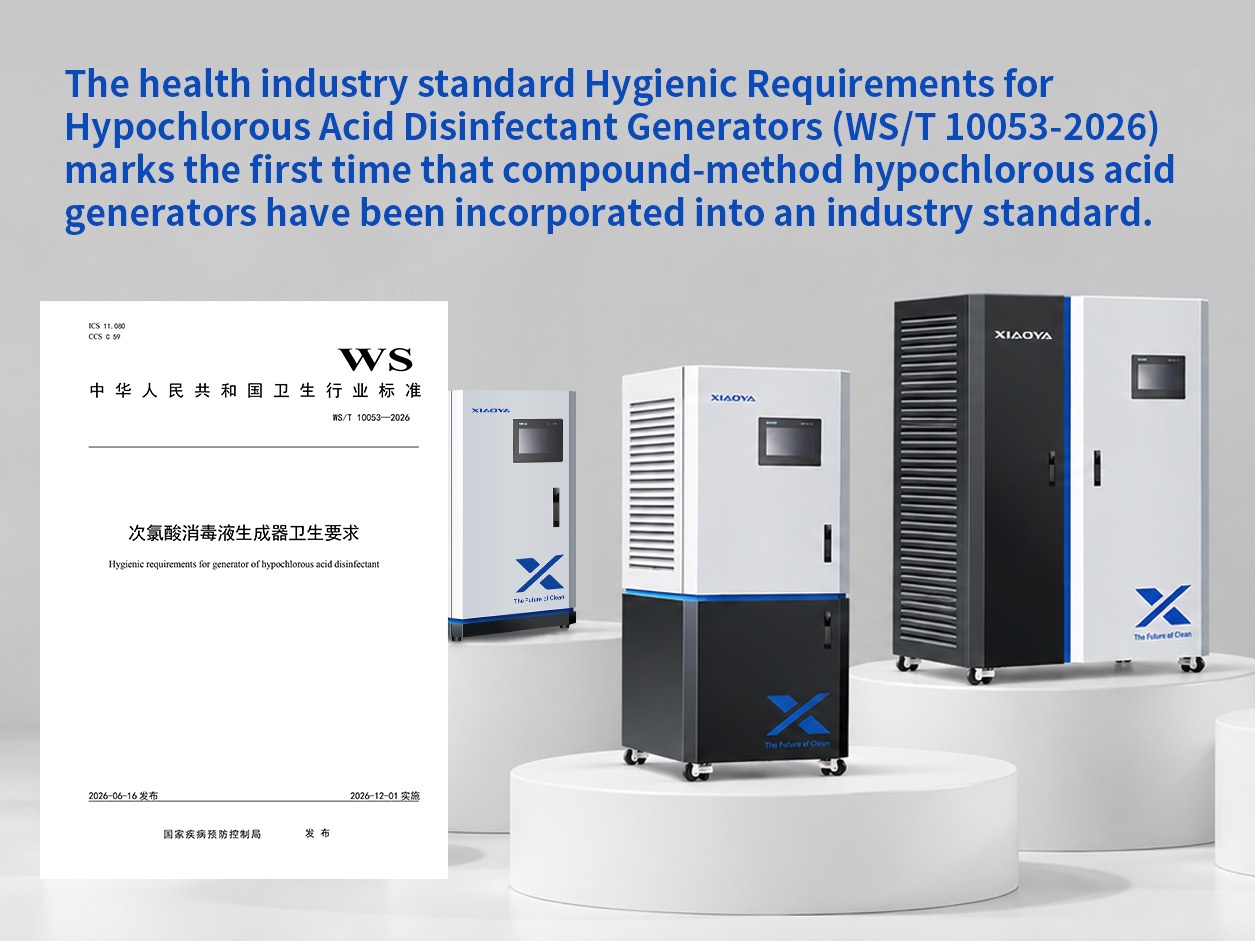
 WS/T 10053-2026 Includes the Compound Method for the First Time: Standard Signals and Market Opportunities for Mass Agricultural Production of Hypochlorous Acid Generators
 Evaluating HClO Generator Lifecycle Costs Beyond the Initial Equipment Price
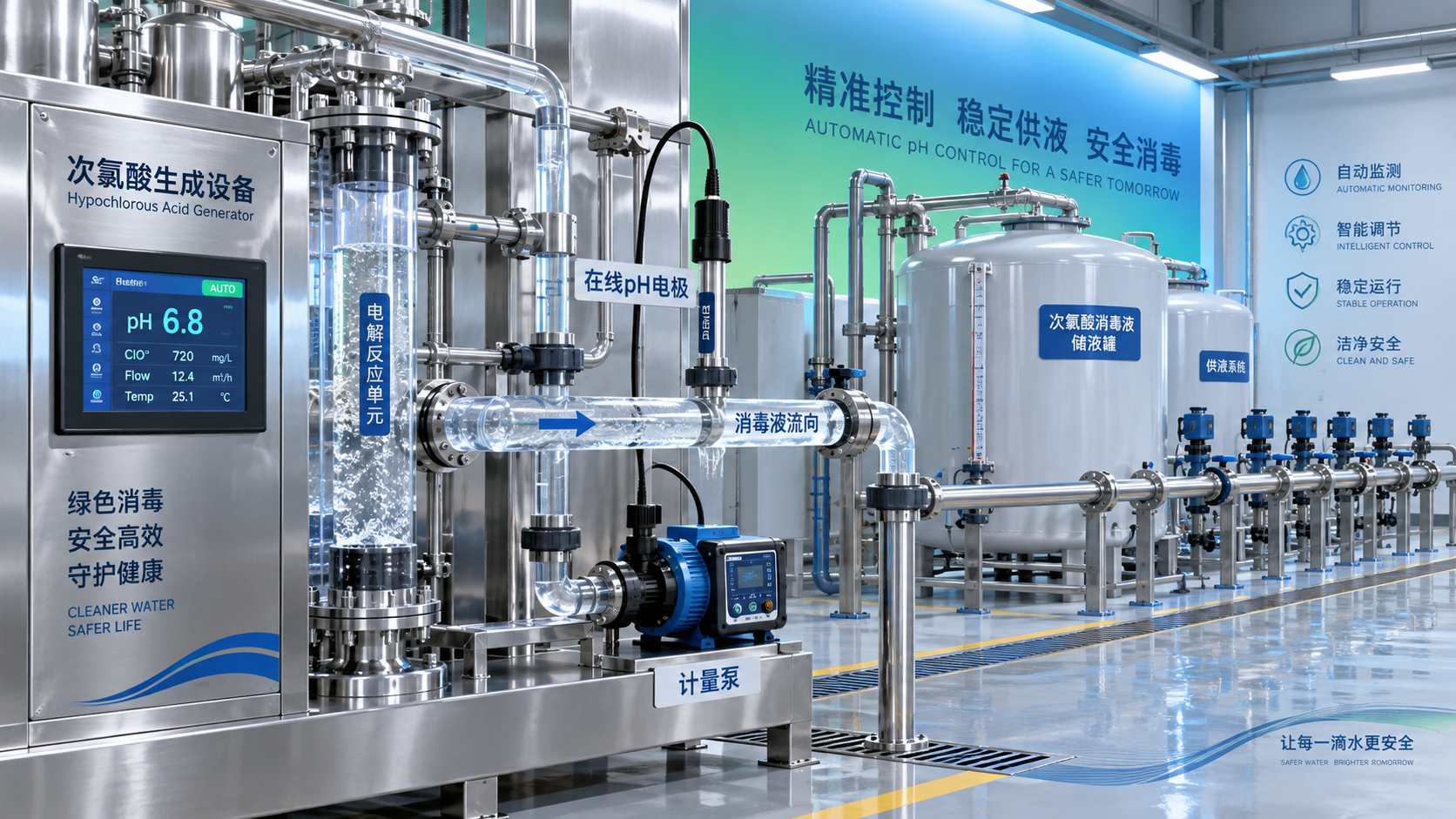
 HClO Generator pH Control: Why It Determines Disinfection Performance
- Which Safety Features Matter Most When Buying an HClO Generator?
 Troubleshooting Low ORP Readings on a Hypochlorous Acid Machine
Leave us a message

Xiaoya Group was founded in 1979,expert in the electrolyzed water industry.
Get in Touch
*We respect your confidentiality and all information are protected.