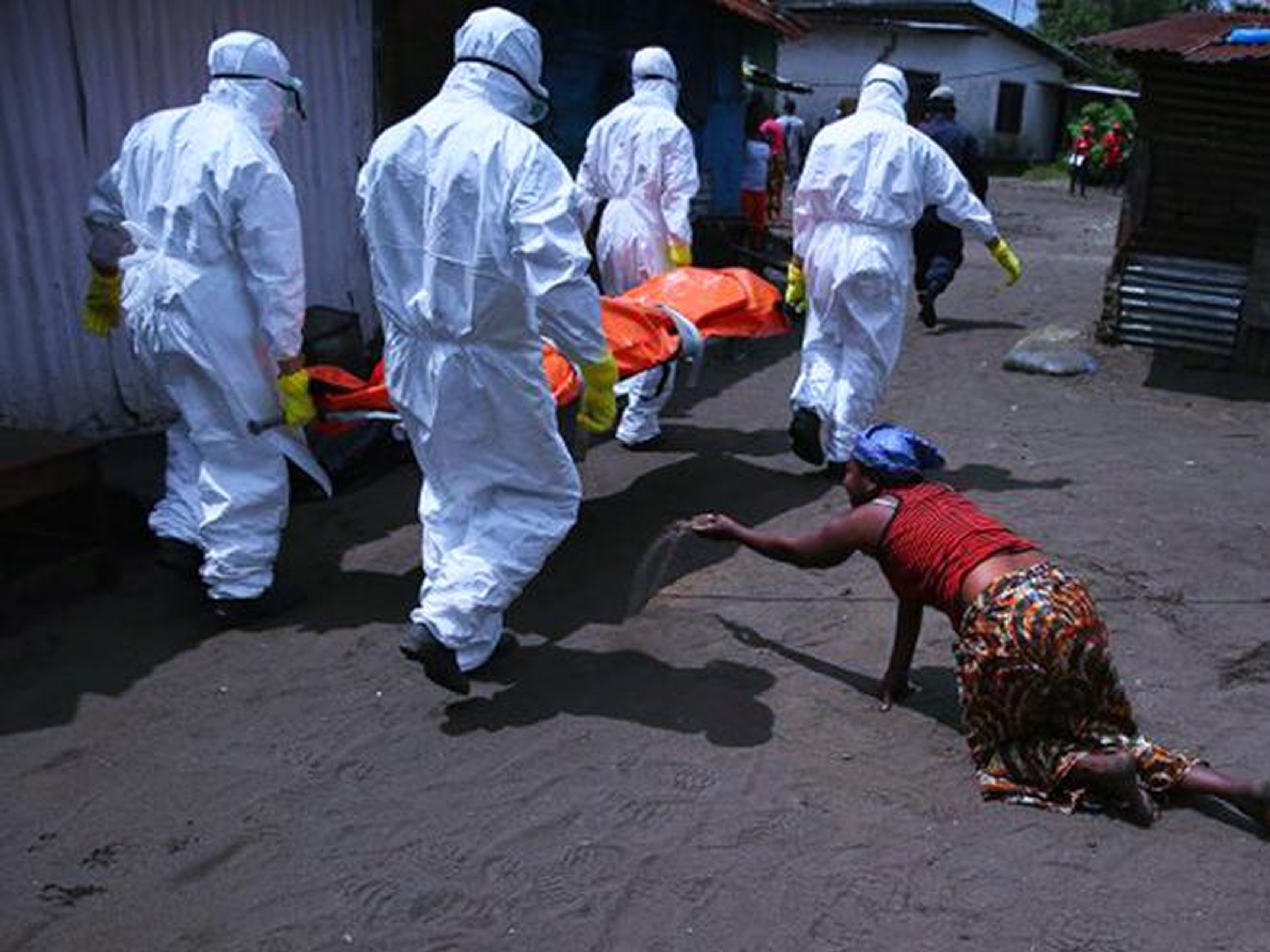
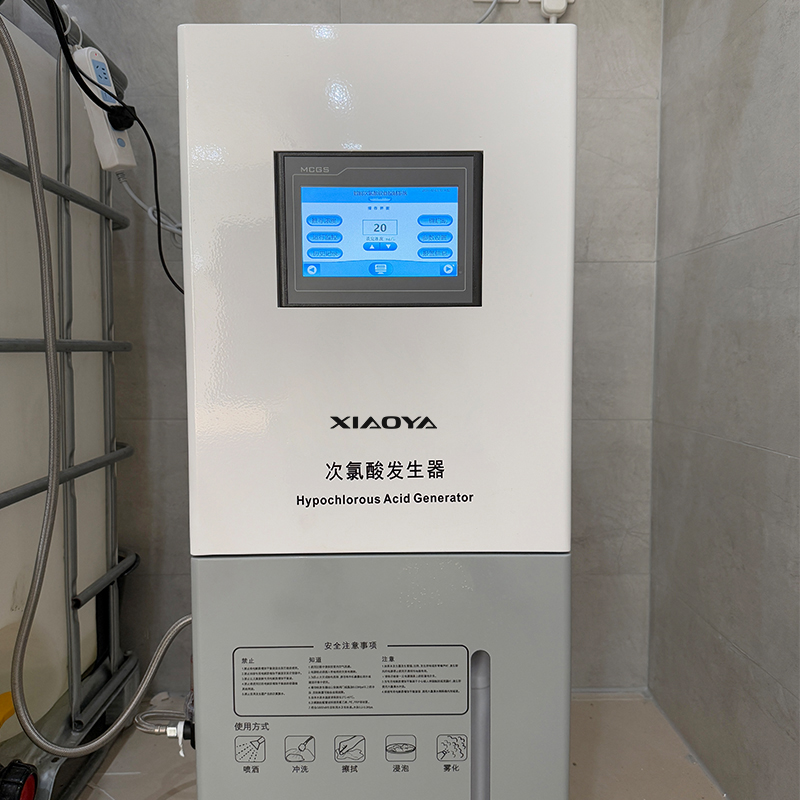
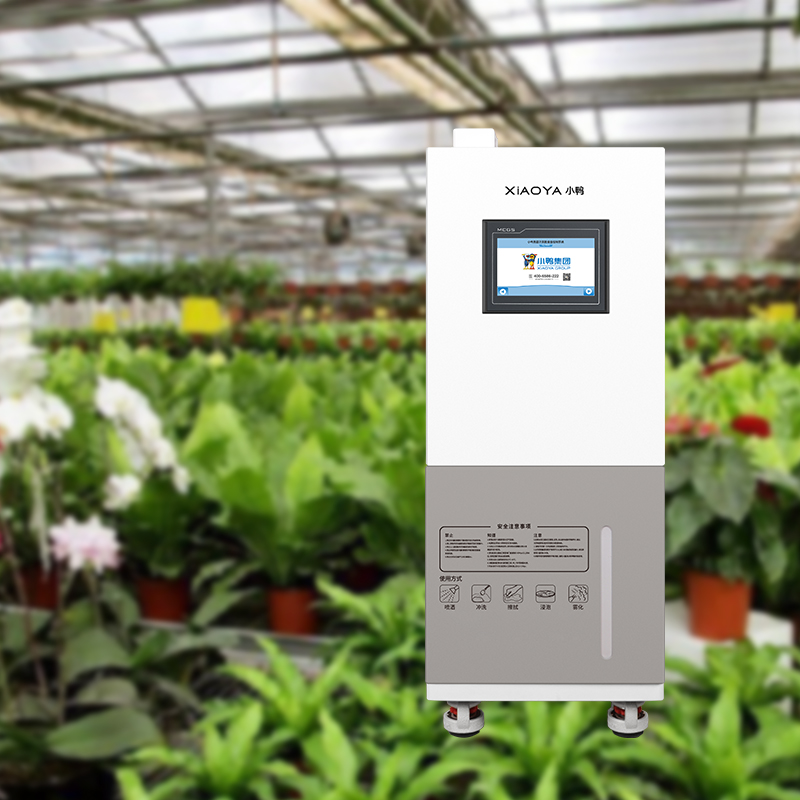
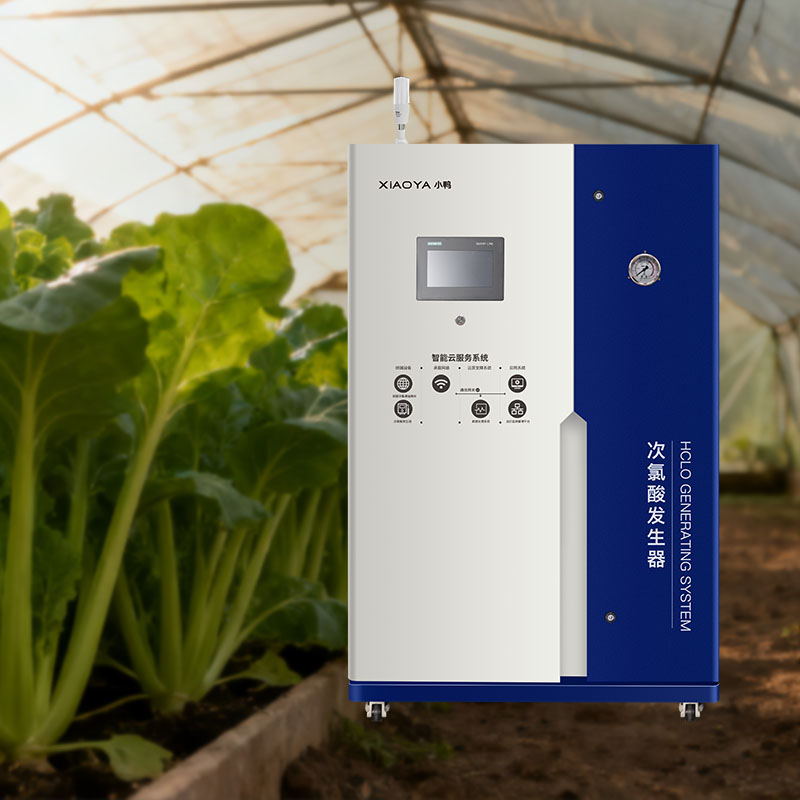
Recently, as the normalization of Ebola virus prevention and control advances in global tropical regions, the challenges of rapid disinfection of highly pathogenic viruses and comprehensive epidemic prevention have once again drawn public health attention. As a key epidemic prevention technology recommended by the WHO and CDC agencies, the hypochlorous acid generator has become a core equipment for emergency response to Ebola outbreaks and routine disinfection in epidemic areas, leveraging its core advantages of efficient inactivation, safety, non-toxicity, on-site raw material sourcing, and real-time generation. It firmly reinforces the critical defense line against the transmission chain of highly pathogenic viruses.
As a highly lethal filovirus, Ebola virus is highly infectious and has a long survival period. It can remain infectious at room temperature for extended periods and can spread through contact, body fluids, and contaminated surfaces. Once an outbreak occurs, it can easily trigger cluster infections, posing enormous challenges to medical treatment and epidemic control efforts. According to public health prevention guidelines, traditional disinfection methods have shortcomings such as incomplete disinfection, inconvenient storage and transportation of chemicals, strong irritation, and residue issues, making them ill-suited for comprehensive disinfection of medical environments, living areas, and medical waste in epidemic regions. These have long been difficulties and pain points in Ebola prevention efforts.Given the disinfection requirements for Ebola virus, the hypochlorous acid generator demonstrates irreplaceable epidemic prevention advantages. Authoritative testing and WHO epidemic control data confirm that hypochlorous acid (HClO), through strong oxidation, rapidly disrupts the protein envelope and membrane structure of the Ebola virus, destroys its active sites, and fundamentally blocks viral replication and transmission. The inactivation rate against Ebola virus can reach over 99.99%, with fast and thorough disinfection effects, fully meeting the disinfection standards for highly pathogenic viruses. Unlike traditional disinfectants, the hypochlorous acid generator uses pure water and dilute hydrochloric acid electrolysis technology to generate slightly acidic hypochlorous acid water on-site in real time. It requires no pre-mixing and no large-scale storage of disinfectant chemicals, fundamentally avoiding the safety risks associated with transporting and storing high-concentration disinfectants. It perfectly suits the emergency disinfection needs of remote epidemic areas, temporary prevention sites, and field medical stations.
In multiple overseas Ebola outbreak emergency responses, such as in the Democratic Republic of the Congo, hypochlorous acid generation equipment has been applied on a large scale and has become standard equipment for international health organizations in epidemic areas. The adjustable-concentration hypochlorous acid disinfectant produced by the equipment can precisely match all Ebola prevention scenarios: high-concentration disinfectant can be used for intensive disinfection of medical equipment, protective gear, medical waste, floors, and object surfaces in epidemic areas, strictly adhering to the WHO-recommended concentration standards for highly pathogenic virus disinfection; mild-concentration disinfectant can be used for hand disinfection of healthcare workers, air atomization disinfection in epidemic areas, and disinfection of living environments, with no irritation, no residue, and no drug resistance throughout the process, and it does not cause secondary harm to the human body or the ecological environment. This solves the drawbacks of traditional chlorine-containing disinfectants, such as strong irritation, corrosion of equipment, and harm to human mucous membranes.
Industry epidemic prevention experts state that the core of highly pathogenic virus prevention lies in "rapid disinfection, full coverage, and safety and controllability." The hypochlorous acid generator overcomes the drawbacks of traditional disinfection models, achieving integrated preparation, disinfection, and application. The equipment is easy to operate, extremely low-energy, and highly adaptable. It can produce qualified disinfectant quickly without the need for professional operators, greatly reducing the human and material costs of epidemic prevention in affected areas. At the same time, the disinfection mechanism of hypochlorous acid is physical oxidative inactivation, so viruses cannot develop resistance. Long-term use still maintains stable disinfection effectiveness, completely eliminating the risk of superbug emergence, and suitable for the normalization and long-term prevention needs of Ebola outbreaks.
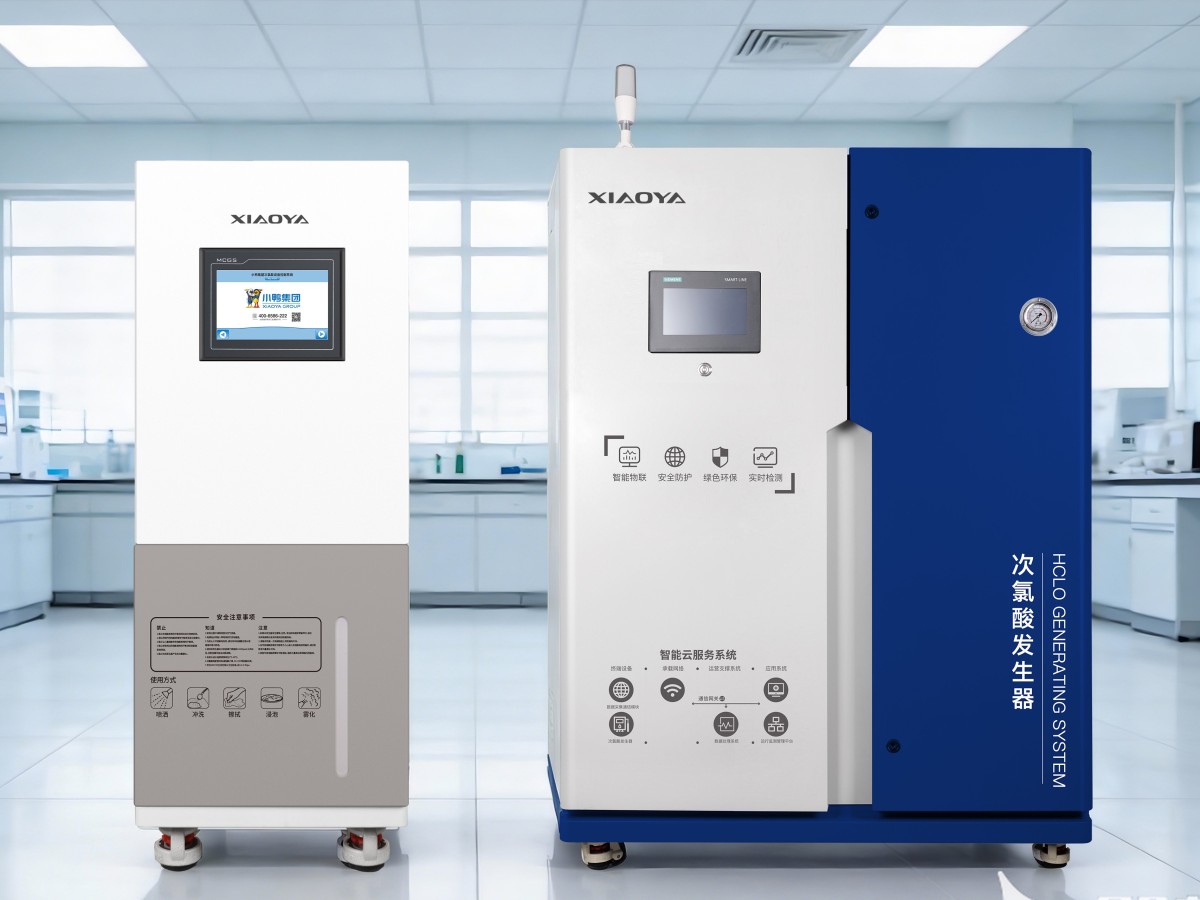
Currently, the global situation of major emerging infectious disease outbreaks remains severe. Efficient, safe, and green disinfection technologies have become a core pillar of public health emergency systems. The mature application of hypochlorous acid generators in Ebola virus prevention not only verifies their robust capability in the field of highly pathogenic virus disinfection but also provides an efficient solution for global prevention of virulent infectious diseases. In the future, with continuous technological iteration and upgrades, hypochlorous acid generation equipment will be further popularized in international emergency epidemic prevention, cross-border port quarantine, designated infectious disease hospitals, public health emergency reserves, and other scenarios, continuously supporting the construction of global public health security systems and building a technological barrier against virulent virus prevention.
NEWS
 Upgrade in Healthy Living: Hypochlorous Acid Generators Become the New Standard for Luxury Villas
- The Ultimate Solution to Pet Shop Disinfection Challenges! XIAOYA Hypochlorous Acid Generator: Safe Pet Protection with Peace of Mind
 Hypochlorous Acid Generator vs Sodium Hypochlorite Generator
- Hypochlorous Acid Generator Supplier
- Hypochlorous Acid Generator Manufacturer
Leave us a message

Xiaoya Group was founded in 1979,expert in the electrolyzed water industry.
Get in Touch
*We respect your confidentiality and all information are protected.