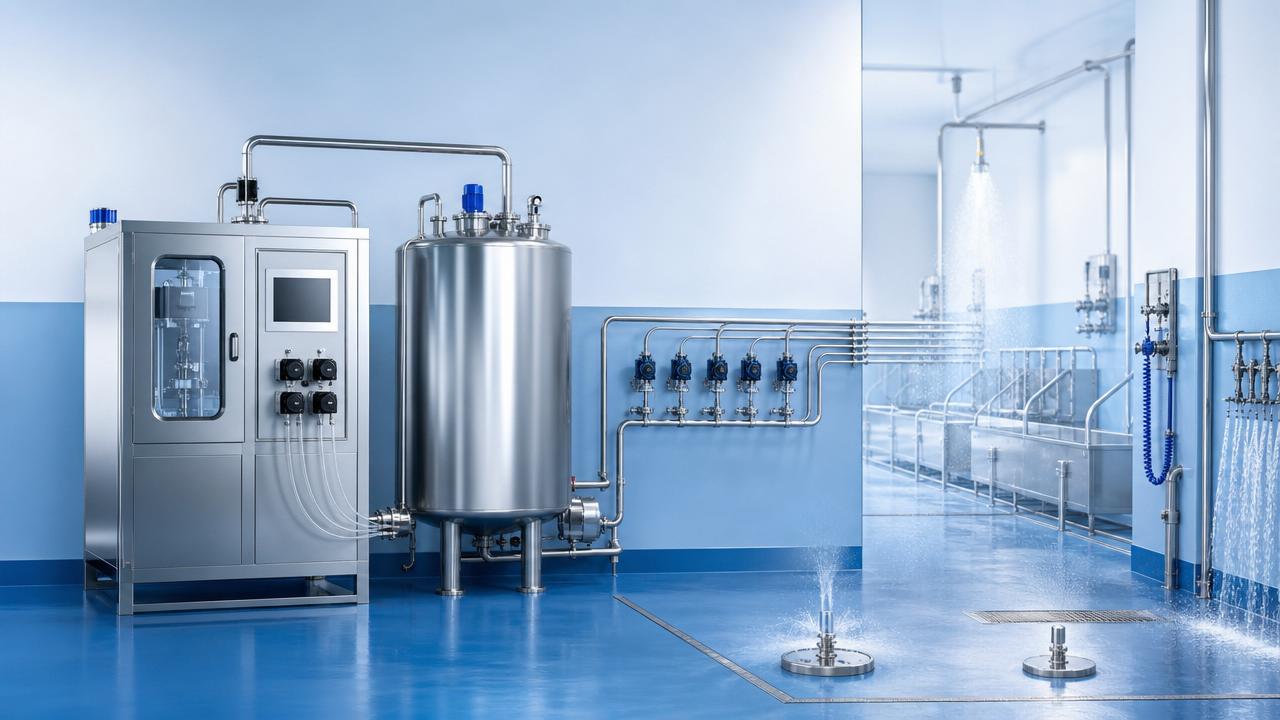
Best Hypochlorous Acid Machine Setup for Small Factories and Centralized Sanitizing
Choosing the best hypochlorous acid machine for small factories and centralized sanitizing requires more than comparing output specs.
A practical setup must support stable disinfection, easy automation, and predictable daily operation.
That matters even more when one system serves several rooms, lines, or sanitation points.
This guide explains how to select a hypochlorous acid machine by capacity, integration, safety, and long-term operating value.
Why the Right Hypochlorous Acid Machine Setup Matters
In small factories, sanitizing demand often changes by shift, season, and product mix.
A hypochlorous acid machine that looks sufficient on paper may still fail during peak cleaning periods.
The bigger issue is not just production volume.
It is whether the system can deliver consistent solution quality at every use point.
Centralized sanitizing adds another layer.
Distribution distance, response time, storage limits, and operator habits all affect real results.
Common setup goals
- Stable disinfectant generation during daily production.
- Fast supply to equipment, tools, floors, and personnel stations.
- Low manual dosing and fewer chemical handling steps.
- Easy integration with automated cleaning routines.
- Reliable compliance support for hygiene control programs.
How to Size a Hypochlorous Acid Machine Correctly
Start with daily usage mapping, not supplier brochures.
List every sanitizing point, target concentration, shift pattern, and cleaning frequency.
Then calculate peak hourly demand.
That number is usually more useful than total daily demand.
For example, one washdown period may consume half the daily volume within one hour.
If the hypochlorous acid machine cannot keep up, operators will compensate in inconsistent ways.
Key sizing factors
- Hourly output required at peak cleaning windows.
- Required available chlorine concentration range.
- pH adjustment needs for different applications.
- Number of simultaneous dispensing points.
- Buffer storage, if immediate consumption is uneven.
A strong application example is Application of Electrolytic Salt-based Hypochlorous Acid Generator in Food Industry, which uses model XY-SAEW-100 with 100L/H output.
What to Check Beyond Output Specifications
Output alone does not define performance.
Project results depend on controllability, consistency, and maintenance burden.
A good hypochlorous acid machine should match both sanitation targets and plant operating discipline.
Critical technical checkpoints
- Adjustable concentration, such as 10-1000ppm, for multiple cleaning tasks.
- Adjustable pH for process flexibility and disinfecting efficiency.
- Stable ORP performance for effective oxidation activity.
- Reliable power demand that suits local utilities.
- Electrolytic cell life that supports predictable service planning.
In practical operations, adjustable parameters are especially valuable.
Fruit washing, equipment spraying, room fogging, and personnel sanitization rarely need identical settings.
A flexible hypochlorous acid machine reduces the need for separate systems and simplifies training.
Best Setup for Centralized Sanitizing
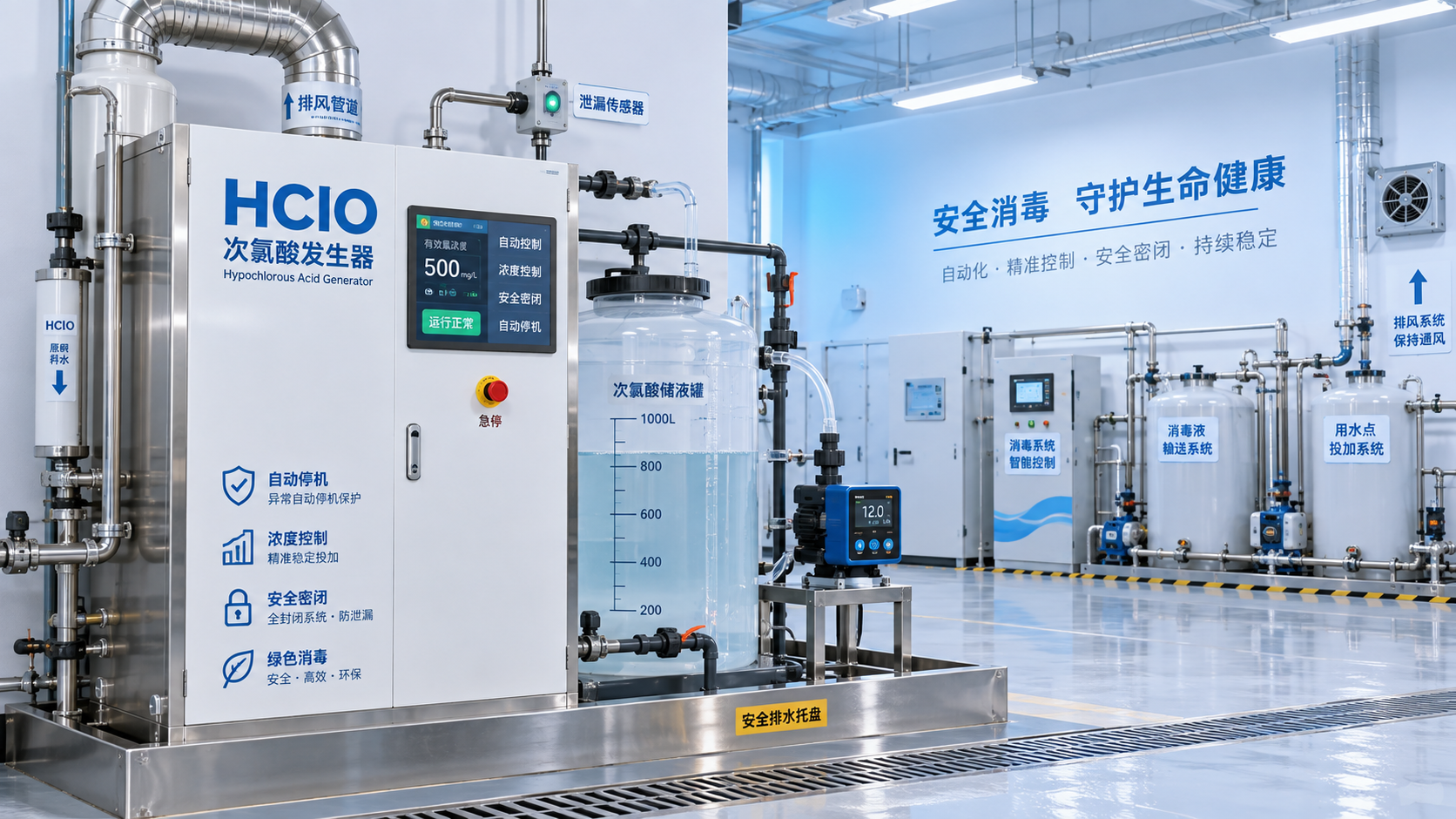
For centralized sanitizing, the best layout usually combines on-site generation with short distribution paths.
That approach helps preserve solution activity and improves response speed.
The machine should be placed near the main sanitation demand zone.
From there, supply lines can feed tool stations, processing rooms, and entry checkpoints.
Recommended configuration ideas
- Use separate outlets for equipment, surfaces, and personnel hygiene.
- Add labeled control points for concentration-specific applications.
- Keep pipelines compact to limit performance loss.
- Reserve access space for routine inspection and cleaning.
- Link the system with existing cleaning schedules and SOPs.
This setup works well in food industry sites, central kitchens, and cold chain warehousing.
It also suits factories producing kitchen appliances, health care devices, and small household products with high hygiene expectations.
Automation, Safety, and Daily Operation
Automation matters because sanitizing is repetitive but operational mistakes are costly.
A hypochlorous acid machine with automatic water flushing, self-cleaning, and acid cleaning reduces downtime.
It also improves consistency between shifts.
That is often where long-term value becomes obvious.
Operational features worth prioritizing
- Automatic flushing to prevent scale and residue buildup.
- Self-cleaning support for stable electrolytic performance.
- Acid cleaning functions for extended service life.
- Simple controls that reduce operator dependency.
- Clear alarms for abnormal water, salt, or power conditions.
Safety should also include process safety, not only electrical safety.
Look for a hypochlorous acid machine that avoids chemical additives and minimizes secondary pollution.
That makes site management easier, especially in regulated environments.
Cost Evaluation and Long-Term Return
The cheapest machine is rarely the lowest-cost solution.
A better evaluation compares salt use, energy use, maintenance hours, and replacement cycles.
This is where efficient electrolysis design becomes important.
For instance, low salt consumption and lower residual chlorine can improve both operating cost and process comfort.
Useful buying questions
- How much usable disinfectant is produced per hour at target settings?
- What are the salt and power costs per shift?
- How often does the cell require service or replacement?
- Can one hypochlorous acid machine cover multiple applications safely?
- How much labor is removed from chemical mixing and handling?
A well-designed solution can support compliant production, quality upgrades, and cost optimization at the same time.
A Practical Fit for Food and Light Industrial Applications
One strong reference point is the food-focused setup behind the XY-SAEW-100 platform.
It is designed to produce high-stability HOCL in real time for ingredient cleaning, equipment disinfection, workshop sanitation, fresh-keeping, and personnel use.
Its rated power is 1500W, voltage is 220V~/50Hz, and the electrolytic cell life reaches at least 6000 hours.
The system also supports adjustable pH and customizable ORP according to process needs.
That makes this type of hypochlorous acid machine especially relevant for fruit and vegetable processing, meat processing, bakery production, snack foods, and centralized cleaning zones.
Final Decision Checklist
Before making a final choice, review the full operating picture.
- Confirm peak hourly demand, not just daily output.
- Match concentration and pH flexibility to actual cleaning tasks.
- Check automation features that reduce maintenance and inconsistency.
- Design the layout for short, efficient distribution paths.
- Compare total operating cost, not only purchase price.
The best hypochlorous acid machine setup is the one that works reliably every day.
It should fit your process, support automation, and stay easy to manage as demand grows.
When evaluation starts from real application needs, better decisions usually follow.
That is the most practical path to a safer, cleaner, and more efficient sanitizing system.
NEWS
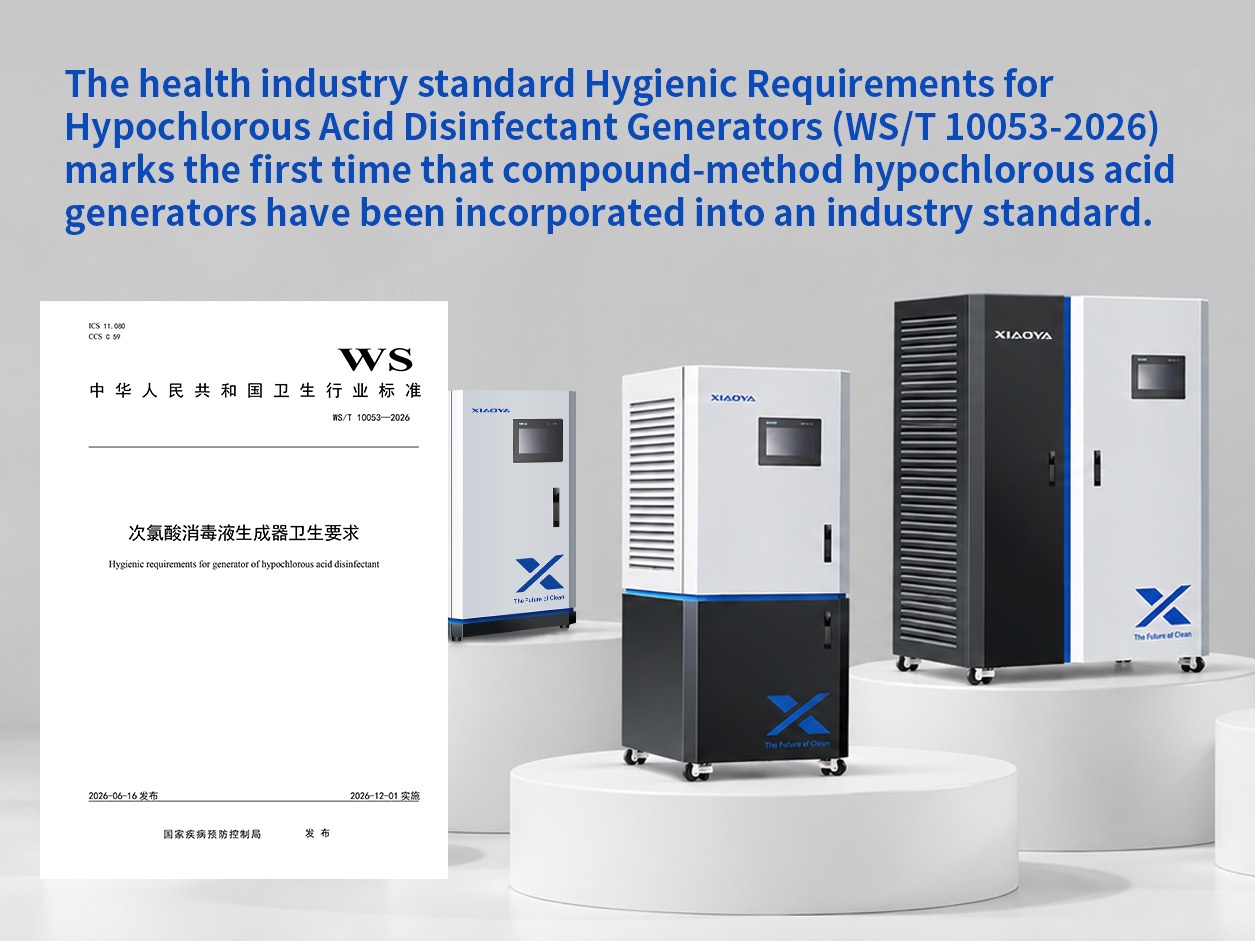
 WS/T 10053-2026 Includes the Compound Method for the First Time: Standard Signals and Market Opportunities for Mass Agricultural Production of Hypochlorous Acid Generators
 Evaluating HClO Generator Lifecycle Costs Beyond the Initial Equipment Price
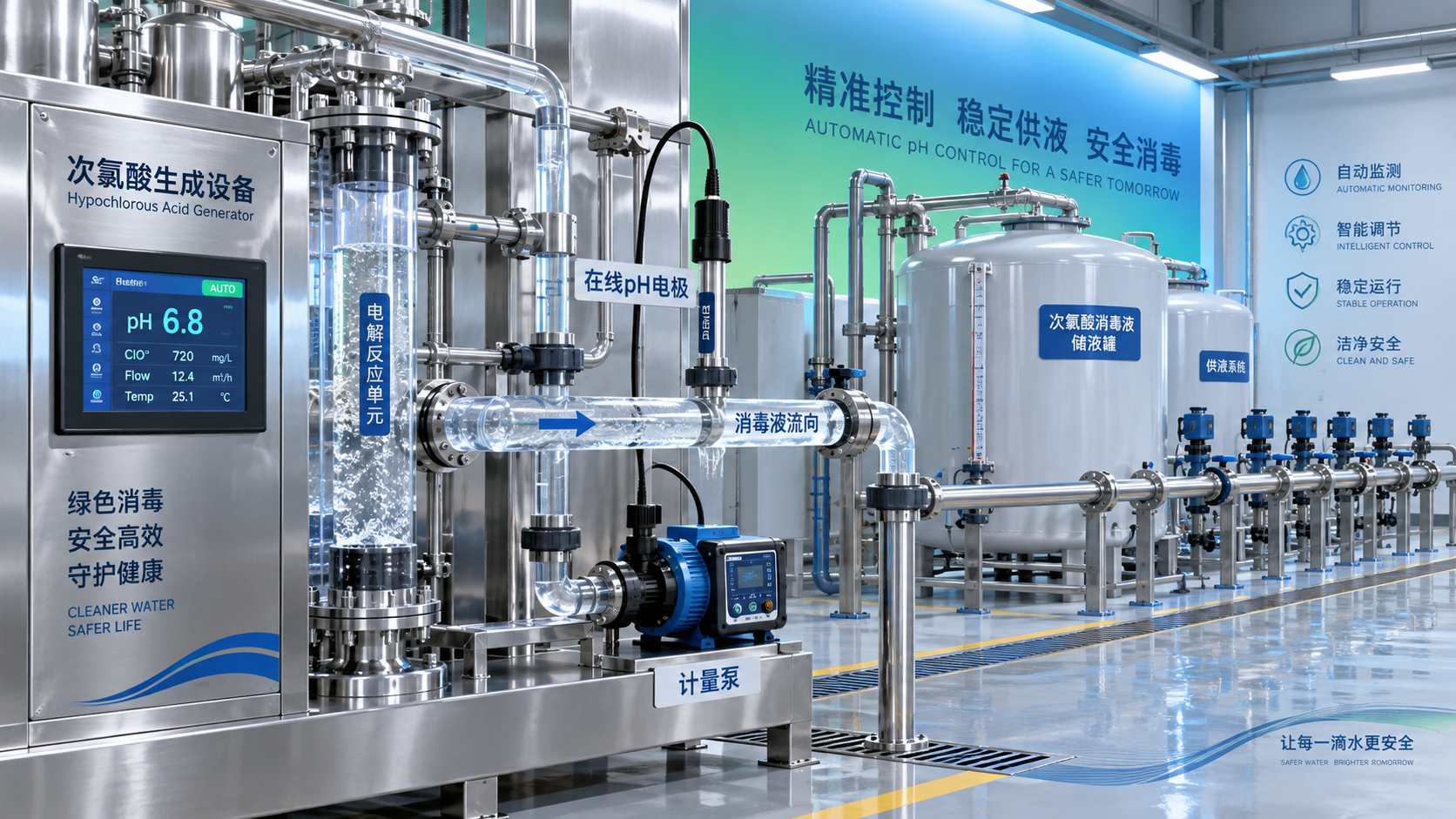
 HClO Generator pH Control: Why It Determines Disinfection Performance
- Which Safety Features Matter Most When Buying an HClO Generator?
 Troubleshooting Low ORP Readings on a Hypochlorous Acid Machine
Leave us a message

Xiaoya Group was founded in 1979,expert in the electrolyzed water industry.
Get in Touch
*We respect your confidentiality and all information are protected.