For on-site sanitation, the choice between a pre-mixed chemical and a hypochlorous acid water generator is rarely just about disinfection strength.
It also shapes storage risk, labor routines, replenishment speed, and how easily a facility can align sanitation with automation goals.
That matters across commercial kitchens, healthcare support spaces, appliance manufacturing, produce handling, and other environments where sanitation must stay consistent every day.
What the comparison really comes down to
A pre-mixed sanitizer is purchased, stored, diluted if needed, and applied until its shelf life, concentration, or compliance window becomes a concern.
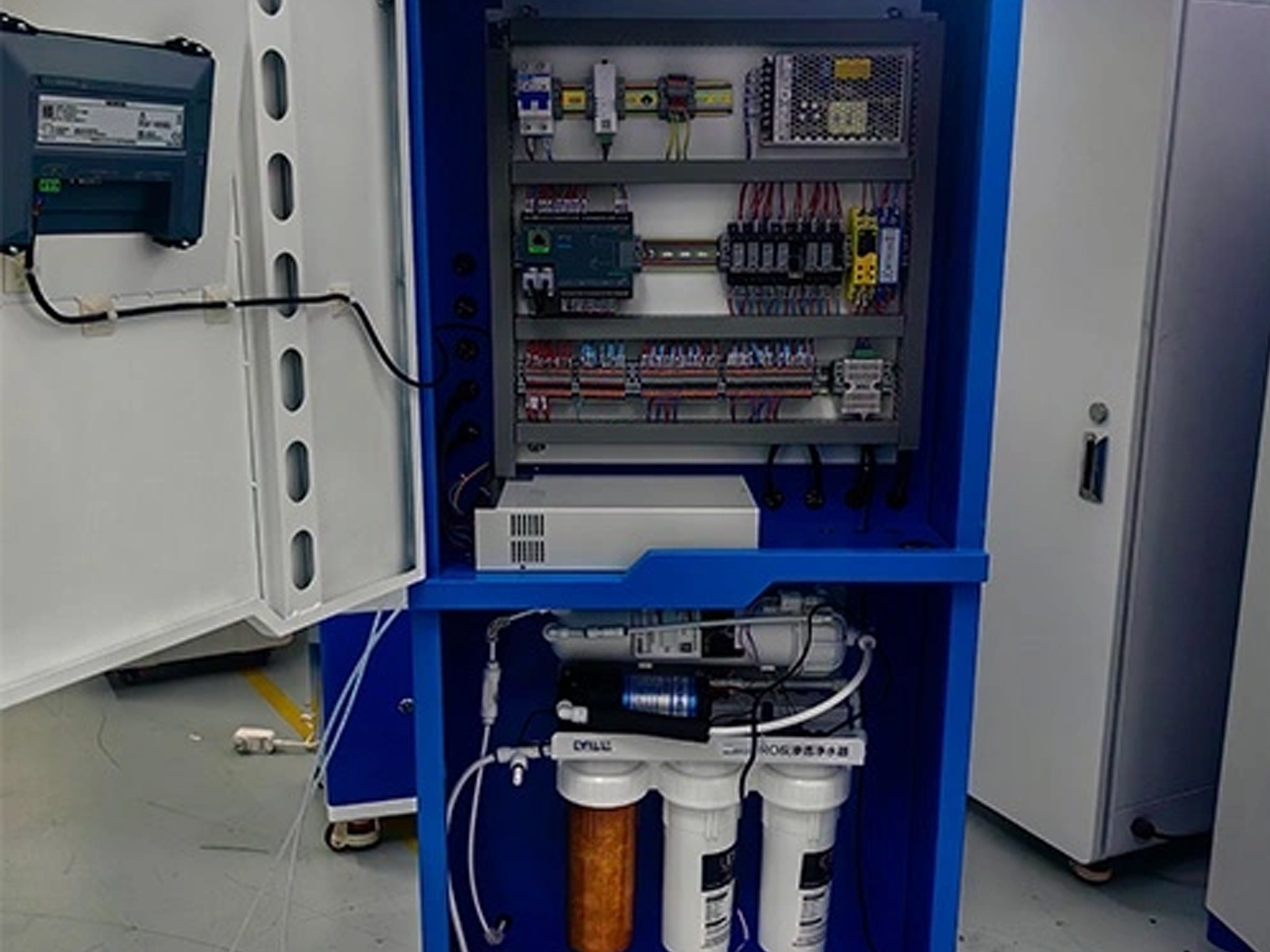
A hypochlorous acid water generator produces disinfectant on site through electrolysis, usually using water, salt or electrolyte, and controlled operating parameters.
Simple in concept, the operational difference is significant.
One model depends on outside supply and storage discipline.
The other depends on equipment stability, parameter control, and process integration.
Why more facilities are rethinking sanitizer supply
In automation equipment and related manufacturing sectors, sanitation is no longer treated as an isolated cleaning task.
It is increasingly tied to workflow design, traceability, labor efficiency, and environmental expectations.
Enterprises active in kitchen and bathroom appliances, health care and disinfection appliances, clean energy, and small household appliances often evaluate systems through a full-chain lens.
That means R&D, production, and daily operation must connect.
In that context, a hypochlorous acid water generator becomes attractive because it can move sanitation from a consumables problem to a managed process.
Operational differences that affect real cost
Pre-mixed sanitizer often looks simpler at the purchasing stage.
However, the visible price per container does not capture the full operating picture.
When usage is frequent and spread across shifts, on-site generation often improves predictability more than buyers expect.
Safety and performance are not the same thing
A common mistake is to compare products only by label claims.
For on-site use, safety includes storage exposure, operator contact, ventilation needs, and residue management after application.
A properly designed hypochlorous acid water generator can support slightly acidic hypochlorous acid water with effective antimicrobial action and gentler application characteristics.
That becomes especially relevant in food-contact and high-turnover environments.
Still, performance depends on concentration, pH stability, water quality, and maintenance discipline.
In other words, equipment quality matters as much as chemistry.
Where on-site generation shows stronger value
Facilities with variable sanitation demand usually benefit the most.
That includes areas where disinfectant may be applied by spraying, soaking, misting, or line-side cleaning.
- Food processing and cold chain operations that need residue-conscious sanitation.
- Commercial environments with repeated daily disinfection cycles.
- Production sites seeking standardized output across departments.
- Operations where logistics disruption makes chemical replenishment less reliable.
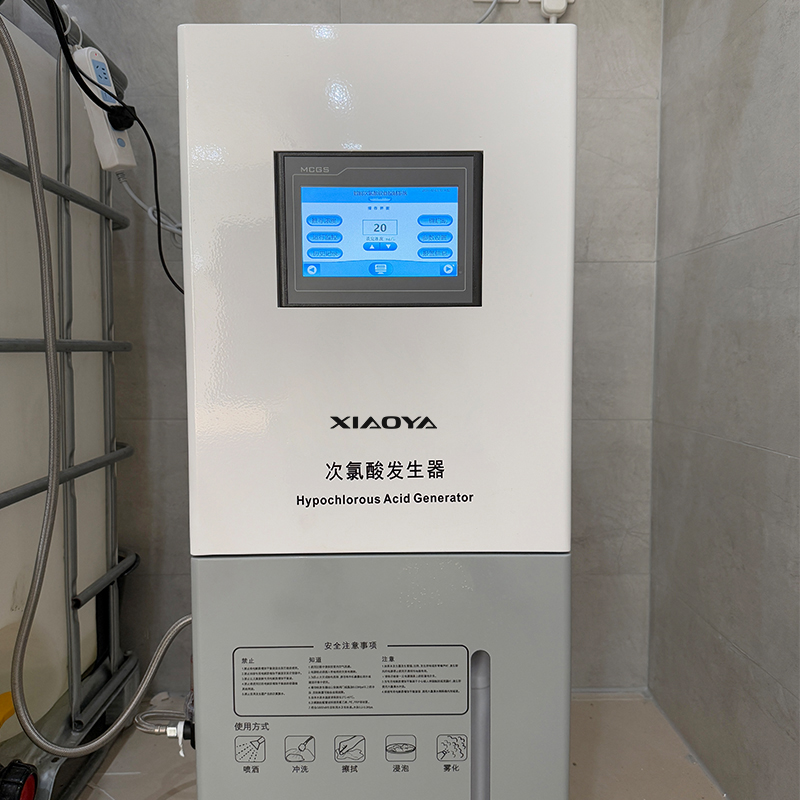
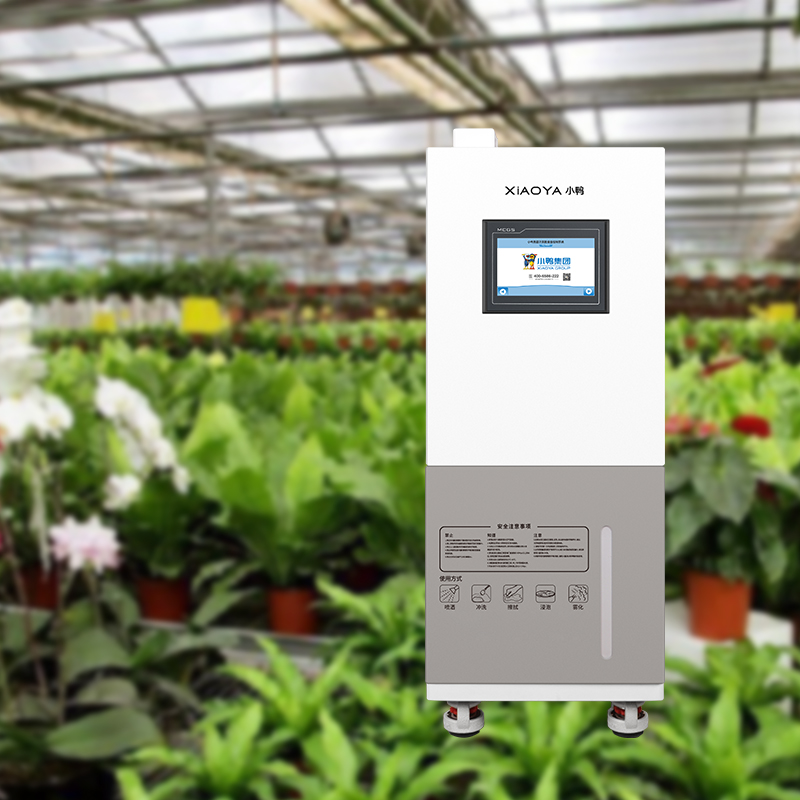
A practical example is Hypochlorous Acid Generator for Fruit Fresh-keeping, model AQ-P300-A.
It is designed for planting bases, processing workshops, cold storage, logistics links, wholesale channels, and export processing zones.
With output from 120 to 300 L/h, pH 5.0 to 6.5, and effective chlorine concentration from 10 to 200 mg/L, it shows how a hypochlorous acid water generator can be adapted to process requirements rather than fixed inventory.
When pre-mixed sanitizer may still be the better option
Pre-mixed sanitizer is still suitable in some cases.
Low-frequency use, temporary sites, or operations without stable water and power conditions may prefer ready-to-use products.
The same applies when sanitation volume is too small to justify equipment ownership.
If the process does not require flexible output, automated dosing, or multi-point distribution, pre-mixed solutions can remain practical.
The better question is not which option is universally superior.
It is which option creates fewer operational compromises.
How to evaluate the better fit
A sound decision usually starts with five checks.
- Map daily and peak disinfectant demand by area and application method.
- Measure the hidden cost of storage, handling, expiration, and packaging waste.
- Confirm whether concentration and pH need adjustment for different tasks.
- Review maintenance expectations, component life, and water quality conditions.
- Check how easily the system fits existing automation and compliance routines.
For example, an industrial unit with 220/50 power, 420 W rated power, a 5 L electrolyte tank, and electrolyzer service life of at least 3000 hours supports a more structured sanitation program than ad hoc chemical replacement.
A more useful decision standard
If sanitation is frequent, distributed, and tied to product quality or workflow consistency, a hypochlorous acid water generator usually offers stronger long-term value.
If use is occasional and process demands are simple, pre-mixed sanitizer may remain sufficient.
The next step is to compare both options against actual usage volume, compliance needs, site conditions, and automation plans.
That approach leads to a better decision than comparing purchase price alone.
NEWS
 Next-Generation Hypochlorous Acid System Solution for Sterile Self-Service Laundromats Officially Released
- Upgrade in Healthy Living: Hypochlorous Acid Generators Become the New Standard for Luxury Villas
- The Ultimate Solution to Pet Shop Disinfection Challenges! XIAOYA Hypochlorous Acid Generator: Safe Pet Protection with Peace of Mind
 Hypochlorous Acid Generator vs Sodium Hypochlorite Generator
- Hypochlorous Acid Generator Supplier
Leave us a message

Xiaoya Group was founded in 1979,expert in the electrolyzed water industry.
Get in Touch
*We respect your confidentiality and all information are protected.