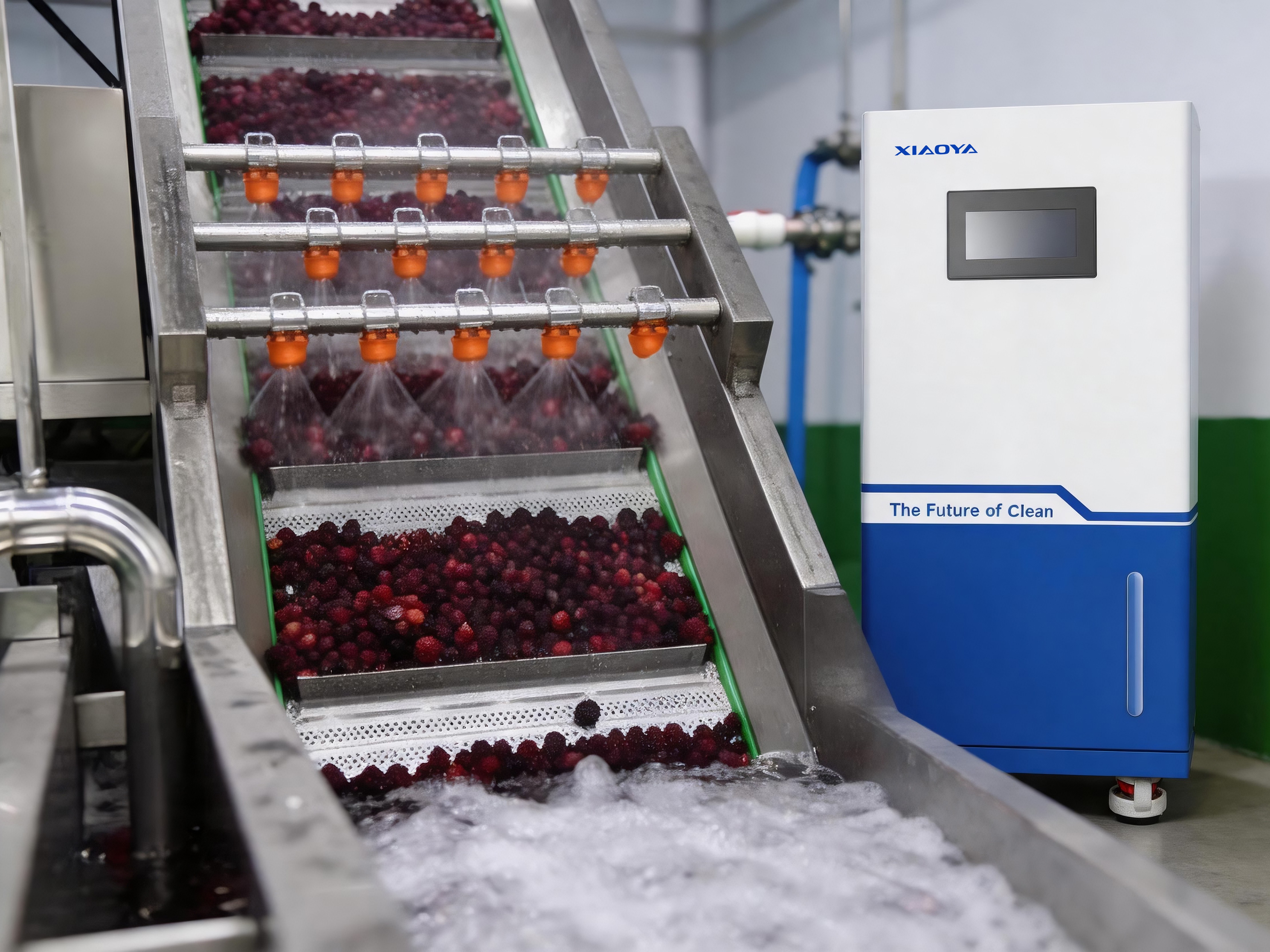
As bayberries hit the market in early summer, their delicate flesh and porous skins easily harbor insect eggs, mold, and pesticide residues. Traditional washing methods—using plain water, salt water, or fruit/vegetable cleaners—often fail to achieve thorough sterilization, can damage the fruit's flavor, and leave behind hard-to-rinse residues. Today, slightly acidic hypochlorous acid generators are being widely adopted by bayberry growing bases, fresh produce processing plants, and wholesale markets. By generating foodgrade hypochlorous acid water onsite for soaking and washing bayberries, this technology delivers three major advantages—highefficiency sterilization, pesticide degradation, and extended shelf life—making it a standardized solution for food safety upgrades across the bayberry industry chain.
June is the peak production and sales season for bayberries. After harvesting, popular varieties such as Dongkui and Bizhig have extremely fragile skins. Ordinary washing only removes surface dust, while fruit fly larvae and mold spores hidden in the fruit's crevices are difficult to eliminate. Soaking in chemical cleaning agents often leaves unpleasant odors, and repeated rinsing causes the berries to lose juice and become soft, significantly increasing storage and transport losses. Moreover, consumers remain concerned about chemical residues. To address the washing and preservation challenges of soft berries, hypochlorous acid electrolysis technology has been introduced into bayberry processing. Using only water and edible salt as raw materials to produce hypochlorous acid disinfectant in real time, this approach completely transforms the traditional bayberry washing model.
一、Hypochlorous Acid Soaking Tackles Three Major Industry Pain Points
1. Deep sterilization and removal of insect eggs, inhibiting postharvest mold
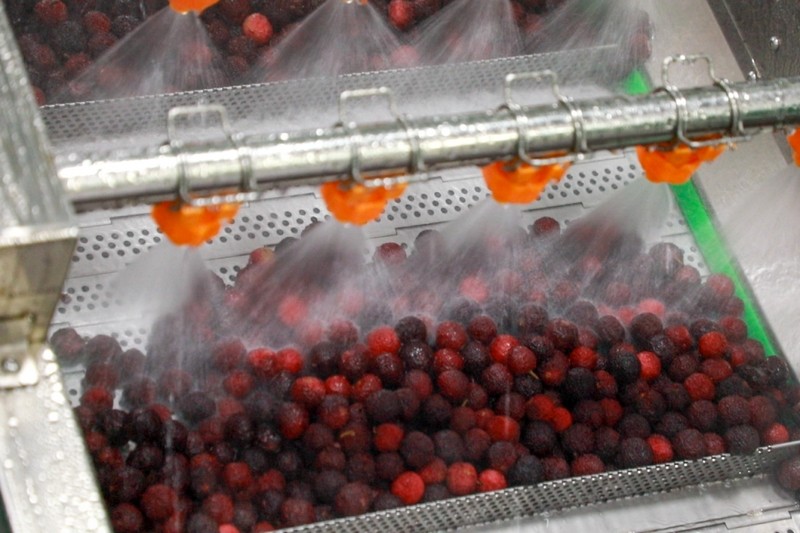
Hypochlorous acid molecules share the same bactericidal mechanism as the substances produced by human white blood cells. With strong penetrating power, they can enter the fine gaps of bayberry skins and rapidly kill pathogens such as Escherichia coli, Staphylococcus aureus, Penicillium, and Aspergillus niger, as well as insect eggs. Soaking in a 50–80 ppm hypochlorous acid solution for 3–5 minutes achieves a surface microbial kill rate of over 99.9%, fundamentally preventing bayberries from developing white mold or fermenting at room temperature.
Field data from multiple bayberry cooperatives in Zhejiang Province show that bayberries treated with hypochlorous acid water experience a more than 65% reduction in mold and rot under the same refrigeration conditions, effectively extending the shelf life by 2–3 days and significantly reducing losses during longdistance ecommerce shipping.
2. Gentle degradation of pesticide residues without compromising original flavor
Hypochlorous acid relies on mild oxidation to break down organophosphorus pesticide residues on the fruit surface, achieving a removal rate of over 90%. Unlike strong alkalis or strong chlorine disinfectants, slightly acidic hypochlorous acid has a pH of 5.0–6.5, which is compatible with the acidity of bayberry flesh. Soaking does not corrode the skin or leach out the juice, fully preserving the sweetandsour taste, firmness, and natural aroma of the berries, with no pungent chlorine odor left behind.
In accordance with the national standard GB 14930.2 for food disinfectants, hypochlorous acid is a permitted surface disinfectant for fruits and vegetables. After treatment, only a brief rinse with clean water is needed, with no risk of chemical accumulation, meeting safety standards for fresh export and supermarket access.
3. Onsite production, zero residue, low cost, and green manufacturing
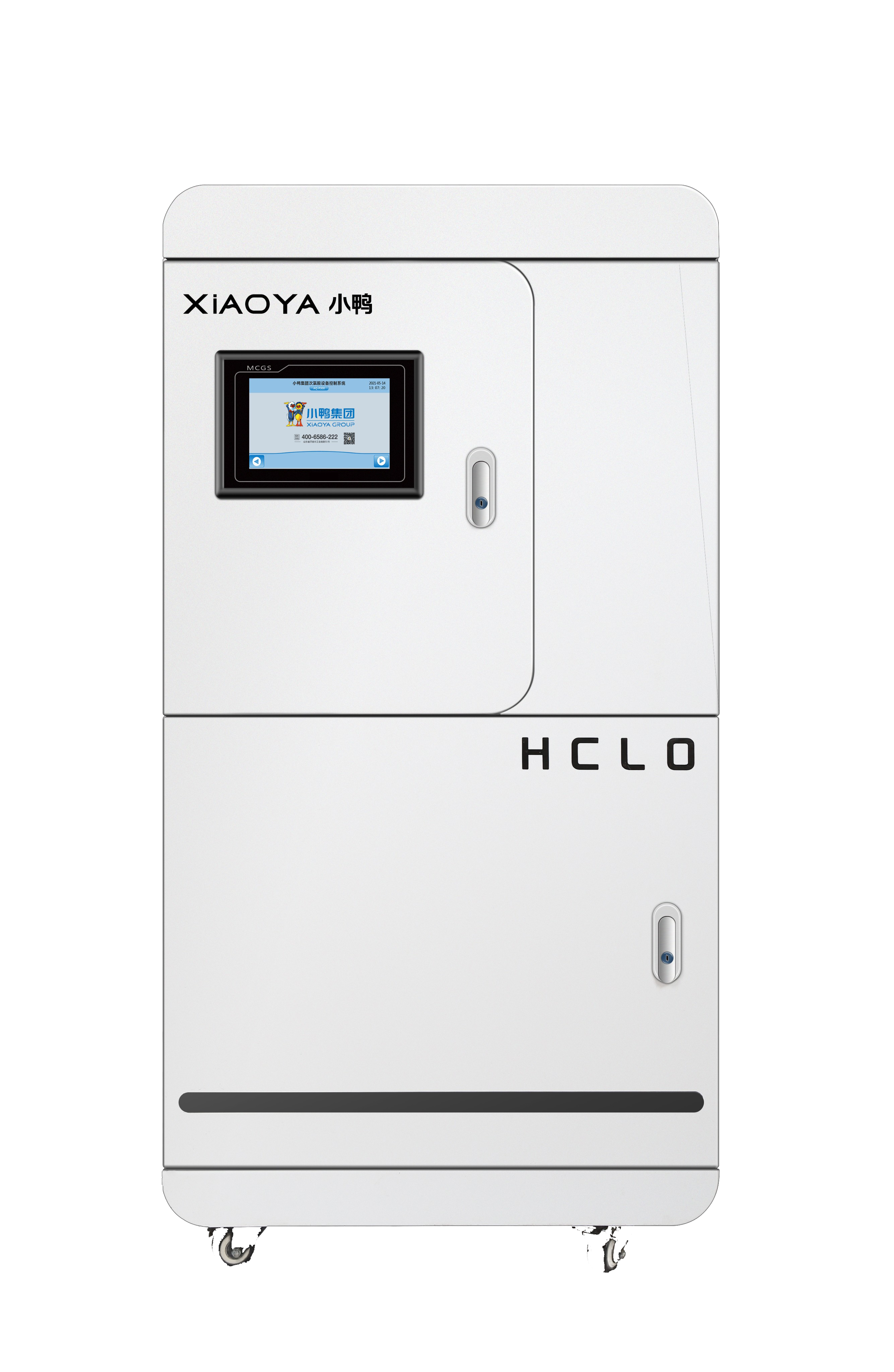
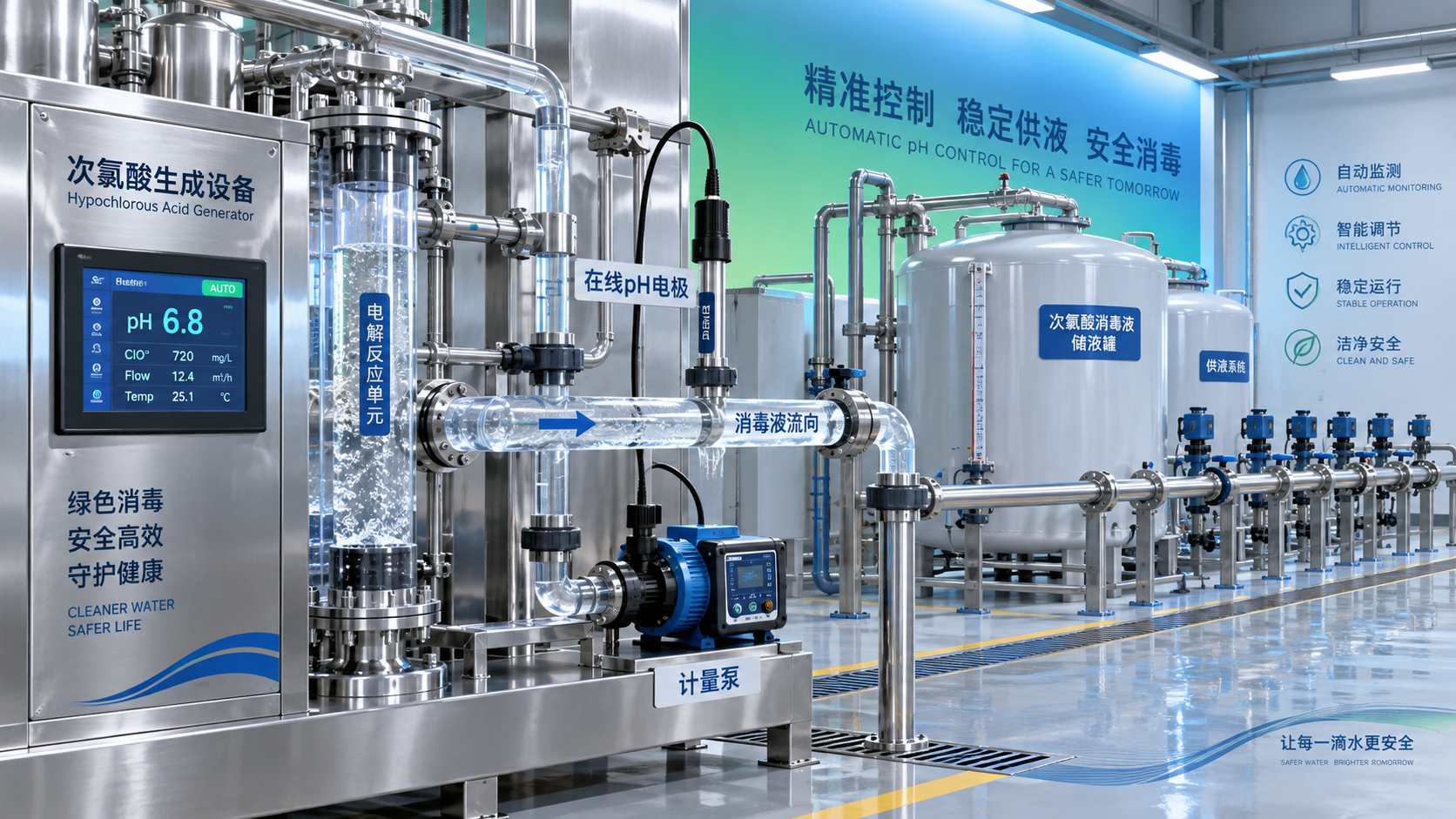
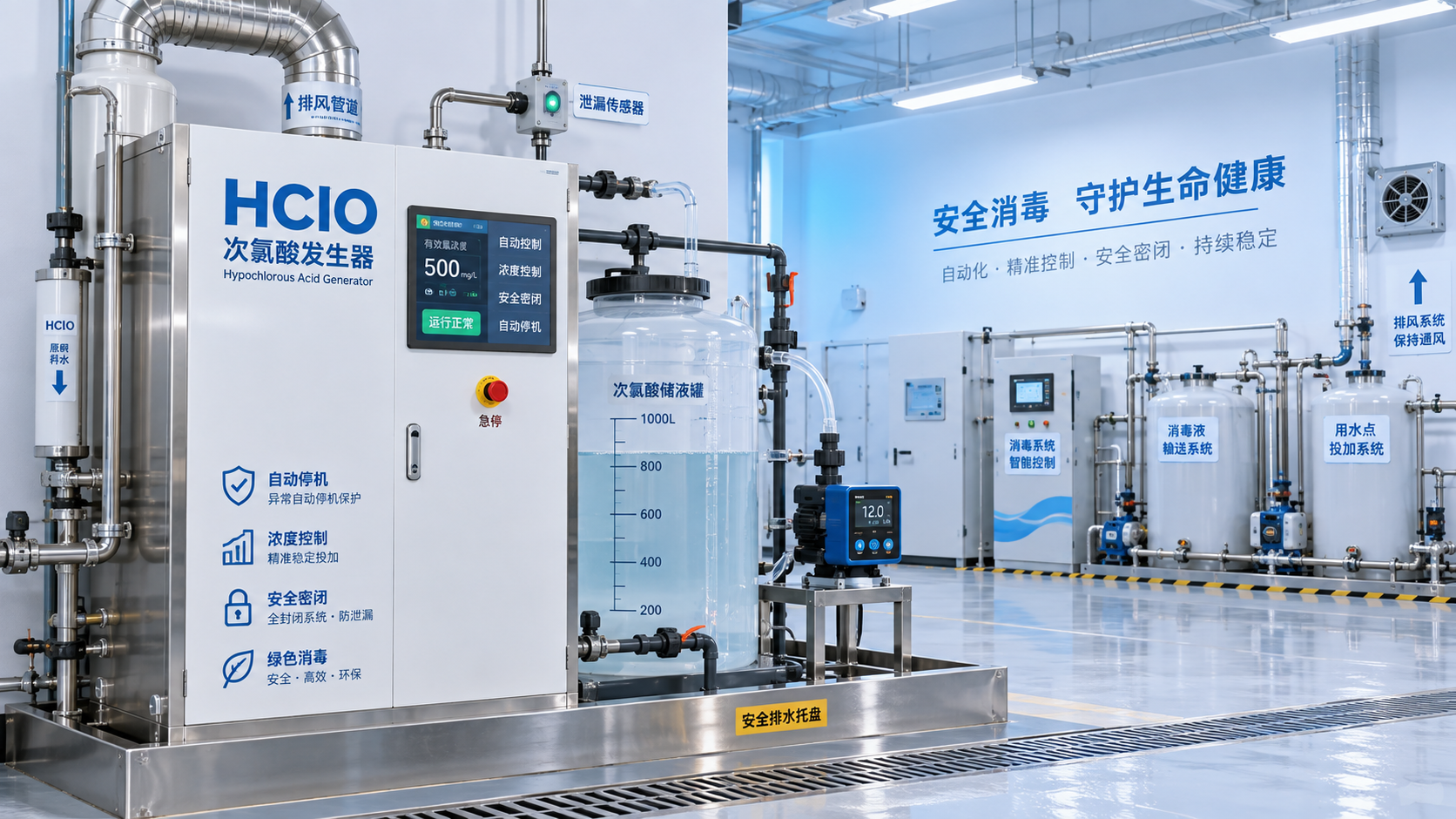
The hypochlorous acid generator uses only tap water and a small amount of edible salt, producing the disinfectant solution via electrolysis on demand. There is no need to purchase or store bottled disinfectants, and the operating cost is only about 30% of that of traditional cleaning agents. After contact with air and organic matter, the solution rapidly decomposes into plain water, producing no waste liquid pollution; the washing wastewater can be discharged directly, aligning with the green production requirements of agricultural bases.
The equipment allows intelligent concentration adjustment: a low concentration of 50–80 ppm is used for bayberry soaking, while 100 ppm can be applied for disinfecting turnover baskets and sorting workshops. One unit covers the entire process—fresh fruit treatment, equipment sanitation, and environmental fogging—greatly reducing the capital investment for businesses.
二、Standardized Bayberry Soaking Process Flow
With the hypochlorous acid generator, a mature and practical operation plan has been developed, suitable for both bulk sorting at bases and smallscale washing at retail stores:
1.Prerinse: Freshly picked bayberries are first rinsed with running water to remove large impurities such as leaves and soil.
2.Soaking: The generator produces 60 ppm foodgrade hypochlorous acid water; the bayberries are fully submerged and soaked for 3–5 minutes.
3.Freshwater rinse: Rinse with clean running water for 30 seconds to remove trace free chlorine.
4.Draining and precooling: Airdry the surface moisture with cold air, then transfer to cold storage for packaging and shipping.
The entire process is simple to operate and does not require specialized chemical technicians. Largescale processing lines can be equipped with soaking tanks for automated washing, while small household/commercial generators are suitable for onsite washing at fruit stores and pickyourown farms.
三、FullIndustryChain Implementation, Establishing a New Safety Standard for Bayberries
At present, many largescale cooperative growers and freshproduce processing enterprises in major bayberryproducing regions—such as Zhejiang, Fujian, and Shandong—have adopted hypochlorous acid generators to replace traditional saltwater soaking and chemical cleaning agents. Many pickyourown orchards have also installed small desktop units, allowing visitors to soak and wash the fruit on site before eating, which alleviates consumer concerns about "worms in bayberries" or "unsafe chemical dips" and helps increase the premium price of fresh fruit.
Industry technical experts note that preserving soft berries has long been a challenge in fresh produce distribution. Hypochlorous acid electrolyzed water soaking technology balances food safety, preservation effectiveness, and environmental costeffectiveness, making it an excellent match for handling delicate berries such as bayberries, strawberries, and mulberries. It is expected to gradually become the standard pretreatment process for fruit and vegetable harvesting in the future.
Conclusion
From farm to consumer table, food safety is the cornerstone of the fresh fruit industry. The hypochlorous acid generator, through green electrolysis technology, addresses longstanding pain points in bayberry washing and preservation. With its core advantages of high efficiency, safety, low cost, and zero residue, it unlocks the critical link of sterilization and preservation for bayberries, driving the industry toward standardized and sustainable upgrades—ensuring that the public can enjoy clean, fresh, and safe, highquality bayberries.
NEWS
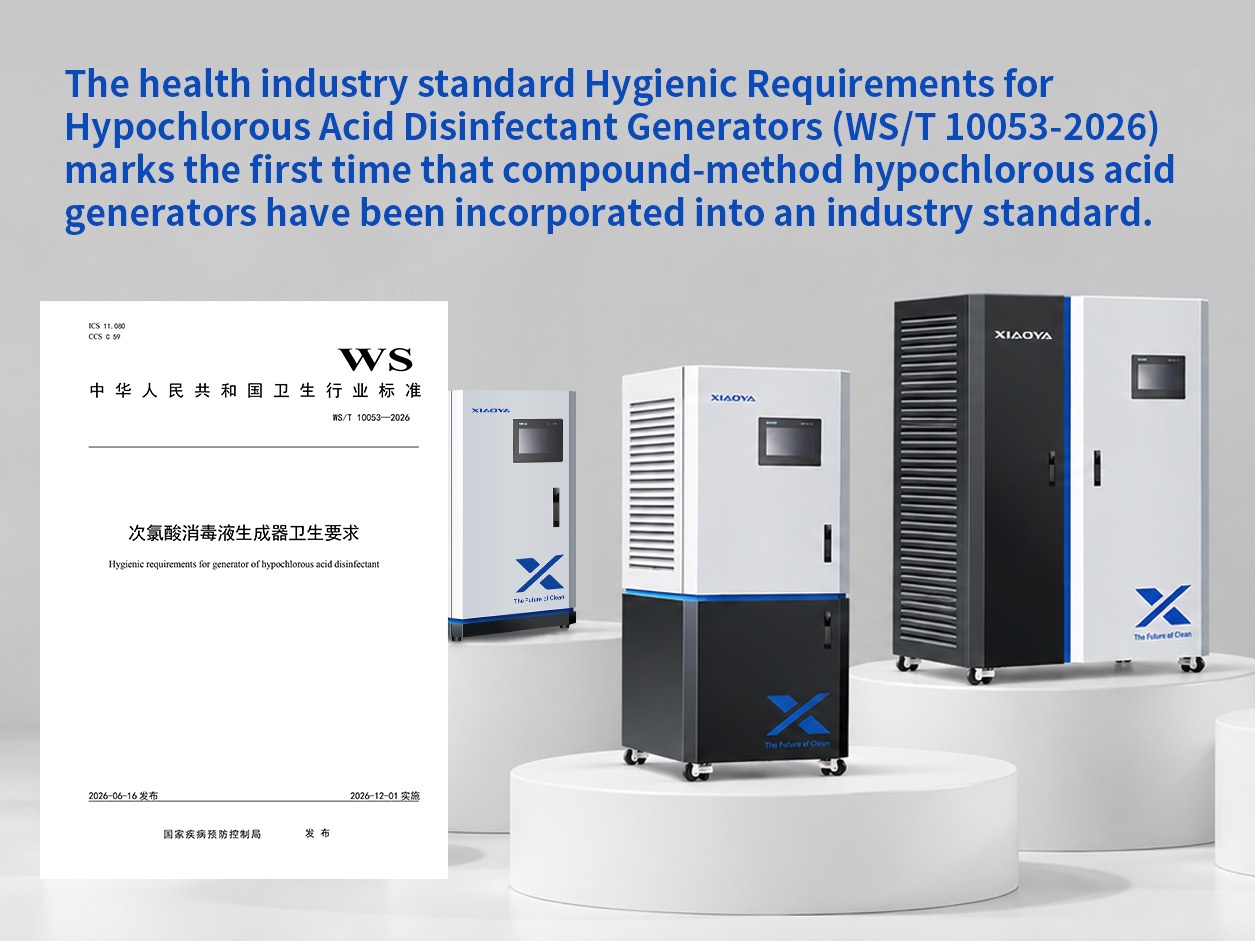
 WS/T 10053-2026 Includes the Compound Method for the First Time: Standard Signals and Market Opportunities for Mass Agricultural Production of Hypochlorous Acid Generators
 Evaluating HClO Generator Lifecycle Costs Beyond the Initial Equipment Price
 HClO Generator pH Control: Why It Determines Disinfection Performance
- Which Safety Features Matter Most When Buying an HClO Generator?
 Troubleshooting Low ORP Readings on a Hypochlorous Acid Machine
Leave us a message

Xiaoya Group was founded in 1979,expert in the electrolyzed water industry.
Get in Touch
*We respect your confidentiality and all information are protected.