news
HOCl Generator Machine Startup Checks for Consistent Daily Output
Consistent daily output starts before you press the power button. For operators using a hocl generator machine, checking the water supply, specified feedstock, electrode condition, and control settings can prevent interrupted cycles and out-of-spec production. Whether the unit supports routine facility cleaning or appliance-based disinfection workflows, a repeatable startup check helps catch problems before they reach the storage tank or application line.
The practical goal is not simply to make the machine run. It is to confirm that today’s output meets the manufacturer’s requirements and the approved conditions for its intended use. A normal-looking display alone cannot establish that.
Know which generation process you are checking
“HOCl generator” does not describe one universal design. Some machines electrolyze a specified salt solution; others use controlled reagent dosing and mixing. Their startup procedures differ. Electrode condition matters on an electrolytic unit, while reagent identity, dosing performance, and mixing-system safeguards are central to a chemical-generation system. Some installations combine multiple stages.
Use the manual for the installed model, not a checklist borrowed from a similar-looking machine. Confirm the approved feedstock, operating limits, ventilation requirements, and startup sequence. Never manually combine acid and hypochlorite to imitate an automated process: uncontrolled mixing can release hazardous chlorine gas.
For equipment businesses spanning kitchen and bathroom appliances, healthcare and disinfection appliances, clean energy, and small household appliances, integrated R&D and production can support different configurations. Operators still need configuration-specific instructions; a shared supplier does not mean shared operating limits.
Check the installation before enabling production
Walk around the unit before starting it. Look for wet fittings, damaged hoses, loose connections, blocked ventilation openings, and signs of reagent leakage. Check that collection tanks have room for the planned batch and that valves direct output to the correct destination. Yesterday’s cleaning or maintenance may have changed a valve position without changing the PLC recipe.
Confirm that required ventilation is operating and that drains and containment arrangements are ready. Use the protective equipment specified by the chemical safety data sheets and site procedures. If there is an unusual irritating odor, visible leakage, or a ventilation fault, do not start production. Follow the site’s isolation and emergency procedure rather than investigating by smell.
Electrical compatibility also belongs here. Check the installed nameplate and approved supply arrangement, particularly after moving a mobile unit. A product family’s wide-voltage option does not establish that every delivered machine accepts the same supply.
Water and feedstock deserve more than a level check
An open inlet valve does not guarantee adequate water flow. Check inlet pressure and flow against the manufacturer’s limits, then inspect filters and any required pretreatment equipment. On electrolytic systems, unsuitable hardness can contribute to scale; water composition can also affect process stability. Use the specified water-quality requirements rather than assuming that clear tap water is suitable.
Watch the supply under operating conditions. A greenhouse generator may start normally before irrigation begins, then lose inlet pressure when another line opens. Where supplies are shared, startup verification should account for that competing demand.
- Match each feedstock label, grade, and stated concentration to the approved specification.
- Check storage conditions, usable life, and sufficient quantity for the planned production run.
- Inspect pickup tubes and connections for damage or air entry, using the approved procedure.
- Confirm that reagent lines have not been crossed during container replacement.
Do not compensate for uncertain feedstock strength by guessing at dosing settings. A controller may correct some process variation, but it cannot reliably make an unidentified or unsuitable chemical acceptable.
Inspect the parts that actually determine output
On an electrolytic hocl generator machine, review electrode service history and any accessible condition indicators. Deposits, deterioration, or a persistent change in current at comparable operating conditions warrant investigation. Do not open an energized cell or scrape electrode surfaces unless the manufacturer explicitly permits that maintenance method. Follow isolation procedures before servicing.
For dosing-based equipment, inspect the reagent pumps, mixing unit, and associated safeguards according to the maintenance schedule. A pump running on screen is not proof that liquid is reaching the process. Low container levels, suction leaks, or worn components can interrupt delivery.
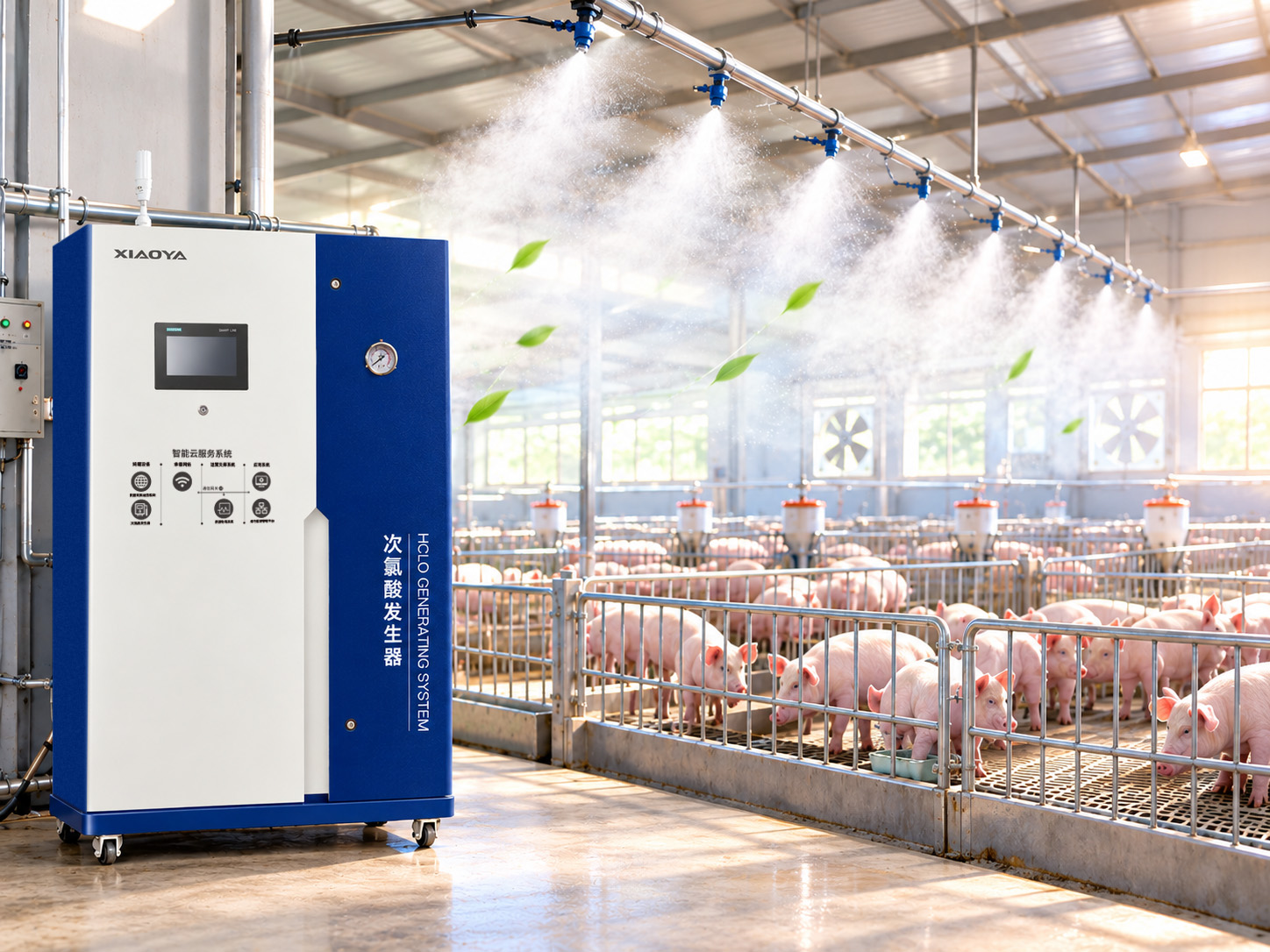
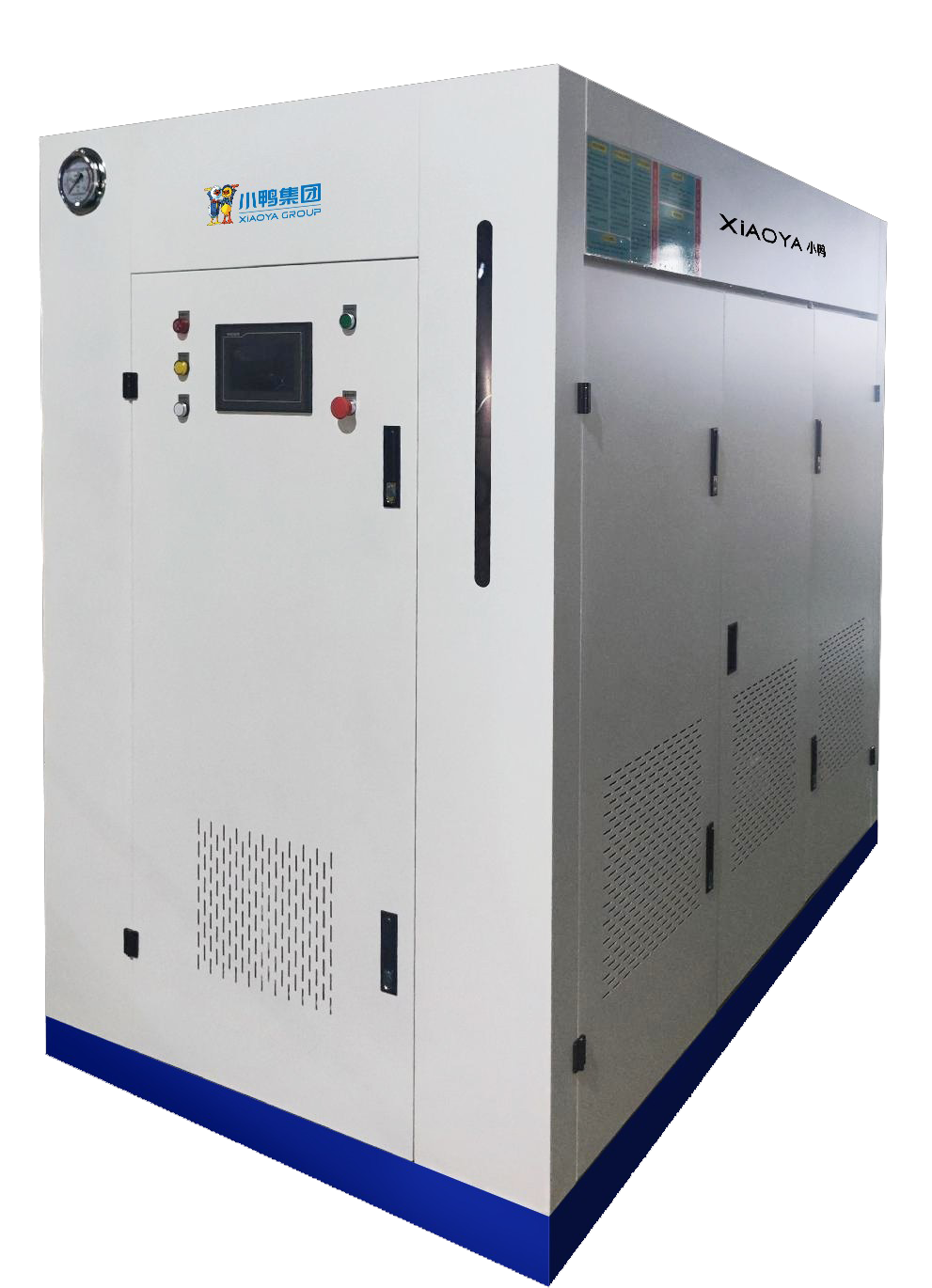
The Compound Electrolysis Hypochlorous Acid Generator for Agricultural Green Pest Control illustrates an agricultural configuration with a corrosion-resistant reagent mixing unit, a PLC touchscreen, online concentration control, and data export. With output sized to agricultural water demand and mobile or stationary configurations available, startup checks must match the delivered arrangement, not just the product name.
Review the recipe, then allow the process to stabilize
Before releasing production, verify the selected recipe, target available chlorine concentration, pH limits, and output rate. Check that alarm limits remain approved and that no interlocks have been bypassed. After maintenance or a software change, confirm settings against the authorized setup record.
Applications are not interchangeable. Seed soaking, foliar spraying, greenhouse sanitization, and cold-chain cleaning may require different validated conditions. A higher chlorine setting is not automatically better; crop compatibility, material compatibility, contact time, and local use requirements still govern the application.
Follow the specified priming, flushing, and stabilization sequence. Where the installation provides a startup diversion route, keep initial output separate until release criteria are met. Do not send unstable startup liquid into yesterday’s verified batch simply because both look clear.
Verify the solution, not just the display
Online readings are useful for control, but startup verification should follow the manufacturer’s sampling and test procedure. Measure available chlorine using an approved method suited to the expected range, and check pH with a maintained instrument. Expired test reagents, contaminated sample vessels, or a method used outside its range can create misleading results.
Sample at the designated location after stabilization. If solution travels through a storage tank or long distribution line, the application-point condition may differ from the generator outlet. Oxidation-reduction potential can provide supporting information, but it does not replace a chlorine measurement: pH and other water conditions affect the reading.
If independent testing disagrees with the display, hold the output and investigate sampling, sensor condition, calibration, water supply, and feedstock delivery. Do not adjust the process merely to make one reading resemble another.
Leave the next shift a usable record
Record the startup time, recipe, feedstock identification, relevant operating readings, measured chlorine and pH, and release decision. Include unusual events such as a filter change or interrupted water supply. PLC data exports can support this record, but should not replace independent test results.
When output drifts, compare it with a previously verified run under similar conditions. That gives maintenance a better starting point than repeated setpoint changes. Release production only when the equipment and the measured solution both meet the approved requirements.
NEWS
 Hypochlorous Acid Gains Recognition in Chinese Farm Emissions Guidance
- Disinfection Empowers Orthodontic Safety: Hypochlorous Acid Generators Build a Sterile Defense Line for Dental Instruments
- Accumulating Strength and Reaching New Heights: A Record of the Production Breakthrough of Xiaoya Small Home Appliances' Hypochlorous Acid Generators
 HOCl Generator Machine Startup Checks for Consistent Daily Output
 Installing an HOCl Generator Machine: Water, Power, Drainage, and Space
Leave us a message

Xiaoya Group was founded in 1979,expert in the electrolyzed water industry.
Get in Touch
*We respect your confidentiality and all information are protected.