Hypochlorous Generator Acceptance Tests Before Production Handover
Before a hypochlorous generator moves from commissioning to production, project managers need clear evidence that it operates safely and delivers consistent output under defined conditions.
Acceptance testing should verify available chlorine concentration, pH, production capacity, control functions, and alarm responses against agreed specifications, with recorded results supporting every critical decision.
For engineering teams coordinating installation, operator training, and final approval, a structured test plan identifies unresolved issues before they cause production disruptions or unexpected costs.
The practical decision is whether the installed system can reliably supply usable solution, protect operators, and recover from faults within the facility’s agreed operating requirements.
Agree on Pass Criteria Before Testing Starts
A successful acceptance test starts with an approved protocol defining operating conditions, measurement methods, permitted tolerances, responsible witnesses, and the evidence required for final approval.
Separate factory acceptance testing from site acceptance testing. Factory results demonstrate equipment performance under factory conditions; site testing verifies installation, utilities, interfaces, and actual operating conditions.
Define the required chlorine concentration and pH for the intended application. A supplier’s adjustable operating range does not automatically establish acceptable limits for your process.
Specify feedwater quality, inlet pressure, electrolyte preparation, ambient conditions, and operating modes. These conditions make results repeatable and clarify whether failures originate in equipment or utilities.
Record each acceptance requirement alongside its test method and pass criterion. Assign responsibility for corrective action so failed checks produce clear decisions rather than prolonged negotiation.
For medical facilities, distinguish equipment acceptance from approval of the disinfection process. Generator performance alone does not establish suitability for every surface, organism, or clinical application.
Does the Output Meet Chemistry Requirements Consistently?
Check available chlorine concentration and pH using calibrated instruments and documented methods. Take samples after stabilization and throughout the agreed operating period, recording sampling times.
Define exactly which chlorine measurement the specification requires. Available chlorine, free chlorine, and total chlorine should not be treated as interchangeable without confirming the analytical method.
A validated DPD method may support chlorine testing, but its measurement range must suit the sample. Use documented dilution procedures when concentrations exceed that range.
Measure pH promptly using a calibrated meter suitable for the sample. Control sample handling because delays, temperature changes, and contamination can alter the reported result.
Sample at startup, steady operation, and after planned operating changes. Include representative low and high settings where adjustable production forms part of the supplied scope.
Compare online sensor readings with independent measurements. ORP provides useful process information, but it cannot independently verify chlorine concentration because other conditions influence its response.
Accept results against agreed limits and variability criteria. A compliant average should not conceal individual excursions that could send unsuitable solution into the production system.
Can It Deliver the Required Volume at the Required Quality?
Measure usable output over a defined interval using a verified flowmeter or volume collection method. Record chlorine concentration and pH during the same capacity test.
Capacity only passes when the measured volume also meets chemistry requirements. A high flow reading has little operational value if the generated solution falls outside specification.
Run the equipment at the intended production duty for an agreed duration. Include representative demand changes, pauses, and restarts where these occur during normal operation.
Record stabilization time and identify how startup solution is managed. Production planning should account for any initial output requiring diversion, disposal, or further quality confirmation.
Confirm performance across the agreed inlet pressure range when feasible. If site utilities cannot maintain that range, resolve the supply limitation before approving unrestricted production.
Measure water, electrolyte, and electrical consumption during representative operation. These results help managers assess operating costs and identify deviations requiring investigation before routine production begins.
Use Product Specifications as Test Inputs
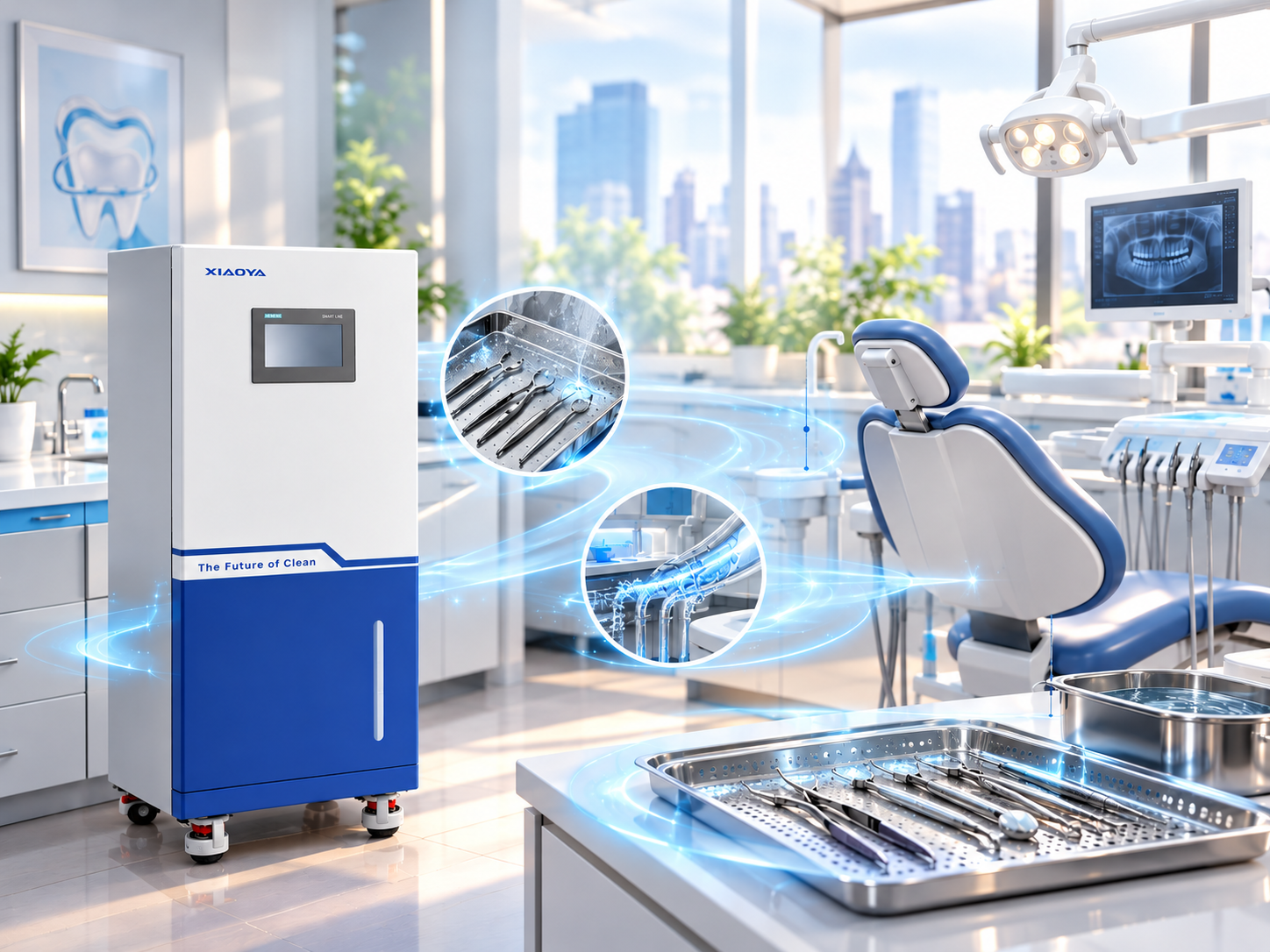
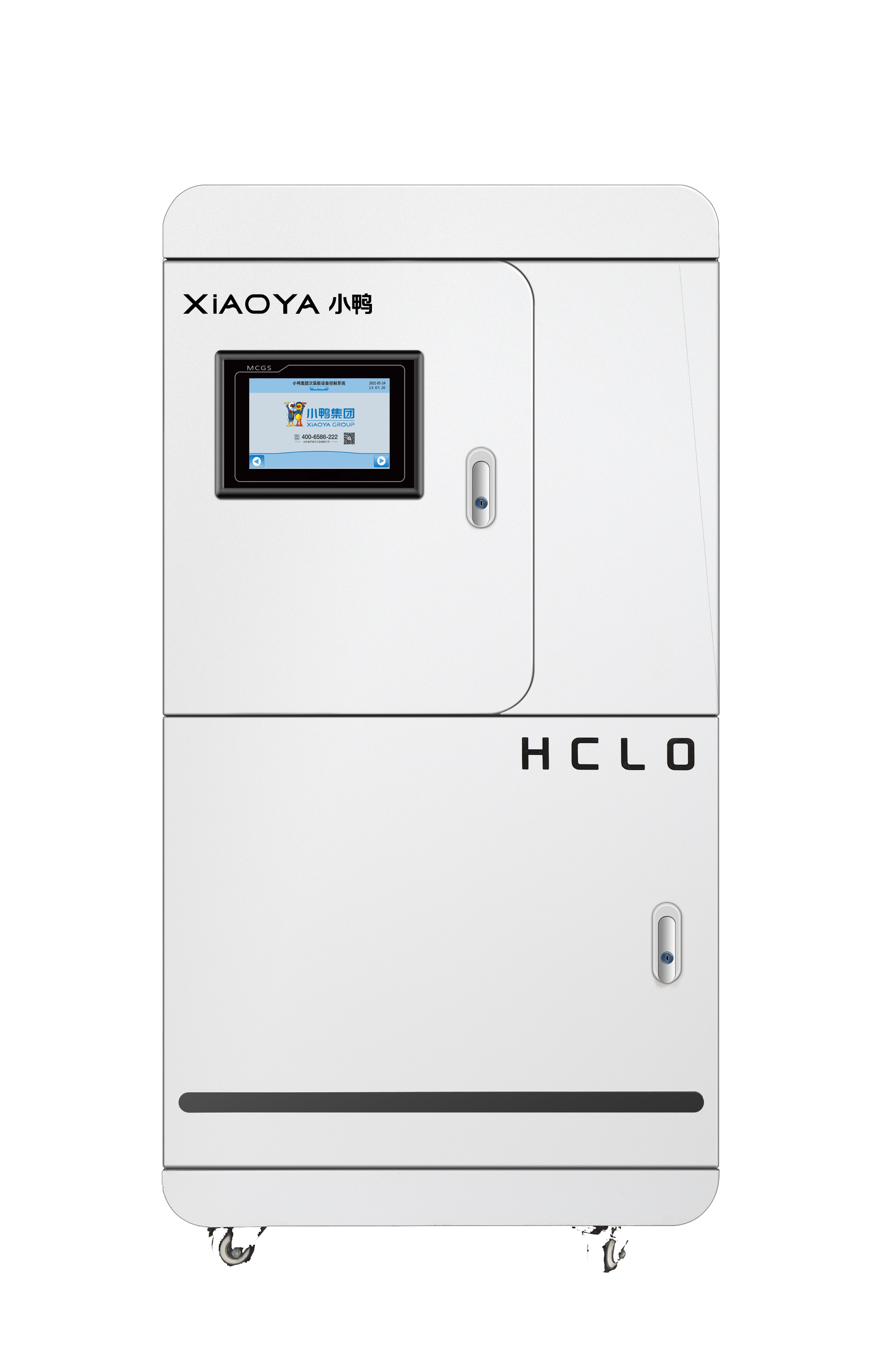
The Hypochlorous acid generator for medical disinfection, model AQ-P1000, illustrates how supplier specifications can become measurable acceptance requirements for healthcare installations and associated engineering projects.
Its listed generation capacity is 1,000 L/h, with customizable available chlorine concentration of 10–300 mg/L. Confirm the contracted configuration and required simultaneous performance before testing.
The listed pH value is 6.37, and inlet water pressure is 0.15–0.25 MPa. Establish an agreed pH tolerance instead of treating one value as a complete specification.
Electrical data list 220 V at 50 Hz and rated power of 420 W. Verify supply compatibility and assess measured consumption against the agreed operating conditions.
Supplier information identifies Siemens PLC control, touchscreen operation, and sensor connectivity. Verify delivered functions against the approved configuration, including any contracted IoT or 4G capabilities.
Request supporting documents for disinfection qualifications and application claims. Statements about efficacy, corrosion, or absent byproducts require relevant evidence and should not replace installation acceptance measurements.
Will Controls and Alarms Prevent Unsafe Production?
Test automatic and manual modes, authorized parameter changes, startup sequences, shutdown sequences, and restart behavior. Confirm that displayed operating status matches the equipment’s actual condition.
Challenge configured alarms using controlled simulation or approved procedures. Relevant cases may include low water pressure, depleted electrolyte, sensor failure, communication loss, and off specification output.
For each challenge, record the trigger, detection time, alarm message, equipment response, and reset behavior. Compare these results with the approved control narrative and risk assessment.
Verify interlocks prevent operation under conditions identified as unsafe. Where the design includes product diversion or isolation, confirm affected solution cannot enter the usable supply.
Test power interruption and restoration under controlled conditions. Determine whether the generator restarts automatically, requires operator authorization, or repeats stabilization checks before releasing usable output.
For connected systems, confirm user permissions, remote command behavior, and event logging. Test whether local controls remain effective when external communications become unavailable during operation.
Check Installation Safety and Downstream Delivery
Inspect electrical protection, earthing, pipe connections, leak containment, labeling, and maintenance access. Confirm ventilation and gas management arrangements match the generator design and site assessment.
Evaluate wetted materials against the intended concentration, pH, temperature, and exposure time. Broad supplier claims about corrosion resistance do not establish compatibility with every downstream component.
Test the delivery arrangement as well as the generator outlet. Storage duration, light exposure, contamination, and distribution conditions can affect solution quality before actual use.
Where storage or distribution belongs to the supplied scope, sample at representative points. Verify the solution remains within requirements over the agreed holding and delivery conditions.
Address any specified byproduct limits through suitable laboratory testing. Routine pH and chlorine checks alone cannot substantiate claims that chlorate, perchlorate, or other substances are absent.
What Evidence Is Needed for Handover?
The handover package should include approved protocols, completed results, instrument calibration records, sample identification, operating conditions, and witness signatures. Attach deviations and their documented resolutions.
Provide current drawings, electrical schematics, control documentation, maintenance instructions, spare parts recommendations, and training records. Confirm operators can demonstrate startup, shutdown, sampling, and alarm response.
Clarify consumable replenishment, sensor calibration, and electrolyzer maintenance responsibilities. A stated component service life should inform maintenance planning; acceptance testing cannot prove years of future performance.
Classify outstanding issues by consequence and define closure deadlines. Unresolved safety defects or failures affecting required output quality should block production release until correction is verified.
Minor documentation issues may support conditional acceptance when permitted by the contract. Record restrictions, accountable owners, completion dates, and the authority approving any temporary operating arrangement.
Make the Production Release Decision Evidence Based
Approve handover when the installed hypochlorous generator demonstrates compliant chemistry, usable capacity, dependable controls, and safe operation under the conditions your facility actually expects to use.
If a requirement fails, correct the cause and repeat the affected tests. Expand retesting when the correction could influence other functions or previously accepted performance.
A complete acceptance record gives project managers a defensible release decision, operators clear working limits, and maintenance teams a practical baseline for investigating future performance changes.