Hypochlorous Generator Output Testing: Why ORP Alone Is Not Enough
A high ORP reading can look reassuring, but it does not prove that a hypochlorous generator produces disinfectant at the required concentration or specified pH.
For quality control and safety teams, the practical answer is straightforward: verify free available chlorine and pH, then use ORP as a supporting process indicator.
A reliable testing protocol should detect output variation, define release criteria, and confirm that disinfectant remains suitable when it reaches the actual point of use.
What Does ORP Actually Tell Your Quality Team?
Oxidation-reduction potential, or ORP, measures an electrode potential influenced by the solution’s oxidizing and reducing chemistry. Instruments normally report this value in millivolts.
In hypochlorous acid water, ORP responds to chlorine chemistry, pH, temperature, and other dissolved substances. Electrode condition and the reference system also affect readings.
This makes ORP useful for tracking changes in a controlled process. A sudden departure from an established baseline can signal that investigation is needed.
However, ORP does not directly measure disinfectant concentration. Similar readings can occur in solutions with different free chlorine concentrations, especially when their pH values differ.
There is no universal ORP threshold that proves adequate disinfection across generators, water supplies, and applications. Any operational threshold needs evidence from the specific process.
Which Measurements Should Control Output Release?
Free available chlorine, often abbreviated FAC, measures free chlorine species, including hypochlorous acid and hypochlorite. Results are commonly expressed in milligrams per liter as chlorine.
For dilute aqueous solutions, this is approximately equivalent to parts per million. Specify the reporting basis so laboratory results, handheld instruments, and equipment specifications align.
Measure pH separately because it influences the proportion of hypochlorous acid within free chlorine. Lower pH generally favors hypochlorous acid within the relevant operating range.
A satisfactory FAC result cannot compensate for pH outside the validated specification. Equally, acceptable pH does not establish that enough free chlorine is present.
Total chlorine includes combined chlorine and cannot automatically substitute for FAC. Confirm exactly what the instrument measures before using its results to release output.
Temperature, appearance, and equipment operating data provide useful context. They help explain deviations but should not replace the chemical measurements required by your release procedure.
Set Acceptance Limits Before Collecting Samples
Start with the intended application, applicable requirements, equipment instructions, and validated disinfection procedure. These establish the allowable concentration, pH, contact time, and use conditions.
A generator’s adjustable concentration range describes production capability. It does not establish that every concentration within that range is effective or permitted for every application.
Define upper and lower limits for FAC and pH, together with sampling locations, testing frequency, and responsibility for reviewing results before output is released.
Account for measurement uncertainty near specification boundaries. A predefined decision rule prevents operators from repeatedly retesting borderline samples until a favorable result appears.
Keep ORP alarm limits separate from chemical release criteria. An ORP alarm should trigger investigation; a normal reading should never override failed FAC or pH.
Choose Test Methods That Match the Output Range
A suitable DPD colorimetric method can measure FAC, provided its range and procedure match the sample. Higher concentrations may require a validated dilution procedure.
Excess chlorine can bleach the DPD color and produce misleadingly low results. Check the method’s limitations rather than assuming a pale sample contains little chlorine.
If dilution is necessary, use water and equipment specified by the method. Record the dilution factor and account for the additional uncertainty it introduces.
Test strips can support rapid screening, but their resolution and visual interpretation may be insufficient for release decisions near narrow limits. Validate their intended use.
For pH, use a maintained meter with buffers bracketing the expected range. Follow manufacturer guidance for calibration, temperature handling, electrode storage, and performance checks.
Maintain the ORP probe and verify performance with an appropriate reference solution. Record instrument identity, reagent expiry, and checks so results remain traceable during investigations.
Build a Sampling Routine That Detects Real Variation
Establish startup stability through qualification. Sample after the specified stabilization period, and require acceptable FAC and pH before directing output into a released supply.
For continuous operation, collect samples at defined intervals and after relevant changes. Triggers include maintenance, electrolyte replenishment, supply-water changes, prolonged shutdown, and abnormal operating alarms.
Set routine frequency using evidence of process stability and the consequences of failure. Increase sampling when trends deteriorate or operating conditions become less predictable.
Sample both the generator outlet and representative points of use. Storage tanks, distribution lines, and delivery equipment can affect the concentration reaching the application.
Use clean, compatible containers and test promptly. Light, heat, contamination, and delay can alter chlorine concentration, making a stored sample unrepresentative of freshly generated output.
Record sampling time, location, FAC, pH, ORP, temperature, and operating status. Link results to the relevant batch, tank, or production interval for practical traceability.
What Should Happen When Results Disagree?
If ORP appears normal but FAC or pH fails, hold the affected output. Identify potentially affected production since the last satisfactory check using available records.
Confirm the result through the approved method, checking sampling technique, reagent condition, instrument performance, and dilution calculations. Investigate the process while maintaining the hold.
Potential causes include electrolyte dosing variation, inlet-water changes, abnormal flow, fouling, and electrolyzer deterioration. Check the equipment’s troubleshooting instructions before adjusting operating parameters.
If FAC and pH pass but ORP shifts unexpectedly, investigate probe condition and solution changes. Follow the documented deviation procedure before deciding whether release remains justified.
Resume release only after the cause is addressed and required verification passes. Document disposition of held solution, corrective action, and any increased monitoring period.
Apply the Protocol to Industrial Meat Processing
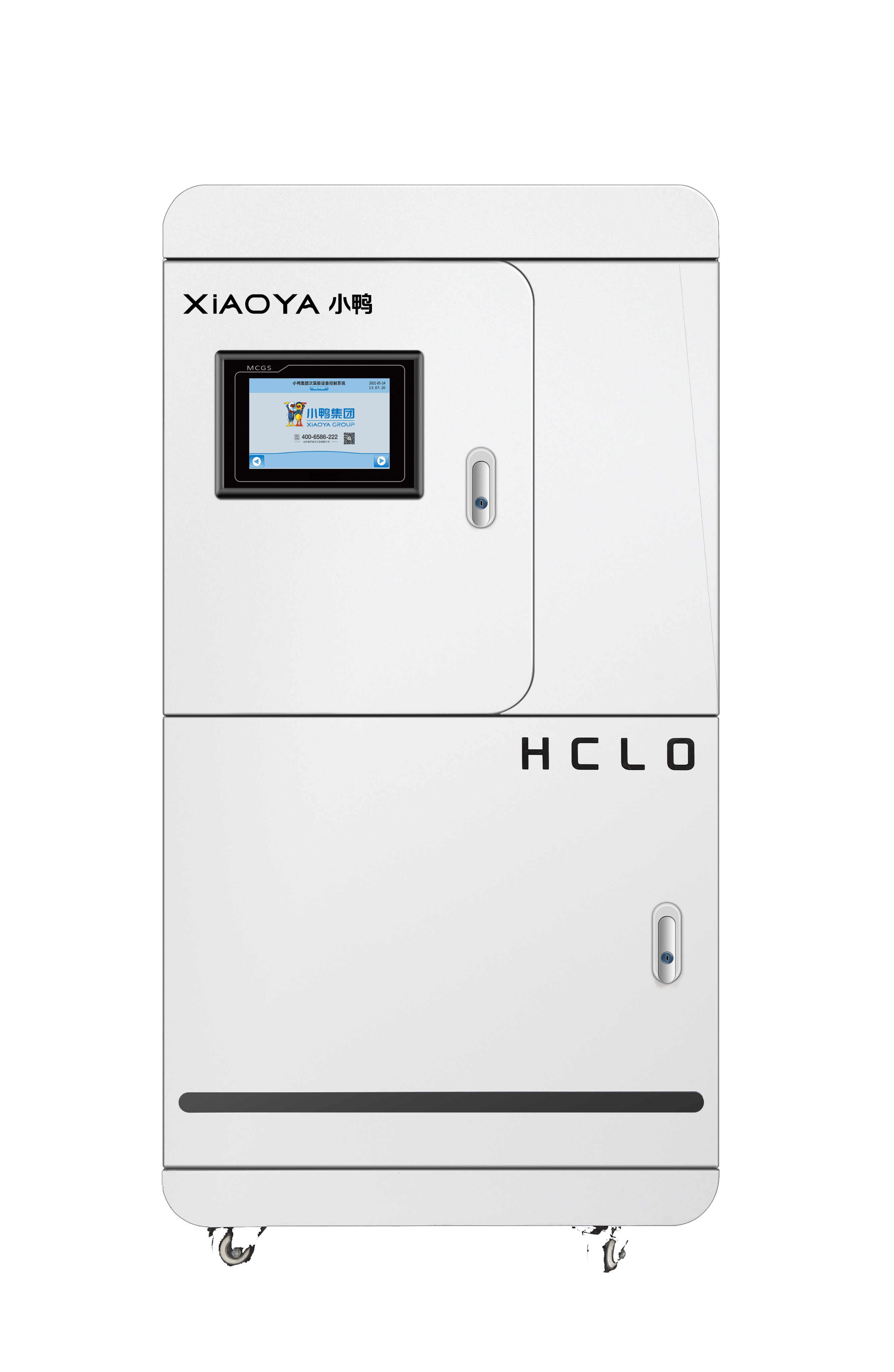
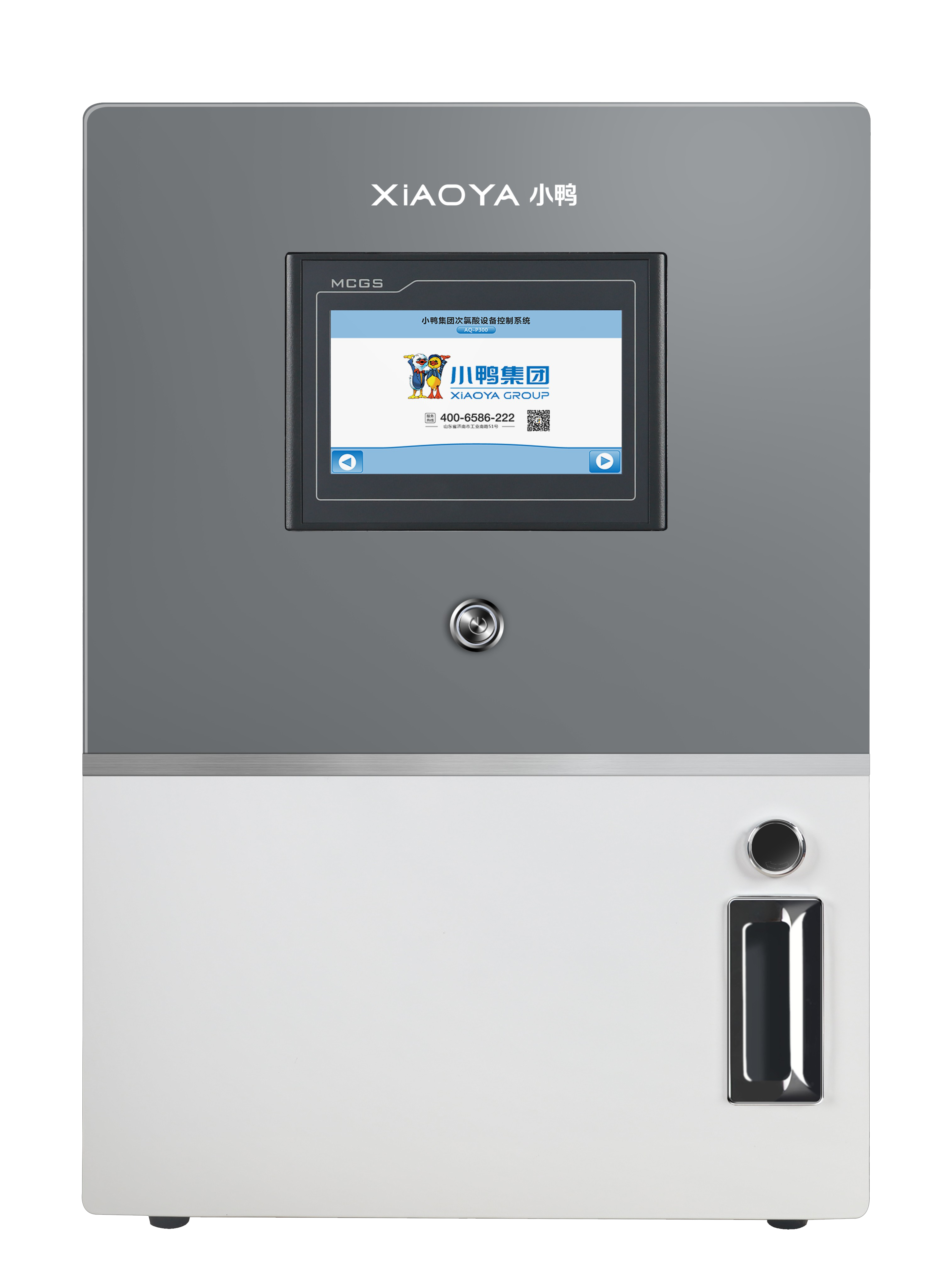
For industrial applications, the Hypochlorous Acid Generator for Meat Product Disinfection and Fresh-keeping provides a useful example of translating equipment specifications into measurable QC checks.
The AQ-P300-W lists production capacity of 160–300 L/h, pH of 5.0–6.5, and available chlorine concentration of 10–120 ppm, customizable according to the application.
Before specifying a FAC release test, confirm how the supplier defines and measures “available chlorine.” Equipment terminology must align with the analytical method you select.
Its listed applications include slaughtering, meat processing, and cold-chain operations. Each requires its own approved operating conditions, sampling locations, and evidence supporting the intended use.
Verify output at the selected setpoint and relevant delivery locations. Generator specifications alone do not demonstrate pathogen reduction, shelf-life extension, or authorization for food treatment.
Passing Output Tests Does Not Complete Disinfection Validation
FAC and pH establish essential chemical conditions, but disinfection also depends on contact time, coverage, temperature, soil load, and the organisms being targeted.
Organic material can consume chlorine after application. Where relevant, validate conditions during use rather than relying exclusively on a sample collected at the generator outlet.
For household and healthcare use, follow applicable product instructions and facility procedures. Environmental surface disinfection, device reprocessing, and airborne application require different evidence and controls.
Output readings cannot establish inhalation safety, material compatibility, or suitability for medical devices. Assess those requirements separately whenever they apply to the intended application.
Release Output on Evidence, Then Monitor the Process
A dependable hypochlorous generator testing program combines validated FAC measurement, independent pH testing, representative sampling, and clear response rules. ORP adds useful context to those controls.
The decisive question is whether output meets the application’s documented requirements at the point of use. A reassuring millivolt reading cannot answer that question alone.