news
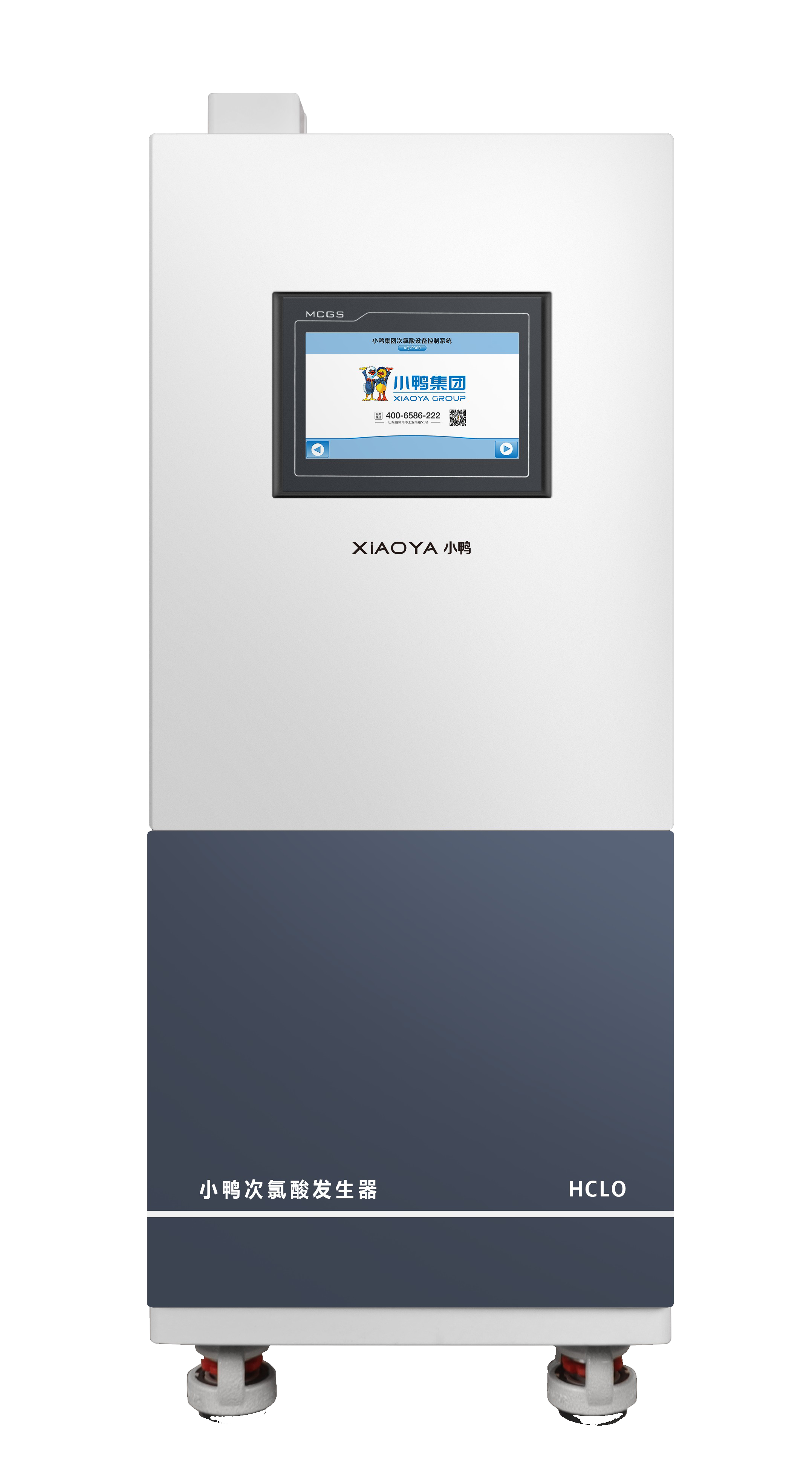
The purchase price of HOCl generators is only part of the investment. For finance teams evaluating on-site disinfectant production, operator labor, concentration testing, maintenance, and eventual electrolytic cell replacement can materially change the business case. Savings from reduced chemical purchases may look attractive until somebody asks who will check the output every morning—or pay for a replacement cell after the warranty ends.
The right question is not simply, “How much disinfectant can this machine produce?” It is, “What will each usable liter cost under our operating conditions?” That distinction matters when comparing automated systems with purchased chemicals, particularly across facilities with different water supplies, staffing arrangements, and demand patterns.
Start with usable output, not rated capacity
A supplier’s production rating is a starting point, not a financial forecast. Your facility may operate below capacity, experience demand peaks, or discard solution that no longer meets its approved operating specification. Hypochlorous acid stability depends on factors including formulation, concentration, temperature, light exposure, and storage conditions.
Use accepted, usable output as the denominator in your cost model. Otherwise, a generator producing more solution than the site consumes can appear inexpensive while quietly increasing waste.
A practical calculation is:
Cost per usable liter = total ownership costs over the evaluation period ÷ liters meeting specification and actually used during that period.
Total ownership costs should include installation, consumables, utilities, labor, testing, scheduled maintenance, replacement components, and backup supply. For a discounted cash-flow model, include the initial investment and later expenses at their expected timing; do not also count depreciation as another cash outlay.
Compare both options at equivalent use conditions. Different concentrations, dilution requirements, application methods, and contact times can make a simple price-per-liter comparison misleading.
The labor budget hiding behind “automatic”
Automation can reduce manual preparation without eliminating operator involvement. Someone still needs to replenish inputs, inspect the system, check alarms, verify output, clean relevant components, and maintain records. In a healthcare or institutional setting, documentation may take as much attention as physically handling the solution.
Ask the supplier to demonstrate a complete operating cycle rather than only the production stage. Watch what happens before startup, after an alarm, and when the system needs cleaning.
- Routine operation: input replenishment, startup checks, dispensing, container handling, and output verification.
- Quality administration: test records, batch identification where applicable, deviation handling, and release decisions.
- Maintenance coordination: arranging service, receiving parts, supervising contractors, and confirming acceptable output afterward.
- Staff continuity: initial training, refresher training, and coverage when the usual operator is absent.
Small daily tasks accumulate. As an illustrative workload calculation, 20 minutes per operating day across 250 days equals roughly 83 labor hours annually, before maintenance or troubleshooting. Apply your own fully burdened labor rate rather than assuming that existing staff time is free.
Also distinguish incremental payroll from capacity consumed. A task may not require another employee, yet it can still displace cleaning, production support, or other work the business needs completed.
Testing costs more than the test itself
HOCl generators produce disinfectant through electrochemical processes, but functioning equipment does not automatically mean every output batch is suitable for use. Feedwater variation, input errors, electrode condition, and process settings can affect the resulting solution.
Testing requirements should follow the application, the supplier’s validated operating procedure, and relevant local requirements. Common controls include free available chlorine concentration and pH. Because pH affects chlorine speciation, a concentration result alone does not fully describe the solution.
Budget for an appropriate measurement method, reagents or strips where suitable, calibration or verification materials, instrument upkeep, and staff time. Confirm that the method covers the expected concentration range and that operators understand dilution and interference issues.
Do not treat oxidation-reduction potential as a direct substitute for measuring disinfectant concentration. It can provide useful process information, but it does not independently establish the required free chlorine level. Likewise, routine concentration checks do not replace application-specific efficacy evidence or required authorizations.
The expensive event is often a failed check rather than the check itself. An out-of-specification result may trigger retesting, disposal, cleaning, investigation, and emergency chemical purchases. The budget should reflect that workflow, even if failures are infrequent.
Cell replacement: the expense that changes the payback calculation
The electrolytic cell is a wear component, not a permanent asset. Its service life depends on design, operating load, water chemistry, cleaning practices, and whether the equipment stays within specified conditions. A quoted lifespan means little unless the supplier explains how it is measured.
Request written answers to these questions:
- Is cell life expressed in operating hours, production volume, calendar time, or a combination?
- What feedwater limits and cleaning procedures are assumed?
- What output deterioration or alarm condition triggers replacement?
- Does the replacement quote include seals, membranes where applicable, labor, shipping, and recommissioning?
- What are the warranty exclusions, spare-part lead times, and service arrangements?
Place replacements in the year they are expected to occur rather than smoothing them into an invisible allowance. Finance teams need to see whether a significant cash expense arrives before the projected payback date.
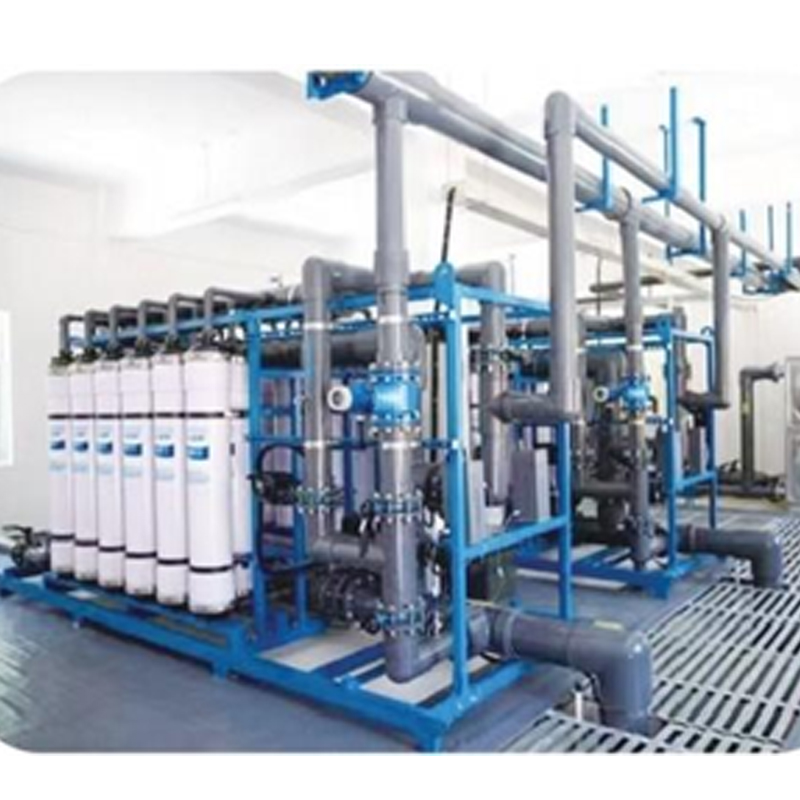
Cell architecture also deserves attention. For projects requiring separated electrode chambers, a Diaphragm Electrolyzer incorporates an ion-exchange membrane between the anode and cathode, with modular and recirculating configurations available. Application-specific membrane selection and flexible configuration can support electrolysis efficiency, but the financial assessment must still include membrane servicing, cleaning access, and replacement scope. A component’s suitability for chlorine-based disinfectant production does not by itself establish the finished system’s HOCl specification or approval for a particular use.
Installation and downtime belong in the same spreadsheet
A compact machine can still require site preparation. Depending on the design, costs may include water treatment, plumbing, drainage, electrical work, storage containers, ventilation, and safe handling of process streams. Some electrolysis configurations generate hydrogen or separate acidic and alkaline streams; obtain system-specific installation and safety requirements rather than assuming every unit behaves alike.
Water deserves particular scrutiny. If pretreatment is required to control hardness or other feedwater characteristics, include filter changes, treatment consumables, servicing, and any water losses. Electricity and salt are visible operating inputs, but they are not the whole production cost.
Downtime should have an agreed response. A facility that needs disinfectant every day may require stocked chemicals, a second unit, or a service arrangement with defined response times. Each option has a cost. Backup inventory can also expire or occupy storage space, so chemical purchasing may fall without disappearing.
Approve a range of outcomes, not one optimistic forecast
Build a base case using measured demand and confirmed supplier requirements. Then test lower utilization, higher labor needs, earlier cell replacement, and a period of downtime. These are decision scenarios, not claims about what the equipment will inevitably do.
A pilot is most useful when it records actual operator minutes, accepted output, test failures, cleaning frequency, and utility consumption. Run it under representative site conditions. Where one enterprise operates across healthcare, appliance production, and general facility hygiene, do not assume one location’s experience transfers unchanged to every application.
Before capital approval, request an itemized installation scope, maintenance schedule, replacement-part quotation, feedwater specification, testing procedure, and applicable compliance documentation. Align the responsibilities of the manufacturer, installer, and local service provider—especially when they are different organizations.
HOCl generators can offer a credible procurement alternative, but the strongest business case is not the one with the lowest projected chemical cost. It is the one that remains attractive after labor, verification, component replacement, and operational resilience are fully priced. Finance should approve dependable disinfectant availability, not merely a machine’s ability to produce liquid.
NEWS
 Disinfection Empowers Orthodontic Safety: Hypochlorous Acid Generators Build a Sterile Defense Line for Dental Instruments
- Accumulating Strength and Reaching New Heights: A Record of the Production Breakthrough of Xiaoya Small Home Appliances' Hypochlorous Acid Generators
 The Hidden Costs of HOCl Generators: Labor, Testing, and Cell Replacement
 HOCl Generators in Food Plants: Where Surface Sanitation Fits
- Batch vs. Continuous HOCl Generators for Multi-Shift Facilities
Leave us a message

Xiaoya Group was founded in 1979,expert in the electrolyzed water industry.
Get in Touch
*We respect your confidentiality and all information are protected.