news
A satisfactory reading from a Medical Hypochlorous Acid Generator does not establish that a hospital surface has been disinfected. The solution must meet the specified chlorine concentration when used, and the entire treated surface must remain wet for the required contact time. Both conditions must match the instructions for the particular disinfectant, target organism, surface, and application method.
Verification therefore needs to follow the solution from production to application. A generator display, a test result from a storage tank, and a cleaning checklist each provide useful evidence, but none alone proves that the complete process meets its requirements.
Define the acceptance criteria before testing
There is no universal HOCl concentration or contact time for every hospital surface. Effective conditions depend on the formulation and its supported disinfection claims. A concentration suitable for one application cannot automatically be transferred to another, and increasing chlorine does not justify shortening the specified wet contact time.
Establish the operating limits from the applicable disinfectant label, instructions for use, and facility procedure. For an on-site generation system, those documents should address the generated solution and its intended use. The word “medical” in an equipment description does not establish authorization or efficacy for hospital surface disinfection.
A usable procedure should identify:
- The permitted concentration range and the exact chlorine measurement required.
- Any specified pH limits and solution storage conditions.
- The required wet contact time for the intended disinfection claim.
- Approved surfaces, application methods, and cleaning requirements.
- Sampling locations, testing frequency, and actions when a result falls outside limits.
Keep routine environmental surfaces separate from instruments and devices that require sterilization or high-level disinfection. Also check the equipment manufacturer’s cleaning instructions before treating touchscreens, connectors, coated surfaces, or other sensitive components.
Measure the right chlorine parameter
HOCl exists in equilibrium with hypochlorite ions in water. Their relative proportions depend on pH, which affects disinfection behavior. Two solutions with the same free chlorine reading can therefore have different HOCl proportions.
Free available chlorine generally includes hypochlorous acid and hypochlorite ions. Total chlorine also includes combined chlorine species. A total chlorine result cannot automatically substitute for a free chlorine requirement. Likewise, a reading expressed as chlorine does not directly report the concentration of HOCl molecules alone.
When a specification uses “available chlorine,” the procedure should state which analytical method and reporting basis apply. For dilute aqueous solutions, ppm is approximately equivalent to mg/L, but records should retain the units and measurement basis used by the approved method.
DPD colorimetry is a common approach for measuring free chlorine. A photometer can support numerical release decisions when its range, reagents, and procedure are suitable for the solution. High concentrations may exceed the instrument range or bleach the developed color, potentially producing a misleadingly low result. Use a validated dilution procedure with suitable chlorine-demand-free water when dilution is necessary.
Test strips can be useful for routine screening if they cover the operating range and provide enough resolution around the acceptance limits. A broad color scale is less suitable when a small difference determines whether a batch passes. Follow the specified reading time, protect strips from moisture, and control reagent expiration and storage.
Measure pH separately with an appropriate method. Oxidation-reduction potential, or ORP, can help monitor a process trend, but it is influenced by several solution conditions and cannot replace a chlorine concentration test. Check instruments with suitable standards or verification materials according to their procedures; a stable display alone does not demonstrate accurate measurement.
Sample where deterioration can occur
Fresh generator output may meet its specification while solution in a distribution line or spray bottle does not. Light, heat, storage duration, contamination, and contact with unsuitable materials can reduce available chlorine. Residual water in a container can also dilute an otherwise acceptable batch.
During initial process qualification, compare freshly generated solution with samples from storage, dispensing points, and representative containers at the end of their intended use period. This establishes whether the proposed holding time and distribution arrangement preserve the required chemistry.
Collect samples in clean, compatible containers using a defined method. Test promptly, because the sample itself can change during handling. Where a sampling outlet needs flushing, specify the flushing procedure so that different operators collect comparable samples.
Production sampling and point-of-use sampling answer different questions. The first checks whether the generator is producing acceptable solution. The second checks whether that solution remains acceptable after storage and delivery. Neither directly establishes how much chlorine remains after contact with soil on a surface.
Set routine sampling frequency around the qualified process, production pattern, and likelihood of variation. Repeat relevant checks after changes to feed water, electrolyte, equipment settings, storage containers, distribution lines, or maintenance. Avoid topping up partially used containers unless that practice is specifically supported; mixing old and new solution obscures age and traceability.
Verify wet contact time under working conditions
Contact time begins when the whole target area is adequately wetted. Start the timer after complete coverage, then observe whether the surface stays wet throughout the required interval. Recording elapsed time without checking wetness can conceal an ineffective application.
Remove visible soil and follow the specified cleaning process before disinfection, except where the product instructions explicitly support a combined cleaning and disinfection method under the conditions present. Blood, proteins, and other organic material consume chlorine and may shield microorganisms. A passing bottle sample cannot compensate for inadequate cleaning.
Evaluate the actual application method on representative surfaces. Bed rails, vertical panels, plastic housings, and large worktops can retain liquid differently. Airflow, surface temperature, room conditions, and the amount applied affect drying. Wipes also differ in how much liquid they release and how much area they can cover.
If a surface dries too soon, revise the procedure within the product instructions. Appropriate changes may include treating smaller areas, applying sufficient solution, or reapplying as directed. Do not assume that separate periods of wetness can simply be added together. Define how to handle an interrupted contact period before staff encounter it during routine work.
Use direct observations and timers during qualification and periodic audits. Fluorescent markers can reveal missed areas or incomplete wiping, while ATP testing can support assessment of residual organic contamination. Neither independently confirms that HOCl concentration and contact time were adequate or that pathogens were inactivated.
Separate generator capability from hospital suitability
Adjustable concentration and on-demand output are useful equipment features, but they do not establish a hospital disinfection claim. For example, the Hypochlorous Acid Generator for Floriculture (P300-W) is described for horticultural applications, with adjustable available chlorine of 10–200 ppm and a pH range of 5.0–6.5. Those specifications illustrate controllable production parameters; they do not establish suitability for hospital surfaces.
When assessing an automated HOCl system, examine the intended-use documentation alongside its controls. Useful provisions include accessible sampling points, defined operating limits, alarms, traceable settings, and procedures for withholding unacceptable output. Independent measurements should establish whether displayed values represent the solution delivered under normal operating conditions.
Maintenance requirements also matter. Changes in feed-water quality, electrolyte delivery, flow, and electrolyzer condition can affect production. A system should have a defined response when these conditions move outside its qualified operating range.
Make records support a clear decision
A verification record should connect the solution to its production time or batch, sampling location, measured chlorine and pH, test method, and release decision. Application audits should identify the surface, preparation, application method, observed wet duration, and corrective action.
When concentration falls outside limits, hold the affected solution and investigate the cause. When wet contact time is missed, treat the application as a deviation and repeat the process according to the approved procedure. Include an assessment of any surfaces already treated with the affected solution.
The practical release question is whether acceptable solution reaches the intended surface and remains wet for the specified interval. Build the routine check around those two conditions, with enough traceability to locate and correct a failure.
NEWS
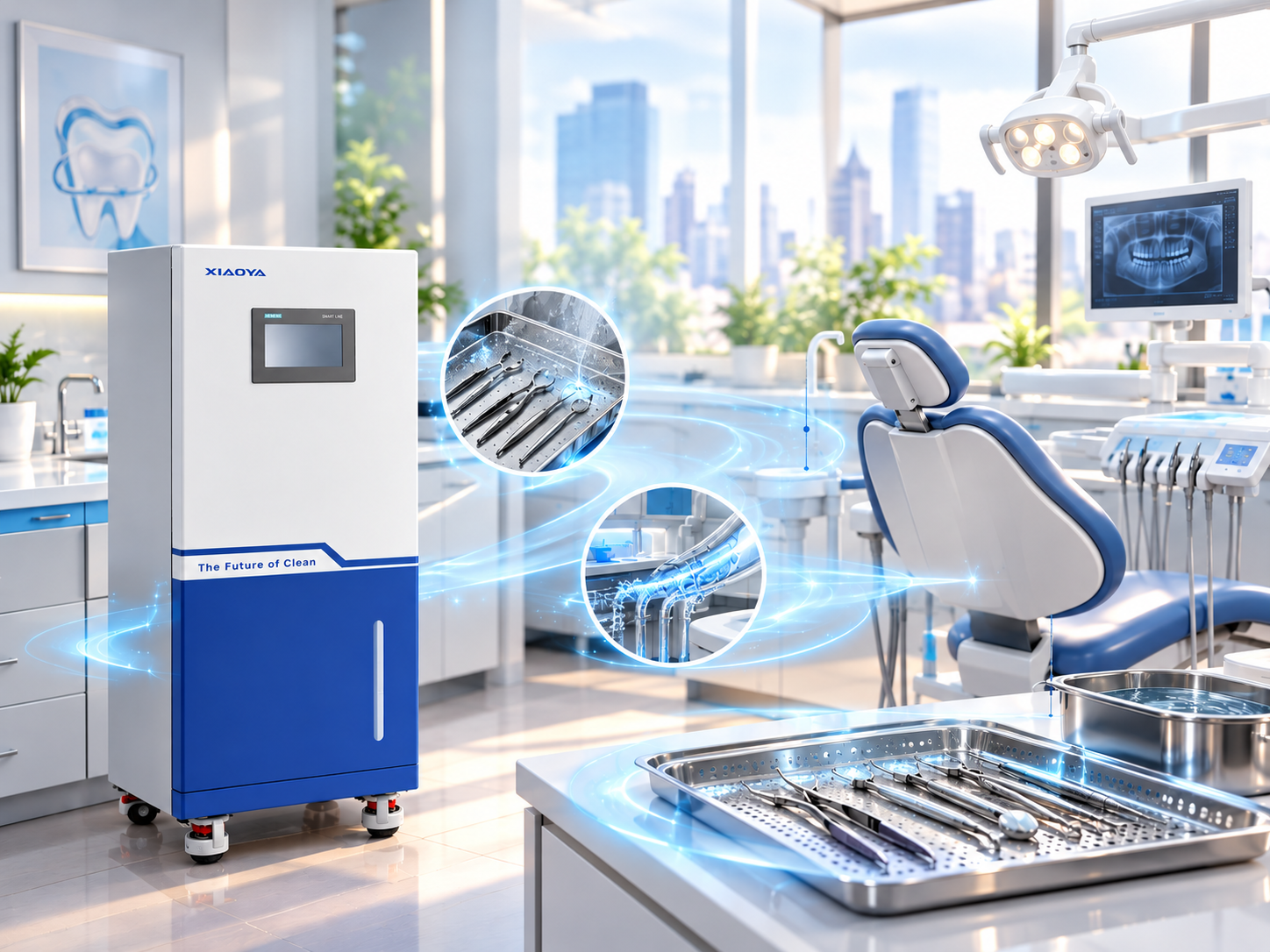
 Disinfection Empowers Orthodontic Safety: Hypochlorous Acid Generators Build a Sterile Defense Line for Dental Instruments
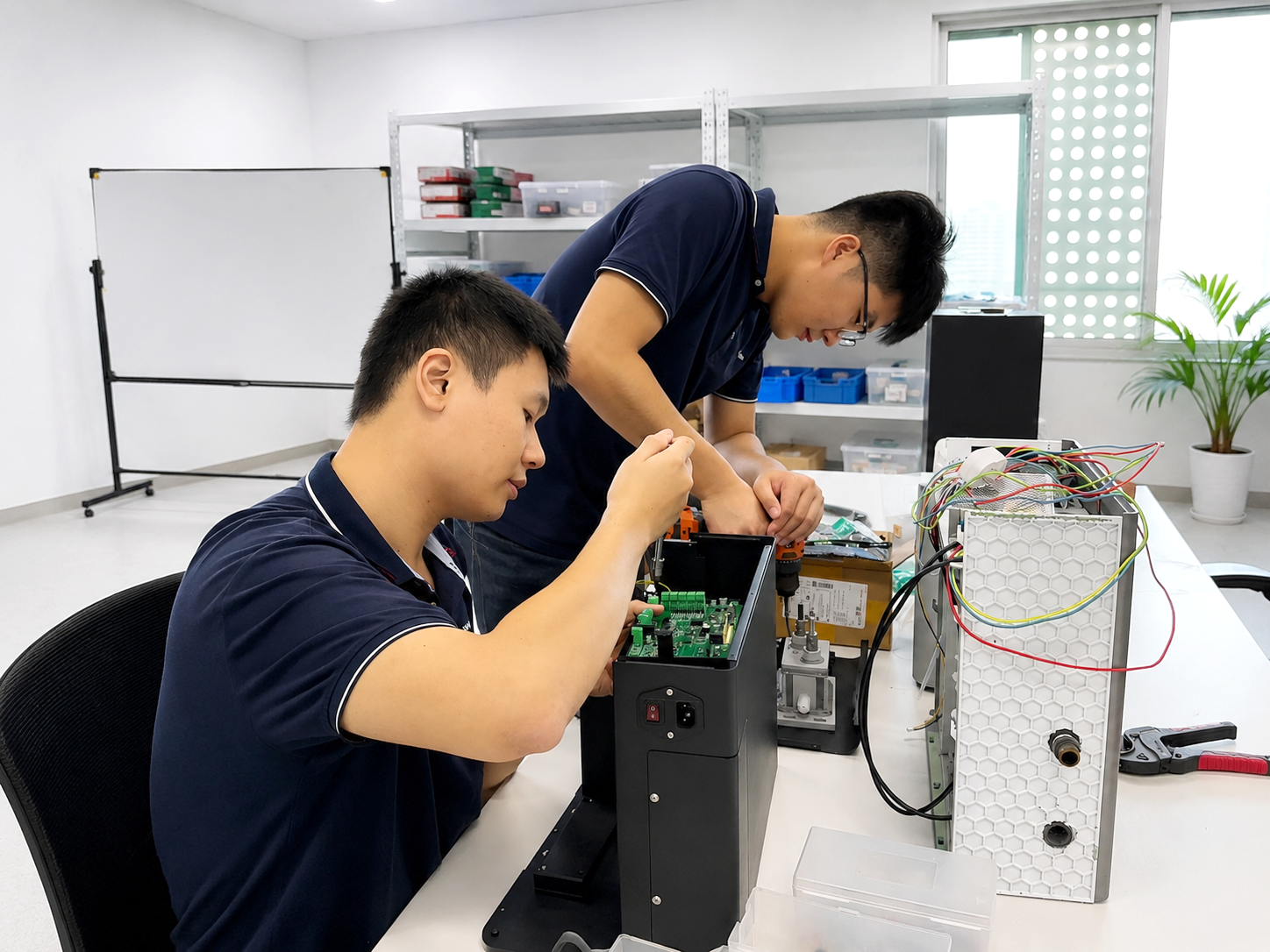
- Accumulating Strength and Reaching New Heights: A Record of the Production Breakthrough of Xiaoya Small Home Appliances' Hypochlorous Acid Generators
 Verifying HOCl Concentration and Contact Time for Hospital Surfaces
 Medical HOCl Generator Claims: What Regulatory Evidence Is Needed?
 Choosing a Medical HOCl Generator for Hospital Cleaning Workflows
Leave us a message

Xiaoya Group was founded in 1979,expert in the electrolyzed water industry.
Get in Touch
*We respect your confidentiality and all information are protected.