news
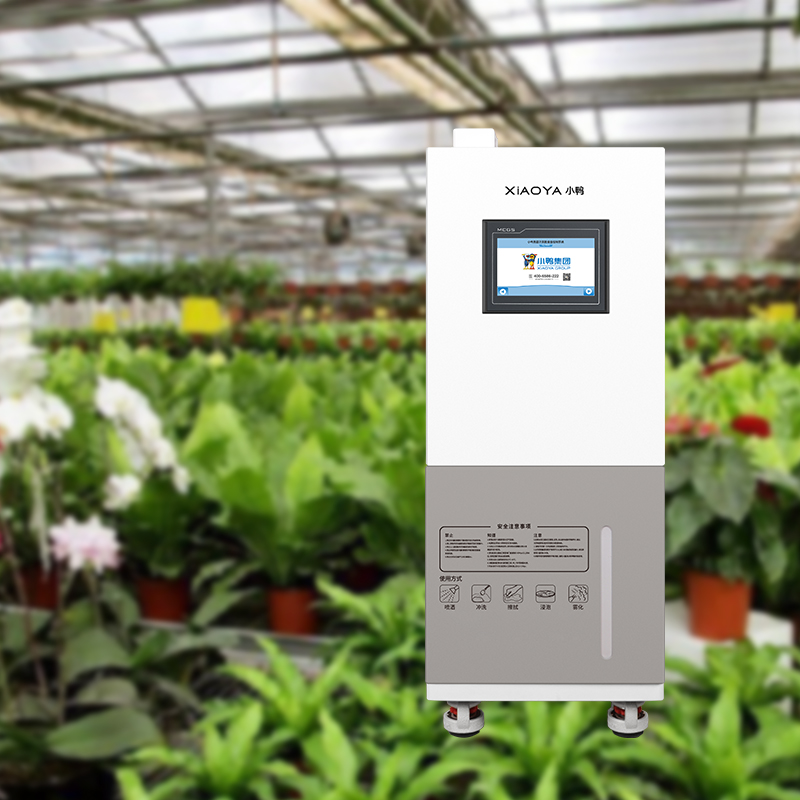
Why are more facilities asking about an HOCL machine?
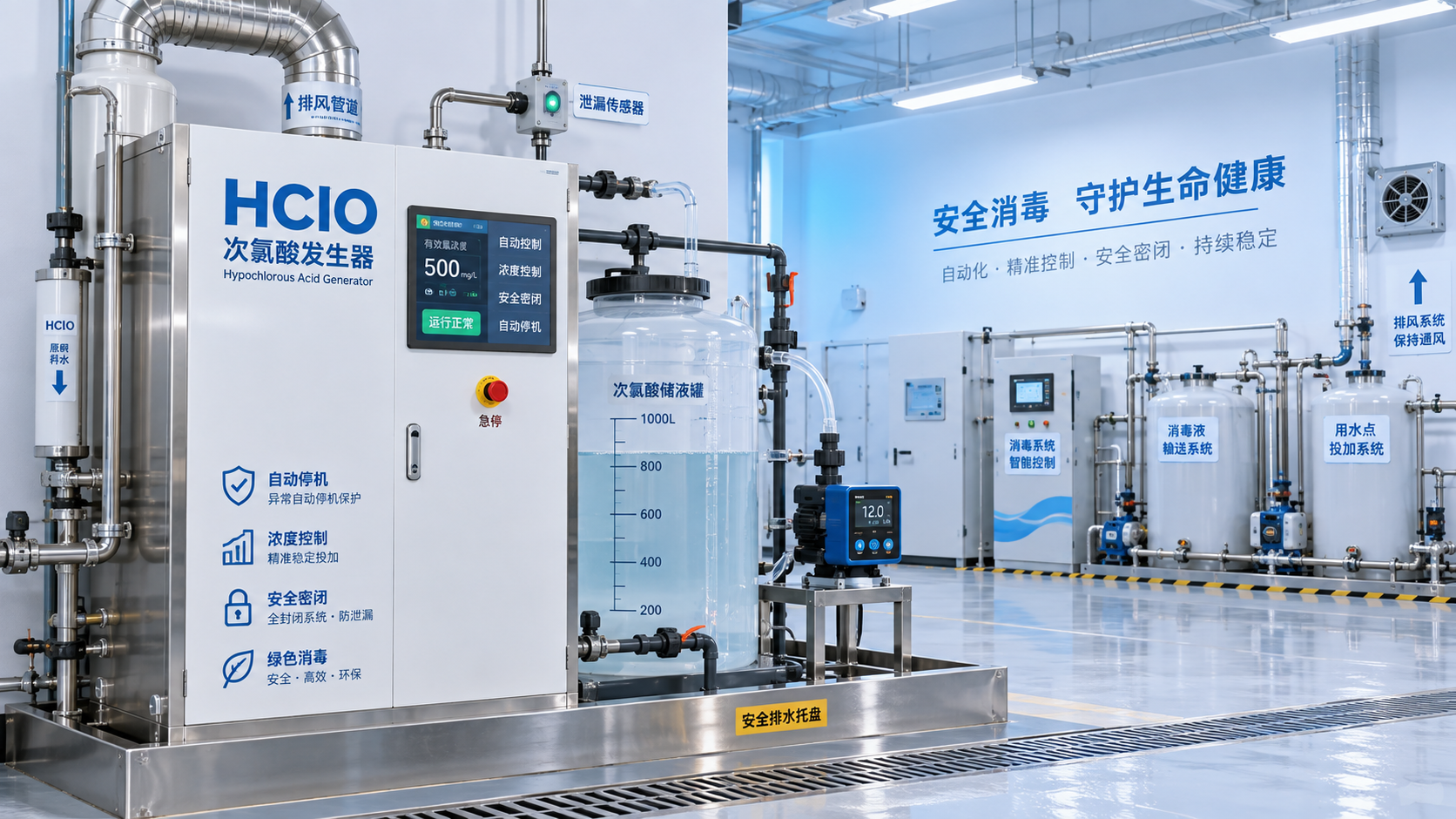
An HOCL machine helps create disinfectant where it will actually be used, instead of relying only on transported chemical products.
That matters in automated cleaning environments, especially where hygiene standards, repeatability, and chemical handling safety all affect daily operations.
In healthcare, sanitation, and appliance-related manufacturing, the interest is usually practical. People want stable output, easier dosing, and fewer storage concerns.
An HOCL machine produces hypochlorous acid solution from water, salt, and electricity through electrolysis. The result is a ready-to-use disinfectant made on-site.
For businesses linked to kitchen and bathroom appliances, health care devices, clean energy, and small household appliances, this fits a broader move toward controlled, automated processes.
The key question is not only what the technology is. It is whether the system can deliver reliable disinfection under real operating conditions.
What exactly does an HOCL machine do?
At a basic level, an HOCL machine converts a dilute salt solution into hypochlorous acid using an electrolytic cell.
Hypochlorous acid is valued because it is effective against many microorganisms while being suitable for many controlled cleaning applications.
The process sounds simple, but the machine itself is an automation system. It depends on water quality, salt concentration, power control, flow management, and electrode performance.
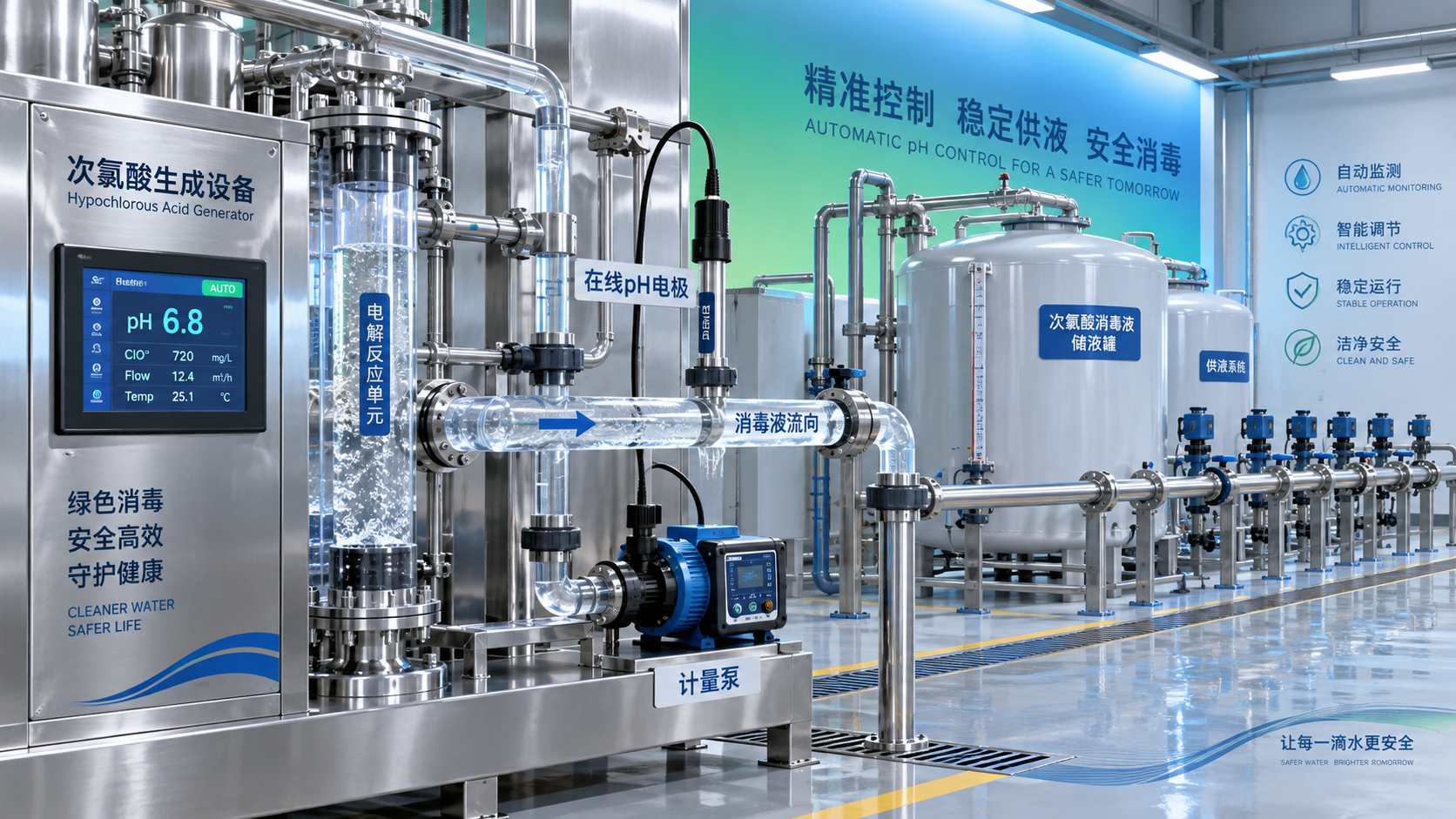
Good equipment also monitors operating conditions so the final solution stays within a useful concentration and pH range.
This is why water preparation should not be treated as a minor detail. In many projects, pretreatment and water consistency determine output quality.
Where raw water is unstable, supporting systems such as Water Treatment Equipment may be part of the wider setup.
That is common in hospitals, hotels, catering sites, and industrial environments where automation needs a dependable water source before disinfection can be standardized.
How does the on-site production process work in practice?
Most systems follow a short operational sequence, but each step affects the final disinfectant quality.
- Water enters the system after basic filtration or pretreatment.
- Salt is added in a controlled proportion.
- Electrolysis separates and recombines chemical species inside the cell.
- The HOCL solution is collected, monitored, and sent to storage or direct use points.
In actual installations, the more important question is how consistently the machine repeats this cycle.
A stronger design will include automated dosing, PLC-based control, alarms, and straightforward maintenance access. That reduces variation between batches.
It also reduces manual intervention, which is one reason the HOCL machine is increasingly discussed within automated equipment planning.
Where is an HOCL machine most useful, and where is it less suitable?
An HOCL machine is usually most useful where disinfectant is consumed regularly and quickly, not just occasionally.
Common examples include healthcare spaces, sanitation rooms, food-related cleaning areas, public facilities, and appliance production environments requiring routine surface hygiene.
It can also support cleaning workflows in schools, homestays, hospitals, and catering businesses, especially where logistics for chemical supply are inconvenient.
However, not every situation needs one. Small sites with low disinfectant demand may find packaged solutions simpler.
The judgment usually comes down to usage volume, water stability, maintenance readiness, and whether on-site generation improves process control.
What should you compare before choosing an HOCL machine?
Many comparisons focus too much on output capacity alone. That can be misleading.
A better comparison looks at the whole system, including upstream water handling, control logic, serviceability, and local operating conditions.
- Target concentration range and stability
- pH control and monitoring method
- Water pretreatment requirements
- Electrode life and replacement cycle
- Automation level, alarms, and data visibility
- Installation, training, and after-sales support
Where water conditions are challenging, it helps to review integrated treatment options. Some projects pair disinfection generation with reverse osmosis or ultrafiltration support.
That is one area where Water Treatment Equipment becomes relevant, especially for sites needing PLC control, low-maintenance operation, and stable feed water quality.
Needless to say, the best HOCL machine is the one that matches local water, workflow, and verification needs, not the one with the broadest brochure claims.
What are the most common misunderstandings about HOCL machines?
One common misunderstanding is that all HOCL solution is automatically the same, regardless of machine design or source water.
In reality, output quality can shift when salt purity, water conductivity, electrode condition, or operating settings are not controlled well.
Another mistake is assuming on-site generation means no maintenance. The system may reduce chemical handling, but it still needs inspection, cleaning, and performance checks.
There is also confusion between stronger smell and better disinfection. That is not a reliable indicator of an HOCL machine working correctly.
A more practical approach is to confirm measurable parameters, define usage protocols, and train operators around storage time and application method.
How should you evaluate cost, setup, and next steps?
The purchase price is only one part of the decision. Operating salt, electricity, water treatment, testing, and service should also be reviewed.
Setup time depends on site conditions. A simple installation may move quickly, while a project needing pretreatment, distribution points, or compliance validation takes longer.
If you are comparing options, start with a short checklist.
- Measure actual disinfectant demand by day or shift.
- Check the stability and conductivity of available water.
- Confirm whether automated dosing or direct-use piping is needed.
- Ask how concentration will be verified over time.
- Review maintenance access, spare parts, and service response.
An HOCL machine can be a strong fit when disinfection is frequent, quality control matters, and automation already shapes the site’s operating model.
The most useful next step is to map your water condition, target output, and hygiene workflow together. That usually reveals whether on-site generation is a practical upgrade or an unnecessary layer.
NEWS
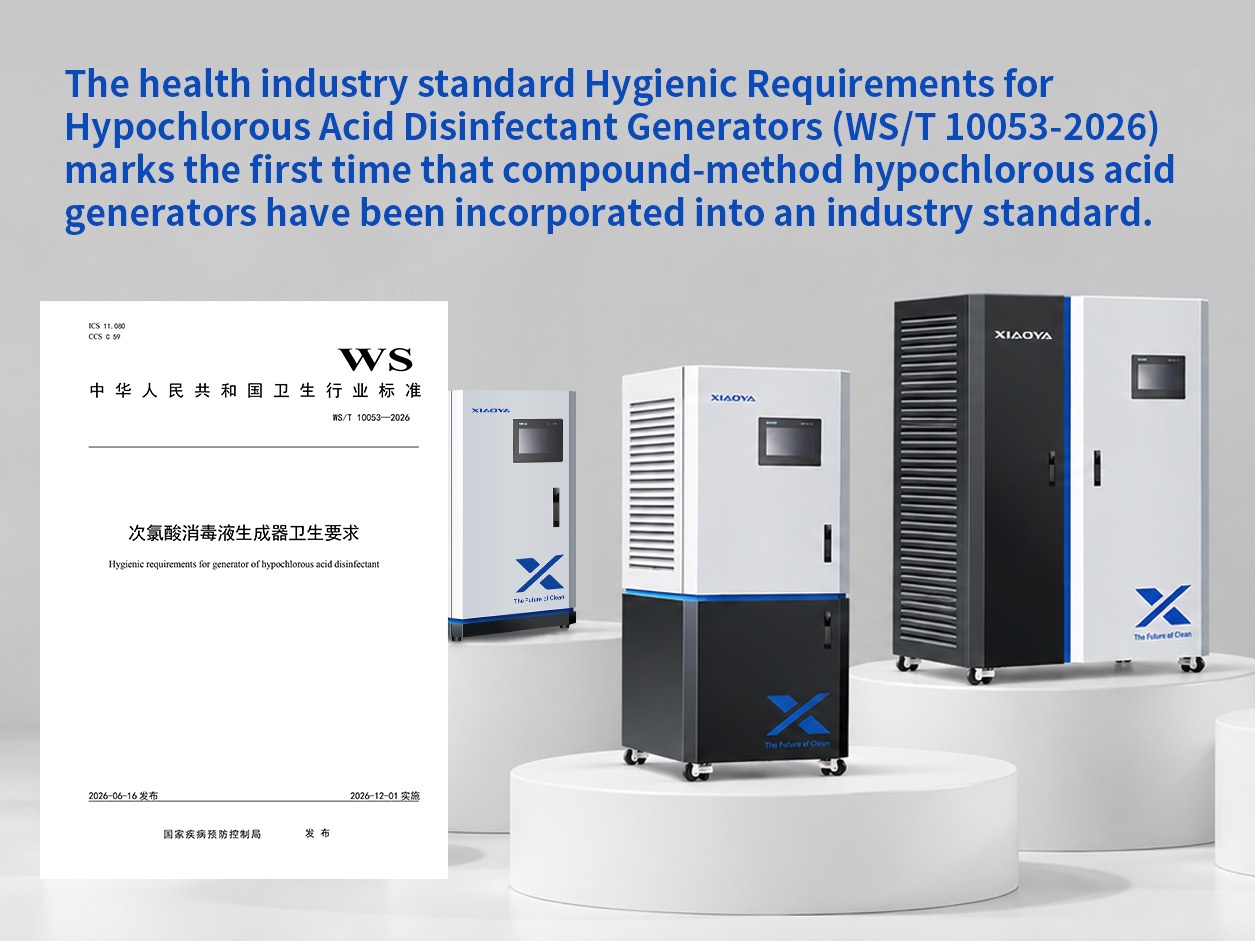
 WS/T 10053-2026 Includes the Compound Method for the First Time: Standard Signals and Market Opportunities for Mass Agricultural Production of Hypochlorous Acid Generators
 Evaluating HClO Generator Lifecycle Costs Beyond the Initial Equipment Price
 HClO Generator pH Control: Why It Determines Disinfection Performance
- Which Safety Features Matter Most When Buying an HClO Generator?
 Troubleshooting Low ORP Readings on a Hypochlorous Acid Machine
Leave us a message

Xiaoya Group was founded in 1979,expert in the electrolyzed water industry.
Get in Touch
*We respect your confidentiality and all information are protected.