news
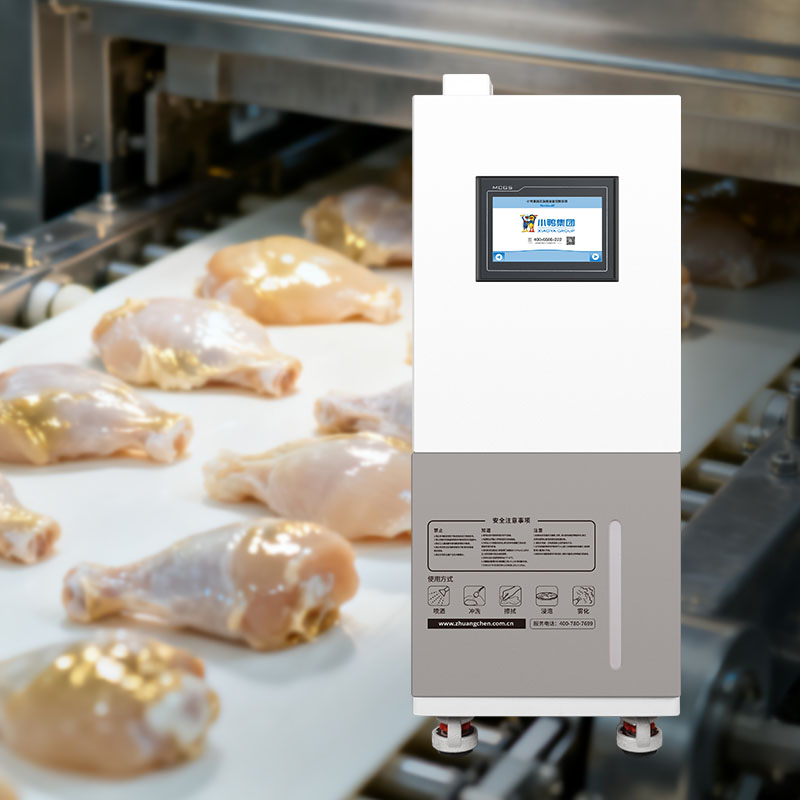
Why are businesses paying attention to a hypochlorous acid generator commercial system?
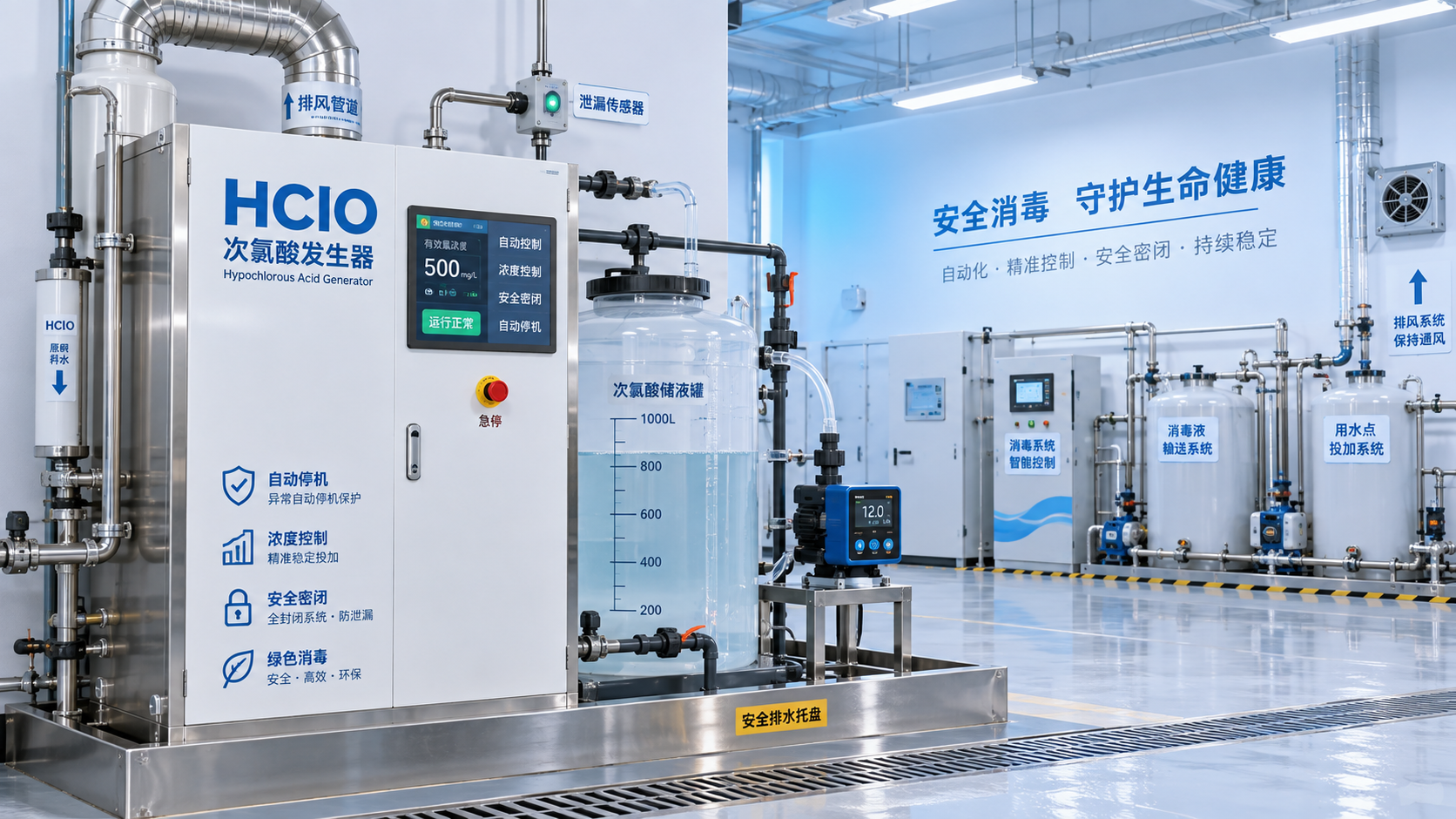
A hypochlorous acid generator commercial system makes disinfectant on site instead of relying on frequent chemical deliveries.
That matters where sanitation is continuous, traceable, and tied to automated operations.
In practical terms, it converts water, salt, and electricity into a usable sanitizing solution.
The result is a cleaner workflow for facilities that need stable hygiene without heavy chemical storage.
This is especially relevant in sectors linked to kitchen and bathroom appliances, healthcare and disinfection appliances, clean energy equipment, and small household appliances.
These industries often combine R&D, production, and daily operation, so sanitation has to be consistent across testing, assembly, and support spaces.
For many sites, the appeal is simple: safer handling, quicker response, and easier scaling.
What is it actually used for in real commercial settings?
The most common use is routine disinfection of surfaces, tools, and contact zones.
A hypochlorous acid generator commercial setup is also used for misting, wiping, soaking, and integration with cleaning lines.
In food-related environments, it helps sanitize prep areas, containers, and equipment exteriors.
In hospitality, it supports room turnover, restroom hygiene, and public area cleaning.
In healthcare-related spaces, it is valued where frequent disinfection is needed without harsh residue concerns.
Appliance production sites also use it to maintain cleaner assembly environments and reduce contamination risks during manufacturing.
Some businesses extend usage beyond indoor sanitation.
For example, agricultural operations may use solutions generated under controlled parameters for seed disinfection, disease control, and soil-related hygiene management.
A relevant example is Hypochlorous Acid Generator for Agricultural Planting, which shows how the same generation principle can serve automated, scalable treatment needs outside standard indoor facilities.
How is it different from buying ready-made disinfectants?
The biggest difference is production control.
A hypochlorous acid generator commercial system produces solution where it is used, which shortens supply steps and reduces storage pressure.
Ready-made chemicals may still suit low-volume or occasional cleaning.
But for facilities with repeated sanitation cycles, on-site generation is often easier to standardize.
The comparison below helps clarify where each approach fits best.
The choice is less about trend and more about operational rhythm.
Which applications benefit most from a hypochlorous acid generator commercial solution?
High-frequency sanitation environments usually see the clearest value.
- Food handling areas that require repeated cleaning during shifts.
- Hotels, public facilities, and restrooms with fast turnover.
- Healthcare support spaces where disinfection schedules are strict.
- Appliance assembly and testing lines needing cleaner process control.
- Agricultural and planting environments using controlled HClO output.
A useful sign is whether sanitation is part of the process, not just a maintenance task.
When cleaning is repeated, documented, and linked to uptime, this equipment becomes easier to justify.
Some specialized systems even add remote monitoring and adjustable concentration ranges.
That is why solutions such as the AQ-P1000 are discussed in planting applications, where output, pH control, and operating status matter day to day.
What should be checked before choosing one?
Selection should start with use conditions, not with price alone.
A hypochlorous acid generator commercial unit has to match volume, concentration needs, and workflow timing.
More common evaluation points include the following.
- Output capacity per hour and peak demand periods.
- Adjustable available chlorine concentration for different tasks.
- Water quality, inlet pressure, and local power conditions.
- Electrolyzer life, maintenance cycle, and replacement access.
- Whether remote control or live status monitoring is needed.
- Physical footprint and fit with existing automation equipment.
For instance, one agricultural model offers output of at least 1000 L/h, pH 5.0 to 6.5, and adjustable chlorine concentration from 10 to 300 mg/L.
Those figures may be useful if a site needs broad operational flexibility rather than a single cleaning routine.
Are there any common misunderstandings or implementation risks?
Yes, and most of them come from treating the system as a plug-and-forget device.
One misunderstanding is assuming every hypochlorous acid generator commercial installation performs the same.
Performance depends on sizing, water conditions, control settings, and maintenance discipline.
Another issue is ignoring application differences.
Surface wiping, spray disinfection, equipment sanitation, and agricultural treatment do not always need the same concentration or flow rate.
It is also worth checking compliance expectations in the target environment.
Validation records, operating logs, and staff procedures still matter, even when generation is automated.
The safer approach is to build a simple implementation standard.
- Define target applications and concentration ranges.
- Confirm daily and weekly output demand.
- Set maintenance, inspection, and monitoring routines.
- Review actual operating cost after a pilot period.
So, when does adopting one make sense?
It usually makes sense when sanitation is frequent, measurable, and operationally important.
A hypochlorous acid generator commercial system is not just a cleaning device.
It is often part of a broader automated hygiene strategy that supports stable production and lower handling complexity.
The next step is to map where disinfection happens, how much solution is actually used, and what level of control is required.
From there, compare output range, operating conditions, service life, and monitoring functions across suitable systems.
That kind of comparison gives a more reliable answer than focusing on purchase cost alone.
NEWS
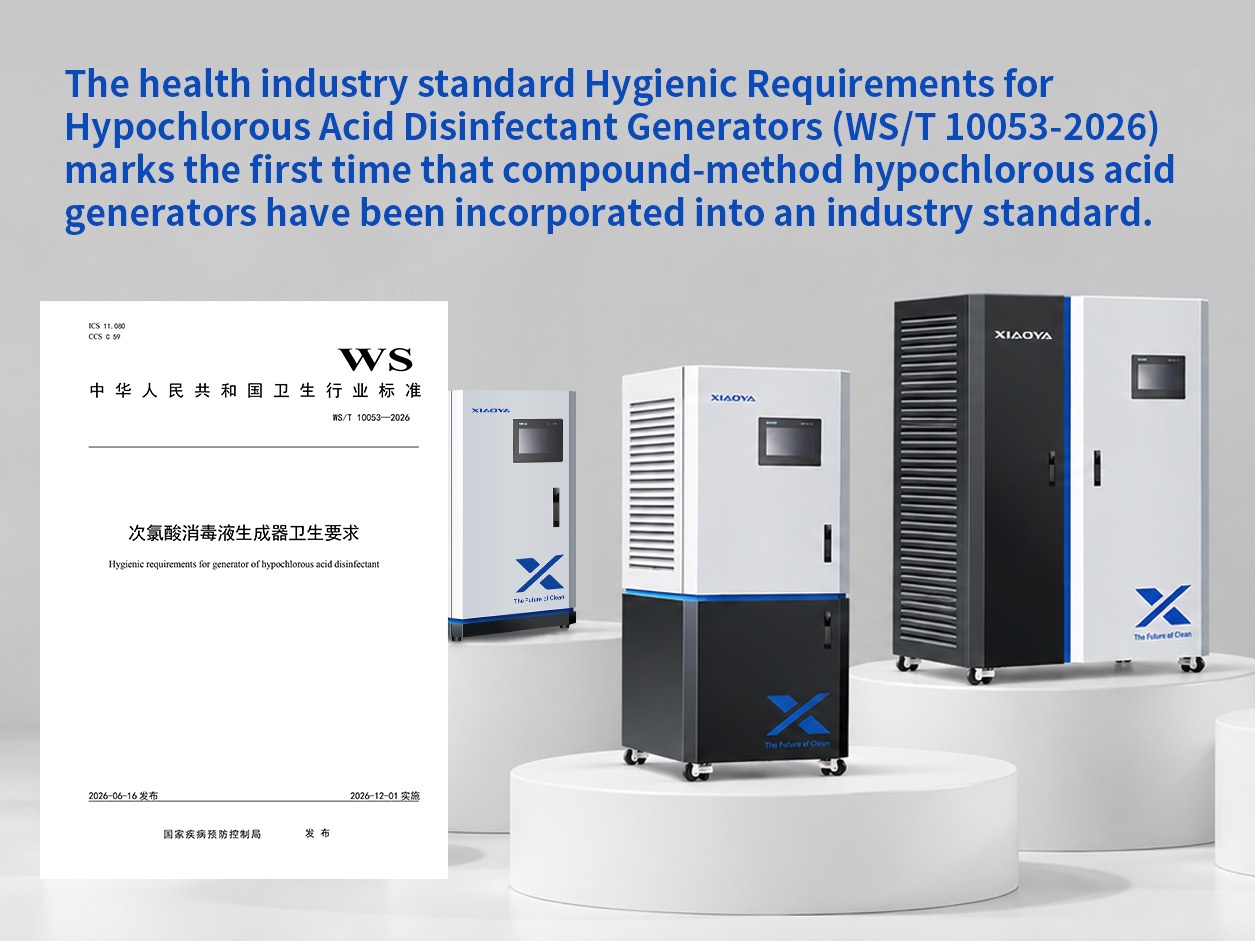
 WS/T 10053-2026 Includes the Compound Method for the First Time: Standard Signals and Market Opportunities for Mass Agricultural Production of Hypochlorous Acid Generators
 Evaluating HClO Generator Lifecycle Costs Beyond the Initial Equipment Price
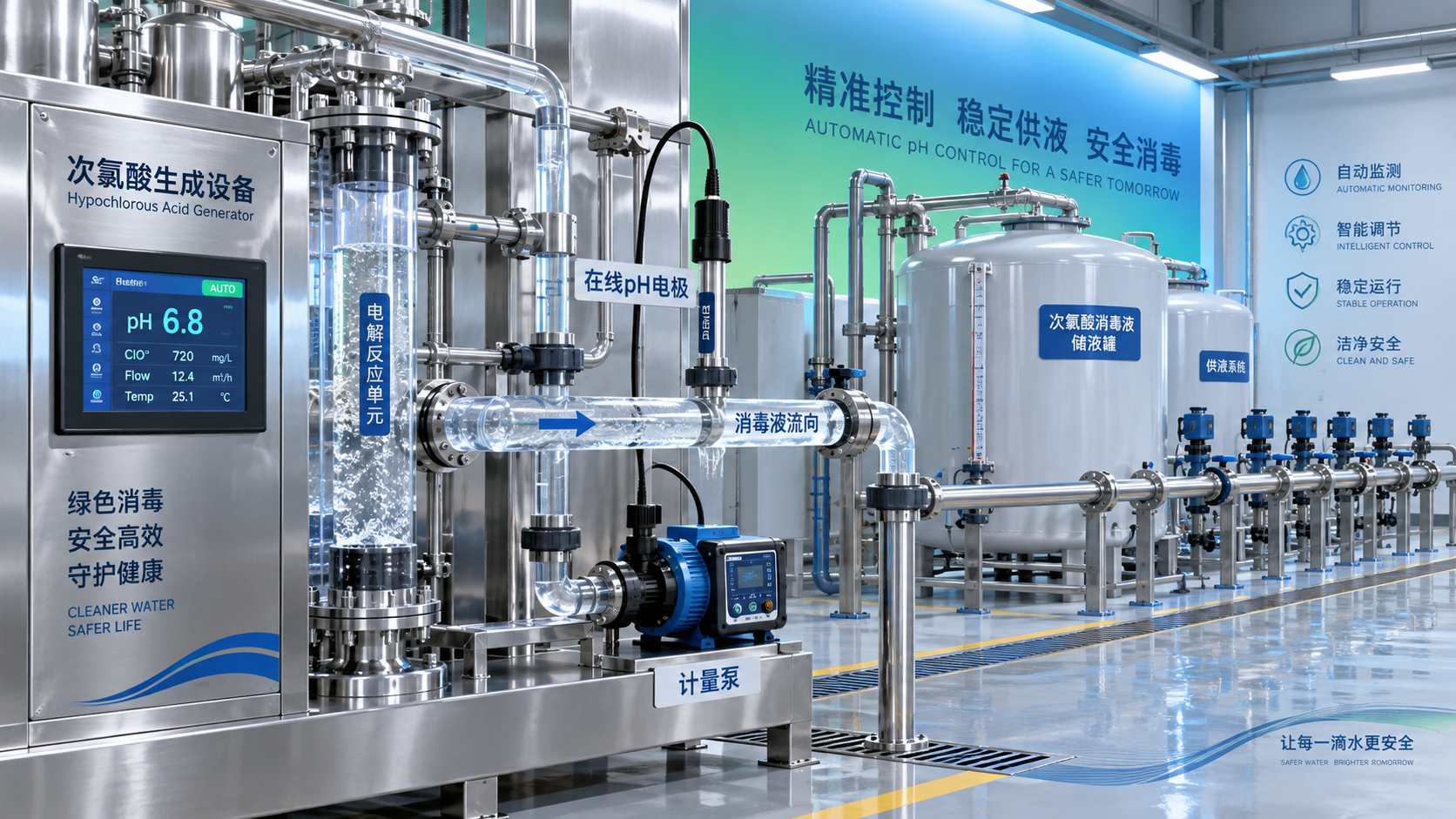
 HClO Generator pH Control: Why It Determines Disinfection Performance
- Which Safety Features Matter Most When Buying an HClO Generator?
 Troubleshooting Low ORP Readings on a Hypochlorous Acid Machine
Leave us a message

Xiaoya Group was founded in 1979,expert in the electrolyzed water industry.
Get in Touch
*We respect your confidentiality and all information are protected.