news
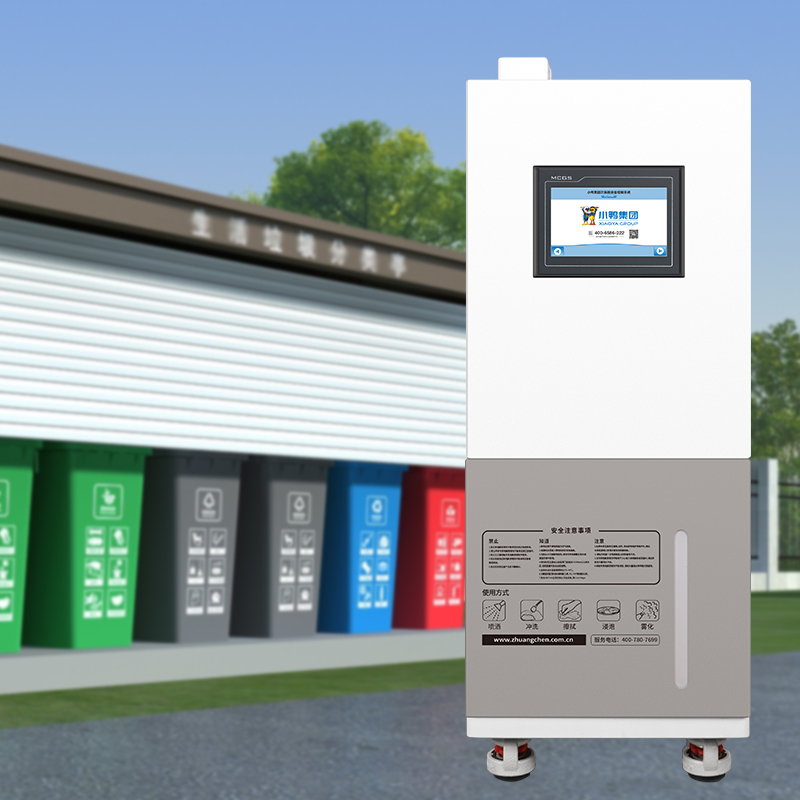
How much does an HOCL machine really cost to run?
The short answer is that operating cost is usually modest, but it depends on output, dosage targets, and daily usage hours.
For sanitation planning, the bigger question is not only utility cost. It is cost per usable liter, cost per treated area, and cost per compliance outcome.
In a commercial facility, an HOCL machine turns water, salt, and electricity into a ready-to-use disinfecting solution. That removes repeated purchases, storage concerns, and mixing errors common with outsourced chemicals.
For operations linked to appliances, health care disinfection, clean energy, and small equipment manufacturing, that shift can improve budget predictability across departments.
A sound review usually starts with five cost lines: power, water, salt or electrolyte, wear parts, and labor tied to operation and cleaning.
Which operating cost items matter most in daily use?
Electricity is visible, but often not the largest driver. Many buyers overestimate power and underestimate concentration control, maintenance intervals, and wasted solution.
A practical cost review should include these items:
- Rated power and daily runtime
- Source water quality and pretreatment needs
- Salt or electrolyte consumption per batch
- Electrolyzer life and replacement timing
- Cleaning, flushing, and calibration effort
- Output stability at the required ppm range
For example, a unit rated at 420 W does not create a large utility burden by itself. The financial result depends more on how much compliant HOCL machine output is produced without rework.
If concentration drifts, operators may overuse solution. That raises cost quietly, even when the energy bill looks low.
Is an HOCL machine cheaper than buying traditional disinfectants?
Often yes, but only when the comparison is done correctly. Purchase price per drum is not the right benchmark.
A better comparison includes delivered chemical cost, storage space, staff handling time, dilution errors, expired inventory, and residue-related cleaning.
In many facilities, an HOCL machine lowers total sanitation expense because the generated solution is made on site and used close to demand.
That said, low cost only holds when the machine fits the process. Oversized output can increase idle solution loss. Undersized output can force overtime cycles or backup chemical purchases.
What specifications help predict running cost before approval?
This is where specification sheets become useful. Not every technical number matters equally for cost planning.
The most useful indicators are production capacity, concentration range, rated power, and major component life.
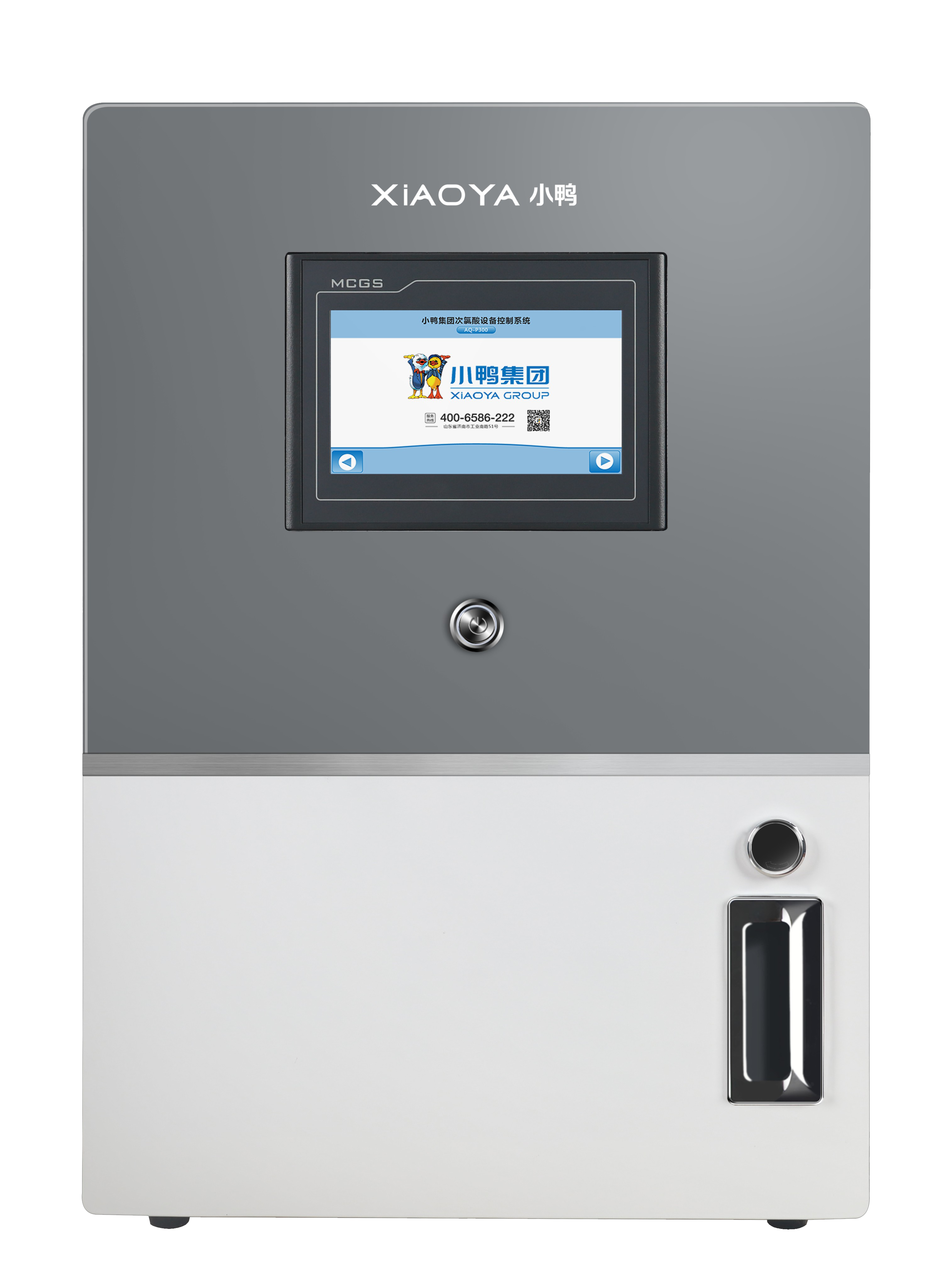
Take Hypochlorous Acid Generator for Meat Product Disinfection and Fresh-keeping as an example. The AQ-P300-W offers 160-300 L/h output, 10-120 ppm adjustable available chlorine, and 420 W rated power.
That combination matters because cost control improves when output matches process flow and concentration can be tuned by scenario.
For slaughtering lines, meat processing, or cold chain distribution, overconcentration wastes input materials. Underconcentration risks repeat treatment or failed sanitation checks.
A main component service life of 5000 hours or more also changes the budget picture. It spreads capital wear across a longer operating window.
Where do commercial facilities misjudge HOCL machine economics?
The most common mistake is focusing only on purchase price. Running cost is shaped by process fit more than by invoice price alone.
Another weak assumption is that every HOCL machine performs equally across all use cases. In practice, water quality, duty cycle, and application method change the economics.
- Spraying lines need stable concentration and steady flow.
- Soaking or rinsing steps need volume planning and refresh timing.
- Atomization may require tighter control for coverage and solution decay.
Facilities also miss the value of certification alignment. When a system references standards such as CE, US FDA, USDA, or WHO-related expectations, approval work may move faster.
That is not a direct utility saving, but it can reduce validation friction and internal review cycles.
How should you estimate ROI without overcomplicating the model?
A simple model is usually enough for first-pass approval. Build it around annual operating cost and annual avoided cost.
On the cost side, include electricity, water, salt, maintenance parts, testing supplies, and planned component replacement.
On the savings side, include reduced disinfectant purchases, fewer handling steps, lower storage burden, less packaging waste, and fewer sanitation disruptions.
For food-contact and hygiene-sensitive environments, there may also be quality protection value. Slightly acidic HOCL systems can support disinfection while limiting residue concerns.
That is one reason equipment such as the Hypochlorous Acid Generator for Meat Product Disinfection and Fresh-keeping is evaluated not just for sterilization, but also for fresh-keeping support.
The better decision framework is straightforward: compare annualized running cost against the full cost of the current sanitation method, then test the assumptions on a real shift pattern.
What is the smart next step before choosing an HOCL machine?
Start with process mapping, not brochure comparison. List where solution is used, how many liters are needed, what ppm range is required, and how often sanitation peaks occur.
Then check whether the HOCL machine can maintain that output with realistic water pressure, maintenance intervals, and operator routines.
A useful approval file usually includes:
- Target cost per liter of usable solution
- Expected annual consumables and replacement parts
- Required compliance or certification references
- Best-case and peak-load output assumptions
- A fallback plan for maintenance downtime
When those items are clear, the operating cost of an HOCL machine becomes easier to judge. The decision moves from guesswork to a measurable sanitation investment.
NEWS
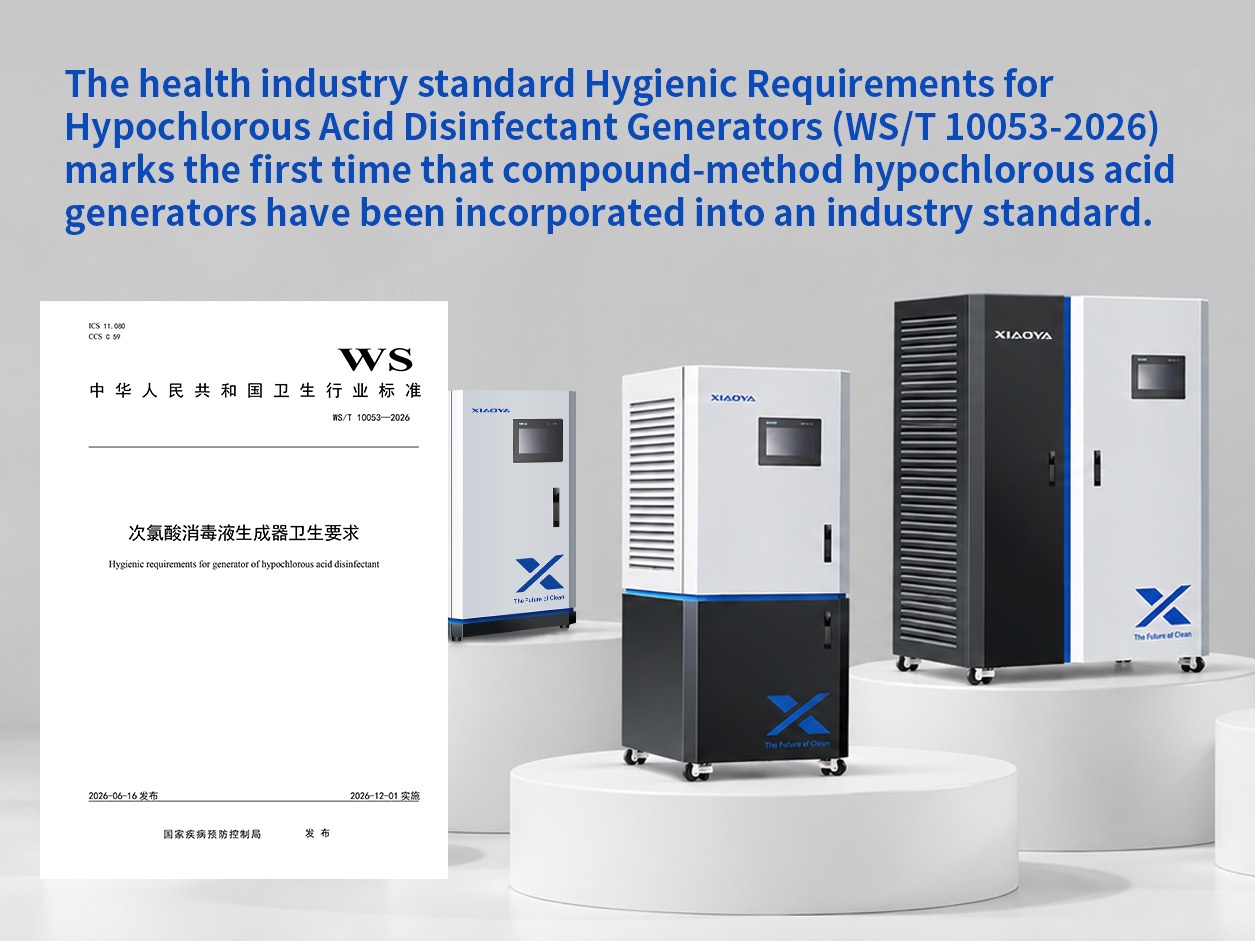
 WS/T 10053-2026 Includes the Compound Method for the First Time: Standard Signals and Market Opportunities for Mass Agricultural Production of Hypochlorous Acid Generators
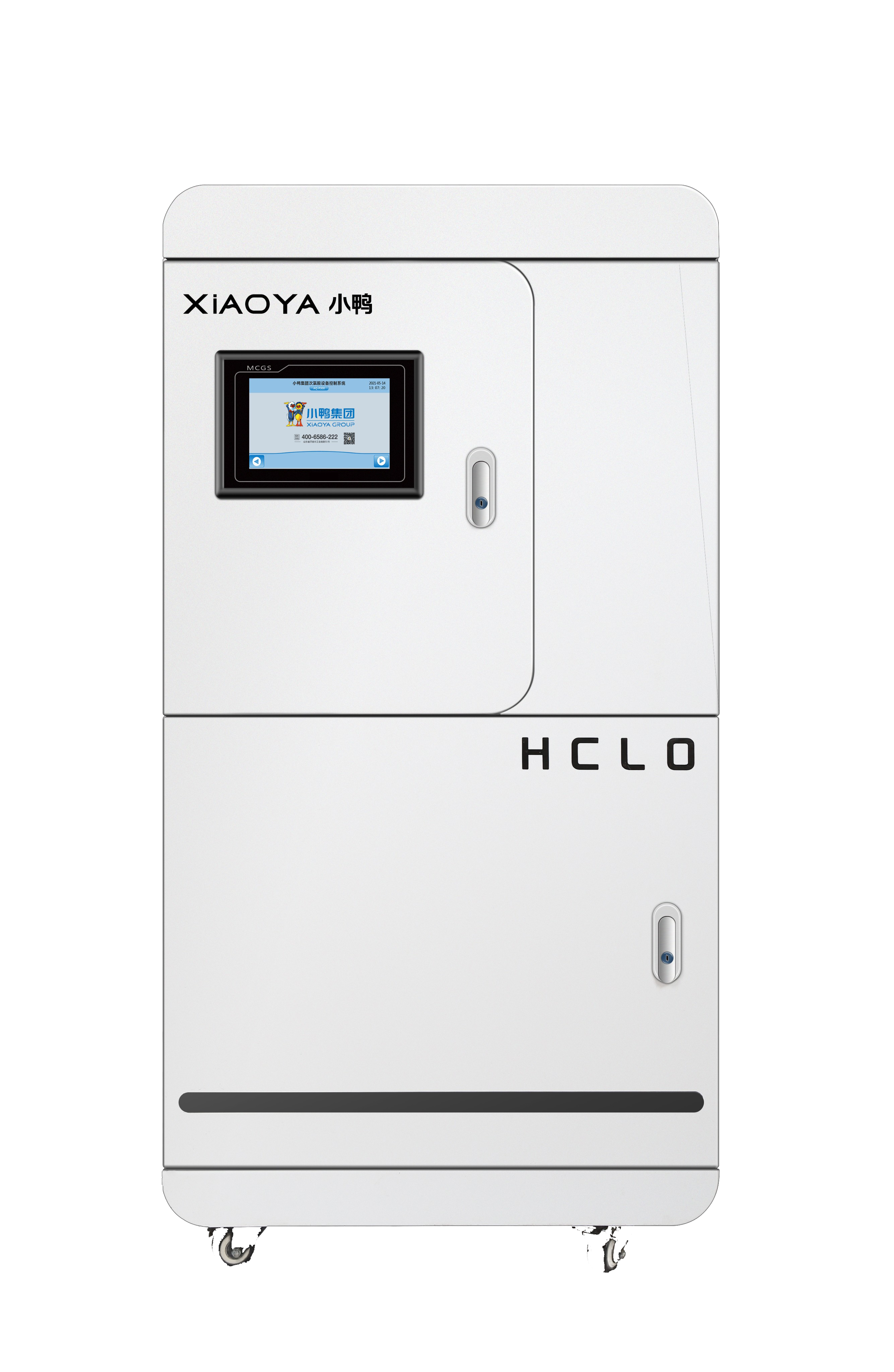
 Evaluating HClO Generator Lifecycle Costs Beyond the Initial Equipment Price
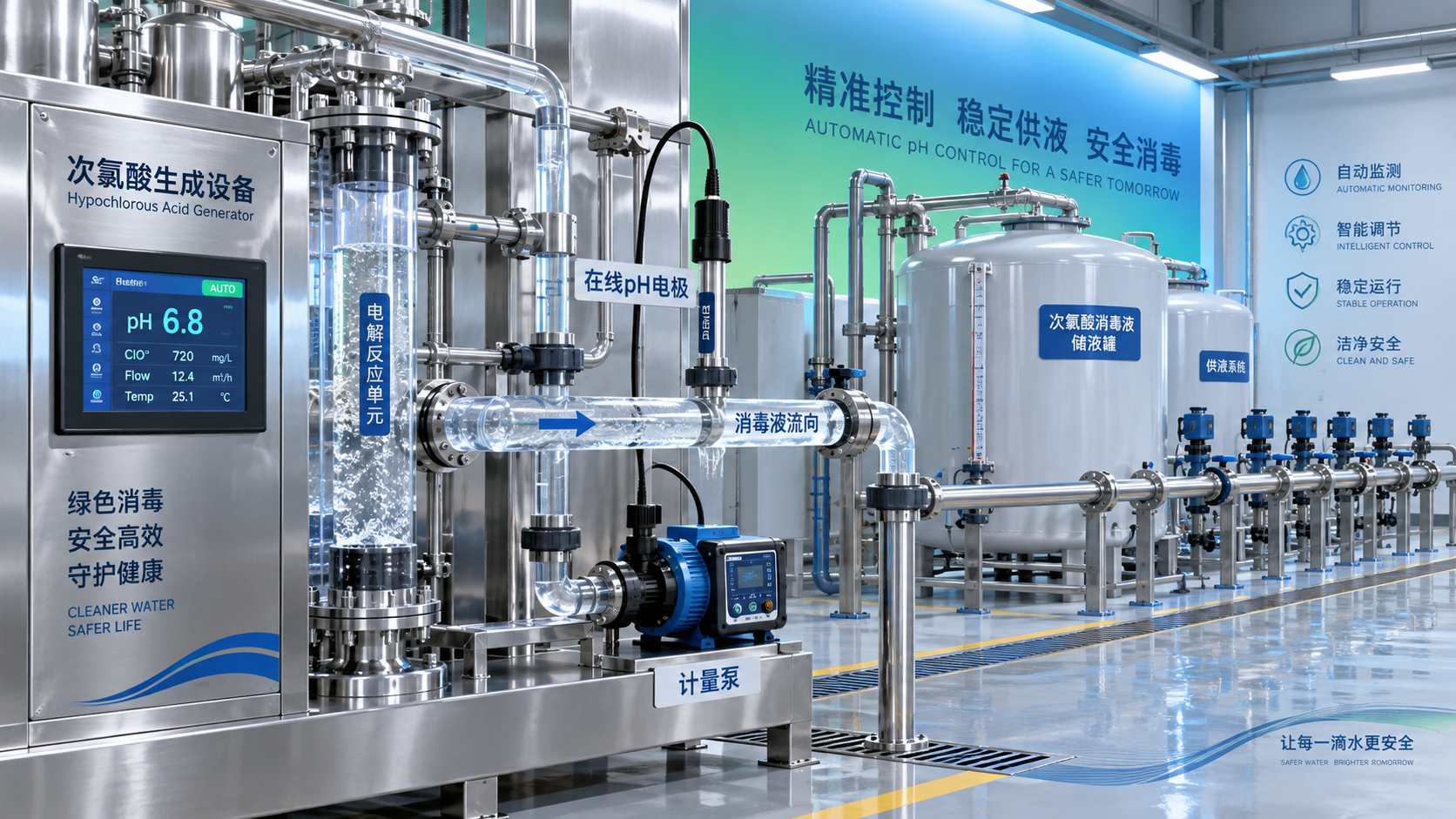
 HClO Generator pH Control: Why It Determines Disinfection Performance
- Which Safety Features Matter Most When Buying an HClO Generator?
 Troubleshooting Low ORP Readings on a Hypochlorous Acid Machine
Leave us a message

Xiaoya Group was founded in 1979,expert in the electrolyzed water industry.
Get in Touch
*We respect your confidentiality and all information are protected.