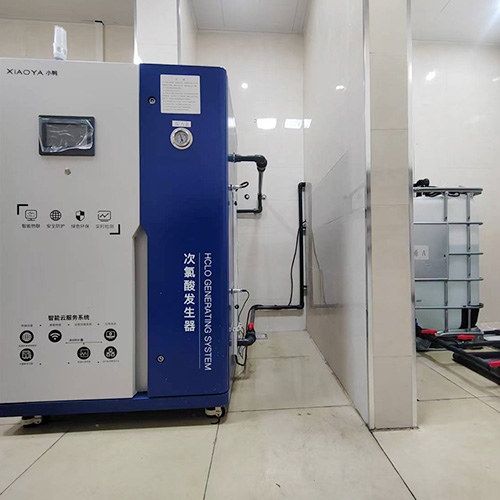
Commercial Hypochlorous Acid Generator Capacity: How Many Liters Per Hour Do You Need?
Choosing the right hypochlorous acid generator commercial capacity is a critical decision for procurement teams balancing disinfection demand, operating cost, and production efficiency.
Whether the application involves healthcare, appliance manufacturing, or sanitation systems, the required output should match real usage.
That sounds simple, but many projects still oversize or undersize the system.
An oversized unit raises upfront cost and may waste power, water, and electrolyte.
An undersized unit creates supply gaps, unstable workflows, and hygiene risks during peak hours.
The better approach is to calculate demand from operating conditions, then compare equipment capacity with production rhythm.
Start With Actual Consumption, Not Nameplate Assumptions
When selecting a hypochlorous acid generator commercial model, liters per hour should reflect actual consumption points.
In real operations, demand comes from more than one nozzle, line, or cleaning station.
A practical estimate usually includes:
- number of application points running at the same time
- required chlorine concentration for each process
- average spray, soak, rinse, or fogging volume
- daily operating hours and peak production windows
- buffer capacity for sanitation surges or shift changes
For example, a facility may consume little during normal hours, then spike sharply during end-of-line sanitation.
This is why a capacity decision should focus on peak hourly demand, not daily averages alone.
What Capacity Range Fits Commercial Use?
Commercial capacity needs vary widely by industry, process density, and hygiene standard.
Small decentralized applications may only need tens of liters per hour.
Larger continuous operations often require a higher-output hypochlorous acid generator commercial system.
As a rule of thumb:
- 30-100 L/h: light-duty sanitation, smaller workshops, or limited application points
- 100-300 L/h: medium commercial demand with recurring disinfection cycles
- 300 L/h and above: larger plants with continuous processing and multiple simultaneous tasks
This range should still be checked against concentration requirements.
Higher ppm settings can affect effective output, so capacity and concentration must be reviewed together.
Key Factors That Change Liters Per Hour Requirements
1. Application Method
Spraying, soaking, rinsing, and atomization consume liquid differently.
A spray line with broad coverage may use more volume than a controlled soaking tank.
That changes the ideal hypochlorous acid generator commercial capacity immediately.
2. Required Concentration
Not every process needs the same available chlorine concentration.
Food contact surfaces, fresh-keeping stages, and equipment sanitation may require different ppm levels.
A flexible system helps match output to each task instead of overproducing stronger solution.
3. Shift Pattern and Peak Load
Single-shift operations usually need less reserve than two-shift or three-shift plants.
If several lines sanitize at the same time, output shortfalls appear quickly.
4. Expansion Plans
From recent market changes, more sites are adding hygiene automation and stricter process controls.
That means capacity planning should leave room for moderate growth without jumping too far beyond current demand.
A Useful Mid-Range Example for Processing Environments
For meat processing and cold chain environments, a mid-range commercial unit often makes practical sense.
One example is Hypochlorous Acid Generator for Meat Product Disinfection and Fresh-keeping.
Its production capacity is 160-300 L/h, which fits many medium-demand commercial scenarios.
It supports poultry and livestock slaughtering, deep meat processing, and cold chain storage distribution.
The available chlorine concentration is adjustable from 10-120 ppm.
Its pH range of 5.0-6.5 supports slightly acidic to neutral hypochlorous acid water generation.
That matters where both sterilization efficiency and product quality protection are important.
For sites comparing a hypochlorous acid generator commercial shortlist, this kind of balanced output is often easier to deploy than a very large centralized system.
How to Evaluate Capacity Without Guesswork
A structured evaluation usually produces better procurement decisions than relying on supplier recommendations alone.
- List every disinfection point and record hourly liquid consumption.
- Separate normal demand from peak sanitation demand.
- Confirm target concentration for each application stage.
- Add a practical reserve, usually 10% to 20%.
- Check power, water pressure, maintenance life, and installation footprint.
This process makes the final hypochlorous acid generator commercial comparison much clearer.
It also helps identify when modular deployment is better than one oversized machine.
In facilities with distributed usage, several right-sized units may improve resilience and maintenance scheduling.
Common Selection Risks
- Choosing based only on price, without checking hourly output at target ppm
- Ignoring future line additions or seasonal production spikes
- Overlooking water pressure, power supply, or component service life
- Buying excessive capacity that never runs near its efficient range
A more reliable decision looks at total operating value, not just equipment cost.
That includes solution stability, labor efficiency, hygiene performance, and long-term consumable cost.
Final Decision: Match Capacity to Process Rhythm
The right hypochlorous acid generator commercial capacity is the one that supports daily production without waste or shortage.
For most commercial buyers, the key question is not the biggest output available.
It is whether the system can maintain the required concentration, at the required volume, during the busiest hour.
Once that number is clear, model selection becomes more objective and easier to defend internally.
Review actual consumption, build in a realistic buffer, and compare capacity against process rhythm before placing the order.
NEWS
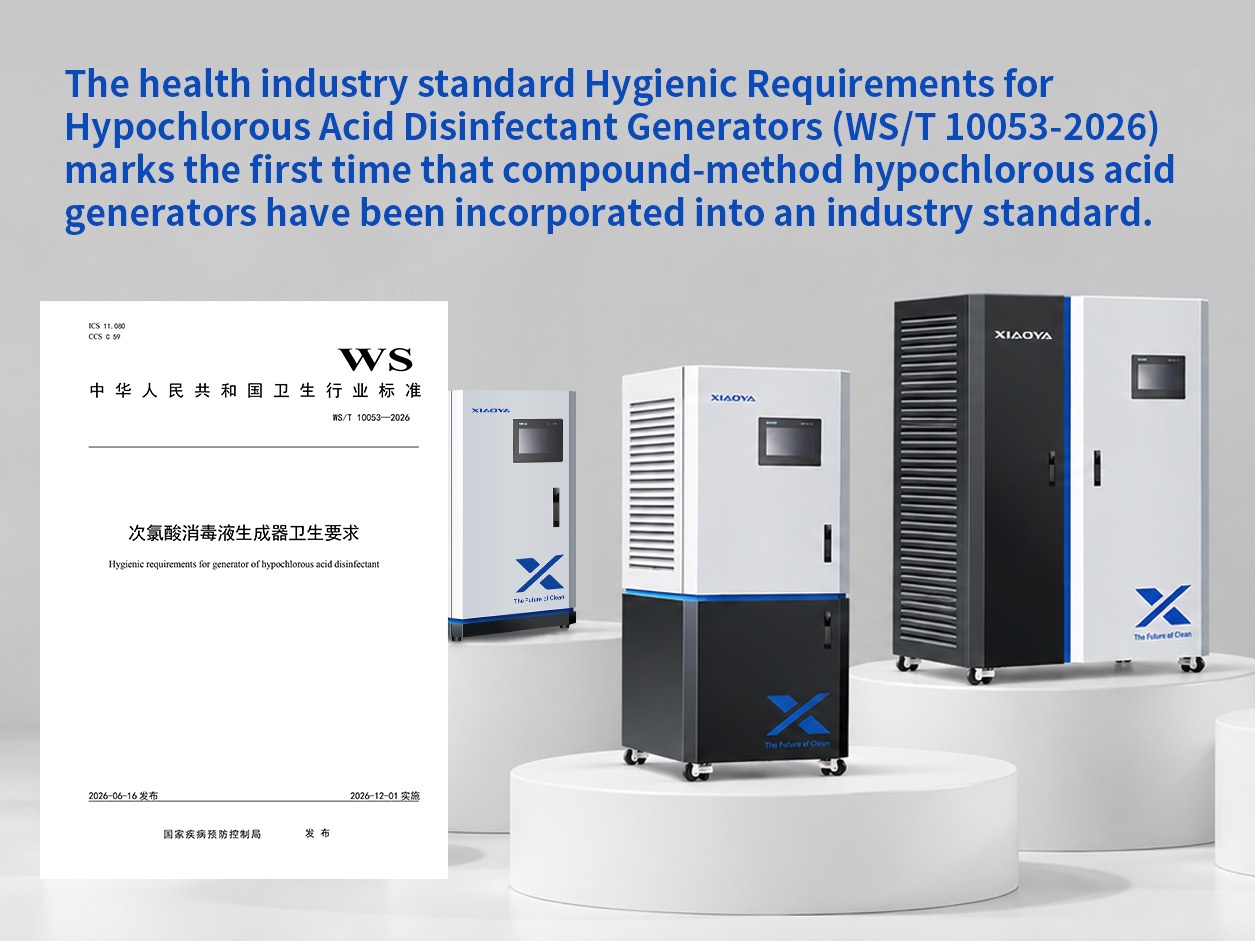
 WS/T 10053-2026 Includes the Compound Method for the First Time: Standard Signals and Market Opportunities for Mass Agricultural Production of Hypochlorous Acid Generators
 Evaluating HClO Generator Lifecycle Costs Beyond the Initial Equipment Price
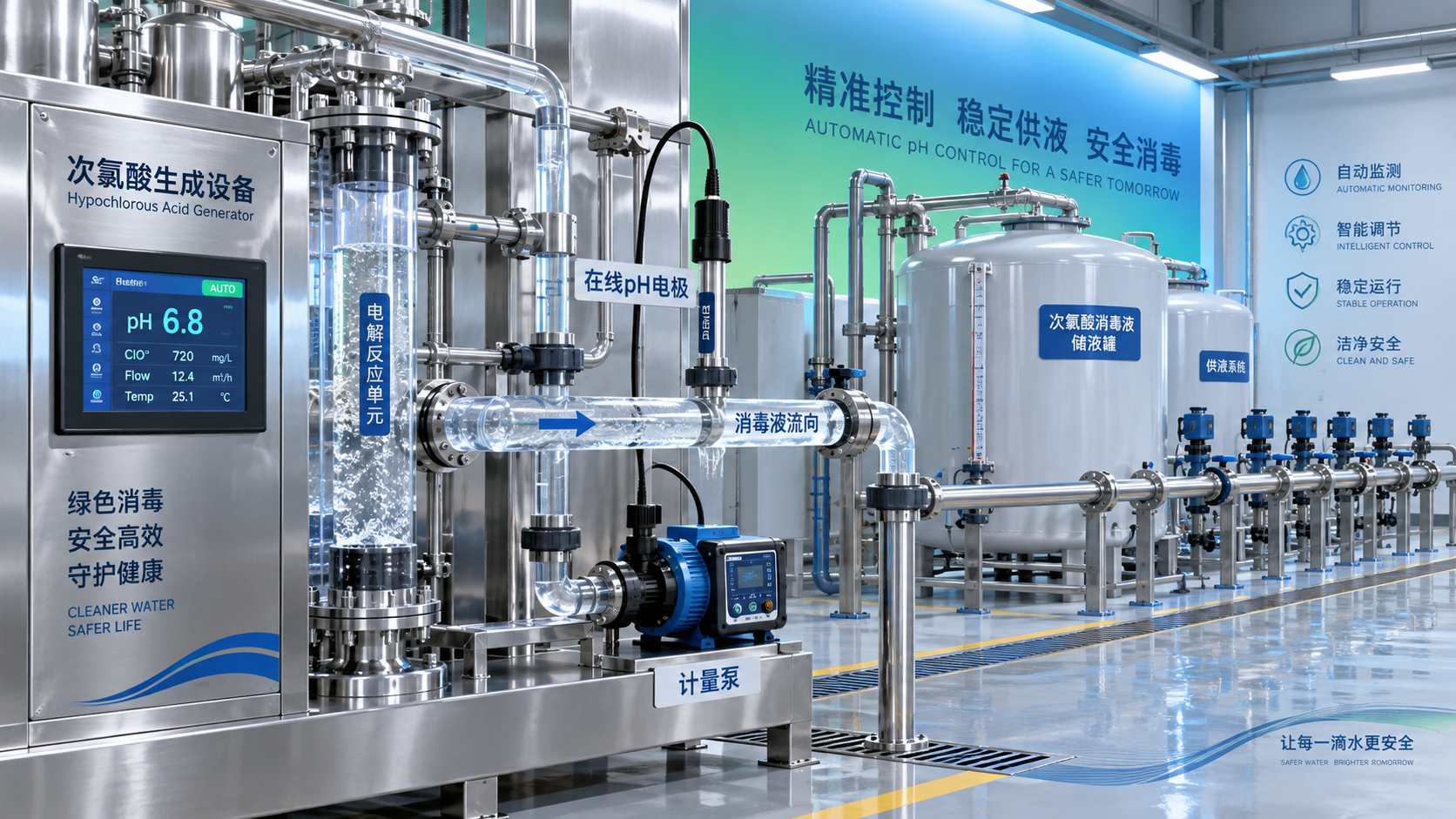
 HClO Generator pH Control: Why It Determines Disinfection Performance
- Which Safety Features Matter Most When Buying an HClO Generator?
 Troubleshooting Low ORP Readings on a Hypochlorous Acid Machine
Leave us a message

Xiaoya Group was founded in 1979,expert in the electrolyzed water industry.
Get in Touch
*We respect your confidentiality and all information are protected.