news
HOCL Machine Selection Guide: 7 Specs That Matter for Commercial Use
Choosing the right HOCL machine for commercial use requires more than comparing price tags.
Performance depends on stable output, controllable concentration, material safety, automation, and service demands.
In real operations, those details shape disinfection quality, operating cost, and long-term reliability.
This guide breaks down seven HOCL machine specifications that matter when comparing options for manufacturing and commercial disinfection.
1. Output Capacity Must Match Real Demand
Start with hourly output, not brochure claims about versatility.
A HOCL machine that is too small creates supply gaps during peak cleaning cycles.
An oversized unit raises capital cost and may reduce efficiency at partial load.
Calculate demand by spray volume, shift length, refill frequency, and simultaneous use points.
For example, systems such as Hypochlorous Acid Full-Scenario Disinfection System for Horse Farms offer 180-300 L/h, which fits medium to intensive site routines.
2. Concentration Control Decides Application Flexibility
Available chlorine concentration is one of the most important HOCL machine selection factors.
Different tasks need different ppm ranges.
Light-touch surface sanitation may need lower concentration.
High-risk zones, odor control, and biosecurity protocols often require stronger settings.
Look for adjustable concentration ranges and tight tolerance, not just a single maximum number.
A stable concentration of 10-120 ppm with control accuracy around plus or minus 10 ppm supports broader operational use.
3. pH Stability Affects HOCL Effectiveness
Not all chlorine-based disinfectant generators deliver the same active chemistry.
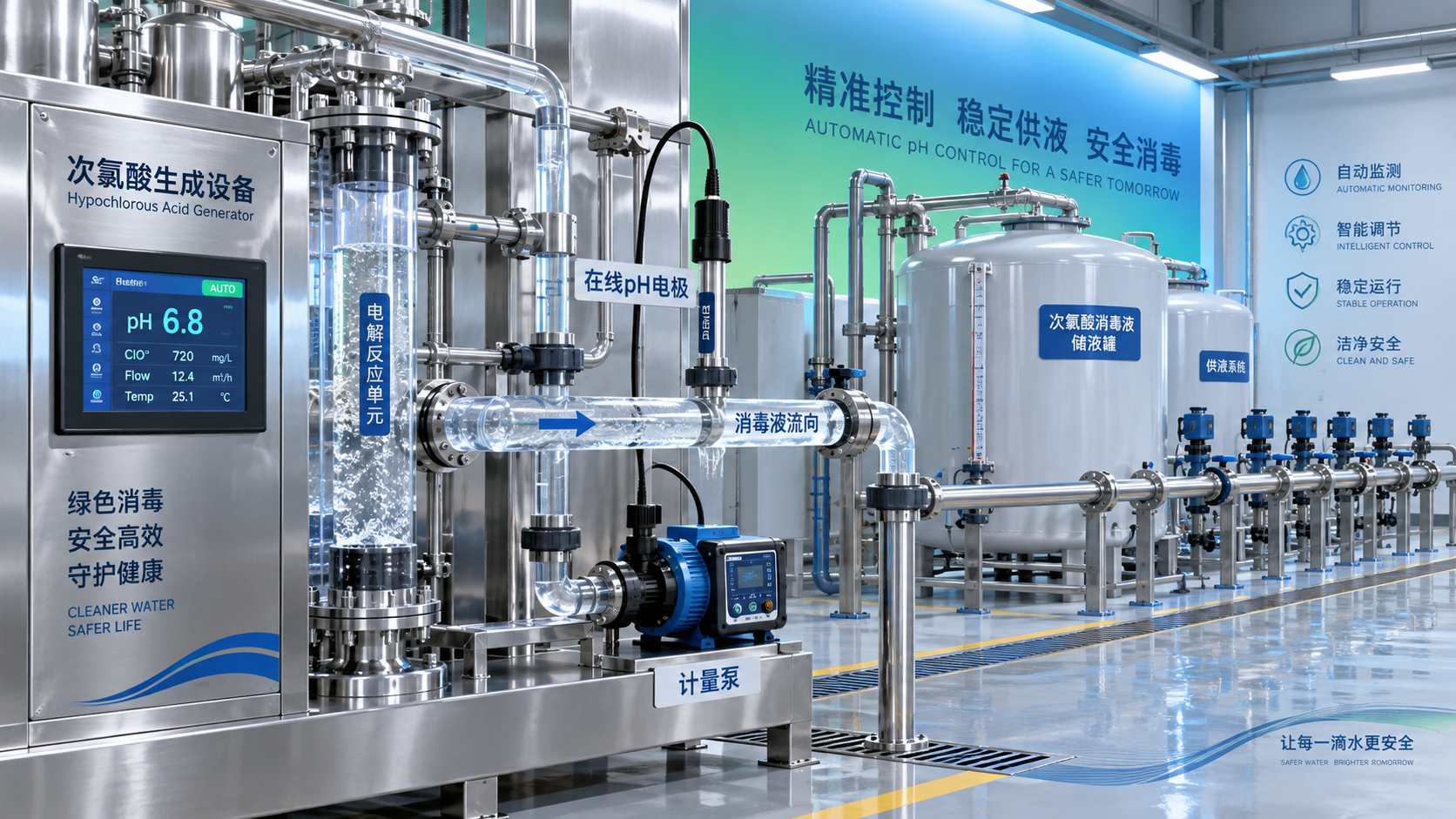
For an HOCL machine, pH control directly affects how much hypochlorous acid remains active.
A working range around pH 5.0 to 6.5 is generally more practical for effective disinfection.
If pH drifts too far, performance becomes less predictable.
Ask suppliers for testing data under continuous operation, not only fresh-start laboratory results.
4. Material Compatibility Reduces Hidden Risk
Commercial use means repeated contact with pipes, nozzles, tanks, seals, and surrounding equipment.
That is why material compatibility matters as much as disinfection power.
A well-designed HOCL machine should minimize corrosion, residue, and operator irritation.
This becomes more important in facilities handling appliances, hygiene systems, or precision production tools.
When vendors claim non-corrosive performance, request compatibility evidence for your actual contact materials and cleaning workflow.
5. Automation and Data Functions Improve Control
A modern HOCL machine should support more than manual switching and basic indicators.
Automation improves repeatability, especially across shifts and multiple operating zones.
Useful features include PLC control, touchscreen operation, alarm logic, and exportable production data.
These functions support audit trails, preventive maintenance, and standard operating procedures.
In regulated or quality-driven settings, that traceability can be a decision-maker, not a bonus feature.
6. Service Life and Maintenance Shape Total Cost
Purchase price only tells part of the story.
The better comparison is lifecycle cost per liter of usable disinfectant.
Check electrolyzer life, spare part intervals, tank cleaning frequency, and local service availability.
A main component life of 5000 hours or more can materially improve cost predictability.
Also ask how concentration stability changes as components age.
That question often reveals the difference between short-term output and long-term reliability.
7. Certification and Scenario Fit Support Smarter Decisions
The final checkpoint is whether the HOCL machine fits your use case beyond raw specifications.
Certifications help, but application alignment matters just as much.
Look for evidence in comparable environments, whether that means appliance production, sanitation systems, or animal facilities.
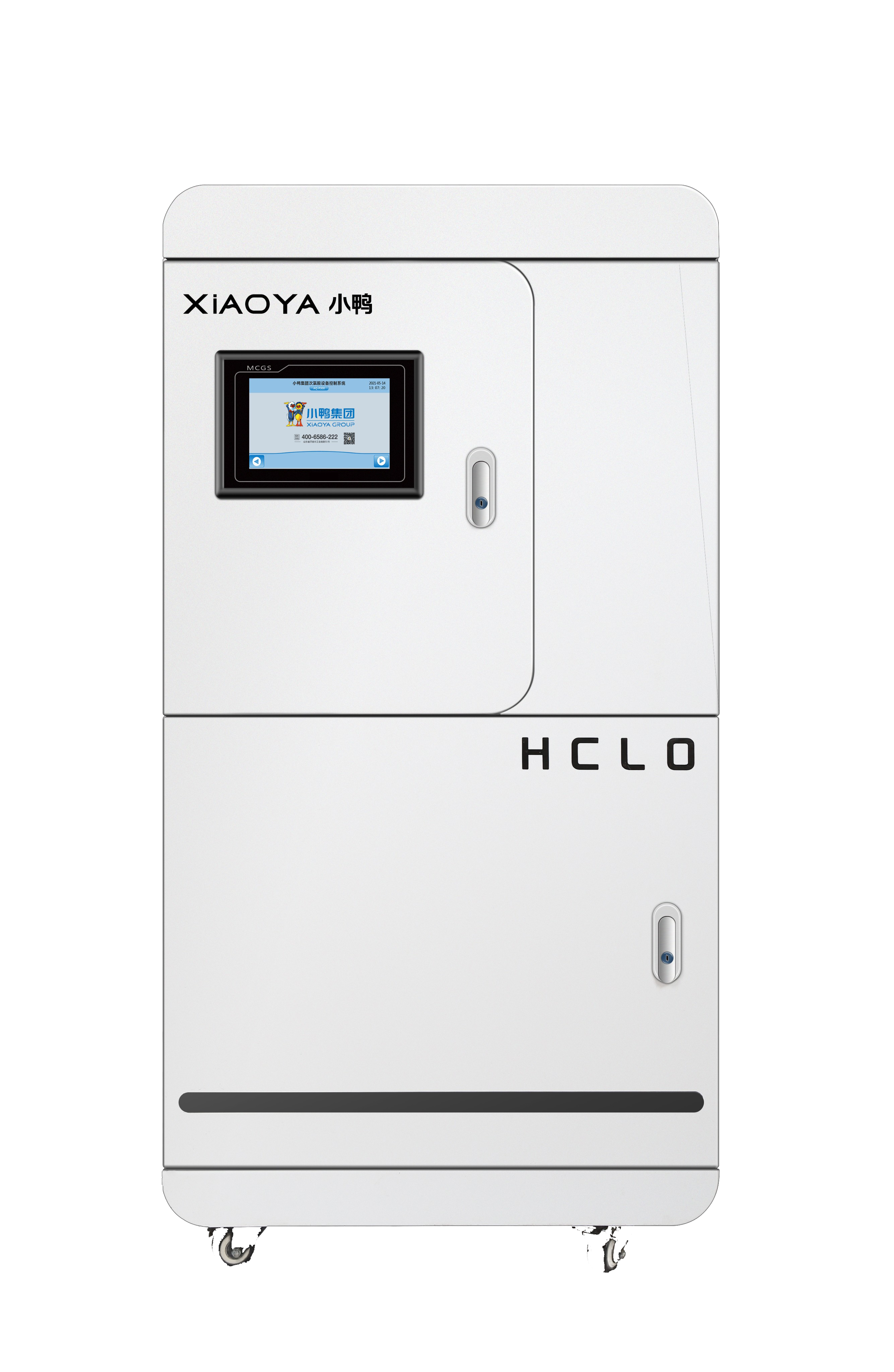
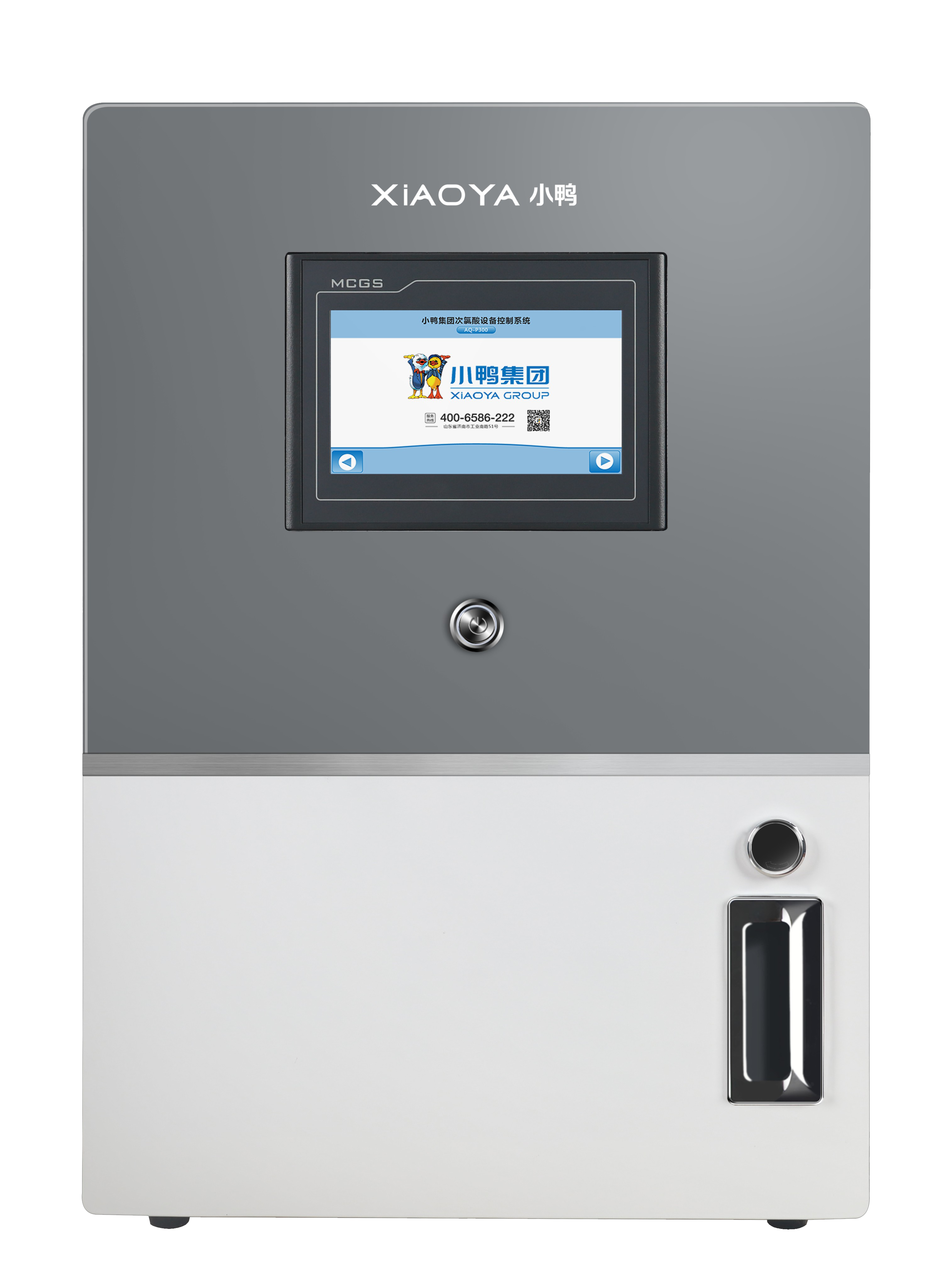
One useful example is the AQ-P300 model, designed for demanding, multi-point disinfection scenarios.
Its documented strengths include broad-spectrum sterilization, deodorization, customizable concentration, and recognized compliance references such as CE, FDA, EPA, and USDA.
That combination is often more valuable than a machine that looks strong on one isolated metric.
A Practical Shortlist for HOCL Machine Evaluation
- Match hourly output to real peak consumption.
- Verify adjustable concentration and tolerance stability.
- Confirm effective pH control during continuous operation.
- Review corrosion risk and material compatibility.
- Check automation, alarms, and data export capability.
- Estimate lifecycle cost, not just purchase cost.
- Validate certifications and scenario-level performance.
A strong HOCL machine selection process is really about reducing uncertainty.
When output, chemistry, control, and serviceability line up, equipment decisions become easier to defend.
For enterprises focused on appliances, health care and disinfection devices, clean energy, and small household products, that discipline matters even more.
Use these seven specifications to compare each HOCL machine on practical performance, then move forward with the option that best fits your operational reality.
NEWS
 WS/T 10053-2026 Includes the Compound Method for the First Time: Standard Signals and Market Opportunities for Mass Agricultural Production of Hypochlorous Acid Generators
 Evaluating HClO Generator Lifecycle Costs Beyond the Initial Equipment Price
 HClO Generator pH Control: Why It Determines Disinfection Performance
- Which Safety Features Matter Most When Buying an HClO Generator?
 Troubleshooting Low ORP Readings on a Hypochlorous Acid Machine
Leave us a message

Xiaoya Group was founded in 1979,expert in the electrolyzed water industry.
Get in Touch
*We respect your confidentiality and all information are protected.