news
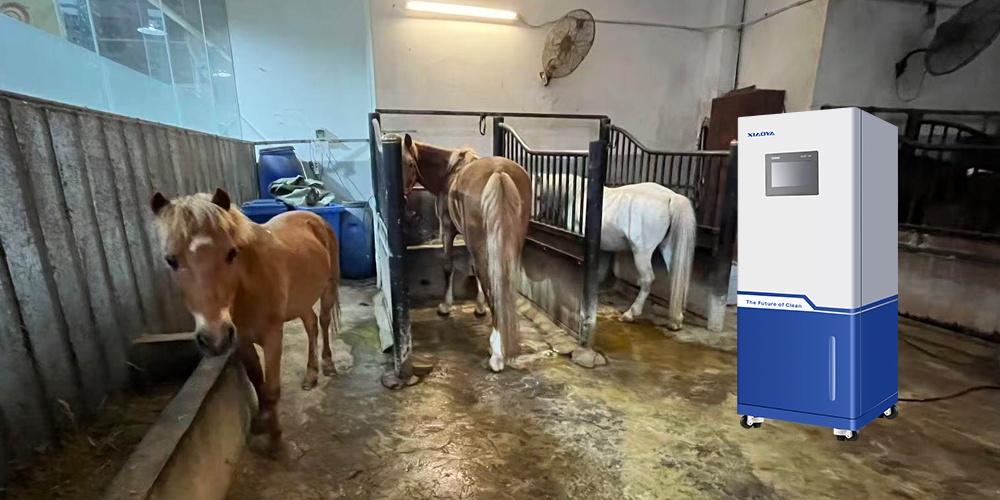
Check the point where manual spraying starts breaking your routine
Procurement teams usually do not switch because manual spraying looks outdated. They switch when it stops being dependable. In horse facilities, that point often arrives quietly: one barn gets missed on a busy day, dilution varies by shift, or staff spend too much time moving tanks, hoses, and chemicals instead of handling animals and stable turnover.
If you are evaluating a Hypochlorous Acid Full-Scenario Disinfection System for Horse Farms, the real question is not whether automation sounds better on paper. It is whether your current method still gives you repeatable coverage, manageable labor, and a disinfection process that can hold up under daily pressure.
Signs that it is time to upgrade
These are the checkpoints worth reviewing before you ask for quotations.
- Your results depend too much on who is on shift. If one team sprays thoroughly and another only covers visible traffic areas, you do not have a stable process. You have individual habits. That is usually the first warning sign.
- Disinfection is being skipped during peak workload. Muck-out, feeding, grooming, transport prep, visitor movement, and stall turnover all compete for time. When manual spraying becomes the task that gets postponed, the system is already too fragile.
- Chemical handling is creating avoidable risk. If staff are still mixing, carrying, or storing disinfectants in ways that require constant supervision, buyers should look hard at a more controlled setup. Fewer handling steps usually mean fewer mistakes.
- You need broader coverage than a handheld routine can deliver. Barn aisles, stalls, wash bays, isolation areas, equipment touchpoints, trailers, and water-related zones do not all behave the same way. Once the site grows beyond a few easy-to-reach areas, manual methods become patchy.
- You cannot easily prove what was done. Procurement is often pulled in after a problem, not before. If there is no clear operating record, no standard procedure, and no way to compare one shift to another, your farm is running on assumption.
Map the farm before you compare systems
A common buying mistake is asking suppliers for a “horse farm solution” before defining the actual disinfection map. Start with zones, because the answer for a breeding barn is not always the answer for a quarantine lane or a shared equipment room.
List the areas that need routine coverage:
- horse housing and stall turnover areas
- entrances, walkways, and vehicle access points
- tack, tools, buckets, grooming equipment, and shared surfaces
- isolation or high-risk animal handling zones
- water-related applications if they are part of your sanitation workflow
This is where a full-scenario approach matters. You are not just replacing spray bottles. You are deciding whether one disinfection method can support multiple daily scenarios without forcing staff to invent workarounds.
Focus on process control, not just on the disinfectant itself
Buyers often spend too much time comparing product names and too little time checking how the process will actually run. For equine facilities, the stronger question is this: can the system help standardize preparation, application, and routine use across shifts?
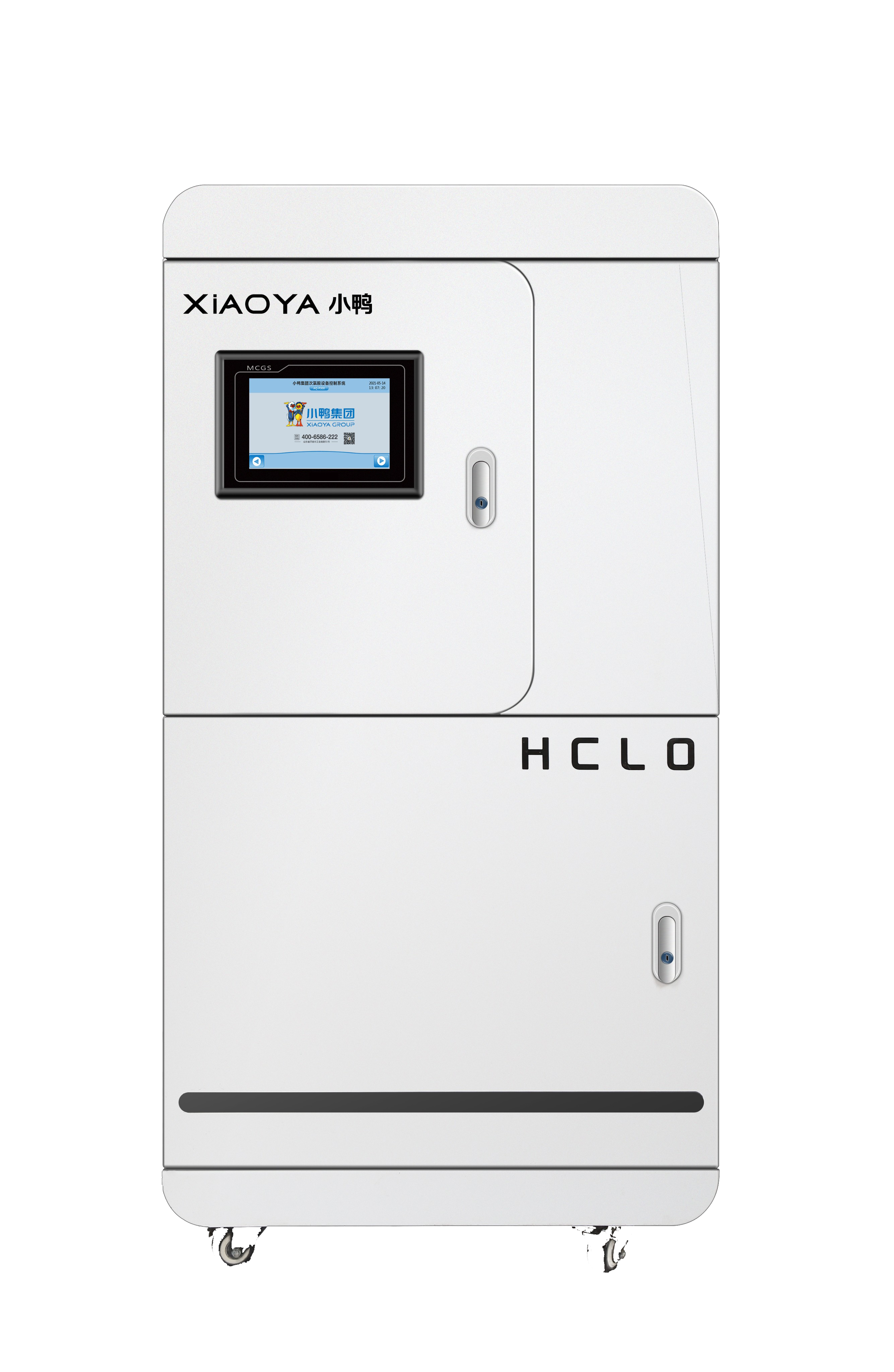
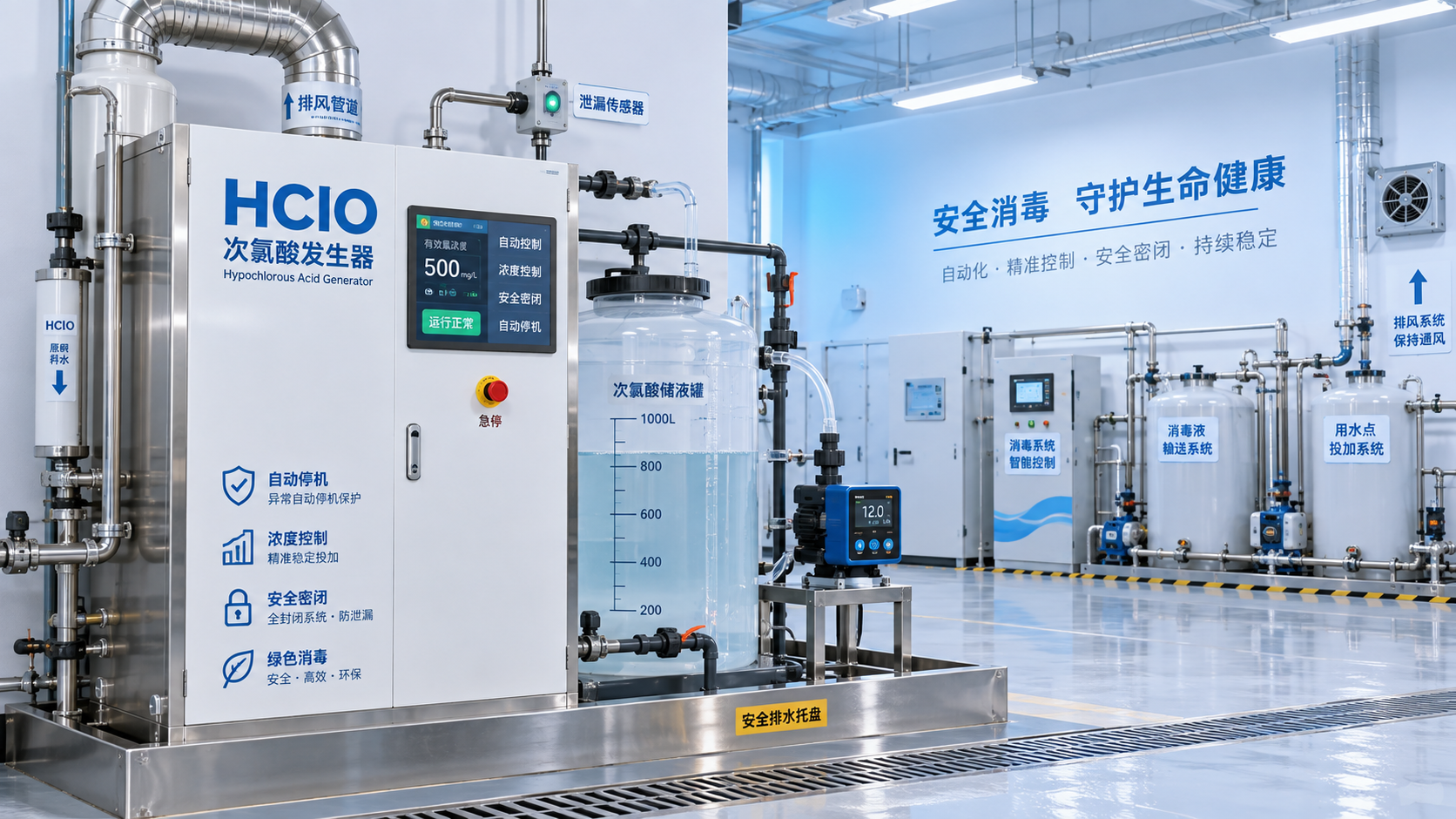
Hypochlorous acid systems are usually considered when teams want a more consistent daily sanitation method with less dependence on manual mixing and repeated chemical contact. If the farm is reviewing on-site generation, a product such as Pure Hypochlorous Acid (HClO) Electrolyzer fits the conversation because it is used to produce hypochlorous acid solution for disinfection and water treatment. That matters only if it matches your operating model. If your issue is distribution and coverage rather than solution supply, generation alone will not solve the bottleneck.
What procurement should verify before moving forward
Common buying mistakes that show up later
Three errors come up again and again.
Buying for headline efficiency without checking workflow fit. A system may look cost-effective on paper yet still slow the team down if refill points, hose routing, or area access are awkward.
Ignoring the difference between occasional deep cleaning and daily sanitation. Those are not the same job. Procurement should ask what the farm needs every day, every turnover, and only during elevated risk periods.
Treating all horse facilities as operationally identical. Boarding barns, breeding sites, rehab facilities, and transport-heavy operations have different traffic patterns. The right system depends on how animals, people, and equipment actually move.
A practical way to make the decision
Before issuing purchase approval, run a simple internal review. Walk the site with operations, not just with administration. Count where manual spraying loses consistency. Note where staff spend time handling disinfectant rather than applying it. Identify areas where one sanitation method could support several uses. If on-site solution generation is part of the plan, review whether equipment such as the Pure Hypochlorous Acid (HClO) Electrolyzer fits your disinfection and water treatment workflow rather than treating it as a standalone purchase.
The upgrade point is usually clear once you look at labor stability, coverage consistency, and handling risk together. If manual spraying only works when staffing is ideal and the day runs exactly as planned, it is already too limited for a growing or tightly managed equine operation.
Start with the highest-traffic zones, check where standardization matters most, and buy for repeatable daily use. That is how a Horse Farm HOCl System becomes a practical procurement decision instead of another piece of equipment that looked good in a meeting.
NEWS
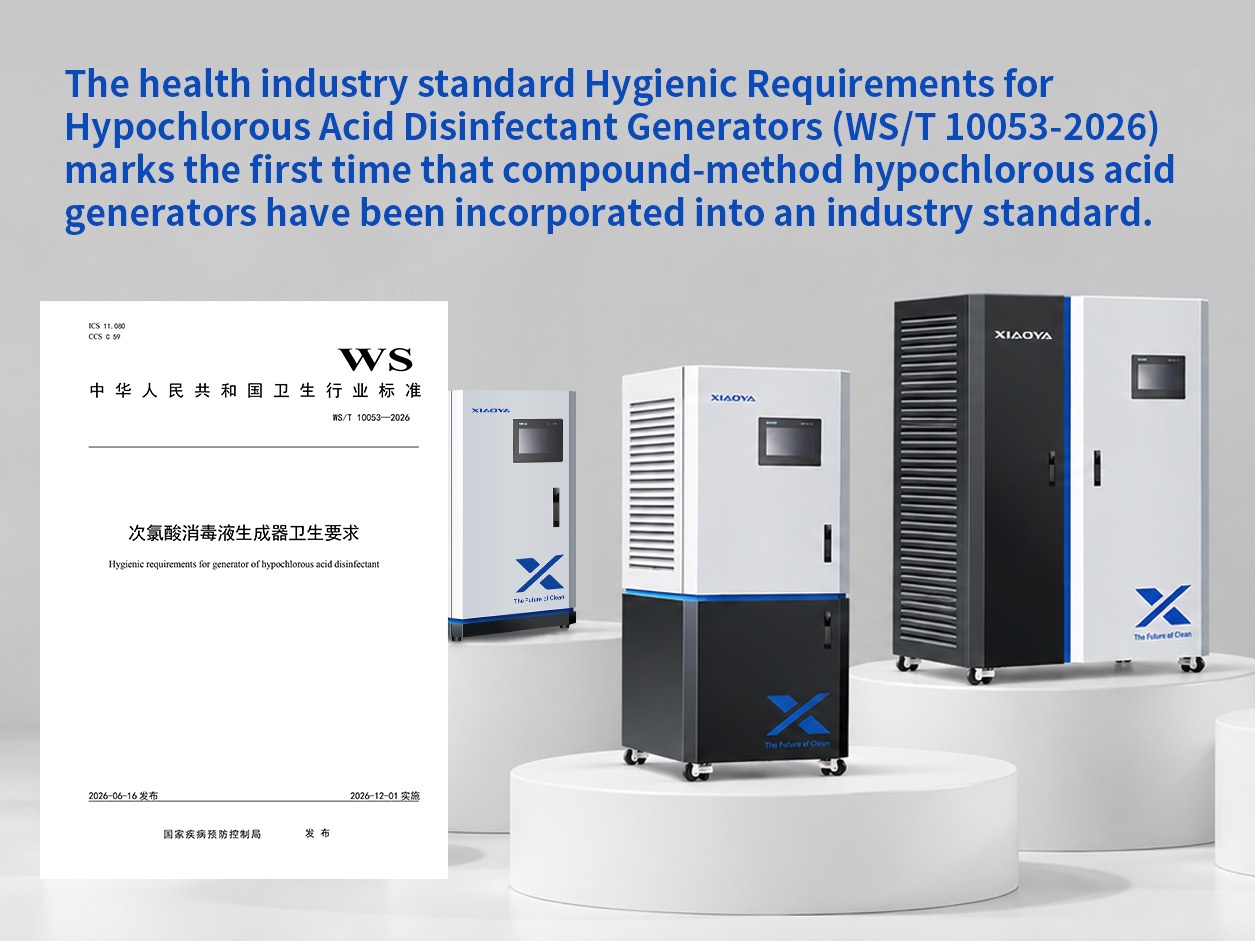
 WS/T 10053-2026 Includes the Compound Method for the First Time: Standard Signals and Market Opportunities for Mass Agricultural Production of Hypochlorous Acid Generators
 Evaluating HClO Generator Lifecycle Costs Beyond the Initial Equipment Price
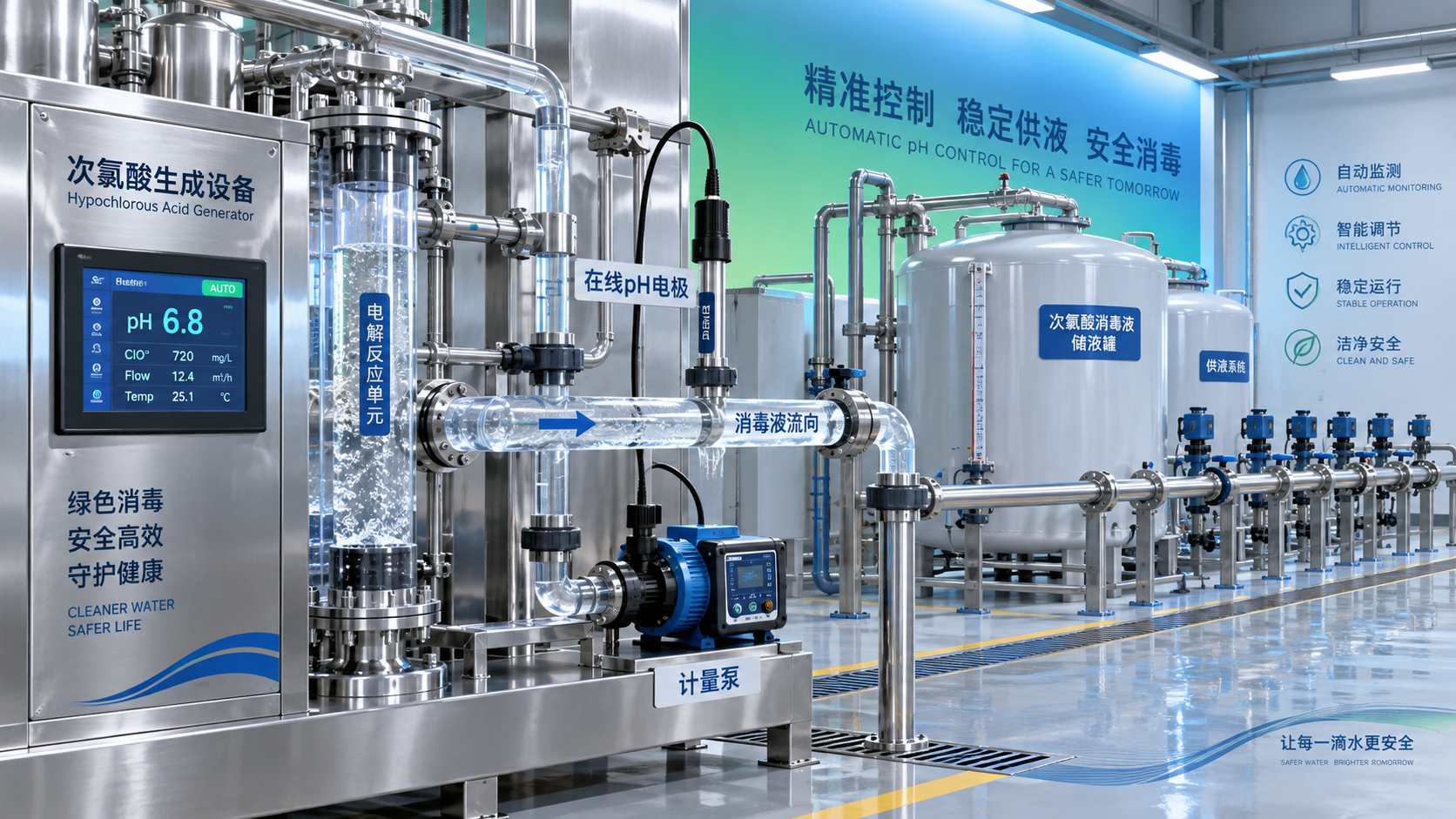
 HClO Generator pH Control: Why It Determines Disinfection Performance
- Which Safety Features Matter Most When Buying an HClO Generator?
 Troubleshooting Low ORP Readings on a Hypochlorous Acid Machine
Leave us a message

Xiaoya Group was founded in 1979,expert in the electrolyzed water industry.
Get in Touch
*We respect your confidentiality and all information are protected.