news
Why seasonal disease pressure changes horse farm disinfection planning
The mistake many horse owners make is treating disinfection as a fixed routine. On a horse farm, disease pressure is not fixed at all. It rises and shifts with temperature, humidity, rainfall, ventilation patterns, insect activity, traffic flow, and how horses are managed through the year. That is why the idea behind a Hypochlorous Acid Full-Scenario Disinfection System for Horse Farms matters: it is less about using a stronger chemical and more about matching disinfection methods to seasonal risk, zone by zone, without creating unnecessary stress for animals or staff.
For consumers, this is easier to understand if you stop thinking in terms of “one product that kills germs” and start thinking in terms of biosecurity planning. A stable aisle in a dry winter month does not behave like a foaling stall during a humid spring, and neither behaves like a water line in high summer. The disinfection question changes with the environment. What needs attention is not only surface contamination, but also odor buildup, moisture-retaining organic matter, drinking water hygiene, and how often horses, handlers, trailers, and equipment move through the property.
Spring is often where trouble begins, not because every pathogen suddenly appears, but because fluctuating temperatures and rising moisture create favorable conditions for microbial survival on boots, bedding edges, drains, and shared tools. Muddy transition areas around paddocks and wash zones are especially easy to underestimate. In practical terms, farms often need broader entry-point sanitation in spring, with more attention to foot traffic, grooming equipment, stall hardware, and any enclosed space where dampness lingers.
Summer changes the equation again. Heat can accelerate odor problems and increase the management burden around manure zones, water systems, and insect-heavy areas. At that point, a disinfection program is also competing with animal comfort. Harsh chemistry, heavy residues, or strong fumes may become less acceptable in enclosed barns or near occupied stalls. This is one reason hypochlorous acid has gained attention in livestock and breeding environments. When properly generated and applied within suitable concentration ranges, it is generally valued for combining disinfection utility with a milder operating profile than many traditional options, especially in places where animals remain present.
Autumn tends to expose another weak point: people assume cooling weather lowers risk enough to relax routines. In reality, this is often when management complexity increases. Horses may spend more time in partially enclosed areas, ventilation patterns change, and farms begin preparing for wetter or colder conditions. Shared tack rooms, transport vehicles, feed-adjacent utility spaces, and quarantine stalls become more important because disease introduction is frequently tied to movement rather than weather alone.
Winter is not a low-risk season by default. Pathogen survival differs by organism, but colder weather can push horses indoors for longer periods, which means more contact with doors, partitions, buckets, cross-ties, and feeding equipment. Reduced airflow and slower drying times in some barns can work against basic sanitation. In that setting, a good plan is not necessarily one that sprays more often everywhere. It is one that prioritizes contact surfaces, stable occupancy patterns, and water-related hygiene while avoiding practices that make the space unpleasant or disruptive.
What “full-scenario” really means on a horse farm
This term is easy to misuse. It does not simply mean using the same disinfectant in more places. In a serious farm context, full-scenario means planning for different sanitation targets with different exposure conditions. A horse farm usually includes at least five distinct hygiene zones: horse-contact surfaces, human traffic points, equipment and transport tools, air and odor-sensitive enclosed areas, and water-related systems. Each of these has different cleaning frequency, organic load, and practical constraints.
That is where system design matters more than product labels. Some operations are looking for a disinfectant they can fog, spray, or use on selected infrastructure without maintaining a large inventory of separate chemicals. Others care more about controllable output, because concentration and usage method need to match the task. A generator-based setup can make more sense than buying ready-made chemicals when the farm wants on-site preparation, repeatable supply, and tighter control over daily use.
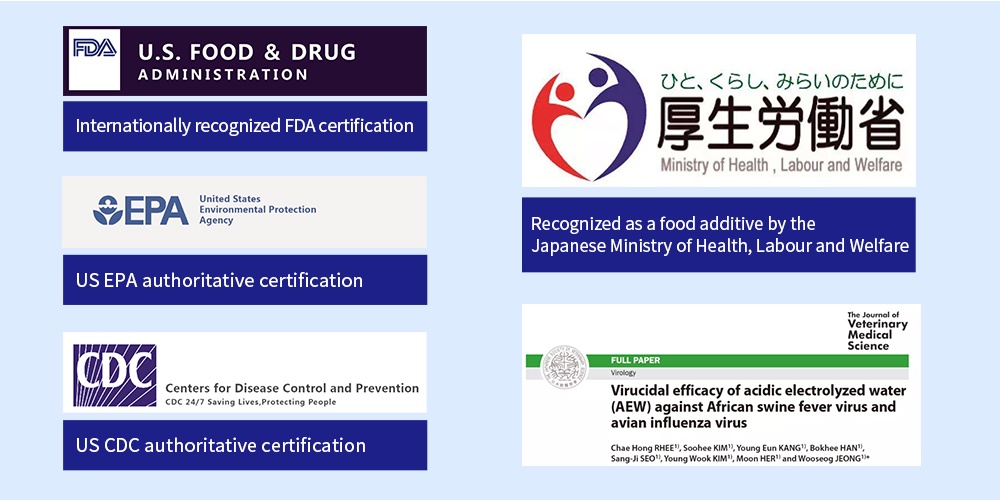
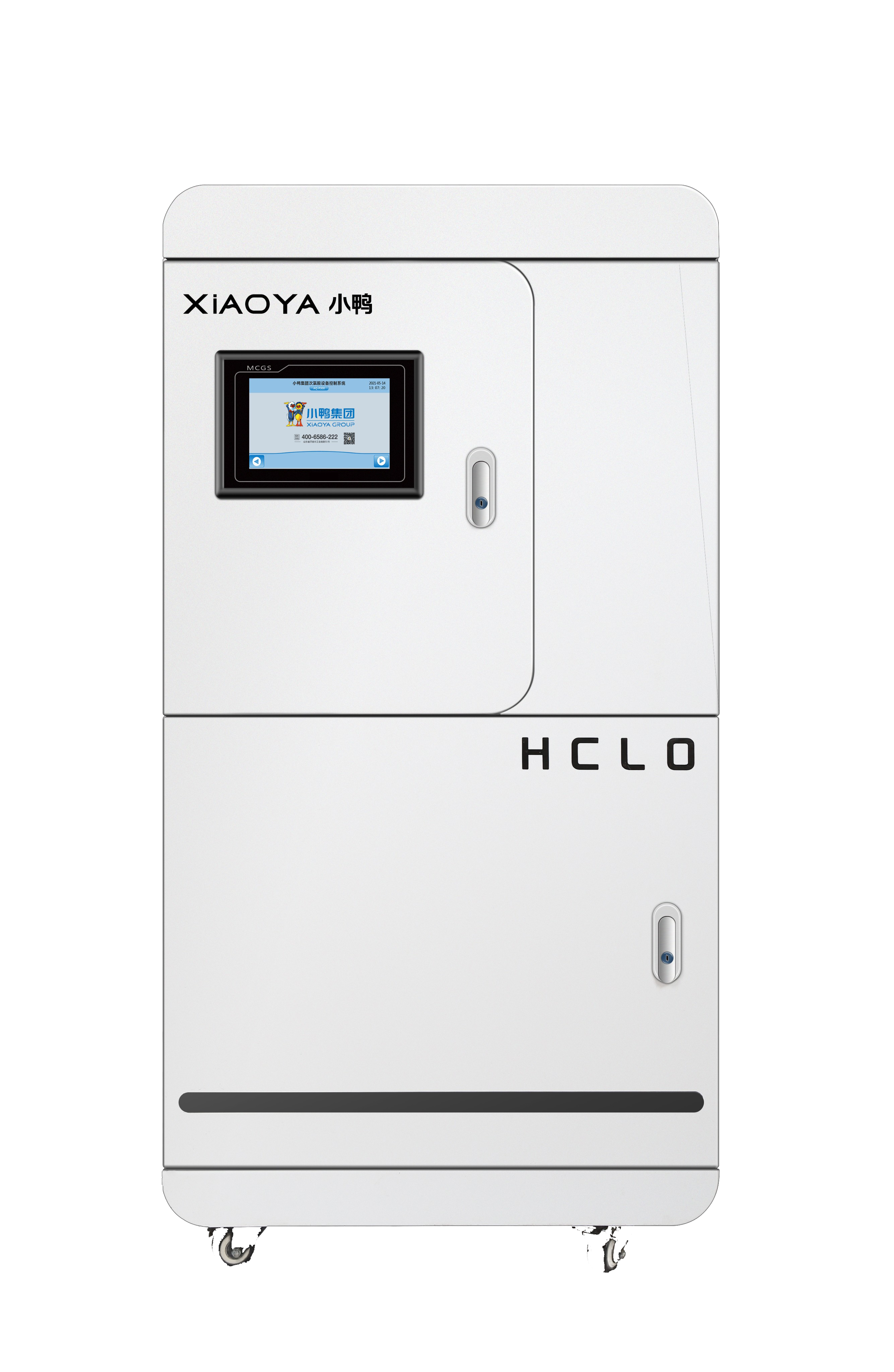
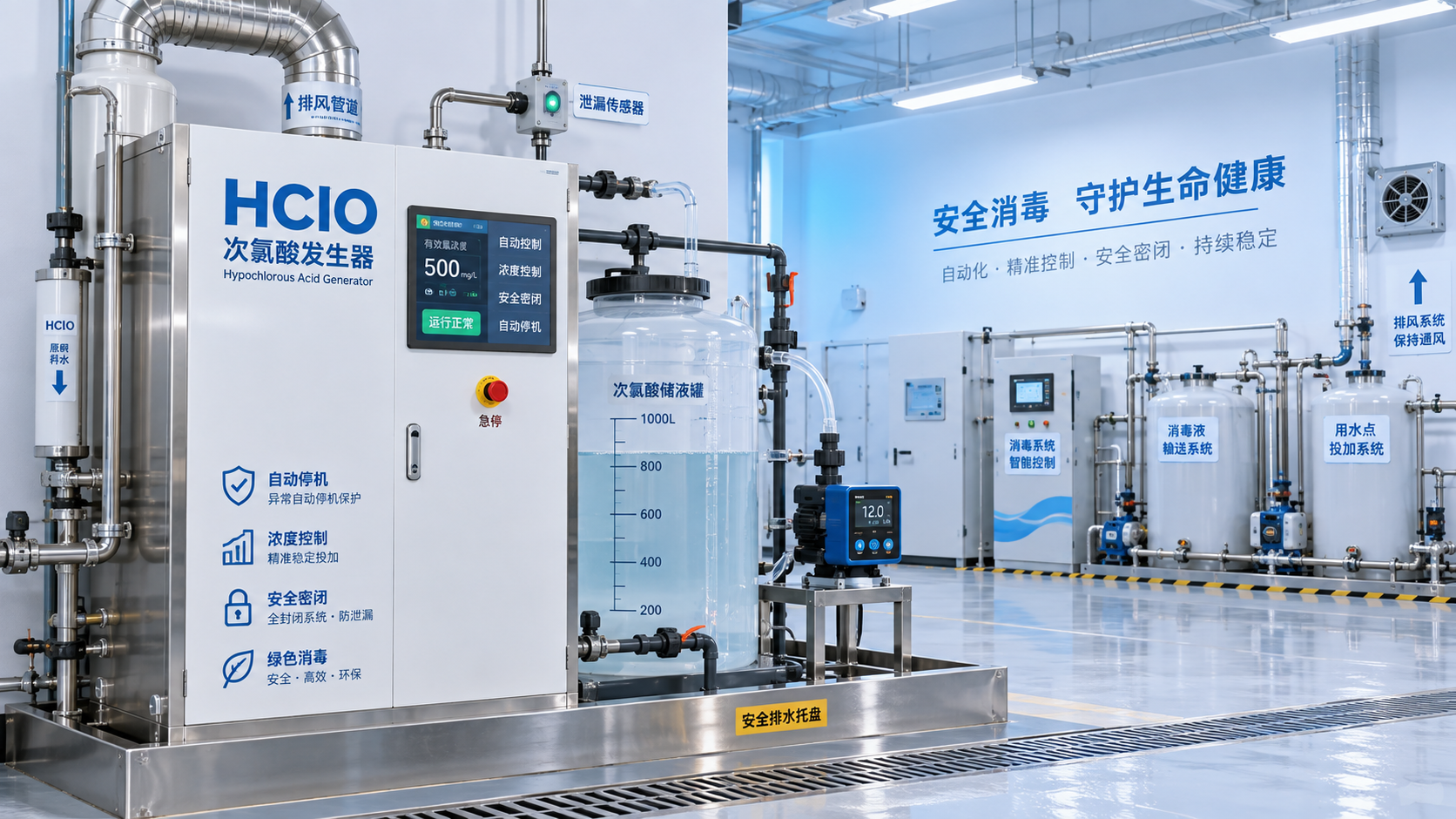
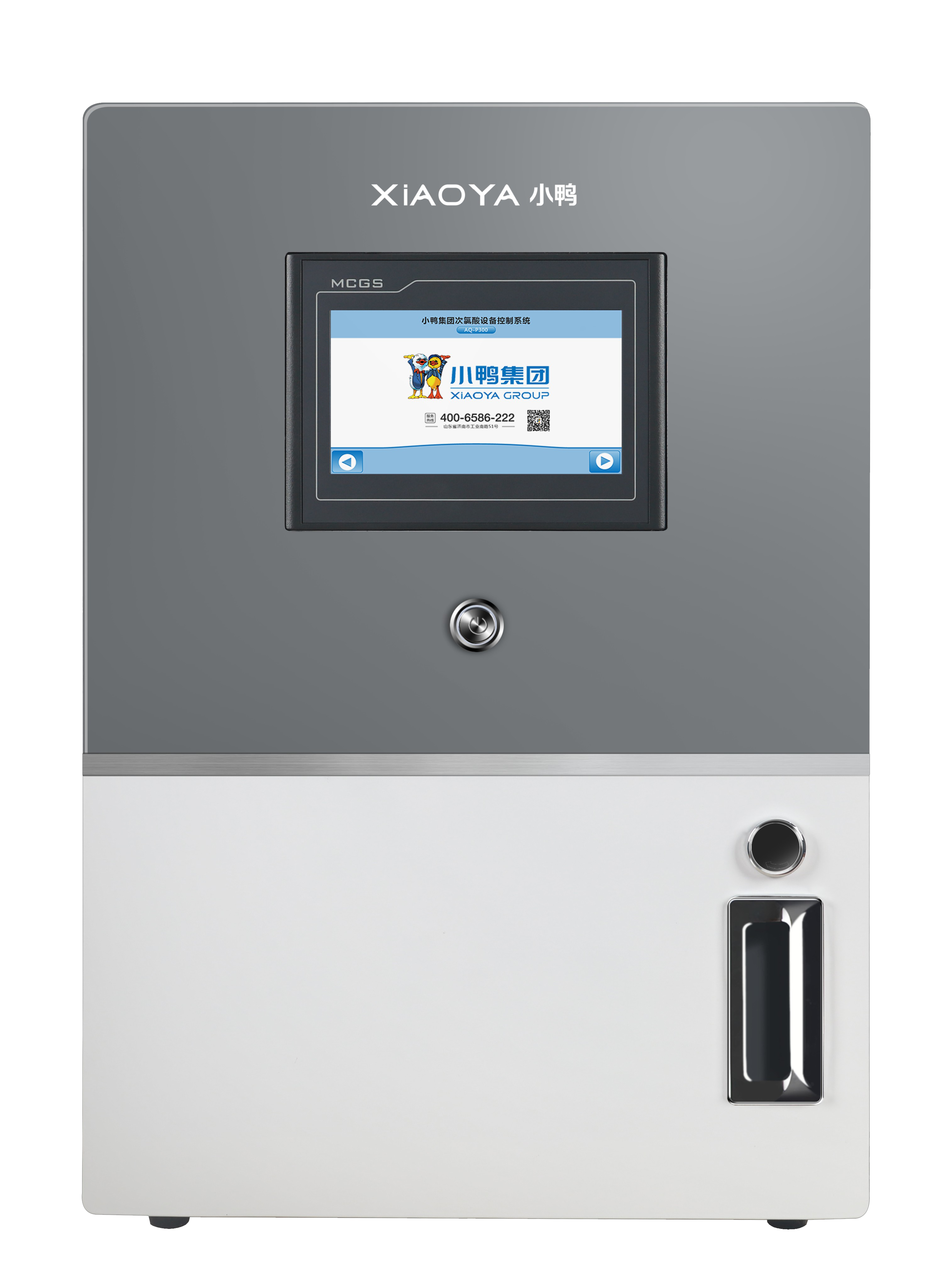
One example from the broader animal husbandry market is the Hypochlorous Acid Generator for Animal Husbandry and Breeding. Although horse farms have their own operational details, the logic is relevant: on-site generation of hypochlorous acid, adjustable available chlorine concentration, and intelligent control are useful when disinfection demand changes with season and facility area. The AQ-P1000 model lists a production capacity of 1000 L/h, a pH value of 6.37, and available chlorine concentration from 10 to 300 mg/L, which suggests a system intended for different hygiene tasks rather than a single-use spray routine.
What buyers often misunderstand
A common misunderstanding is that “stronger” always means “better.” In real farm use, disinfection performance depends on more than nominal strength. Organic matter, contact time, application method, and whether the target is a floor, a water line, or a frequently touched surface all affect outcomes. On horse farms in particular, overreliance on aggressive chemistry can create its own problems, from material compatibility issues to handling inconvenience.
Another misunderstanding is assuming odor control and disinfection are separate decisions. They are not identical, but on working farms they are closely linked. High-efficiency deodorization often signals better management of the microbial and organic environment, especially in enclosed animal spaces. If a system can support both sanitation and odor reduction without constant manual mixing, that changes the labor equation for small and mid-sized facilities.
Water hygiene is also often overlooked by horse owners who focus only on visible surfaces. Biofilm in drinking systems is not always obvious, and seasonal heat can make neglect more costly. In the wider breeding sector, one reason hypochlorous acid systems are discussed seriously is their potential role in helping inhibit biofilm and support drinking water safety. That does not remove the need for proper maintenance, but it does widen the planning conversation beyond stall floors and barn doors.
How to judge a seasonal disinfection solution more realistically
For an end user, the better question is not “Which disinfectant is best?” but “Which system still makes operational sense in April, August, and January?” That means looking at a few practical indicators:
- Whether it can be used safely in occupied livestock environments under appropriate procedures
- Whether concentration can be adjusted for different zones and tasks
- Whether the system supports routine use without heavy labor or complicated mixing
- Whether the equipment is designed for reliability, with sensor protection and manageable maintenance
- Whether it helps address both sanitation pressure and environmental comfort
Those points explain why automated generation equipment is drawing more interest across animal facilities. Enterprises with backgrounds in disinfection appliances and integrated R&D, production, and operation are pushing the market toward systems that are less improvised and more controllable. That trend matters to horse farms because seasonal pressure rewards consistency. A plan that depends on perfect manual execution every day is usually fragile.
The broader shift is not just toward “using hypochlorous acid,” but toward making disinfection more adaptive. Modular design, intelligent control, and lower operating cost are not abstract selling points in this context. They affect whether a farm actually maintains standards when weather changes, workload rises, or disease alerts increase in the region.
So when consumers hear about a Hypochlorous Acid Full-Scenario Disinfection System for Horse Farms, the useful interpretation is this: it is a response to the fact that farm sanitation is seasonal, uneven, and operationally demanding. The right solution is the one that can follow those changes without asking the farm to choose between hygiene, practicality, and horse welfare.
NEWS
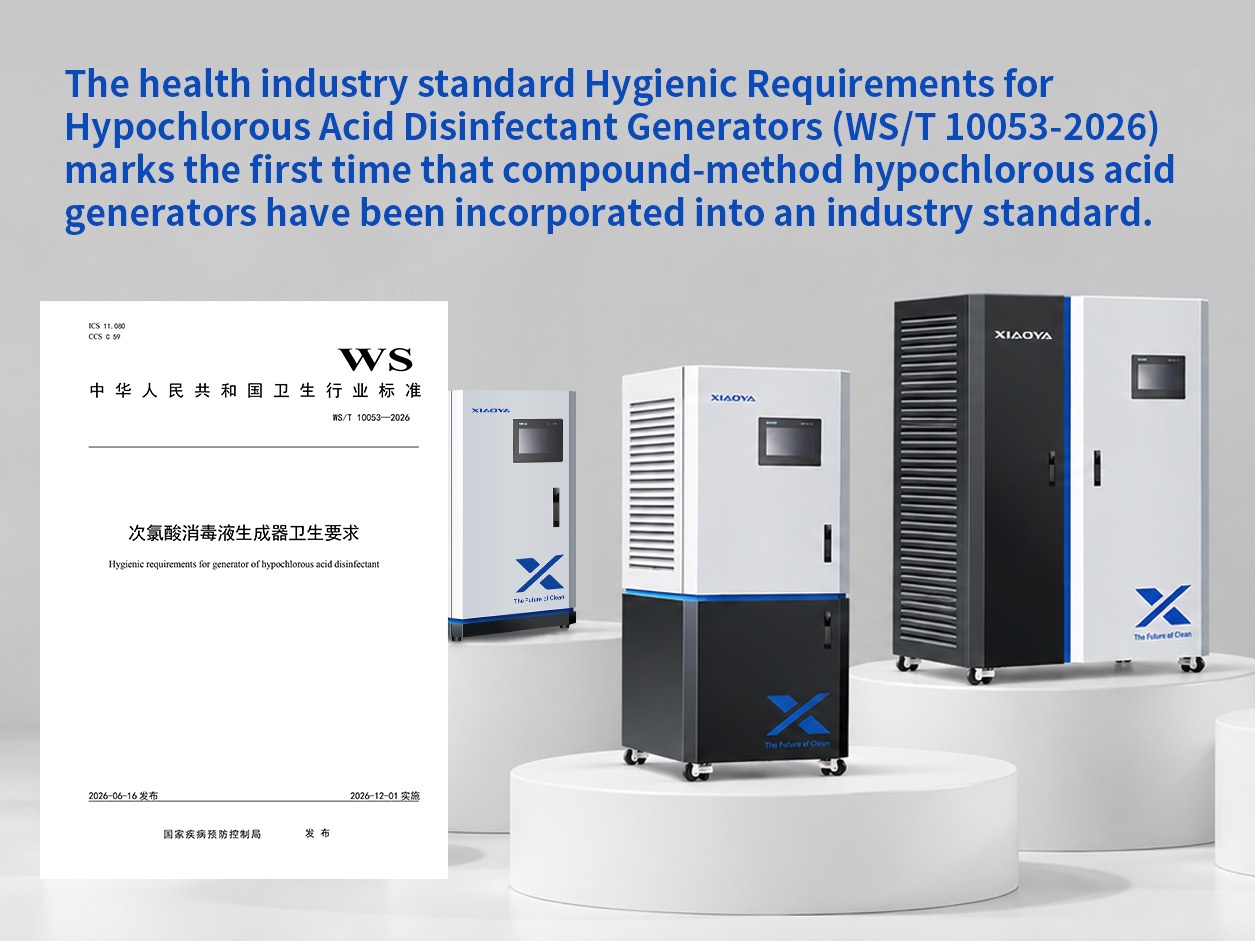
 WS/T 10053-2026 Includes the Compound Method for the First Time: Standard Signals and Market Opportunities for Mass Agricultural Production of Hypochlorous Acid Generators
 Evaluating HClO Generator Lifecycle Costs Beyond the Initial Equipment Price
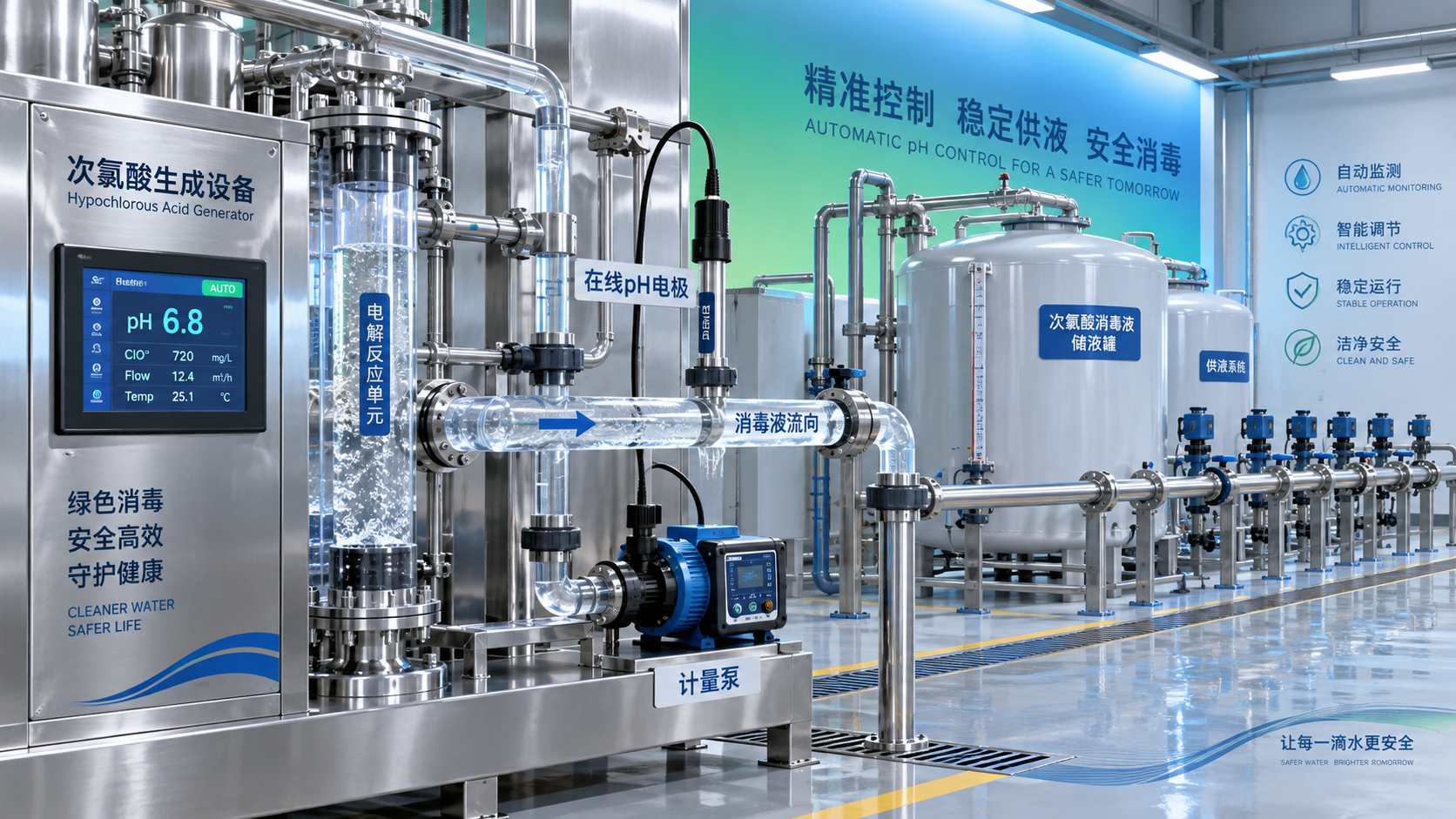
 HClO Generator pH Control: Why It Determines Disinfection Performance
- Which Safety Features Matter Most When Buying an HClO Generator?
 Troubleshooting Low ORP Readings on a Hypochlorous Acid Machine
Leave us a message

Xiaoya Group was founded in 1979,expert in the electrolyzed water industry.
Get in Touch
*We respect your confidentiality and all information are protected.