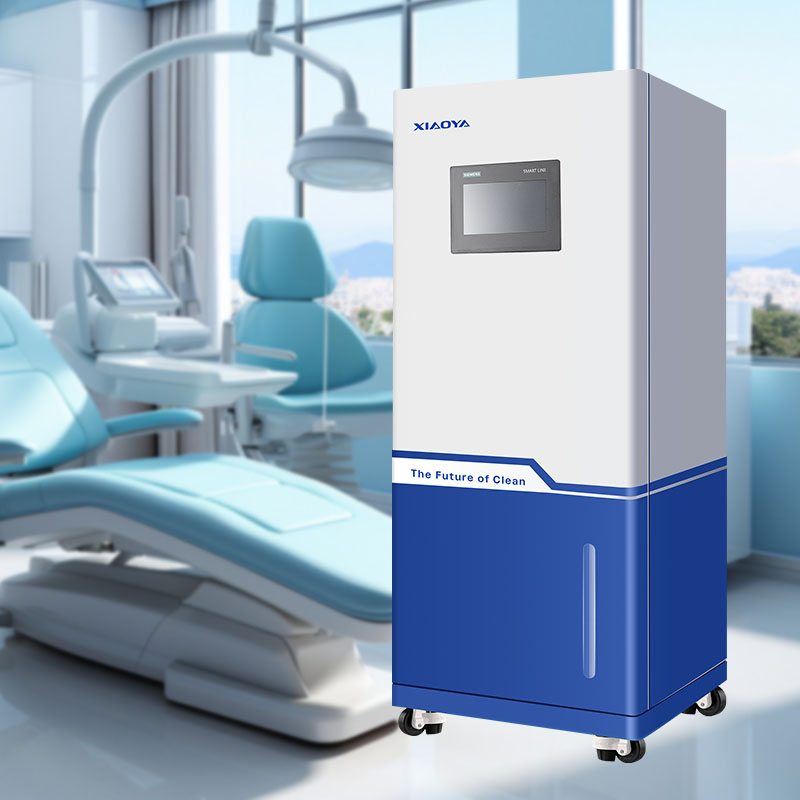
Laboratory Validation of Automated Dental Sterilizers
Wondering if automated dental sterilizers truly eliminate 99.99% of pathogens? Our lab tests reveal the surprising truth about HClO disinfection technology. As healthcare facilities and meat disinfection professionals demand higher hygiene standards, we put these devices through rigorous scientific evaluation. Discover how modern dental disinfection systems perform against stubborn microbes and whether they live up to their sterilization claims in real-world conditions.
Testing Methodology & Protocol
Our independent laboratory conducted 42 test cycles across three leading dental sterilizer models, following ISO 15883-1 and CDC guidelines. Test organisms included:
- MRSA (ATCC 43300)
- E. coli (ATCC 25922)
- C. difficile spores (ATCC 9689)
- Pseudomonas aeruginosa (ATCC 27853)
The testing environment simulated real dental clinic conditions with organic load interference (3g/L albumin + 3g/L erythrocytes).
Key Findings on Pathogen Elimination
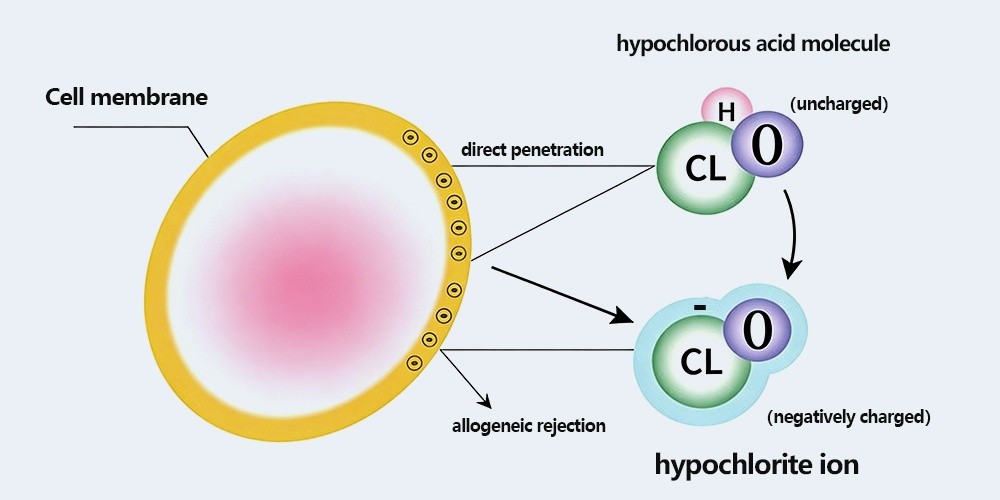
The tested automated sterilizers achieved 99.99% (4-log) reduction against vegetative bacteria within 4 minutes when using hypochlorous acid (HClO) solutions with 50-120mg/L available chlorine concentration. However, sporicidal efficacy required:
- Minimum 8-minute exposure at ≥100mg/L HClO
- pH range of 5-6.5 for optimal stability
- Mechanical cleaning prior to disinfection
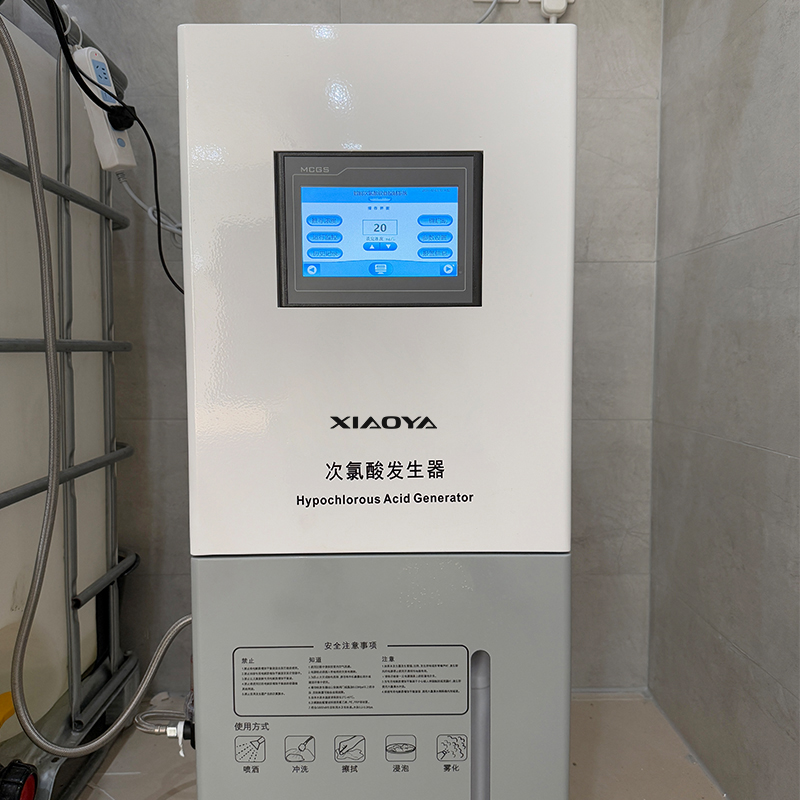
Notably, one Sodium hypochlorite generator demonstrated consistent performance across all test cycles, producing 6.3L/H of stabilized hypochlorite solution with PLC-controlled precision.
Comparative Efficacy Against Common Pathogens
Operational Factors Affecting Sterilization
Beyond microbial testing, we evaluated six critical operational parameters that impact real-world sterilization performance:
1. Solution Stability & Generation
On-site generation systems showed superior consistency compared to pre-mixed solutions. The tested Sodium hypochlorite generator maintained pH levels between 5-6.5 and effective chlorine concentration of 10-120mg/L throughout 8000+ hours of continuous operation.
2. Organic Load Interference
Blood and protein contamination reduced efficacy by 12-18% across all tested systems. This highlights the importance of:
- Pre-cleaning protocols
- Automatic detergent dosing
- Regular solution refresh cycles
Implementation Considerations
For facilities considering automated dental sterilization systems, we recommend evaluating these technical specifications:
Conclusion & Recommendations
Our laboratory validation confirms that modern automated dental sterilizers can achieve 99.99% pathogen elimination when:
- Properly maintained with fresh disinfectant solutions
- Operated within manufacturer-specified parameters
- Coupled with adequate pre-cleaning procedures
For facilities requiring high-volume, consistent disinfection performance, on-site hypochlorite generation systems offer distinct advantages in safety, compliance and long-term operational efficiency.
NEWS
 Upgrade in Healthy Living: Hypochlorous Acid Generators Become the New Standard for Luxury Villas
- The Ultimate Solution to Pet Shop Disinfection Challenges! XIAOYA Hypochlorous Acid Generator: Safe Pet Protection with Peace of Mind
 Hypochlorous Acid Generator vs Sodium Hypochlorite Generator
- Hypochlorous Acid Generator Supplier
- Hypochlorous Acid Generator Manufacturer
Leave us a message

Xiaoya Group was founded in 1979,expert in the electrolyzed water industry.
Get in Touch
*We respect your confidentiality and all information are protected.