news
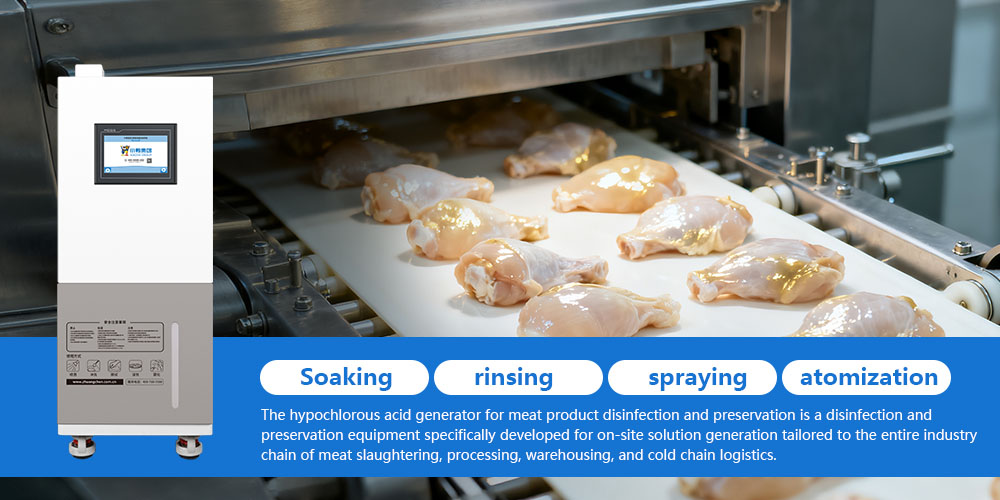
The Rise of Automated HCLO Spray Systems in Meat Processing
Discover why leading meat processors are rapidly adopting automated HCLO spray systems for superior meat disinfection. This cutting-edge technology, also proven effective in dental disinfection applications, represents the future of food safety. As HCLO disinfection gains industry recognition, automated solutions deliver unmatched consistency, efficiency, and compliance - critical factors for modern processing facilities. Learn how this innovation addresses key pain points while meeting stringent hygiene standards.
Why Traditional Disinfection Methods Fall Short
Conventional meat disinfection approaches face three critical challenges that automated HCLO systems solve:
- Inconsistent coverage: Manual spraying misses 15-20% of surface areas according to USDA audits
- Labor intensity: Requiring 3-5 workers per shift just for disinfection tasks
- Chemical waste: Up to 30% overspray with manual methods versus 5% with automated systems
Technical Advantages of HCLO Automation
Modern HCLO spray systems incorporate advanced features that make them ideal for food processing environments:
Precision Control Systems
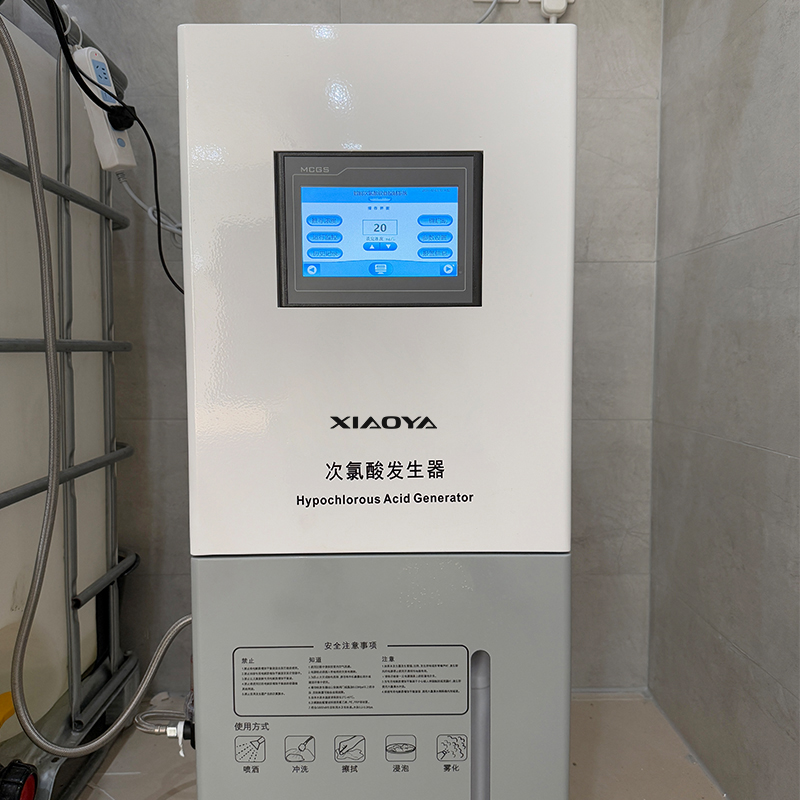
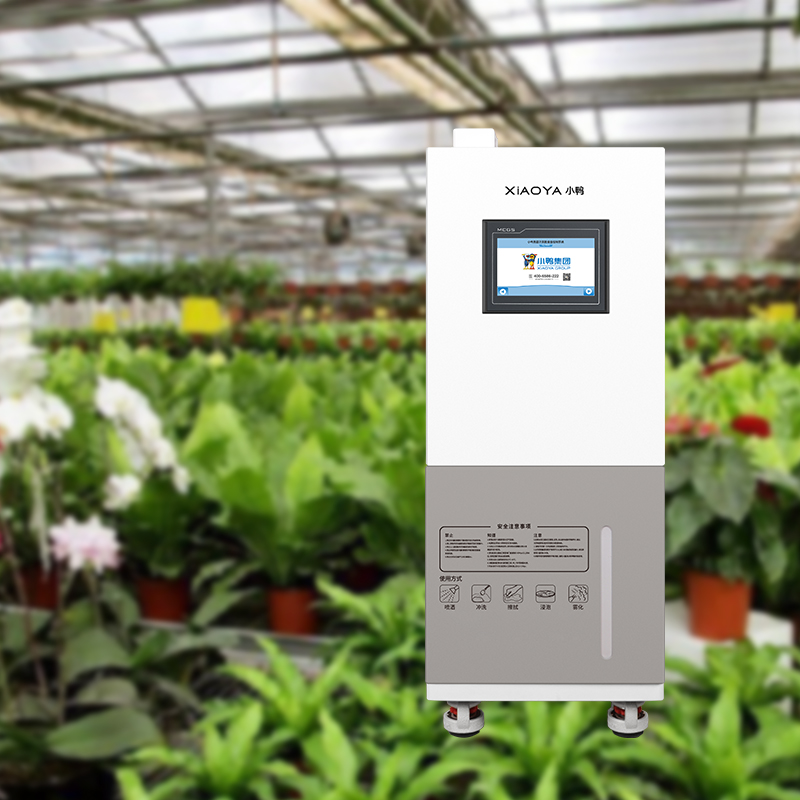
The same PLC-controlled precision found in medical-grade Hypochlorous Acid Generator for Dental Chair Pipeline Disinfection units now powers meat processing solutions. These systems maintain optimal HClO concentrations between 50-100 ppm, automatically adjusting for:
- Production line speed variations (10-30 m/min)
- Carcass size differences (50-300 kg)
- Temperature fluctuations (4-15°C)
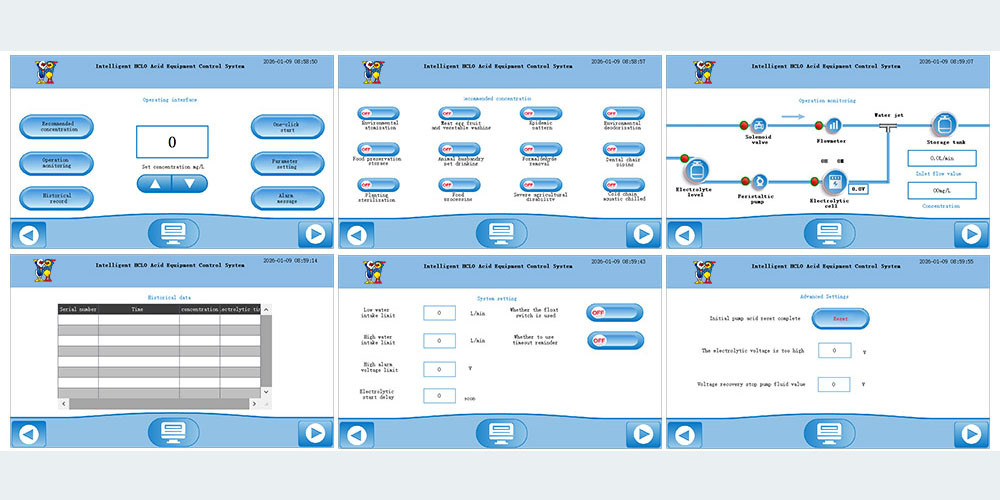
Integrated Monitoring Capabilities
Leading systems feature real-time sensors tracking:
Implementation Considerations for Meat Processors
When transitioning to automated HCLO systems, processors should evaluate these key factors:
System Configuration Options
Modern installations typically offer three deployment models:
- Inline Systems: For high-volume plants processing 500+ carcasses/hour
- Cabinet Systems: Ideal for smaller facilities with 100-300 carcasses/hour
- Mobile Units: Flexible solutions for multi-line operations
ROI Calculation Factors
Typical payback periods range from 8-18 months based on:
- Labor savings of $75,000-$150,000 annually
- Chemical cost reductions of 40-60%
- Water savings of 300,000+ gallons/year
- Reduced product recalls (industry average: $10M/incident)
Frequently Asked Questions
How does HCLO compare to traditional chlorine washes?
HCLO demonstrates 80-120% greater microbial reduction efficacy at equivalent concentrations while eliminating harmful byproducts like trihalomethanes. Its neutral pH (5.5-7.0) also prevents equipment corrosion.
What maintenance do automated systems require?
Modern systems like the Hypochlorous Acid Generator for Dental Chair Pipeline Disinfection feature self-cleaning cycles and require only monthly electrode inspections, reducing downtime by 70% compared to manual systems.
Can existing facilities retrofit these systems?
Most processors can integrate HCLO automation with minimal line modifications - typically requiring just 3-5 days of installation downtime. Modular designs allow phased implementation across multiple production lines.
The Future of Meat Safety Automation
As food safety standards continue tightening globally, automated HCLO systems represent the next evolution in pathogen control. Their proven efficacy in both meat processing and medical environments like dental disinfection demonstrates versatile applicability across hygiene-critical industries.
Forward-thinking processors adopting this technology gain:
- Compliance with emerging global food safety protocols
- 20-30% improvement in operational efficiency
- Enhanced brand protection through verifiable disinfection records
NEWS
 Upgrade in Healthy Living: Hypochlorous Acid Generators Become the New Standard for Luxury Villas
- The Ultimate Solution to Pet Shop Disinfection Challenges! XIAOYA Hypochlorous Acid Generator: Safe Pet Protection with Peace of Mind
 Hypochlorous Acid Generator vs Sodium Hypochlorite Generator
- Hypochlorous Acid Generator Supplier
- Hypochlorous Acid Generator Manufacturer
Leave us a message

Xiaoya Group was founded in 1979,expert in the electrolyzed water industry.
Get in Touch
*We respect your confidentiality and all information are protected.