news
Why NSF/ISO Certification is Non-Negotiable for HOCl Equipment
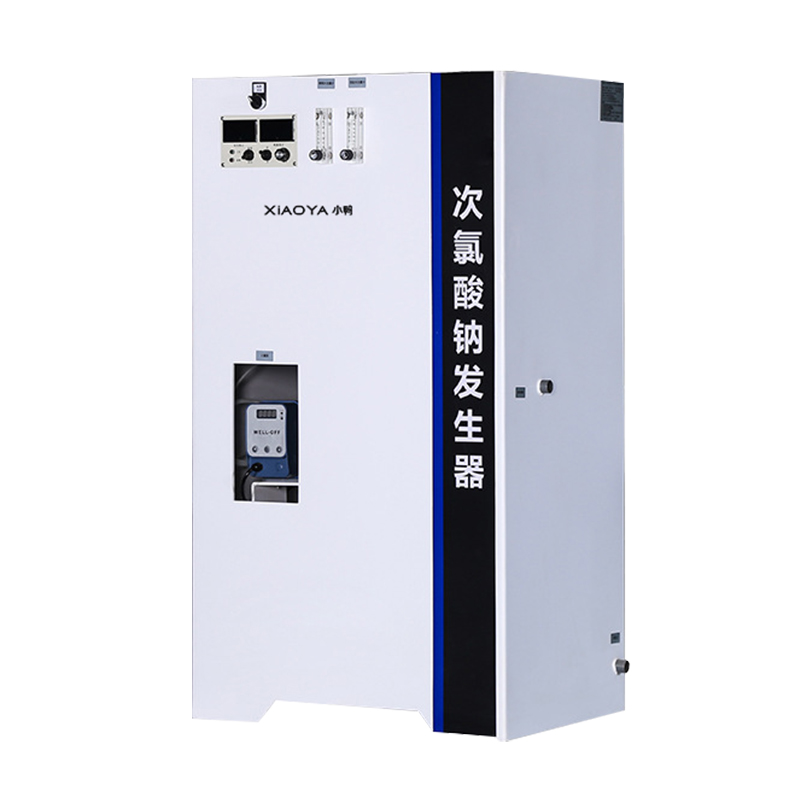
When selecting a Hypochlorous Acid Generator for Agricultural Planting, certification matters more than you think. NSF/ISO compliance isn't just paperwork - it's your assurance of equipment reliability, safety, and performance. For procurement specialists and project managers, understanding these standards means making informed decisions that protect your agricultural operations, workers, and bottom line. Let's examine how to properly evaluate certification credentials in HOCl disinfection systems.
The Critical Role of Third-Party Validation
NSF/ANSI 61 and ISO 9001 certifications represent the gold standard for water treatment equipment validation. These independent verifications confirm that:
- Materials meet FDA requirements for food contact surfaces
- Electrolytic cells maintain consistent output over 3,000+ operational hours
- Control systems achieve ±5% concentration accuracy under variable conditions
- Safety protocols prevent chlorine gas emissions exceeding 0.5 ppm
Decoding Certification Documents: 5 Key Checkpoints
Proper certification evaluation requires examining these critical document elements:
For livestock applications like our Hypochlorous Acid Generator for Animal Husbandry and Breeding, certification becomes even more critical due to constant animal exposure. The AQ-P1000 model's modular design with Siemens PLC control maintains certification compliance through continuous pH/ORP monitoring.
Performance Benchmarks vs. Certification Claims
Certified equipment should demonstrate these operational parameters during validation:
Implementation Considerations for Agricultural Projects
When deploying certified HOCl systems in farming operations, consider these factors:
- Water hardness above 200 ppm requires pre-filtration to maintain electrolyzer efficiency
- Ambient temperatures below 5°C may require heated enclosures
- Continuous operation systems need redundant sensors for fail-safe shutdown
Certification Pitfalls in Agricultural Applications
Three common certification oversights in farming environments:
1. Static vs. Dynamic Testing Conditions
Many certifications test equipment under laboratory conditions without accounting for:
- Organic load fluctuations (2-200 NTU common in agricultural water)
- Intermittent power supply common in rural areas
- Vibration from nearby farm equipment
2. Material Compatibility Gaps
Certified materials may degrade when exposed to:
- Ammonia concentrations above 25 ppm in poultry houses
- Hydrogen sulfide levels exceeding 10 ppm in swine facilities
- pH swings from 5.0-8.5 in recycled water systems
FAQs: Certification Concerns in Agricultural HOCl Systems
How often should certification be re-verified?
Annual audits are recommended for continuous operation systems. The Hypochlorous Acid Generator for Animal Husbandry and Breeding maintains compliance through quarterly self-checks of its 4G remote monitoring system.
Can certified equipment be modified for farm-specific needs?
Any modifications beyond factory specifications (like flow rate adjustments exceeding ±15%) require re-certification. Our modular systems allow certified configuration changes within approved parameters.
What certification applies to livestock drinking water systems?
NSF/ANSI 61 Annex G specifically addresses drinking water additives. Systems should also meet local agricultural water standards for coliform counts (typically<100 CFU/100mL).
Why Certification Matters in Your Next Purchase
Certified HOCl equipment delivers measurable operational benefits:
- 30-50% longer mean time between failures (MTBF) compared to uncertified systems
- 15-25% reduction in chemical costs through precise dosing
- Elimination of 90% of biofilm-related water line blockages
For project managers overseeing agricultural disinfection systems, we offer certified equipment consultation including:
- Site-specific certification requirements analysis
- Third-party testing coordination
- Compliance documentation packages
- Custom configuration validation
NEWS
 Upgrade in Healthy Living: Hypochlorous Acid Generators Become the New Standard for Luxury Villas
- The Ultimate Solution to Pet Shop Disinfection Challenges! XIAOYA Hypochlorous Acid Generator: Safe Pet Protection with Peace of Mind
 Hypochlorous Acid Generator vs Sodium Hypochlorite Generator
- Hypochlorous Acid Generator Supplier
- Hypochlorous Acid Generator Manufacturer
Leave us a message

Xiaoya Group was founded in 1979,expert in the electrolyzed water industry.
Get in Touch
*We respect your confidentiality and all information are protected.