news
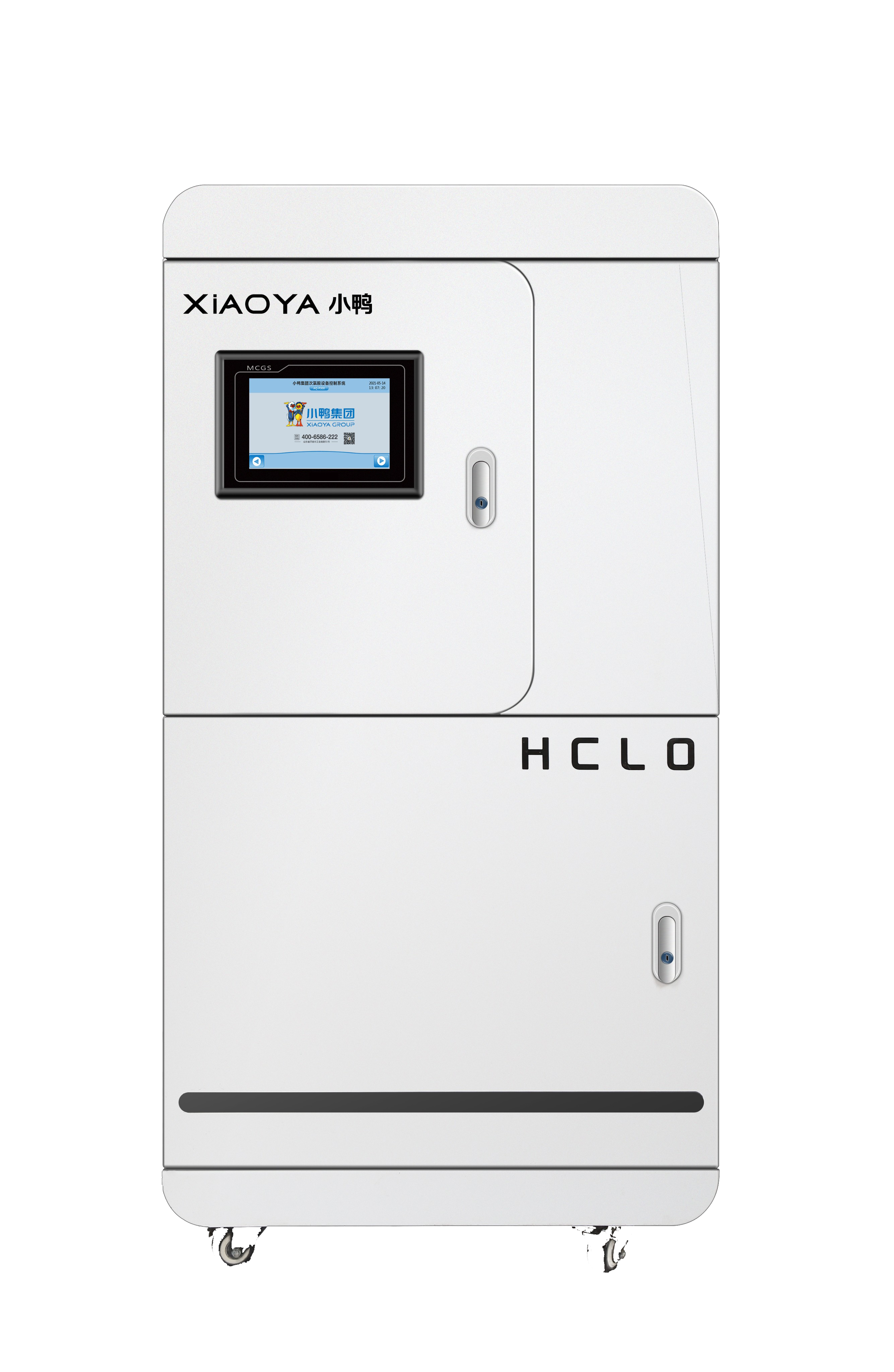
The lowest purchase price is rarely the lowest-cost choice for an HClO generator. A system that appears inexpensive can become costly when it produces inconsistent solution, requires frequent manual intervention, consumes more electricity or salt than expected, or creates downtime in a sanitation process that cannot easily stop.
A useful comparison starts with one question: what will it cost to deliver the required disinfection output, at the required quality, for the full planned service life? The answer includes the equipment price, but also installation, utilities, consumables, labor, maintenance, replacement parts, production losses, and the cost of meeting site-specific hygiene requirements.
Start with the operating duty, not the generator nameplate
Two generators with a similar stated output can have very different lifecycle costs because they are used differently. A unit supplying a small number of surface-sanitizing stations during fixed hours has a different duty profile from a system feeding washing-machine pipelines, atomization equipment, and cleaning tools throughout the day.
Before comparing quotations, define the real operating requirement:
- Required solution volume per day, including peak periods rather than average demand alone.
- The concentration range needed at each point of use.
- How many outlets need to run at the same time.
- Whether solution is used immediately or stored before use.
- Whether the system must support pipeline flushing, spraying, immersion, or air-space atomization.
- Whether operations can pause for refilling, testing, cleaning, or repairs.
Oversizing an HClO generator creates unnecessary capital, energy, and maintenance cost. Undersizing it can be worse: it may force extended operating hours, reduce concentration stability at high demand, or cause staff to revert to purchased disinfectants when the system cannot keep up. The appropriate size is based on the highest credible demand period, with practical capacity margin, not on an optimistic estimate of normal daily use.
Map every cost over the system life
A lifecycle-cost model does not need to be complicated, but it should include every cost category that changes between options. Ask suppliers to provide inputs in the same units and over the same assumed operating period. A low equipment price is meaningful only when the comparison also includes the items below.
Water quality is an operating-cost variable
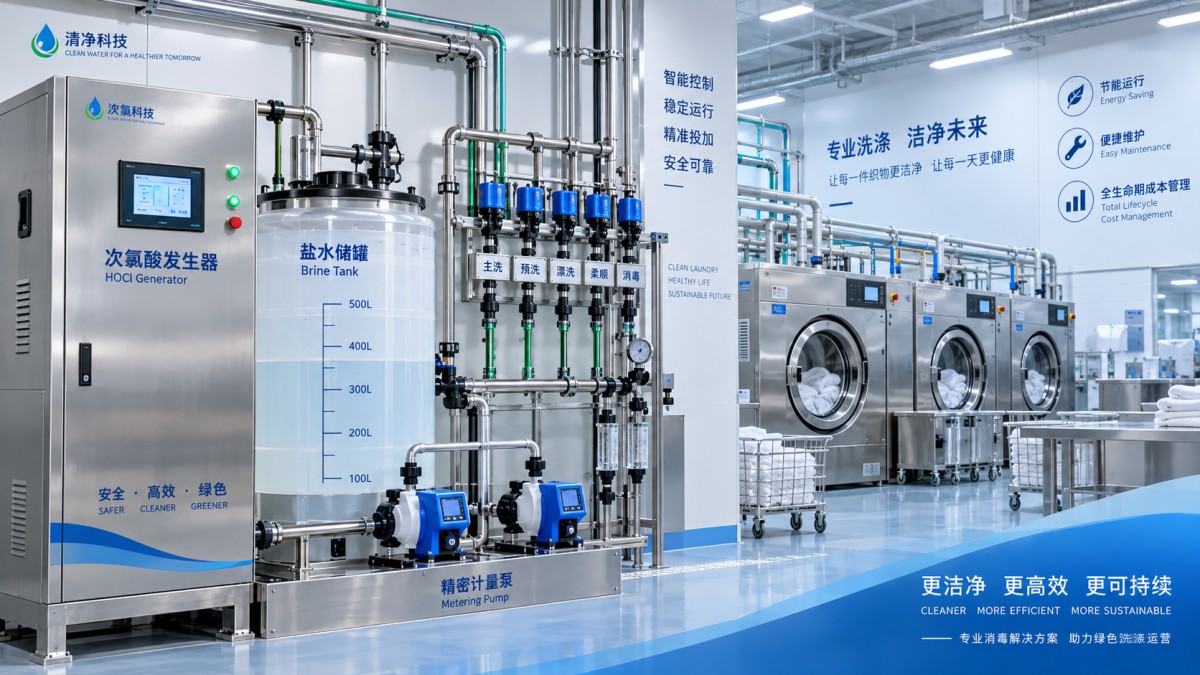
Brine electrolysis systems depend on water quality. Hardness, dissolved minerals, suspended solids, and inconsistent source-water conditions can affect scaling, filtration needs, cleaning frequency, and component life. These factors are sometimes treated as a commissioning detail, but they belong in the purchase decision.
Request a clear statement of the acceptable inlet-water conditions and the treatment required to achieve them. If pretreatment is needed, include its filters, regeneration materials, power use, service work, and replacement schedule in the lifecycle model. A generator that works well with controlled water conditions may not be the economical option for a site where water quality varies and no treatment budget has been included.
The same principle applies to storage and distribution. Hypochlorous acid solution can lose effectiveness when storage time, light exposure, temperature, or piping conditions are poorly managed. A design that generates only what is needed and delivers it through suitable storage and distribution equipment can reduce waste. The objective is not simply to make more solution; it is to make usable solution reliably at the point of application.
Calculate labor honestly, especially in unattended locations
Manual chemical handling often looks inexpensive because the labor is absorbed into existing cleaning routines. That view misses the time spent receiving chemicals, moving containers, mixing solutions, checking inventory, preparing equipment, and correcting inconsistent dilution. It also overlooks the disruption created when a trained person is unavailable.
For extended-hour laundries, commercial cleaning sites, and integrated appliance installations, automatic timing and remote-ready controls can have more practical value than a marginal difference in electricity use. However, “fully automatic” should not mean “never inspected.” The operating plan should still define routine checks for solution output, alarms, water supply, filters, and distribution lines.
Automation earns its place when it replaces repetitive, predictable tasks and makes sanitation repeatable. It is less compelling in a low-volume facility where solution demand is occasional, staff are already present, and a centralized cleaning process is simple to manage.
Reliability is part of the cost calculation
Downtime has two forms. The obvious one is repair expense. The less obvious one is the cost of interrupted operations: machines may be unavailable, sanitation cycles may be delayed, or staff may need to purchase and apply an alternative disinfectant. In a multi-site operation, inconsistent procedures can also create uneven hygiene results between locations.
Evaluate reliability through serviceability rather than broad claims. Ask how operators identify a low-output condition, whether the system records alarms and operating data, which parts are treated as wear items, and how quickly a pump, electrode, sensor, or control component can be replaced. A modular design with accessible components may cost more initially but can reduce the duration and cost of service events.
Distribution architecture matters as well. A single generator serving several functions should be assessed for flow priority and isolation. If a pipeline-cleaning cycle runs at the same time as surface sanitation or atomization, confirm that each channel still receives the required supply. Separate channels may reduce manual handling, but they also introduce pumps, valves, and controls that need to be included in the maintenance plan.
Compare sanitation outcomes with the full process, not the generator alone
An HClO generator is only one part of a disinfection process. Results also depend on correct concentration, contact time, coverage, cleaning before disinfection where soils are present, and the condition of the surfaces or pipelines being treated. A lower-priced generator is not a sound choice if it cannot provide the controls, output consistency, or delivery method the workflow requires.
In commercial laundry settings, the relevant question is often broader than garment treatment. Biofilm, standing water, drain conditions, hoses, drums, and internal pipelines can all affect sanitation workload and odor control. A system designed for this environment may combine scheduled pipeline flushing with dedicated connections for surface sanitation, rather than treating every task as a separate manual process.
For example, the New-Generation Sanitary Self-Service Laundromat HOCl System Solution is intended for unattended and retrofit laundry applications, with a storage tank, booster-pump arrangement, and multi-channel output for functions such as pipeline flushing, atomization, and surface sanitization. Its specified automatic control and washing-machine self-cleaning cycle illustrate the type of workflow integration that should be assessed alongside generator cost. The relevant value is not the feature list itself, but whether those functions replace recurring manual work and fit the site’s actual cleaning schedule.
Compliance and documentation should be costed before installation
Disinfection systems may need operating procedures, output records, maintenance logs, material-safety controls, and evidence that the solution and process suit the intended application. The exact obligations differ by location and use case, but documentation requirements should be considered before equipment is selected.
Ask whether the supplier provides operating instructions, maintenance schedules, quality-control guidance, and traceable information for the components and process. Where a project requires alignment with defined standards, verify that the offered configuration, not merely a related product family, supports that requirement. Documentation gaps are often discovered after installation, when corrections become more expensive.
A practical way to make the final comparison
Build a single comparison sheet for each shortlisted option. Use the same planned service period, operating hours, production demand, utility assumptions, and labor rate. Separate one-time costs from recurring costs, then add a realistic allowance for scheduled maintenance and likely wear parts. Do not treat supplier-provided consumption figures as the final answer without matching them to site water conditions and demand peaks.
Then test each option against three operational questions: Can it meet peak demand without compromising output? Can the site operate it and maintain it with the people actually available? Can sanitation continue through a manageable fallback process if a component fails?
The preferred investment is usually the system that delivers the required solution consistently, integrates cleanly with the workflow, and has predictable service needs. That may be a higher-priced HClO generator, but only when the added cost removes labor, chemical purchases, downtime, or premature equipment wear that would otherwise continue throughout its operating life.
NEWS
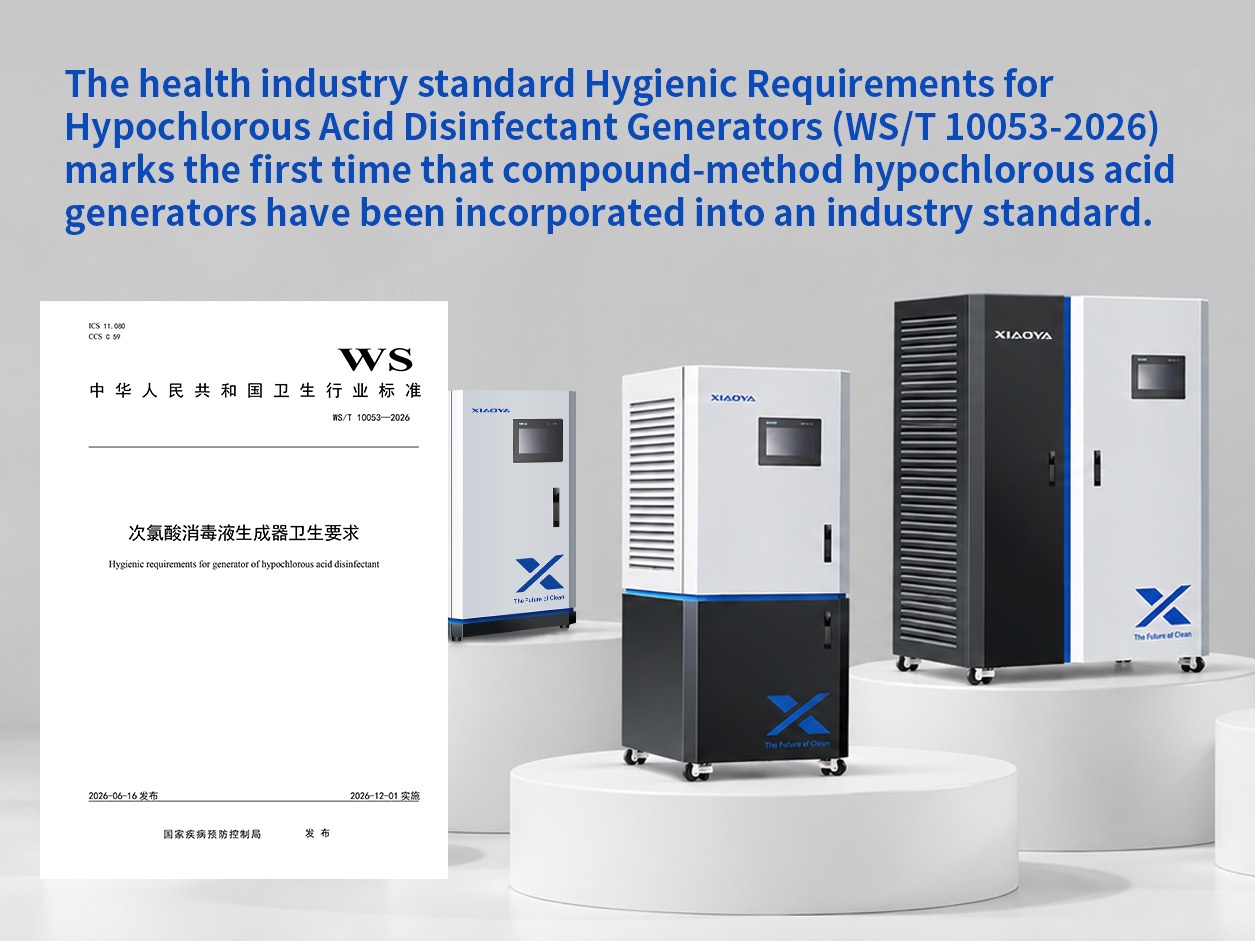
 WS/T 10053-2026 Includes the Compound Method for the First Time: Standard Signals and Market Opportunities for Mass Agricultural Production of Hypochlorous Acid Generators
 Evaluating HClO Generator Lifecycle Costs Beyond the Initial Equipment Price
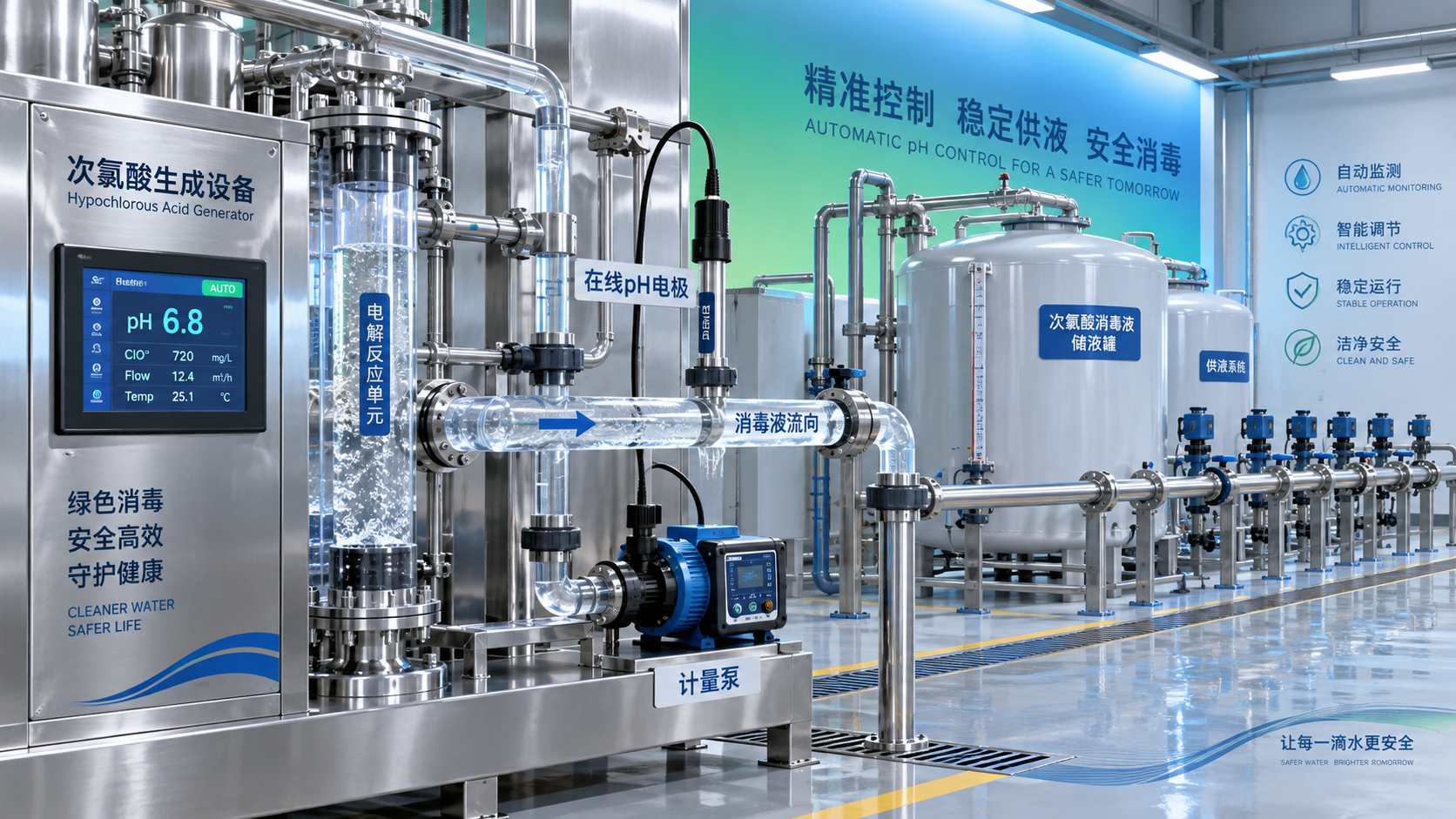
 HClO Generator pH Control: Why It Determines Disinfection Performance
- Which Safety Features Matter Most When Buying an HClO Generator?
 Troubleshooting Low ORP Readings on a Hypochlorous Acid Machine
Leave us a message

Xiaoya Group was founded in 1979,expert in the electrolyzed water industry.
Get in Touch
*We respect your confidentiality and all information are protected.