news
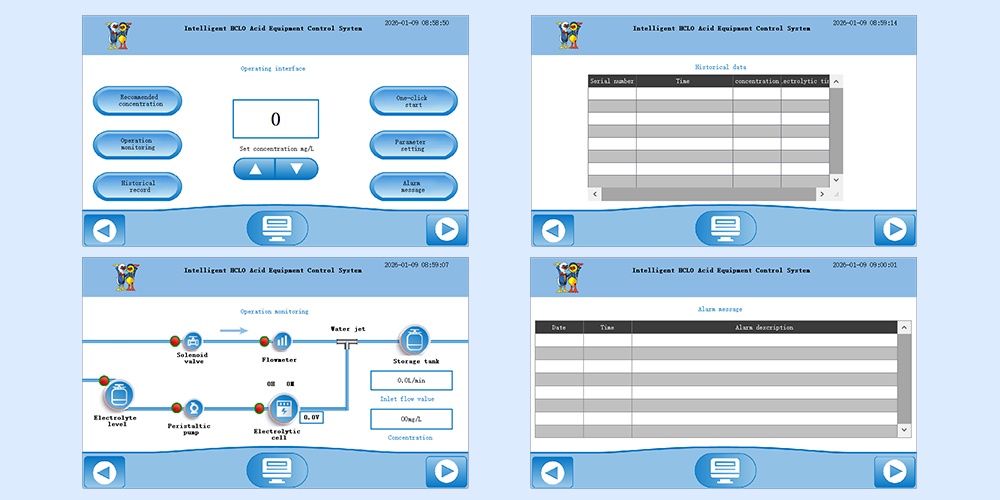
A validation file for a hypochlorous acid system is not complete because the generator produced an acceptable concentration on the day it was installed. In a food handling area, the real compliance question is whether the facility can show, at any later date, that the disinfectant was generated, tested, applied, and controlled within the conditions originally validated.
Quality teams should keep records that connect four things: the generator’s operating condition, the properties of each solution produced, the food-contact or environmental use of that solution, and the response when results fall outside limits. For a Food Hypochlorous AcidGenerator, a practical record system usually includes qualification documents, routine concentration and pH checks, calibration evidence, batch or lot traceability, maintenance history, sanitation application logs, and deviation records. The format may be paper-based or electronic, but it must be legible, attributable, protected from unauthorized changes, and easy to retrieve.
Start with the validation protocol and approval record
The validation protocol explains what the team intended to prove before the work began. It should define the equipment, water source, electrolysis settings, target available chlorine range, pH range, intended application, contact time, sampling points, test methods, and acceptance criteria. Without this baseline, later production records have little meaning because there is no approved standard against which to judge them.
Keep the executed protocol together with the final validation report. The report should identify any departures from the protocol, summarize test results, state whether acceptance criteria were met, and carry review and approval signatures from the responsible functions. When the system is used for more than one purpose, such as equipment sanitation, produce washing, ice-water treatment, or room misting, document each use separately unless the validation clearly demonstrates that one set of parameters covers all intended conditions.
- Equipment identification, model, serial number, and installation location
- Intended use and the surfaces, food materials, or process water involved
- Water quality conditions relevant to generation performance
- Validated operating ranges for voltage, flow, electrolyte addition, pH, and available chlorine
- Sampling plan, laboratory or on-site methods, and acceptance limits
- Responsibilities for testing, review, release, and deviation handling
Record each generated solution as a traceable batch
Even when hypochlorous acid is generated continuously, the facility needs a practical definition of a batch. A batch may be tied to a production shift, a sanitation cycle, a defined tank volume, or a period between parameter changes. The choice should match how the solution is stored and used. A container filled at the beginning of a shift and used throughout the day should not be treated as identical to solution generated later after a maintenance intervention or concentration adjustment.
Each batch record should show the date and time of generation, operator or automated system identification, generator identification, water source, electrolyte lot where applicable, measured pH, measured available chlorine concentration, test method, and release status. If the solution is transferred to a holding tank, spray system, wash flume, or ice-water mixing system, record the destination and the transfer time.
Traceability becomes especially important when a sanitation result is questioned after product release. A batch record should allow the quality team to determine which solution was used, which production or handling area received it, whether the concentration was within the approved range, and whether an equipment alarm occurred during that period.
Concentration and pH records need more than a single reading
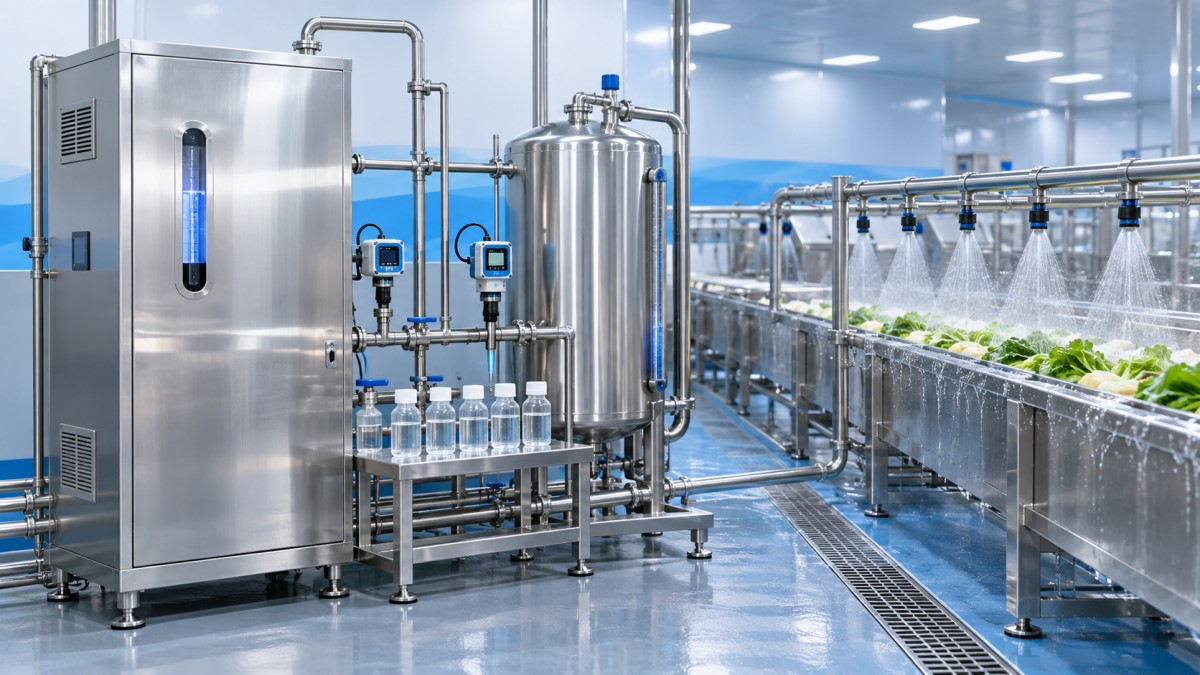
Available chlorine and pH are central process controls, but isolated readings do not necessarily prove stable performance. The record should identify where and when the sample was taken. A sample drawn directly at the generator outlet may meet target limits while the solution at a distant point of use has changed because of dilution, holding time, temperature, organic load, or mixing conditions.
For each validated application, define appropriate checkpoints. These may include the generator outlet, storage tank, final spray nozzle, wash-water tank, or ice-water circuit. Record the actual result, the unit of measure, the instrument used, the person who performed the test, and the action taken if the result was outside the approved range. Avoid entries such as “normal” or “passed” without the numerical value.
At minimum, the team should be able to distinguish between a generation failure and a use-point control failure. When the concentration is low at the use point but acceptable at the generator outlet, the investigation may need to address dilution, dosing flow, residual demand, or an application-system issue rather than the electrolytic cell itself.
Build frequency around risk and validated stability
Testing frequency should be documented as a justified control, not selected merely for convenience. Start-up checks, periodic in-shift checks, checks after electrolyte replenishment, and verification after long idle periods may all be relevant. A system that supplies a high-volume process or supports direct food treatment may require different monitoring from a small, closed sanitation loop. Any reduction in test frequency should be supported by documented performance data and approved through change control.
Keep calibration and method-control evidence with the operating records
A concentration record is only defensible if the measurement method is controlled. Retain calibration certificates or verification records for photometers, meters, test strips where applicable, balances, flow meters, pH meters, and temperature sensors used in the validated process. The record should include the instrument ID, calibration date, due date, reference standard or buffer used, result, and disposition when the instrument fails verification.
For colorimetric available-chlorine testing, document reagent lot numbers, expiration dates, sample preparation instructions, and the procedure version. For pH testing, record the buffer values used for daily or scheduled checks. Expired reagents, contaminated sample cells, incorrect dilution, and unverified instruments can all produce a compliant-looking number that does not reflect the actual solution condition.
Maintenance records should explain changes in performance
Preventive maintenance documentation is often stored separately from sanitation records, which makes investigation slower when a trend appears. Link maintenance records to the generator ID and include the date, reason for work, parts replaced, technician, cleaning actions, post-maintenance checks, and authorization to return the unit to service.
Particular attention should be given to components that may affect output consistency: electrolytic cells, pumps, filters, dosing lines, sensors, water-treatment elements, seals, and control modules. A replacement does not automatically invalidate the entire process, but it may require documented requalification or at least enhanced verification, depending on whether the change can affect concentration, pH, flow, or solution purity.
For operations requiring chilled solution, records should also capture the relevant process temperature. The Special Hypochlorous Acid Generator for Cold Chain Transportation of Lotus Root Sprouts is designed for low-temperature ice-water integration and includes PLC control, adjustable available chlorine output, fault alarms, and data traceability functions. Those functions can support documentation, but the facility still needs approved procedures defining which electronic data are reviewed, how alarms are assessed, and how manual verification is performed.
Do not treat alarms and deviations as maintenance notes
An alarm record should show more than that an alarm occurred. It should identify the alarm type, time, affected operating period, immediate containment action, evaluation of potentially affected food or surfaces, root-cause investigation, corrective action, and effectiveness check. A low-concentration alarm may require holding a sanitation activity, repeating treatment, or assessing product exposure according to the facility’s established procedure.
Deviation records are also needed when staff use a non-routine test method, skip a scheduled check, use an alternate water source, adjust settings outside approved ranges, or restart after an extended shutdown. The objective is not to create paperwork for every minor event; it is to preserve the decision trail whenever validated conditions were not followed.
Control changes before they become undocumented revalidation gaps
Changes that appear minor can affect hypochlorous acid quality. Examples include a new electrolyte supplier, altered water filtration, different test kits, software updates, new storage tanks, changed spray nozzles, revised contact times, or a new food application. A change-control record should assess the impact on the existing validation and state whether no action, additional verification, partial revalidation, or full revalidation is required.
For example, a cold-chain operation using solution for pre-cooling and soaking may need to evaluate both chemistry and delivery conditions when modifying the ice-water system. The relevant question is not simply whether the generator continues to produce solution; it is whether the concentration, pH, contact conditions, and treatment consistency at the point of use remain within the validated process.
Make records reviewable, not merely available
Routine review should look for trends: declining available chlorine output at the same settings, repeated pH drift, frequent manual adjustments, increasing alarm frequency, late calibrations, or recurring use-point failures. Trending can reveal gradual cell wear, water-quality changes, dosing problems, or procedural gaps before they create a sanitation failure.
Retention periods should follow the facility’s quality system, applicable customer requirements, and the traceability period needed for the foods handled. Whether records are electronic or paper, preserve the original entry, identify corrections, prevent silent overwriting, and ensure that reviewers can connect generator performance to the sanitation activity and the affected production period. That chain of evidence is what turns a validated hypochlorous acid process into a controlled one.
NEWS
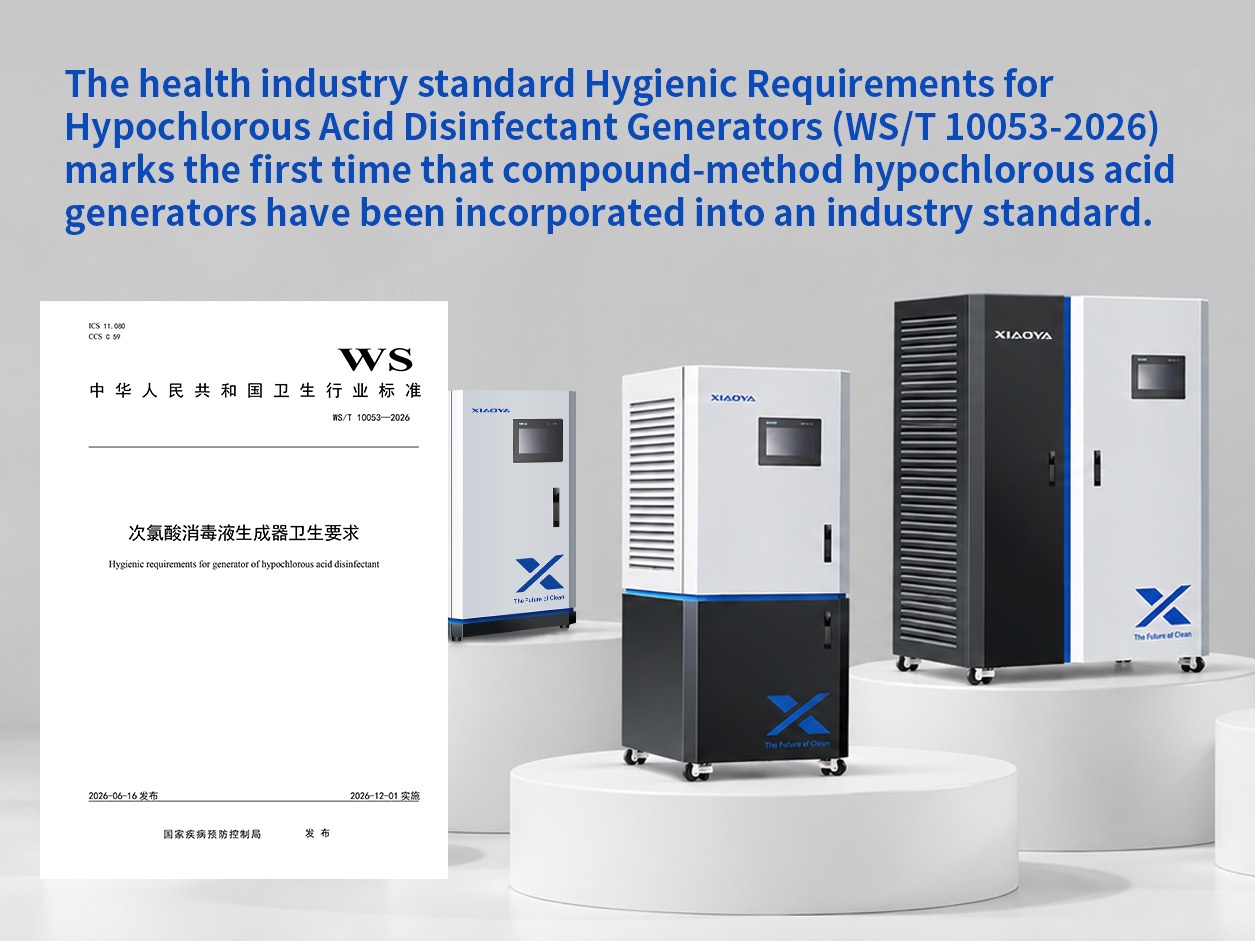
 WS/T 10053-2026 Includes the Compound Method for the First Time: Standard Signals and Market Opportunities for Mass Agricultural Production of Hypochlorous Acid Generators
 Food HClO Generator Validation: What Records Should Quality Teams Keep?
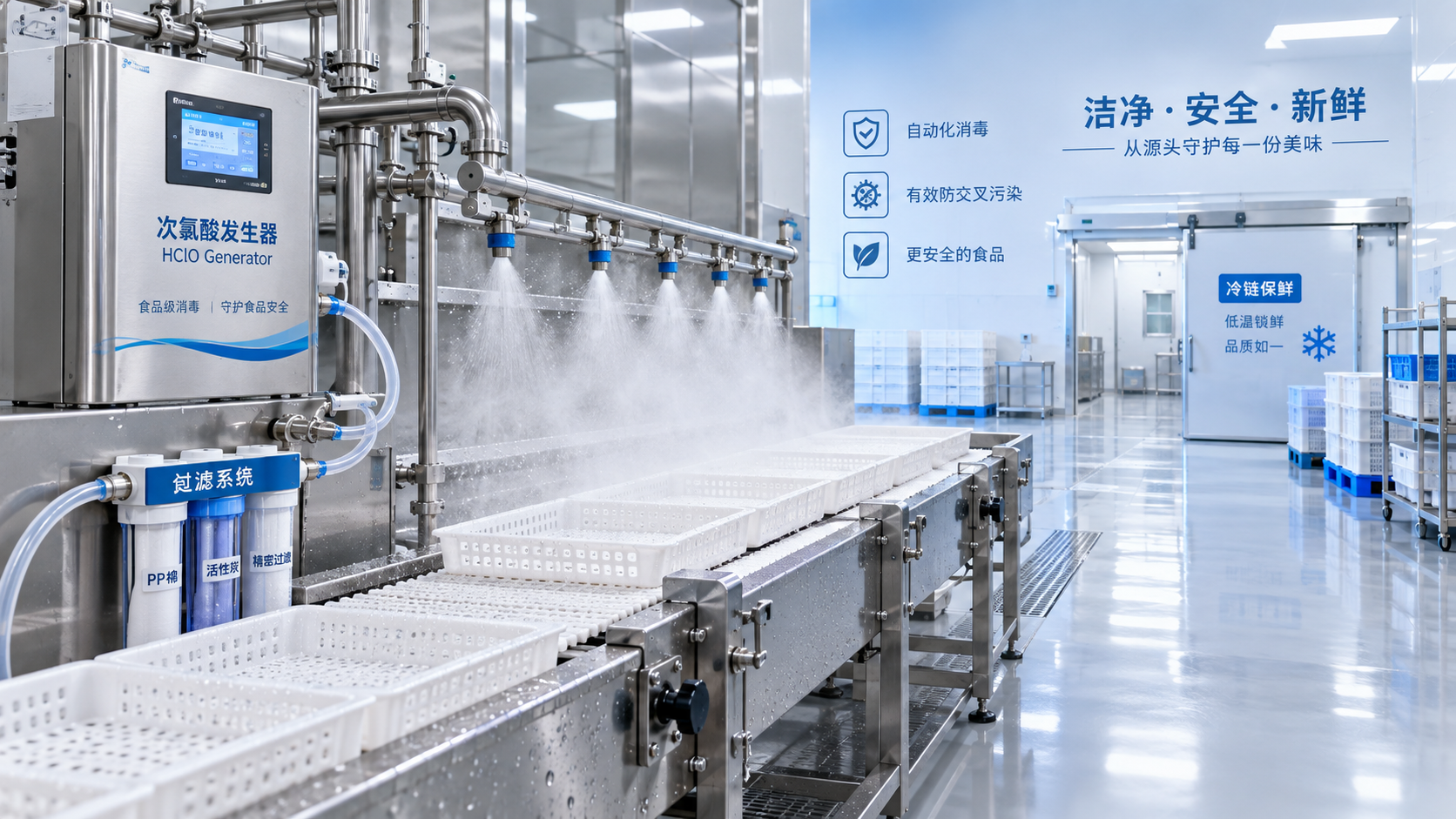
 Can a Food Hypochlorous Acid Generator Reduce Cross-Contamination Risks?
 Understanding Free Available Chlorine in Food HClO Generator Applications
- Which Food Hypochlorous Acid Generator Fits a High-Volume Packing Line?
Leave us a message

Xiaoya Group was founded in 1979,expert in the electrolyzed water industry.
Get in Touch
*We respect your confidentiality and all information are protected.