




news
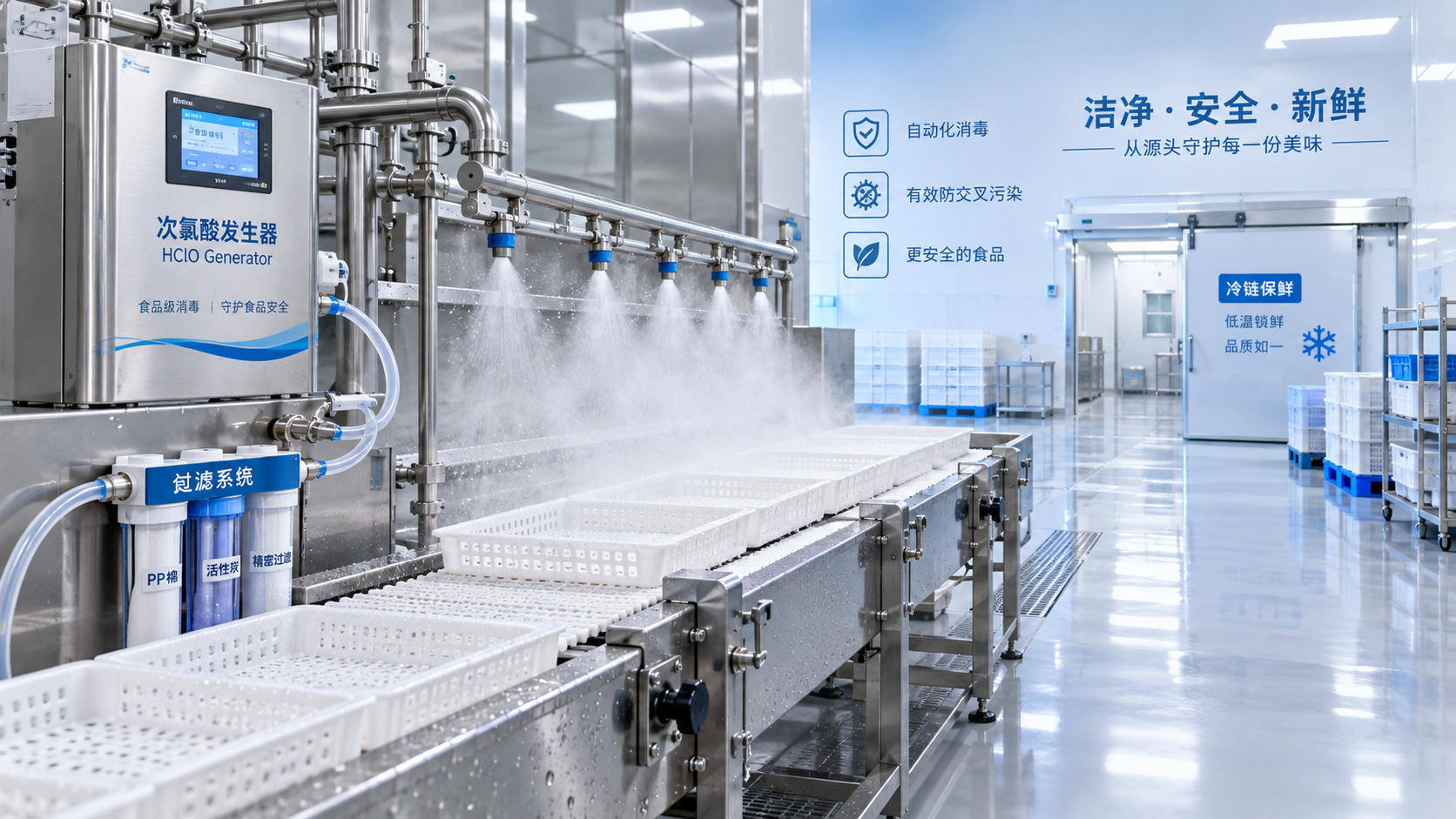
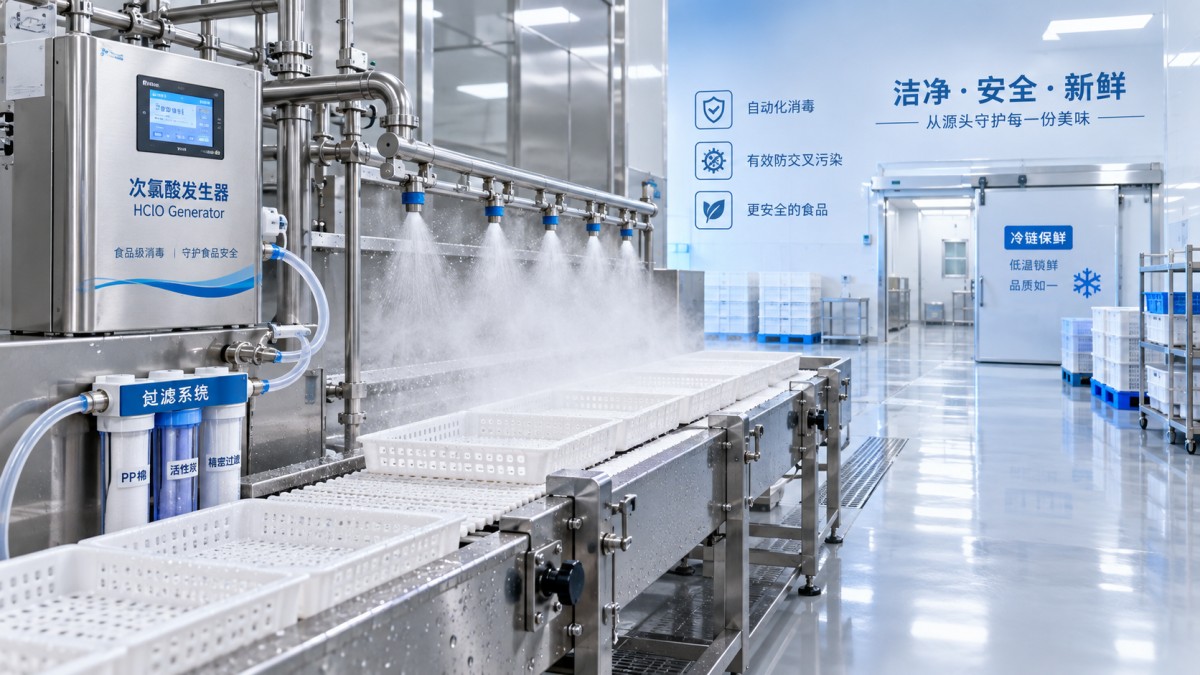
Yes. A Food Hypochlorous Acid Generator can reduce cross-contamination risks when it is built into a controlled sanitation routine rather than treated as a substitute for cleaning. On-site generation supports frequent application of hypochlorous acid water to food-contact surfaces, conveyor parts, knives, totes, drains, rinsing stations, and selected product-handling steps. Its strongest value is consistency: disinfectant water can be generated near the point of use at a concentration suited to the task, reducing reliance on manually mixed chemical batches that may vary between shifts.
Cross-contamination usually occurs through transfers, not a single obvious failure. Raw material residues can move from a cutting table to a glove, from a glove to a control button, and then to packed product or a cleaned tool. Splashing, aerosol drift, pooled water, poorly separated utensils, and incomplete cleaning of joints or belt returns create similar transfer routes. Hypochlorous acid water can interrupt these routes by lowering microbial load on surfaces and equipment between activities, but it cannot penetrate heavy organic soil or correct poor zoning.
Why on-site generation changes the sanitation routine
Hypochlorous acid is the primary active form of chlorine at an appropriate pH range. It is widely used for disinfection because it acts quickly against many microorganisms while being suitable for food-related applications when prepared and applied under validated conditions. A generator produces the solution from water, salt or electrolyte, and electricity, allowing the concentration to be adjusted for the intended use.
This matters because a prepared sanitizer does not remain equally effective under every condition. Storage time, heat, light exposure, water quality, and contamination entering an open container can affect performance. Generating solution close to use shortens the interval between production and application. It also makes it easier to align output with actual demand, such as a short sanitation interval during poultry cutting or a larger volume needed for rinse equipment after a changeover.
Automation also reduces a common source of variation: manual dilution. A disinfectant can appear correctly mixed while its available chlorine level is outside the intended range. A Food Hypochlorous Acid Generator does not eliminate verification, yet it gives the process a more repeatable production basis than ad hoc mixing and storage.
Cleaning comes before disinfection
The most frequent overestimate of hypochlorous acid performance occurs when visible soil remains on the surface. Fat, protein, blood, product debris, and biofilm residues can consume or shield the active agent. A spray applied to a visibly dirty slicer frame may wet the outside while leaving contamination protected in seams, fastener heads, hollow rollers, and under guards.
A reliable sequence separates removal of soil from microbial control:
- Remove product debris and gross soil from the area.
- Wash surfaces with the approved cleaning method, paying attention to joints, undersides, drains, and transfer points.
- Rinse where the cleaning procedure requires it, so detergent residue does not interfere with the next step.
- Apply hypochlorous acid water with enough coverage and contact time for the validated task.
- Prevent recontamination during drying, assembly, and startup by maintaining separation between raw-side and clean-side tools.
The sequence is especially important in meat processing. A low-soil stainless-steel table and a conveyor carrying protein residue may receive the same solution, but they do not present the same disinfection challenge. Surface condition determines whether the available chlorine reaches microorganisms or is consumed before it can act.
Concentration alone is not a performance verdict
Available chlorine concentration is useful for process control, but it should not be interpreted in isolation. A higher reading does not automatically mean a better outcome. The pH, freshness of the solution, contact time, water temperature, application method, and organic load all influence field performance. A concentration that is appropriate for a clean equipment surface can be unsuitable for a direct product-contact rinse or excessive for a specific material and process requirement.
Application method changes coverage as well. Soaking can reach complex removable parts, provided the solution is renewed before it becomes heavily loaded. Low-pressure rinsing is useful for defined product or container paths. Spraying is practical for broad open surfaces but can miss shadowed areas. Atomization can improve coverage in selected environments, yet droplets must be controlled so they do not drift into adjacent zones or create unwanted moisture on packaging materials.
For example, a system with a slightly acidic to near-neutral pH and adjustable available chlorine output can fit different hygiene points without forcing a single setting across the entire facility. The Hypochlorous Acid Generator for Meat Product Disinfection and Fresh-keeping is designed for poultry and livestock processing, deep meat processing, and cold-chain environments, with available chlorine concentration adjustable from 10 to 120 ppm and a pH range of 5.0 to 6.5. Those values are operating capabilities, not universal setpoints; the correct setting must match the validated application, product exposure, soil load, and local hygiene procedure.
Where cross-contamination control often breaks down
Equipment sanitation may be adequate at the start of production while transfer points remain weak. Handles, touchscreen housings, scale controls, crate wheels, hose reels, and tool storage racks are touched frequently but are often outside the main washdown scope. These points can carry contamination from a raw zone back into a cleaned area. Including them in a timed application route is more useful than adding extra sanitizer to already well-covered surfaces.
Water management needs equal attention. Hypochlorous acid water used in a spray or rinse system should not become a vehicle for redistributing soil. Reused solution, stagnant lines, dirty nozzles, and poorly drained trays can undermine the intended effect. Closed or regularly cleaned delivery lines, appropriate filtration where needed, and flushing after idle periods reduce this risk. The water supply must also meet the generator's inlet requirements; unstable pressure can affect output consistency and disrupt scheduled sanitation activities.
Cold-chain handling introduces a different issue. Low temperatures can slow some microbial activity, but cold storage does not make cross-contamination harmless. Condensation, damaged packaging, and shared handling equipment can still transfer microorganisms. Hypochlorous acid water may be applied to relevant external surfaces and selected processing points, while product-contact use must follow the established process conditions and required controls.
Verification should test the process, not just the machine
It is useful to record available chlorine and pH at the point of use, particularly after startup, extended running periods, or a major change in water supply. These checks show whether the generated solution remains within the intended operating window. They do not prove that a surface was clean or that every difficult-to-reach location received sufficient contact.
Verification should therefore combine solution checks with hygiene observations and the facility's established microbiological or rapid-cleanliness monitoring methods. Sampling locations should include suspected transfer points, not only smooth, easily cleaned panels. When a recurring result appears near a conveyor return, drain edge, or crate washer exit, the response should examine cleaning access, water accumulation, nozzle direction, traffic flow, and reassembly practices before assuming the generator output is inadequate.
Maintenance has a direct bearing on sanitation reliability. Electrolyzer condition, electrolyte supply, inlet-water quality, scale buildup, filters, pump performance, and spray hardware all affect the delivered solution. A unit capable of producing 160 to 300 L/h may match a continuous processing line, but actual demand must include rinse points, sanitation intervals, peak use, and losses from flushing. Undersizing can lead to diluted coverage or skipped applications during the busiest periods.
Hypochlorous acid generation reduces cross-contamination most effectively when it is assigned to specific transfer routes, produced at verified conditions, and applied after thorough soil removal. It is a controllable sanitation tool, not a blanket guarantee. The result depends on whether the solution reaches the right surface, remains active long enough, and is protected from being defeated by poor cleaning, poor drainage, or uncontrolled movement between zones.
NEWS
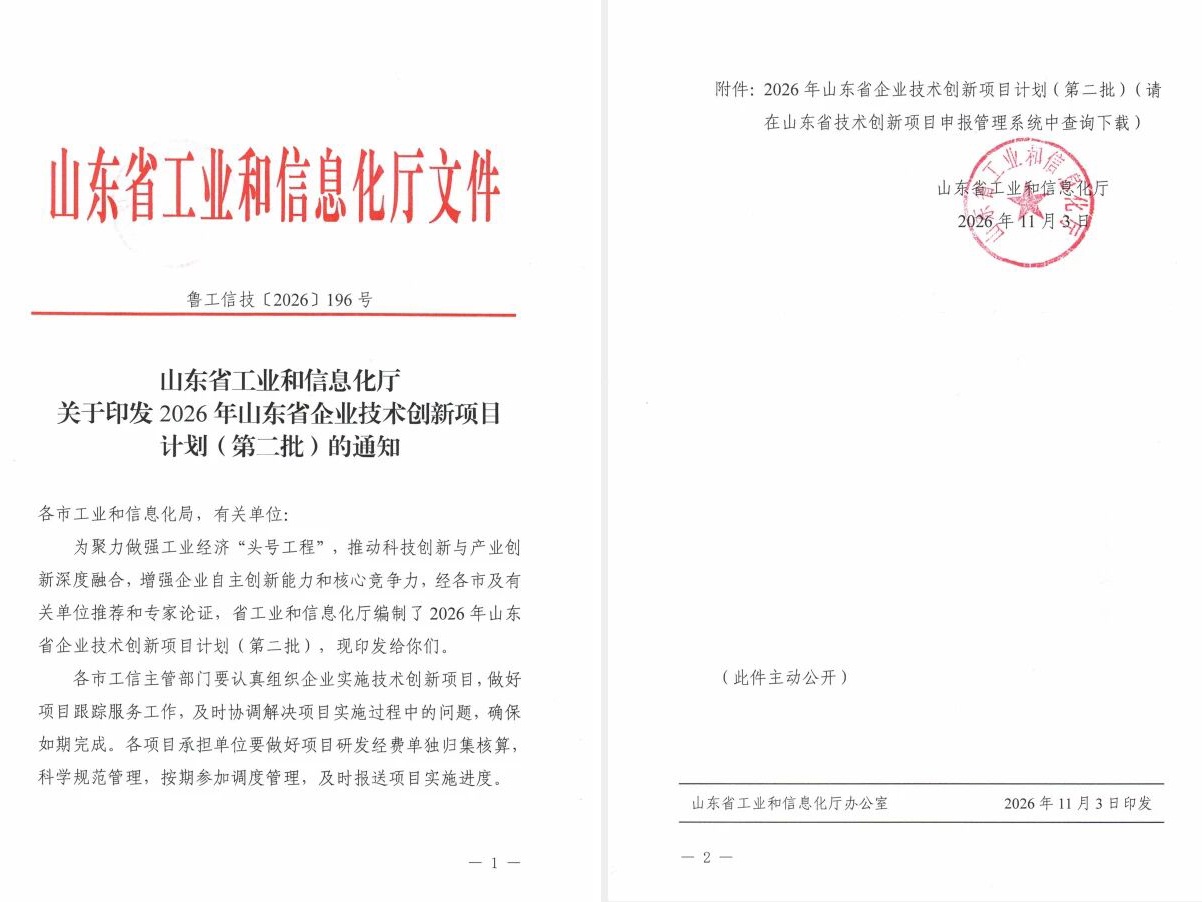
 Industry-Academia Collaboration Drives Breakthrough: Xiaoya Small Appliances’ "Smart Adaptive Hypochlorous Acid Electrolysis Module" Approved Under Shandong Provincial Enterprise Technology Innovation Program
- Struggling with Strict Pesticide Residue Limits on Export Farms? This On-Site Disinfection Solution Helps Safeguard Your Quality Standards
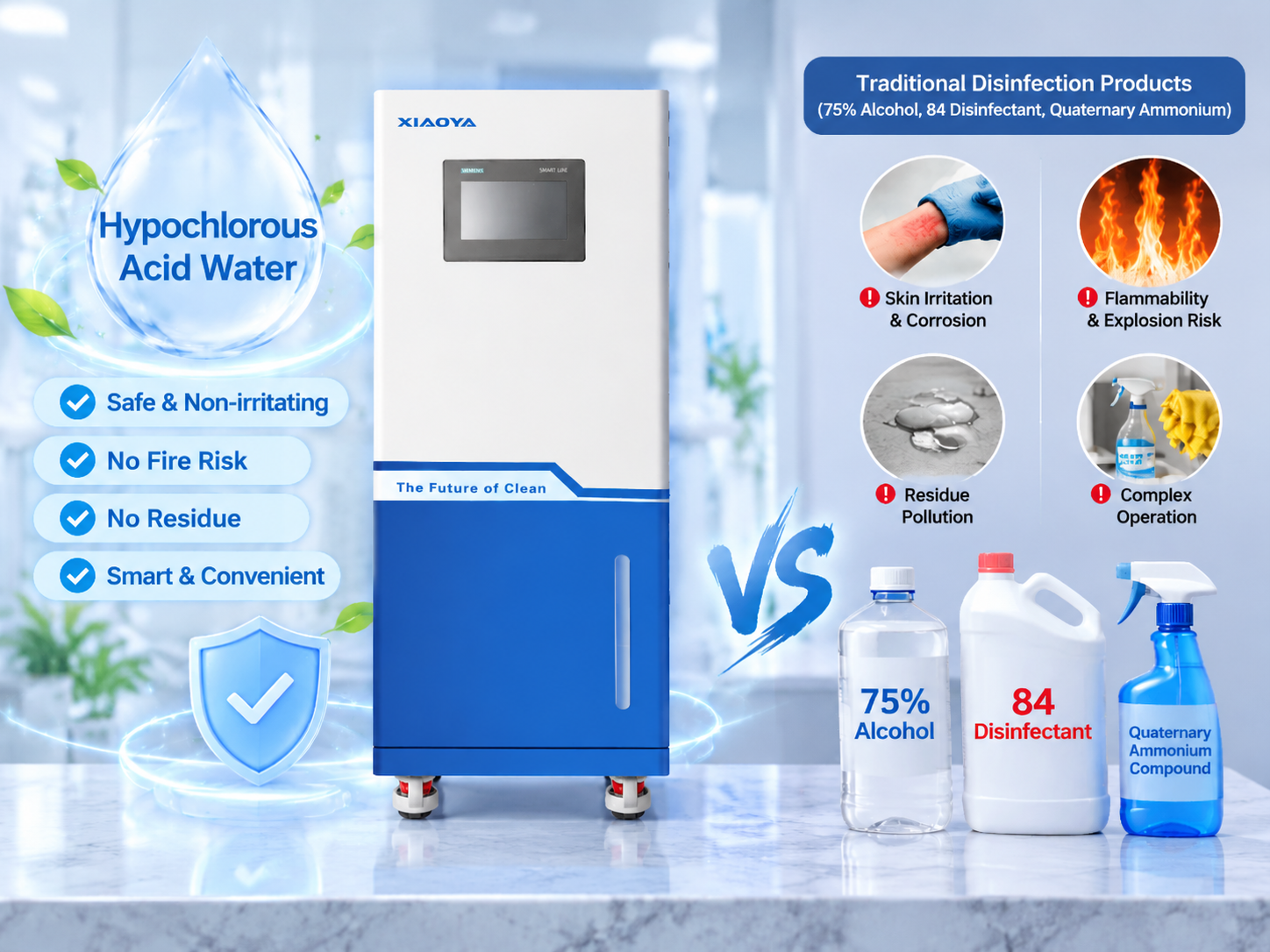
- Hypochlorous Acid Water vs. Traditional Disinfectants
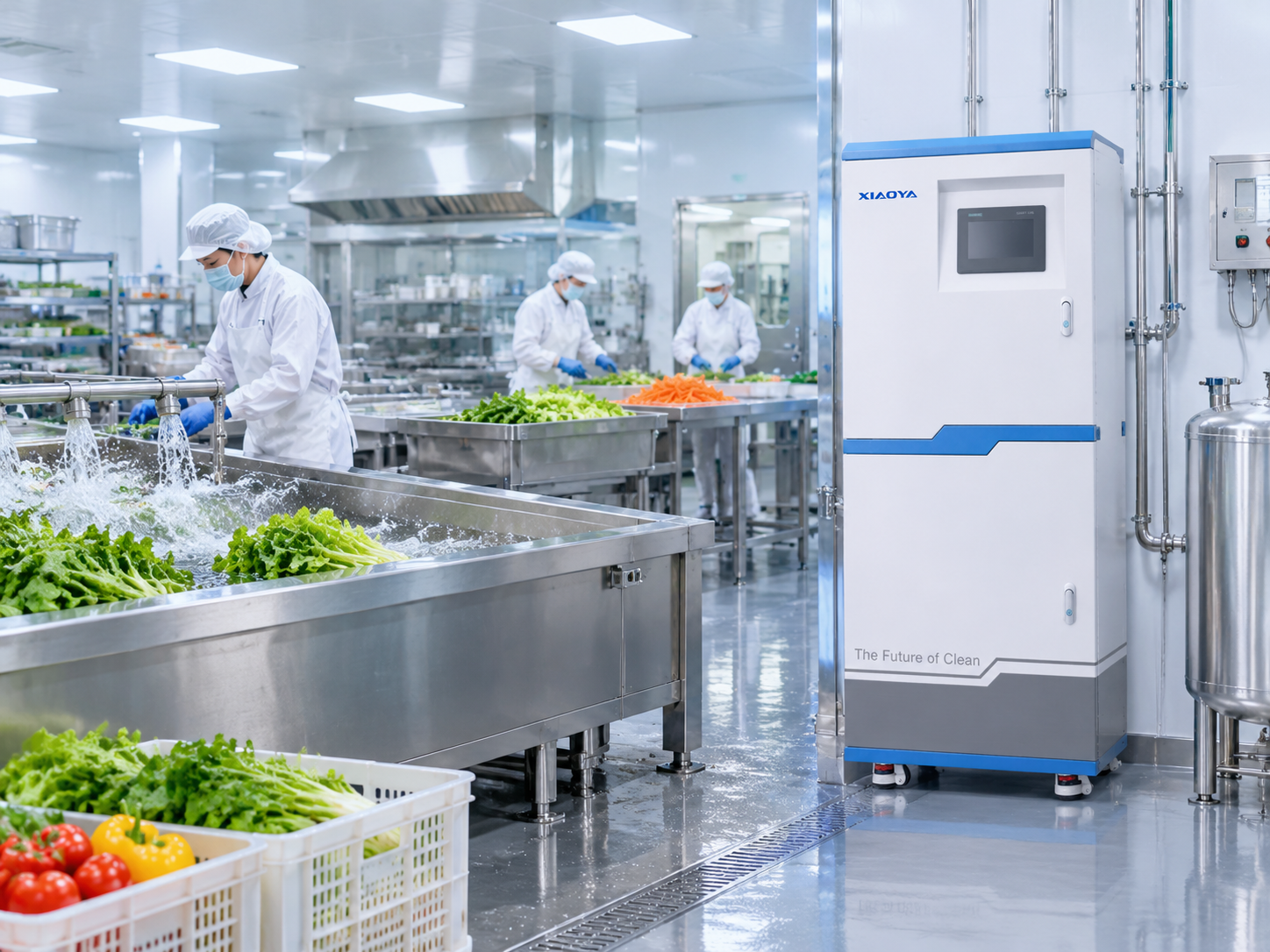
- Tighter Standards Force Disinfection Upgrades: Edible-Salt Hypochlorous Acid Generators Become the "New Standard" in Fresh-Cut Produce Processing
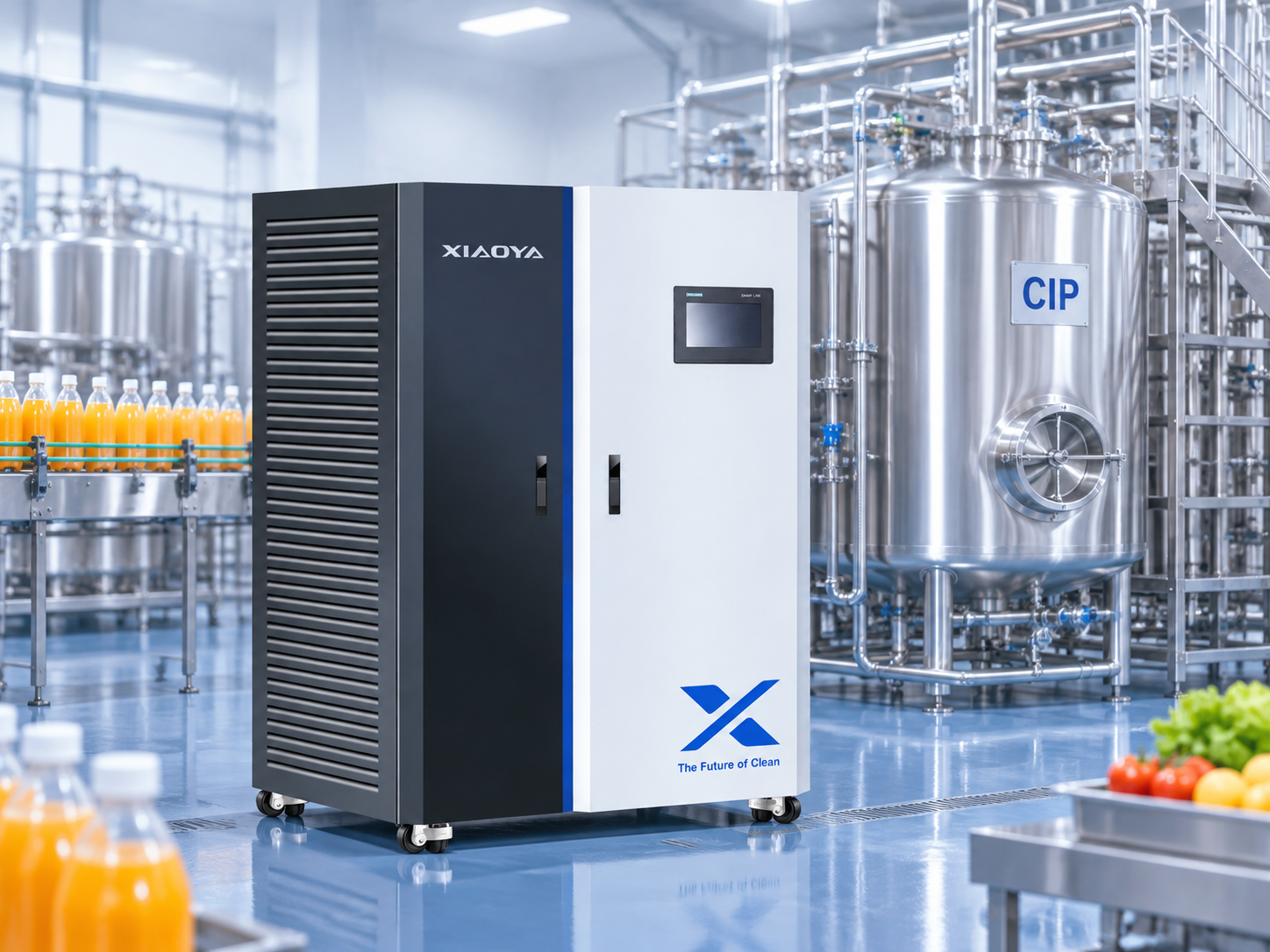
- XIAOYA CIP Electrolyzed Water Generators: On-Site Generation for Food & Beverage CIP Cleaning and Disinfection
Leave us a message

Xiaoya Group was founded in 1979,expert in the electrolyzed water industry.
Get in Touch
*We respect your confidentiality and all information are protected.