In response to policies on agricultural green transformation and quality safety control, and to address industry pain points such as overuse of chemical pesticides and veterinary drugs, soil and water pollution, and high disease incidence in traditional farming and aquaculture, slightly acidic hypochlorous acid water green disinfection technology has been scaled up for full-scenario application in crop cultivation and aquaculture. Leveraging electrochemical green technology, it builds a new model of ecological planting and breeding, helping to upgrade regional agricultural new quality productive forces.
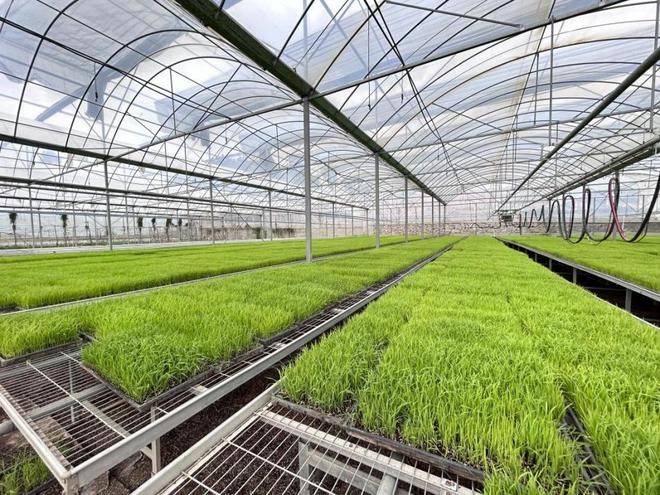
In agricultural planting, hypochlorous acid water is fully adaptable to the entire production cycle of greenhouse vegetables and field crops. With its broad-spectrum disinfection properties, it can be used for soil disinfection, seed soaking, foliar disease prevention, and post-harvest preservation. It effectively alleviates continuous cropping obstacles in greenhouses, controls common diseases such as powdery mildew and root rot, and can replace 30–50% of chemical pesticides, significantly reducing pesticide residue risks from the source. When prepared via electrolysis of potassium chloride, the hypochlorous acid water enables simultaneous disinfection and potassium supplementation, improving soil quality, preventing soil compaction, and boosting crop yields by 10–15%. It is suitable for various cash crops including tomatoes and fruits and vegetables, balancing farming profitability with long-term arable land protection.
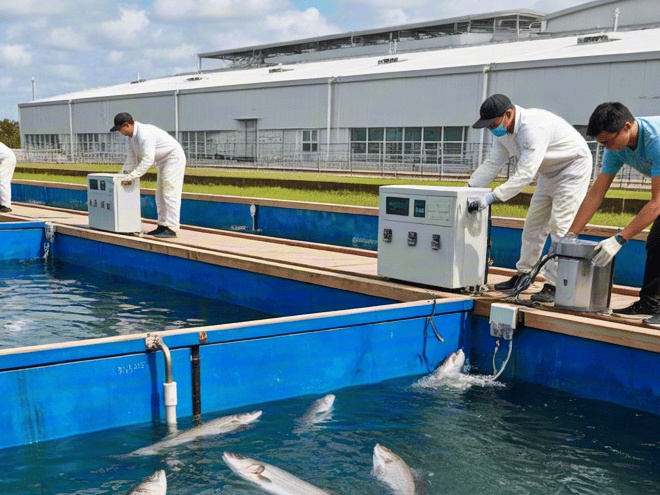
In aquaculture, hypochlorous acid water has become a core solution for antibiotic-free farming. Compared with traditional chemical agents, it can inactivate harmful microorganisms such as Vibrio and pathogenic bacteria in water within 15 seconds, achieving a Vibrio kill rate of 99.9%. It can replace over 80% of aquatic antibiotics and effectively reduce the incidence of aquatic diseases by more than 30%. At the same time, it degrades ammonia nitrogen and nitrite in water, optimizes the sediment and water environment, and increases the survival rate of fry and shrimp larvae by 25–40%. Farmed aquatic products are free of drug residues and meet compliance standards, removing green trade barriers for export. After degradation, the aquaculture wastewater can be recycled, greatly reducing non-point source pollution in waters.
It is worth noting that hypochlorous acid water can be produced on-site using only water and table salt as raw materials. After use, it reverts to water and trace salts, leaving no residues and causing no biological resistance, with low operation and maintenance costs. This technology delivers ecological, economic, and social benefits: it reinforces the bottom line of food safety for agricultural products, supports the creation of green agricultural brands, reduces agricultural chemical inputs, lowers production costs, and aligns with the requirements of eco-circular agriculture. It provides a replicable and scalable technological pathway for the standardized and green development of regional planting and breeding industries.
NEWS
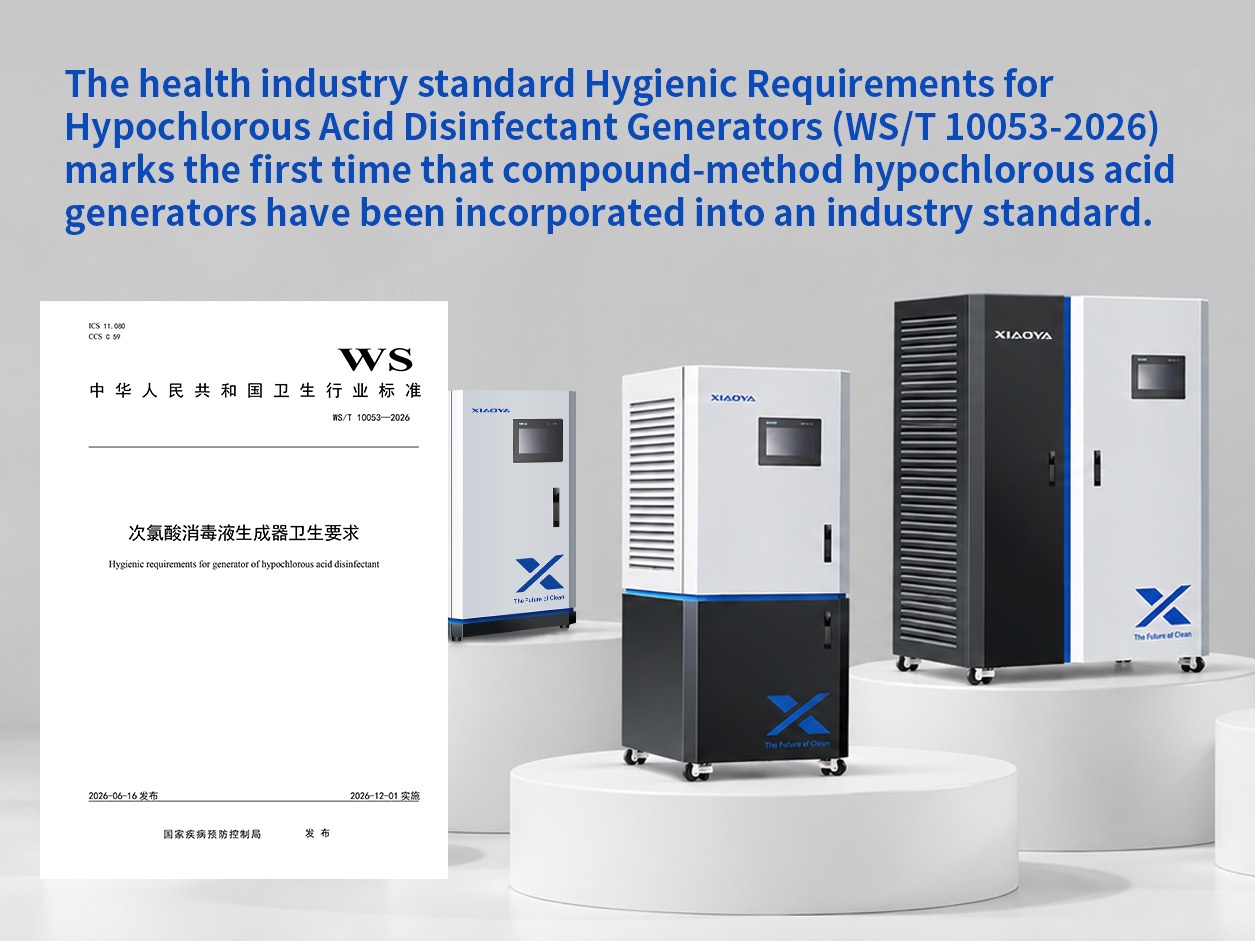
 WS/T 10053-2026 Includes the Compound Method for the First Time: Standard Signals and Market Opportunities for Mass Agricultural Production of Hypochlorous Acid Generators
 Evaluating HClO Generator Lifecycle Costs Beyond the Initial Equipment Price
 HClO Generator pH Control: Why It Determines Disinfection Performance
- Which Safety Features Matter Most When Buying an HClO Generator?
 Troubleshooting Low ORP Readings on a Hypochlorous Acid Machine
Leave us a message

Xiaoya Group was founded in 1979,expert in the electrolyzed water industry.
Get in Touch
*We respect your confidentiality and all information are protected.