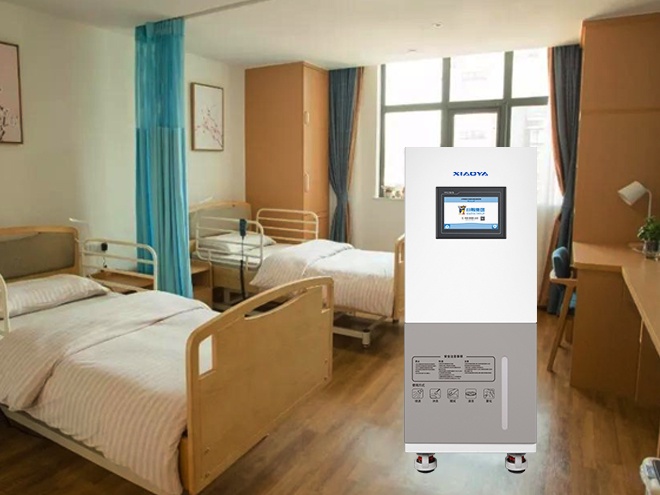
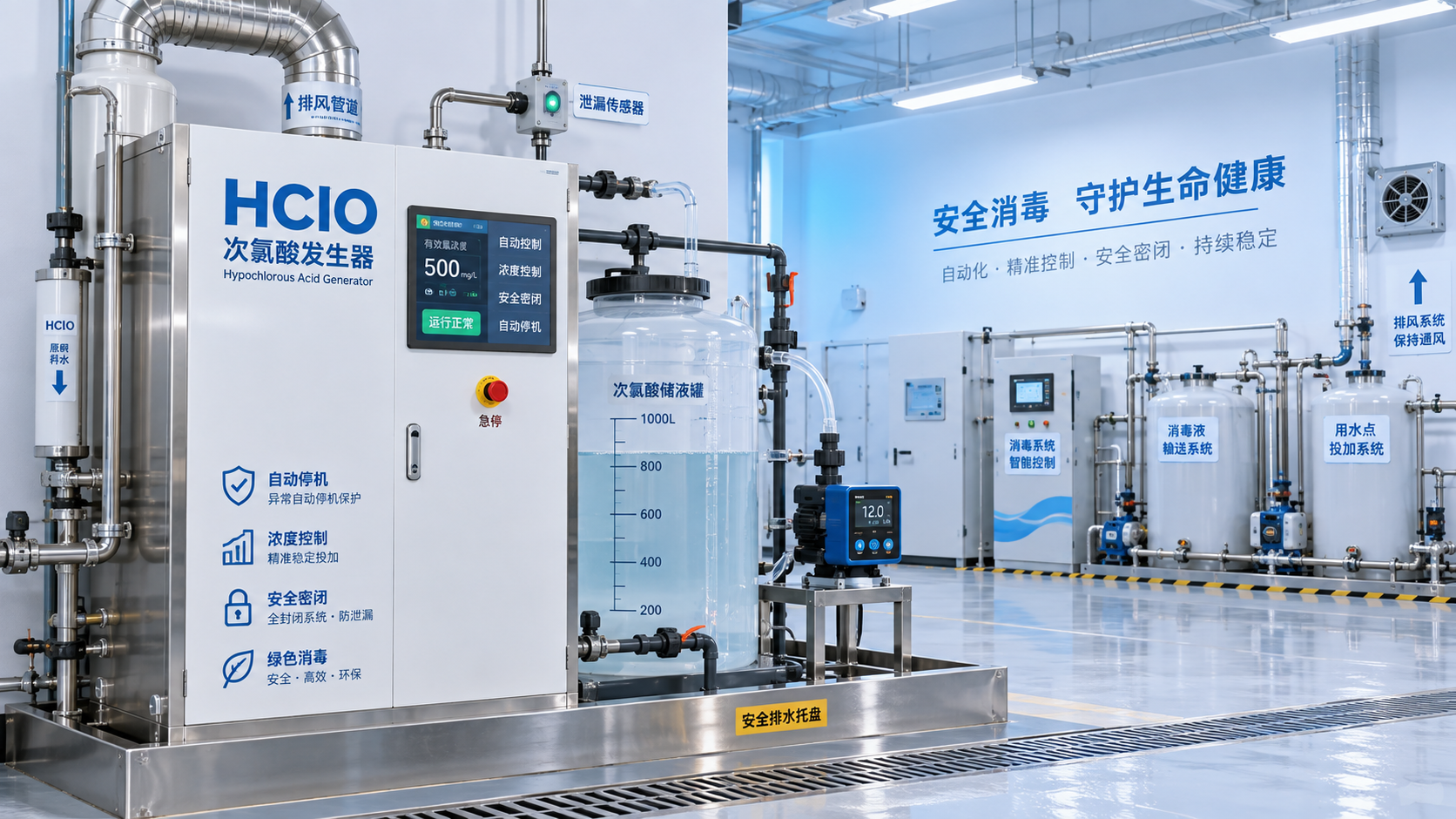
To optimize the health and care environment within the nursing home, reduce the risk of cross-infection among elderly residents, and address the shortcomings of traditional disinfection methods—such as strong irritation, the need for personnel evacuation, and incompatibility with ongoing care—the facility has recently rolled out a food-grade mildly acidic hypochlorous acid water disinfection system across all areas. Through safe and standardized disinfection practices, we comprehensively protect the physical and mental health of independent, semi-dependent, and bedridden residents, reinforcing the facility’s health and hygiene defense line.
Older adults generally have weaker immunity and a higher prevalence of underlying diseases. Traditional alcohol and chlorine-based disinfectants (e.g., 84 disinfectant) are highly irritating and corrosive, easily damaging the respiratory tract and skin of the elderly. Moreover, these agents require staff and residents to leave the area during application, making them unsuitable for high-frequency disinfection in nursing homes. The mildly acidic hypochlorous acid water (pH 5.5–6.5) used in this system has a composition similar to the body’s own bactericidal substances. It offers broad-spectrum antimicrobial activity, is non-toxic and residue-free, allows human-machine coexistence, and integrates deodorization with disinfection. It effectively inactivates pathogens such as influenza virus, norovirus, and drug-resistant bacteria, making it ideal for all scenarios within the nursing home.
Based on the functional zoning of the facility, we apply graded and quantified concentrations to achieve full coverage across all care settings. For environmental disinfection, a concentration of 100–200 mg/L is used on high-touch surfaces such as bed rails, wheelchairs, and door handles. Atomized airborne disinfection can operate with people present, decomposing "old-person odor" and urine smells while improving indoor air quality. For resident care, a low concentration of 50 mg/L stock solution is applied for hand and skin cleansing, helping prevent bedsores and dermatitis, and is safe for gentle cleaning of superficial wounds without irritating the skin. For catering and textiles, a 100 mg/L solution is used to disinfect tableware, bedding, and clothing, leaving no residue and requiring no secondary rinsing. In the event of contamination by vomit or excrement, a higher-concentration stock solution is deployed for emergency disinfection to block pathogen transmission.
At the same time, the nursing home has established a dedicated disinfection standard operating procedure (SOP), specifying concentration ratios, routine daily disinfection, weekly full-facility deep disinfection, and clear responsibilities for each post. A disinfection log system has been set up to ensure standardized and traceable operations.
All staff have completed comprehensive training on the new system, and safety protocols—such as storage away from light and prohibition of mixing with alkaline cleaners—are strictly enforced to guarantee compliant and safe disinfection practices.
The director of the nursing home stated that this upgrade in disinfection medium represents a significant advancement in refined care services. Moving forward, the facility will continue to implement standardized disinfection procedures, further optimize the health environment, and provide warm, professional services to ensure a comfortable and secure living experience for all senior residents.
NEWS
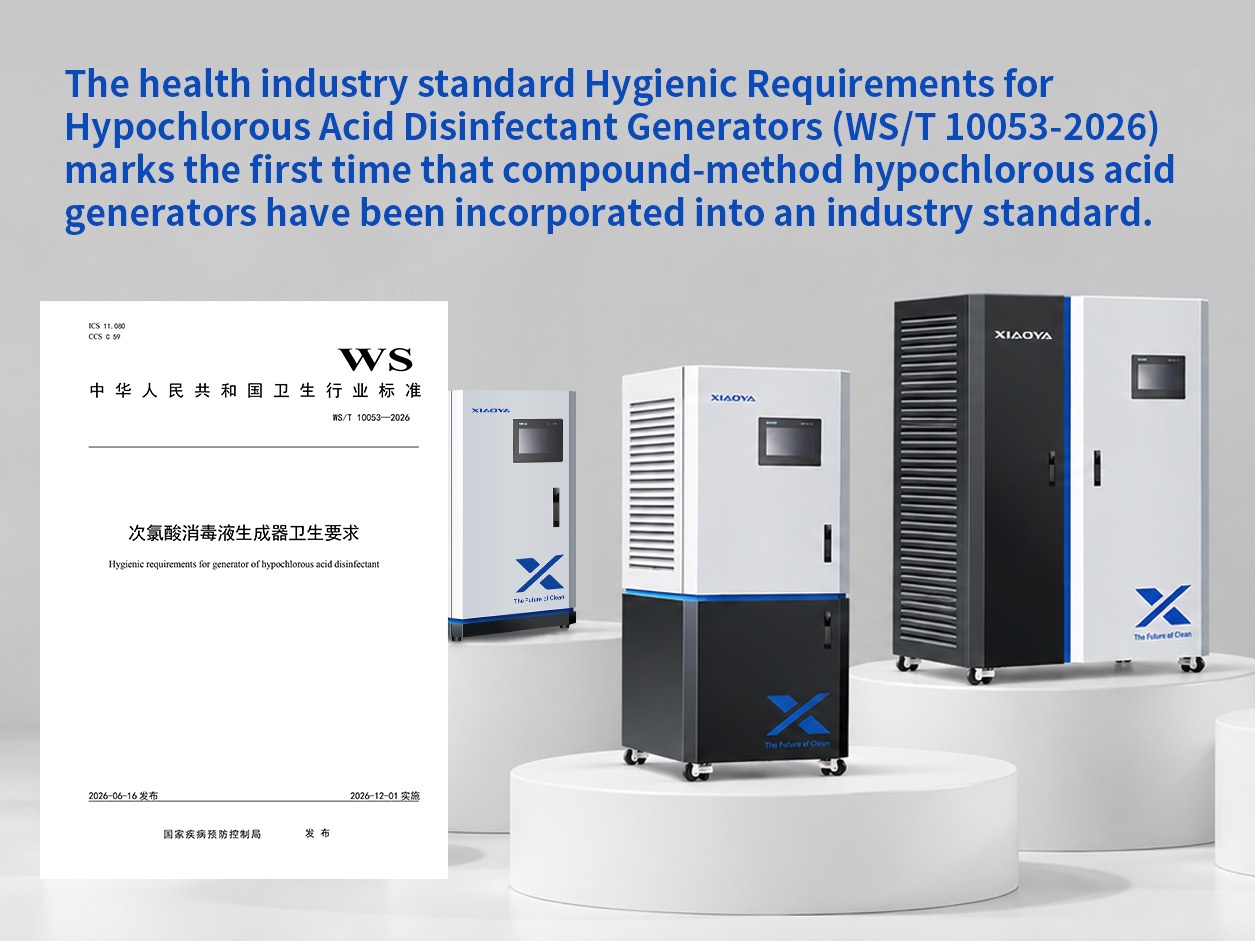
 WS/T 10053-2026 Includes the Compound Method for the First Time: Standard Signals and Market Opportunities for Mass Agricultural Production of Hypochlorous Acid Generators
 Evaluating HClO Generator Lifecycle Costs Beyond the Initial Equipment Price
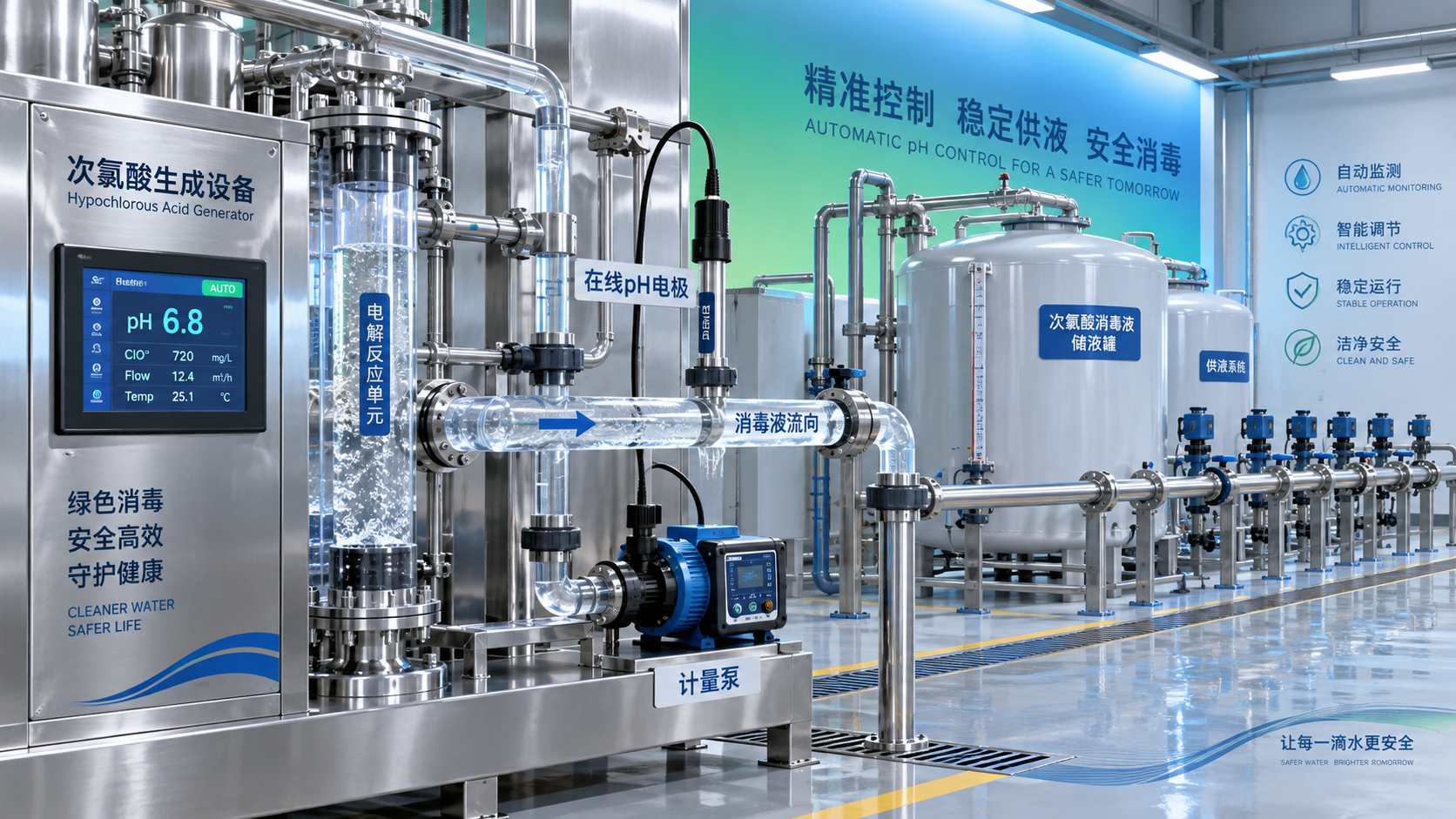
 HClO Generator pH Control: Why It Determines Disinfection Performance
- Which Safety Features Matter Most When Buying an HClO Generator?
 Troubleshooting Low ORP Readings on a Hypochlorous Acid Machine
Leave us a message

Xiaoya Group was founded in 1979,expert in the electrolyzed water industry.
Get in Touch
*We respect your confidentiality and all information are protected.