news
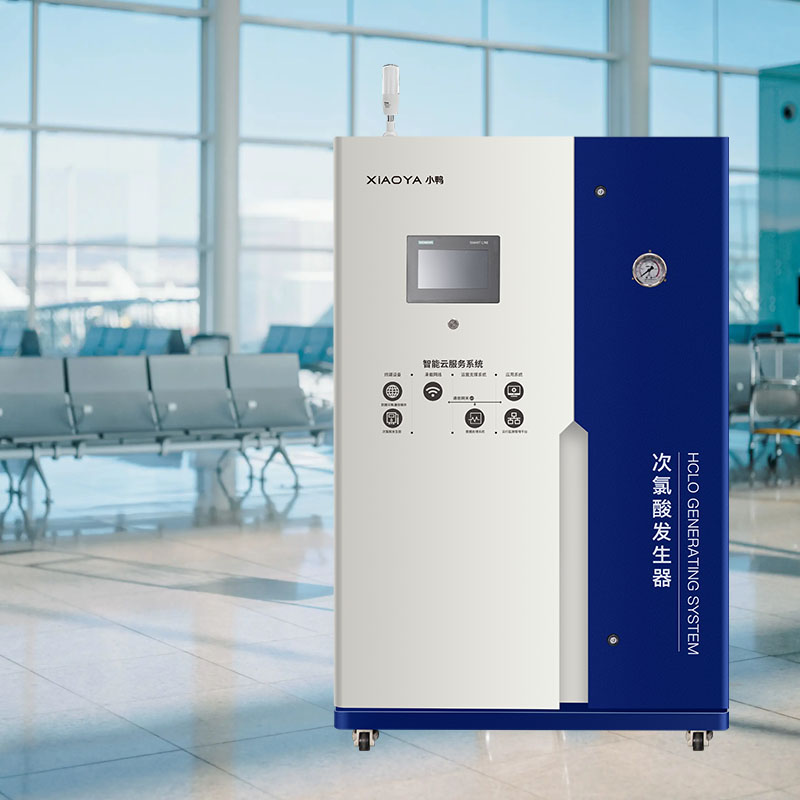
Choosing the right hypochlorous acid hocl generator is a technical decision with direct consequences for dosing accuracy, automation compatibility, maintenance load, and long-term operating cost. For evaluators in automated equipment environments, the core question is not simply whether batch or continuous flow generation works, but which system better matches required output stability, response speed, installation conditions, and disinfection workflow across healthcare, appliance, and clean energy applications.
In practical terms, batch systems are often easier to deploy and control in intermittent-use scenarios, while continuous flow systems usually perform better where stable, uninterrupted production and integration with automated lines are priorities. The best choice depends on how often disinfectant is needed, how tightly concentration must be controlled, and how the generator will connect with downstream equipment.
What Technical Evaluators Are Really Comparing
When technical teams search for a hypochlorous acid hocl generator, they are usually comparing more than disinfection capability. They want to understand concentration consistency, pH control, throughput, control architecture, component life, and total system integration burden.
They are also concerned about whether the generator can support real operating conditions. That includes variable demand, water pressure fluctuations, operator skill differences, sanitation requirements, and compatibility with industrial automation or medical-use workflows.
For this reason, the batch versus continuous flow discussion should be framed as an engineering decision. The better system is the one that maintains effective hypochlorous acid output with the least operational friction and the lowest process risk.
How Batch HOCL Generator Systems Work
A batch hypochlorous acid hocl generator produces a defined volume of solution in one production cycle. Water, electrolyte, and electrolysis time are controlled to generate a target concentration, and the finished solution is then stored or discharged for use.
This design is straightforward and often easier to validate during initial procurement. Technical evaluators can measure output concentration per cycle, confirm pH range, and estimate consumption against a known tank volume or scheduled disinfection routine.
Batch systems are commonly selected where usage is periodic rather than constant. Examples include scheduled equipment sanitation, room turnaround disinfection, or small-to-medium facilities with predictable cleaning intervals instead of continuous demand.
Where Batch Systems Perform Well
The main advantage of batch equipment is controllability in low- to medium-frequency use cases. Because the system generates in discrete cycles, operators can align production with cleaning schedules and avoid running the unit continuously when demand is limited.
Batch systems also tend to simplify installation. In many cases, they require less complex line integration, fewer flow-control dependencies, and easier operator training. That can reduce commissioning time, especially where the disinfection process is not fully automated.
Another practical advantage is procurement clarity. It is often easier to compare rated capacity, tank size, electrolyte consumption, and cycle time in a batch system because the output is defined in separate production events rather than dynamic real-time flow conditions.
However, batch designs have limits. Stored solution may experience concentration drift over time, especially if usage timing, storage conditions, or exposure factors are not tightly managed. For evaluators, this creates a performance-control issue rather than a simple capacity issue.
How Continuous Flow Systems Differ
A continuous flow hypochlorous acid hocl generator produces disinfectant in real time as water moves through the electrolysis process. Instead of generating one fixed batch and holding it, the system continuously supplies solution to match downstream demand.
This architecture is especially valuable in automated environments where disinfection is integrated into process lines, circulation loops, or equipment that requires steady and repeatable chemical delivery. The system can respond faster to changing demand without waiting for another batch cycle.
Continuous flow systems are usually favored when output stability matters more than simple production convenience. In healthcare and advanced manufacturing settings, stable concentration and uninterrupted availability can be more important than a lower initial equipment complexity.
Why Continuous Flow Often Fits Automation Better
For technical evaluators in automation-heavy industries, continuous flow systems usually offer stronger alignment with PLC control, remote monitoring, dosing coordination, and real-time process management. They are built for connected operation rather than standalone generation.
They can also reduce the operational uncertainty associated with storing prepared disinfectant. Because the solution is generated closer to the point of use, the system helps preserve effective activity and supports more consistent disinfection performance.
That said, continuous flow designs place greater demands on system matching. Water quality, pressure stability, control logic, line architecture, and maintenance discipline all have a larger influence on final performance. A technically superior design still needs correct integration to deliver its advantages.
Key Evaluation Criteria Beyond the Batch vs Continuous Debate
In real procurement reviews, the most useful comparison criteria go beyond system category. Concentration range, pH stability, response time, maintenance interval, service life of the electrolyzer, and control-system maturity should carry more weight than labels alone.
Evaluators should also ask how the unit behaves during operating fluctuations. Can it maintain target concentration when demand rises suddenly? How quickly can it recover after standby? Does the control system compensate for inlet pressure variation or electrolyte changes?
Compliance and safety matter as well, especially in healthcare-related applications. Electromagnetic compatibility, medical qualification where required, and reliable operation under regulated sanitation standards can determine whether a system is practical for deployment, not just technically impressive.
A Practical Example in Dental Pipeline Disinfection
In dental waterline and pipeline disinfection, technical requirements are unusually specific. The generator must deliver stable concentration, protect precision components, and integrate with treatment workflows without creating residue, corrosion, or excessive operator intervention.
One relevant example is Hypochlorous Acid Generator for Dental Chair Pipeline Disinfection. This model, XY-SAEW-300W, is designed for stomatological hospitals, dental clinics, and outpatient dental environments where line hygiene and process reliability are critical.
Its rated generation capacity is 300 L/h, with pH 6.37 and effective chlorine concentration of 68.9 mg/L. For evaluators, these figures matter because they indicate a controlled disinfection profile suited to sensitive treatment settings rather than generic sanitation use.
The equipment also reflects what many buyers now expect from automation-ready systems: PLC control, modular configuration, concentration adjustment, and a 4G module for remote operation from mobile or computer terminals. Those features reduce monitoring friction and support centralized oversight.
In addition, the system emphasizes instant generation, biofilm penetration, non-corrosive performance, and compatibility with different dental chairs. That combination is valuable where technical teams need both disinfection effectiveness and protection of pipelines and precision components.
When Batch Is the Better Choice
Batch systems are usually the better choice when usage is intermittent, demand volume is moderate, and technical teams want a simpler deployment path. They also fit environments where operators can schedule production and where storage time can be tightly controlled.
If the disinfection routine follows fixed cycles and the site does not require real-time line integration, a batch generator may offer sufficient performance with lower implementation complexity. This is often a reasonable path for smaller facilities or secondary sanitation applications.
The main condition is that concentration stability after generation must still meet the operational requirement. If storage, timing, or handling introduces too much variability, the apparent simplicity of batch production can become a process weakness.
When Continuous Flow Is the Better Choice
Continuous flow systems are typically the better option when disinfection demand is frequent, variable, or tightly linked to automated equipment. They are especially suitable where process continuity, dosing repeatability, and remote supervision are central requirements.
They also make sense where the cost of inconsistent disinfectant quality is high. In medical equipment, integrated appliance manufacturing, and other controlled environments, stable generation at the point of use can reduce quality risk and improve operational predictability.
For technical evaluators, the deciding factor is often not peak output alone, but whether the system can sustain target performance over time with acceptable maintenance effort and dependable control behavior.
Final Assessment for Technical Buyers
There is no universal winner between batch and continuous flow hypochlorous acid hocl generator systems. Batch designs are often better for simpler, scheduled, and lower-frequency disinfection tasks. Continuous flow systems are generally stronger where automation, consistency, and immediate availability are essential.
The most effective evaluation approach is to map generator type to real operating conditions: demand pattern, required concentration stability, control integration level, maintenance capability, and compliance expectations. That is what turns a broad product comparison into a reliable engineering decision.
For buyers in healthcare, appliance, and clean energy manufacturing environments, the right system is the one that delivers disinfection performance without adding process instability. In that sense, generator selection is less about category preference and more about fit, control, and long-term reliability.
NEWS
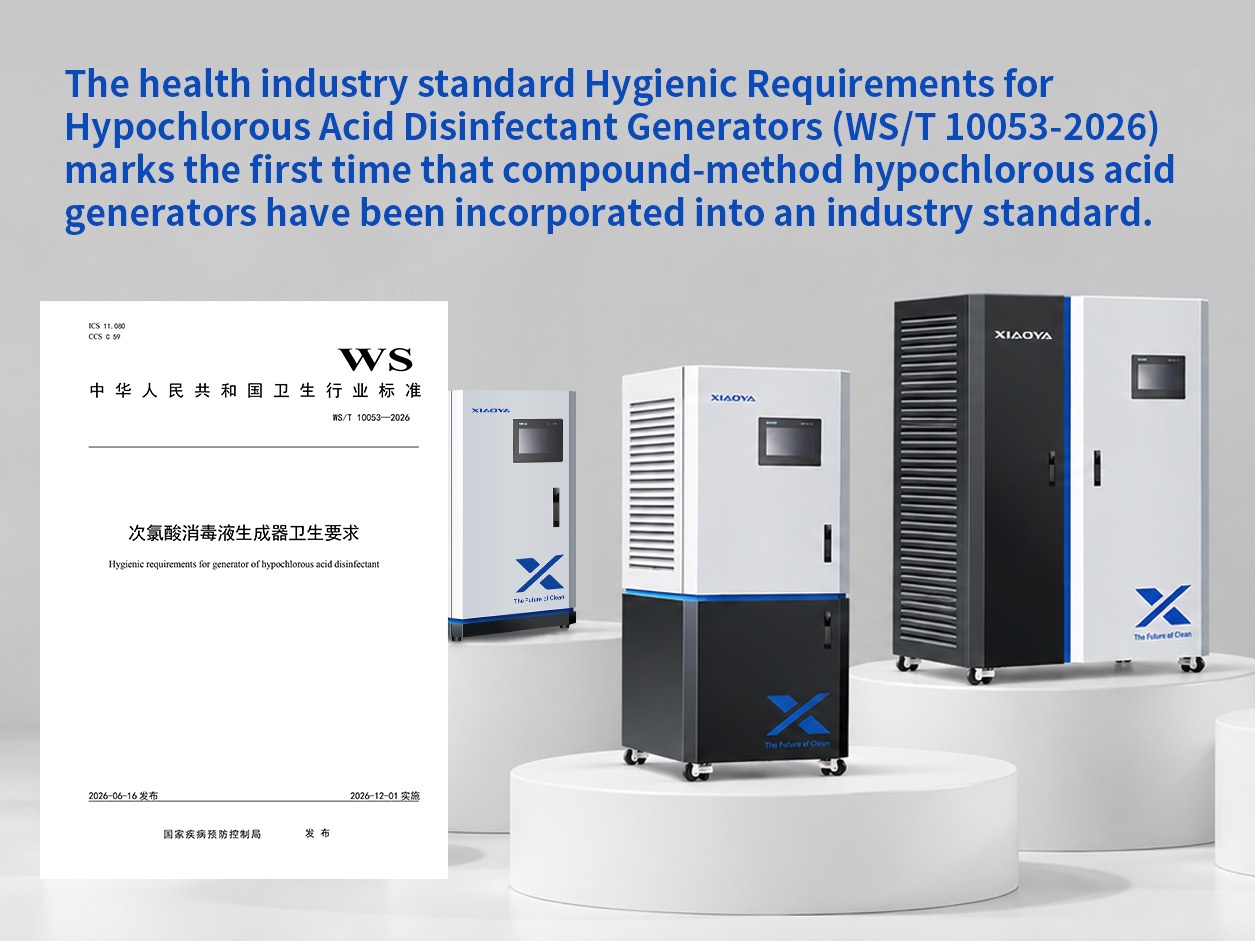
 WS/T 10053-2026 Includes the Compound Method for the First Time: Standard Signals and Market Opportunities for Mass Agricultural Production of Hypochlorous Acid Generators
 Evaluating HClO Generator Lifecycle Costs Beyond the Initial Equipment Price
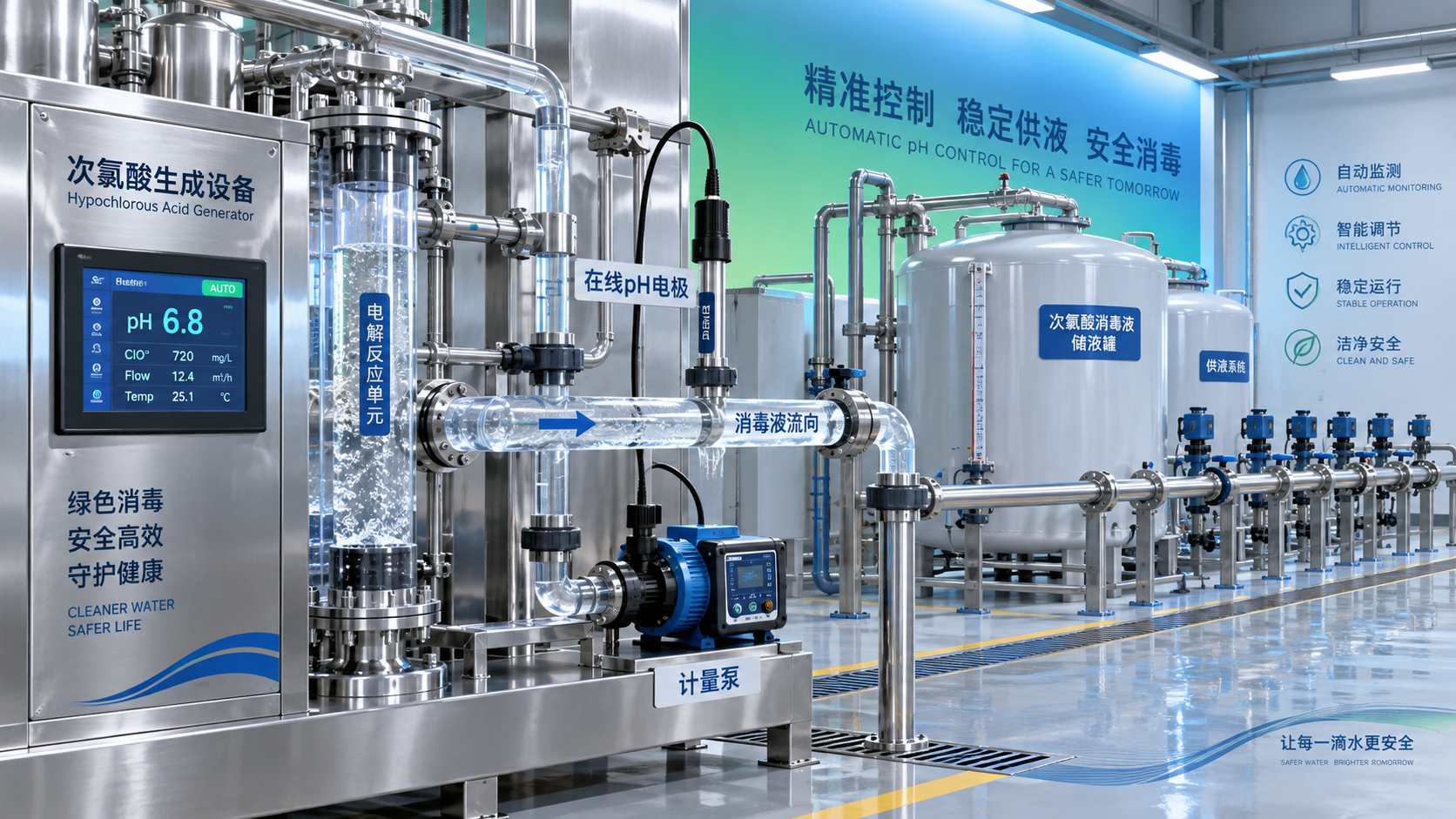
 HClO Generator pH Control: Why It Determines Disinfection Performance
- Which Safety Features Matter Most When Buying an HClO Generator?
 Troubleshooting Low ORP Readings on a Hypochlorous Acid Machine
Leave us a message

Xiaoya Group was founded in 1979,expert in the electrolyzed water industry.
Get in Touch
*We respect your confidentiality and all information are protected.