news
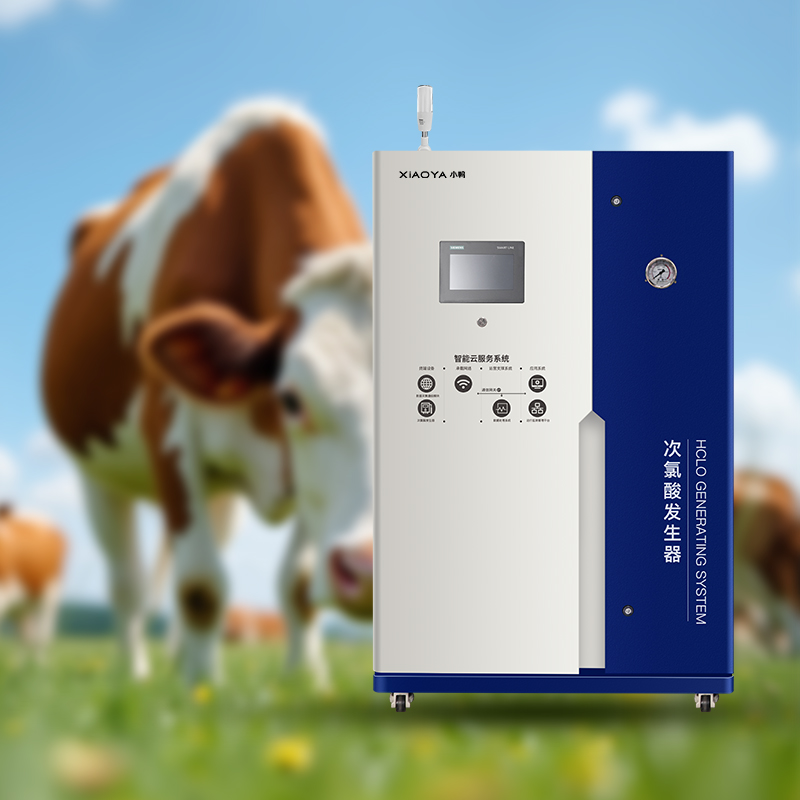
Animal husbandry disinfection protocols should be reviewed and updated regularly to match changing disease risks, equipment upgrades, and operational demands. For project managers and engineering leaders, a well-timed update is not only about compliance but also about improving efficiency, biosecurity, and long-term system performance. This article explores how often Animal husbandry disinfection standards should be revised and what factors should drive those decisions.
How often should Animal husbandry disinfection protocols be updated in practice?
For most livestock facilities, Animal husbandry disinfection protocols should be formally reviewed at least every 6 to 12 months. That interval works as a baseline for poultry houses, swine farms, calf units, feed access zones, transport loading points, and utility rooms where automated spraying or fogging equipment is used. A scheduled review helps project managers compare actual site conditions with the original design assumptions, chemical dosing settings, labor inputs, and equipment utilization cycles.
However, a calendar-based review is only the minimum requirement. A protocol may need immediate revision within 24 to 72 hours after a disease event, a failed sanitation audit, a major ventilation retrofit, or a change in water quality. In automated facilities, even a 10% to 15% variation in dosing accuracy, contact time, or nozzle performance can affect consistency across multiple barns or process zones.
From an engineering perspective, the update frequency should match risk level. High-density production sites, multi-building farms, and facilities with daily vehicle turnover often need quarterly checks. Lower-risk support zones may only need annual updates. The key is to treat Animal husbandry disinfection as a controlled operational system rather than a fixed cleaning document.
A simple review cycle for project teams
- Monthly: verify chemical concentration, equipment output, and operator compliance.
- Quarterly: assess disease pressure, workflow changes, and wear on automated components.
- Every 6 to 12 months: revise the full Animal husbandry disinfection protocol and retrain staff.
- Event-driven: update immediately after outbreaks, process expansion, or supplier changes.
What events should trigger an immediate protocol update?
The most common trigger is a change in biosecurity risk. If a farm adds new species, increases batch turnover, modifies quarantine flow, or starts handling more external traffic, the old Animal husbandry disinfection routine may no longer match exposure points. For example, adding one more entry gate or wash station can change how personnel and vehicles carry contamination between clean and dirty areas.
Equipment-related changes are another major trigger. When a site replaces manual application with automated pumps, dosing skids, misting lines, or timed spray cabinets, protocol logic must be updated. That includes concentration ranges, dwell time, maintenance intervals, and emergency shutdown procedures. In many projects, control system upgrades happen faster than documentation updates, creating a gap between system capability and operating practice.
Water quality shifts also matter. Hardness, pH, organic load, and temperature can all influence disinfectant performance. If source water moves outside the normal operating band, such as pH drifting above 8.0 or suspended solids increasing during seasonal changes, the effectiveness of Animal husbandry disinfection may decline even when operators believe they are following the same routine.
Common update triggers to monitor
This type of trigger-based table helps engineering leaders set decision rules before problems become operational losses. It also supports better coordination between production, maintenance, and procurement teams.
How do project managers decide whether a minor revision or full redesign is needed?
A minor revision is usually enough when the core process remains valid and only execution details need adjustment. Examples include changing the sanitation frequency from once per shift to twice per shift, replacing a nozzle type, or revising cleaning order in a transfer corridor. In these cases, the Animal husbandry disinfection framework is still stable, and the cost of change is relatively low.
A full redesign is more appropriate when the system boundary changes. That may happen after expansion from 2 barns to 5 barns, introduction of centralized chemical generation, integration of remote monitoring, or conversion from manual to automated disinfection lines. At that point, managers should reconsider flow paths, chemical storage, drainage logic, control architecture, and maintenance access rather than just editing a checklist.
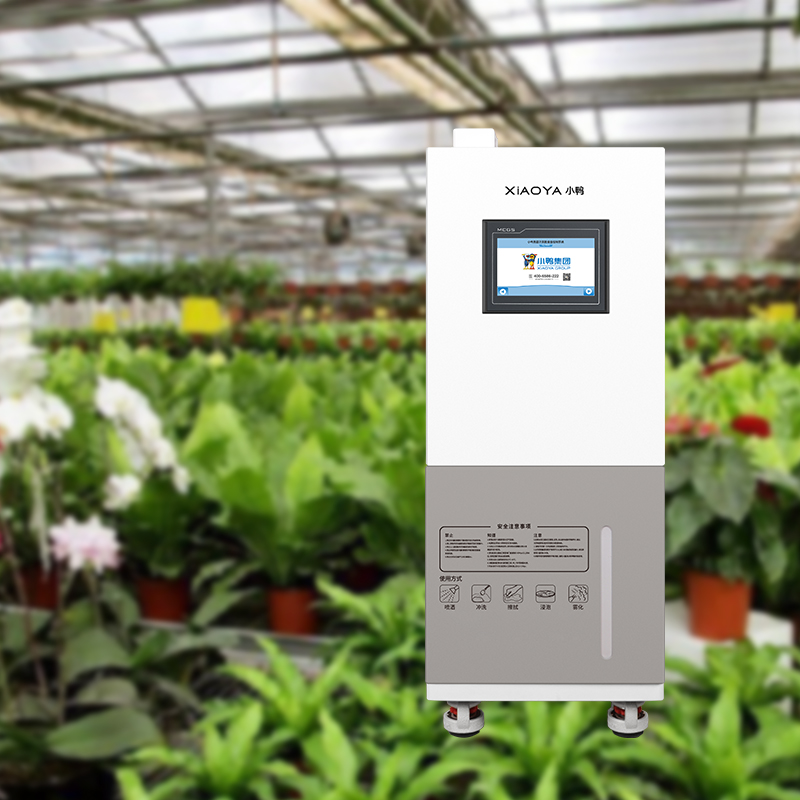
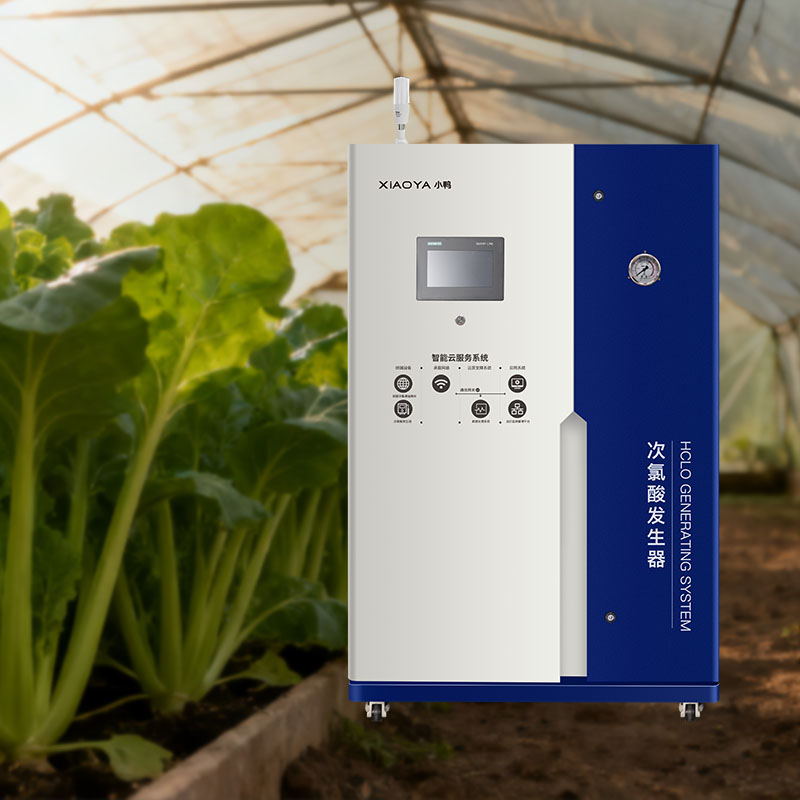
In some projects, switching to on-site disinfectant generation can simplify logistics and reduce handling steps. For facilities evaluating efficient and cost-conscious options, Pure Hypochlorous Acid (HClO) Electrolyzer can fit disinfection and water treatment scenarios where stable production of hypochlorous acid solution is needed close to the point of use.
How to judge the scale of revision
This comparison is useful when capital budgets are limited. It prevents under-reacting to structural risk while avoiding unnecessary redesign when a targeted improvement will solve the problem.
What mistakes make Animal husbandry disinfection protocols outdated faster?
One common mistake is treating protocol updates as paperwork only. In reality, an outdated document usually reflects an outdated process. If a site changes chemical suppliers, shortens cleaning windows from 45 minutes to 20 minutes, or increases equipment uptime targets, the sanitation process has already changed whether the document was edited or not.
Another mistake is separating engineering decisions from hygiene decisions. Automated equipment affects droplet size, pressure range, mixing stability, and cycle timing. Those factors directly influence contact performance. When maintenance teams and biosecurity teams work in parallel but not together, Animal husbandry disinfection performance often becomes inconsistent across shifts and buildings.
A third mistake is relying only on chemical selection while ignoring system support conditions. Drainage slope, tank cleaning interval, pipe material compatibility, and sensor calibration all influence results. A technically sound disinfectant can still underperform if the application system is not controlled within its intended operating window.
Quick warning signs
- Operators use different dilution ratios for the same area.
- Audit failures repeat for more than 2 consecutive review cycles.
- Automated equipment logs show rising alarms, pressure drops, or skipped cycles.
- The protocol does not reflect current barn count, shift flow, or water treatment conditions.
What should be checked before updating or investing in a new disinfection solution?
Before revising a protocol or specifying new equipment, project leaders should confirm five basics: target pathogens, application zones, water quality, automation level, and service expectations. These points determine whether the best path is a procedural update, a dosing adjustment, or a hardware change. In many facilities, 70% of avoidable issues come from unclear front-end requirements rather than from the disinfectant itself.
It is also useful to compare total operating impact, not just purchase price. Consider chemical consumption per day, labor hours per week, maintenance frequency per month, and expected delivery timeline for spare parts. For example, a system with a slightly higher initial equipment cost may reduce manual handling steps by 30% to 50% and improve consistency across multiple disinfection points.
Where on-site production, efficient application, and water treatment integration are priorities, teams may assess Pure Hypochlorous Acid (HClO) Electrolyzer as part of a broader Animal husbandry disinfection upgrade plan. The right decision still depends on site layout, consumption volume, control requirements, and maintenance capability.
Pre-update checklist for managers
- Confirm whether protocol review is routine, corrective, or expansion-related.
- Map all critical control points, including boots, tools, vehicles, drinker lines, and entry barriers.
- Verify dosing range, contact time, and application frequency for each zone.
- Check if current automation supports alarms, records, and preventive maintenance.
- Estimate implementation cycle, usually 1 to 4 weeks for revisions and longer for new systems.
Why choose us when planning a disinfection upgrade?
For project managers in automated equipment environments, the challenge is rarely just choosing a chemical. The real task is building a reliable, efficient, and maintainable Animal husbandry disinfection system that matches production flow, water conditions, and long-term operating goals. That requires coordination across R&D thinking, production capability, and practical deployment support.
Our business integrates research, manufacturing, and operations across appliance and disinfection-related sectors, with strong relevance to automation, health-focused equipment, and clean process design. This background helps us communicate in engineering terms, not just product terms, when discussing dosing logic, equipment matching, maintenance rhythm, and site-specific adaptation.
If you need support, you can contact us to discuss parameter confirmation, product selection, delivery lead time, custom solutions, operating scenarios, sample support, or quotation planning. A useful first conversation usually covers daily consumption volume, target application points, water quality range, control preferences, and whether your current Animal husbandry disinfection protocol needs a light revision or a full system upgrade.
NEWS
 Upgrade in Healthy Living: Hypochlorous Acid Generators Become the New Standard for Luxury Villas
- The Ultimate Solution to Pet Shop Disinfection Challenges! XIAOYA Hypochlorous Acid Generator: Safe Pet Protection with Peace of Mind
 Hypochlorous Acid Generator vs Sodium Hypochlorite Generator
- Hypochlorous Acid Generator Supplier
- Hypochlorous Acid Generator Manufacturer
Leave us a message

Xiaoya Group was founded in 1979,expert in the electrolyzed water industry.
Get in Touch
*We respect your confidentiality and all information are protected.