




news
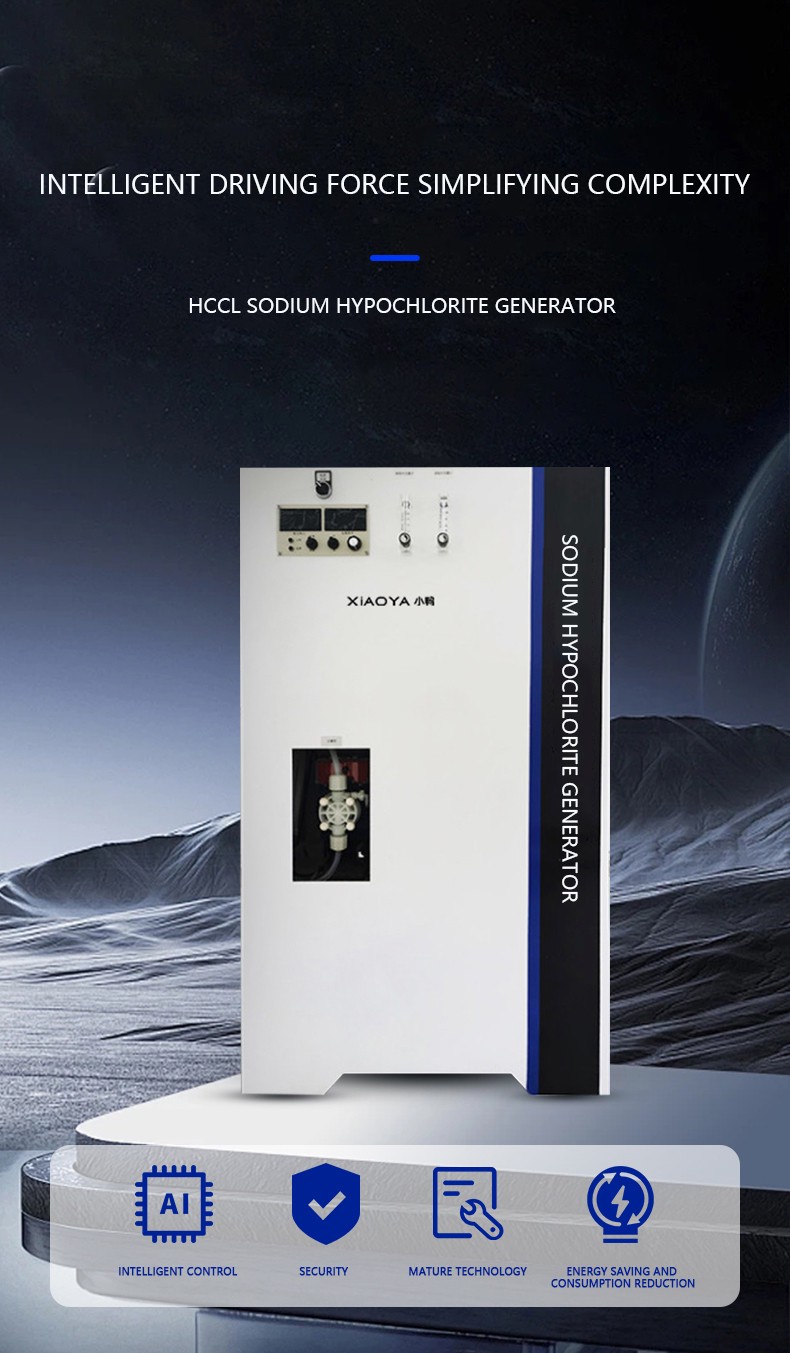
Why does the price of a hypochlorous acid generator vary so much? In most cases, the difference is not just about brand markup. It usually comes down to output capacity, concentration stability, component quality, automation level, certifications, and long-term operating cost. For procurement teams and end users, the most cost-effective choice is rarely the cheapest machine upfront. It is the model that fits the application, delivers stable disinfection performance, and keeps maintenance, downtime, and consumable costs under control over time.
In the automation equipment sector, especially for food service, hygiene, and disinfection applications, understanding these pricing factors helps buyers avoid under-specifying or overpaying. If you are comparing options for catering, kitchen sanitation, or broader hclo water treatment use, the right decision should be based on total value rather than purchase price alone.
What Actually Makes Hypochlorous Acid Generator Prices Different?
The biggest reason prices vary is that not all machines are built for the same operating requirements. Two units may look similar in a quotation sheet, but their internal design, control system, output consistency, and expected service life can be very different.
Key factors that commonly affect price include:
- Production capacity: Higher output units generally cost more because they are designed to supply larger spaces, more usage points, or longer continuous operation.
- Concentration range and accuracy: Machines that maintain stable available chlorine concentration are usually priced higher because they require better control systems and more reliable electrolysis components.
- Material quality: Corrosion-resistant materials, industrial-grade electrolyzers, and durable pumps or valves increase manufacturing cost but improve lifespan.
- Automation and controls: Touchscreen interfaces, automatic dosing, alarms, self-monitoring, and precision adjustment functions add value and cost.
- Certification and compliance: Equipment used in food, healthcare, or sanitation settings may need stronger safety, hygiene, or quality credentials.
- Brand support and after-sales service: Training, spare parts availability, technical support, and warranty terms often affect the final price.
For buyers, the practical takeaway is simple: price differences usually reflect differences in application suitability, reliability, and risk control.
Why Capacity and Output Range Matter More Than Many Buyers Expect
One of the first pricing drivers is output capacity. A generator intended for occasional light-duty use will naturally be less expensive than one designed for continuous supply in a central kitchen, processing area, or multi-zone disinfection environment.
Higher-capacity systems are typically built with:
- Larger or more durable electrolysis modules
- More stable flow and concentration management
- Better heat and load control for continuous operation
- Stronger mechanical and electrical durability
This matters because under-sizing a system can create hidden costs. If a machine cannot keep up with actual demand, staff may face delays, concentration inconsistency, or hygiene risks during peak operation periods. In catering and food processing, that can quickly become more expensive than the initial savings from a cheaper unit.
For example, a model with an output range of 120–300 L/h and customizable concentration may offer more operational flexibility than a lower-cost fixed-output unit, especially when disinfection needs change between ingredient cleaning, utensil sanitation, environmental spraying, and staff hygiene points.
How Component Quality Influences Both Price and Long-Term Value
Low-cost machines may reduce price by using lower-grade electrodes, shorter-life electrolyzers, or less durable tubing and control parts. On paper, the upfront cost looks attractive. In practice, these choices can lead to unstable output, more frequent maintenance, and earlier replacement.
For procurement professionals, a more useful question than “What is the unit price?” is “What is the cost over the equipment’s real service life?”
Component quality directly affects:
- Output stability: Consistent production of slightly acidic hypochlorous acid water depends on precise and reliable electrolysis.
- Maintenance frequency: Better components usually reduce service interruptions.
- Replacement cycle: Longer-life key parts can significantly lower annual operating cost.
- Operational safety: More robust internal design lowers the risk of leakage, malfunction, or unstable concentration.
In real purchasing decisions, an industrial-grade machine with key component life such as an electrolyzer rated for 5,000 hours or more can justify a higher price if the usage frequency is high. That is especially true in hygiene-sensitive environments where downtime is not acceptable.
Do Automation Features Really Justify a Higher Price?
Often, yes. For end users, automation is not only about convenience. For procurement teams and site managers, it is also about reducing human error, improving repeatability, and lowering labor dependency.
Advanced control features can include:
- Automatic concentration adjustment
- Real-time parameter display
- Alarm and fault monitoring
- Consistent dosing or flow control
- Simplified operation for non-technical staff
These functions matter in places like commercial kitchens, processing lines, and catering operations, where staff may not have time for manual calibration or frequent checks. A machine that delivers precise concentration control and stable output can reduce chemical waste, improve sanitation consistency, and make training easier.
That is one reason why some buyers choose specialized solutions such as Hypochlorous Acid Generator for Catering Disinfection, especially when they need compatibility across ingredient areas, staff hygiene zones, dining environments, and front-of-house sanitation points.
Why Certifications, Application Design, and Industry Fit Affect Price
Not every hypochlorous acid generator is designed for the same compliance expectations. Equipment intended for food-contact or hygiene-controlled environments may carry more rigorous design and quality requirements than general-purpose disinfection units.
Price may rise when the machine is designed to support:
- Food-related hygiene standards
- Safer residue-free disinfection processes
- Application-specific output settings
- More reliable operation in commercial or export-oriented processing environments
For example, machines aligned with standards such as US FDA-related expectations or food production hygiene frameworks like GB 14881 may offer stronger confidence for buyers in catering and food processing. This added value is especially important when disinfection performance affects customer safety, audit readiness, and business reputation.
A unit developed for central kitchens, raw material areas, processing zones, staff hygiene areas, kitchen and dining environments, and export catering processing areas will usually cost more than a basic model because it is engineered for broader real-world use cases, not just simple point disinfection.
How to Compare Cost-Effectiveness Instead of Just Comparing Quotes
If you want to judge whether a hypochlorous acid generator is truly cost-effective, compare more than the purchase price. A lower quote may still result in higher total ownership cost if it brings unstable output, shorter lifespan, or extra labor.
Use this checklist when comparing suppliers:
- Output suitability: Does the machine match your actual daily and peak-hour demand?
- Concentration flexibility: Can it support the mg/L range your application requires?
- pH performance: Is it suitable for producing effective slightly acidic hypochlorous acid water?
- Power efficiency: Will energy consumption remain reasonable during routine use?
- Component lifespan: What are the expected service hours of the electrolyzer and other critical parts?
- Maintenance requirements: How often will cleaning, replacement, or service be needed?
- After-sales support: Can the supplier provide technical guidance and spare parts in time?
- Application fit: Is the system designed for your industry rather than general-purpose use only?
For many buyers, the best-value machine is the one that balances performance, consistency, safety, and operating efficiency. In other words, hclo water treatment cost-effective performance should be evaluated over months and years, not just at the time of purchase.
What Procurement Teams and End Users Should Prioritize Before Buying
Procurement personnel and end consumers usually look at pricing from different angles, but both groups want confidence that the machine will perform as expected.
Procurement teams usually care most about:
- Total cost of ownership
- Supplier reliability
- Certification and compliance
- Service life and maintenance planning
- Operational fit for business scale
End users usually focus more on:
- Ease of use
- Safety
- Disinfection effectiveness
- Whether residues or rinsing are required
- Whether the machine fits available installation space
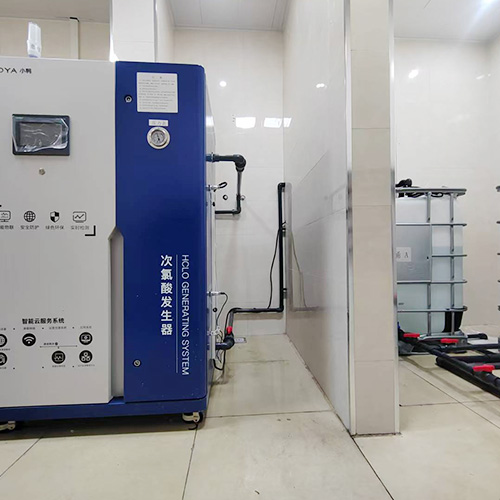
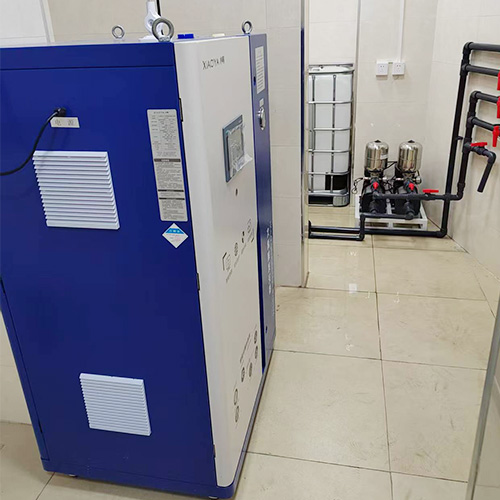
That is why product details matter. For instance, buyers may find value in a machine offering slightly acidic hypochlorous acid output, customizable available chlorine concentration of 10–200 mg/L, rated power of 420 W, inlet water pressure of 0.15–0.25 MPa, and dimensions of 500 × 510 × 1500 mm—especially when those specifications align with actual site conditions and hygiene workflows. In many commercial settings, residue-free operation, broad-spectrum disinfection, and no need for secondary rinsing are practical advantages rather than just marketing points.
Final Thoughts: The Lowest Price Is Not Always the Best Buy
Hypochlorous acid generator prices vary because machine quality, design purpose, control precision, durability, and service support vary as well. A cheaper model may work for basic or occasional use, but in professional catering, food handling, or high-frequency hygiene applications, the better investment is often the machine that delivers stable output, reliable disinfection, and lower long-term operating risk.
For smart buying decisions, focus on application fit, component lifespan, concentration stability, certification, and maintenance cost. When you compare systems this way, price differences become easier to understand—and easier to justify.
In short, the right hypochlorous acid generator is not the one with the lowest quote. It is the one that gives you dependable performance, real hygiene value, and sustainable cost efficiency over time.
NEWS
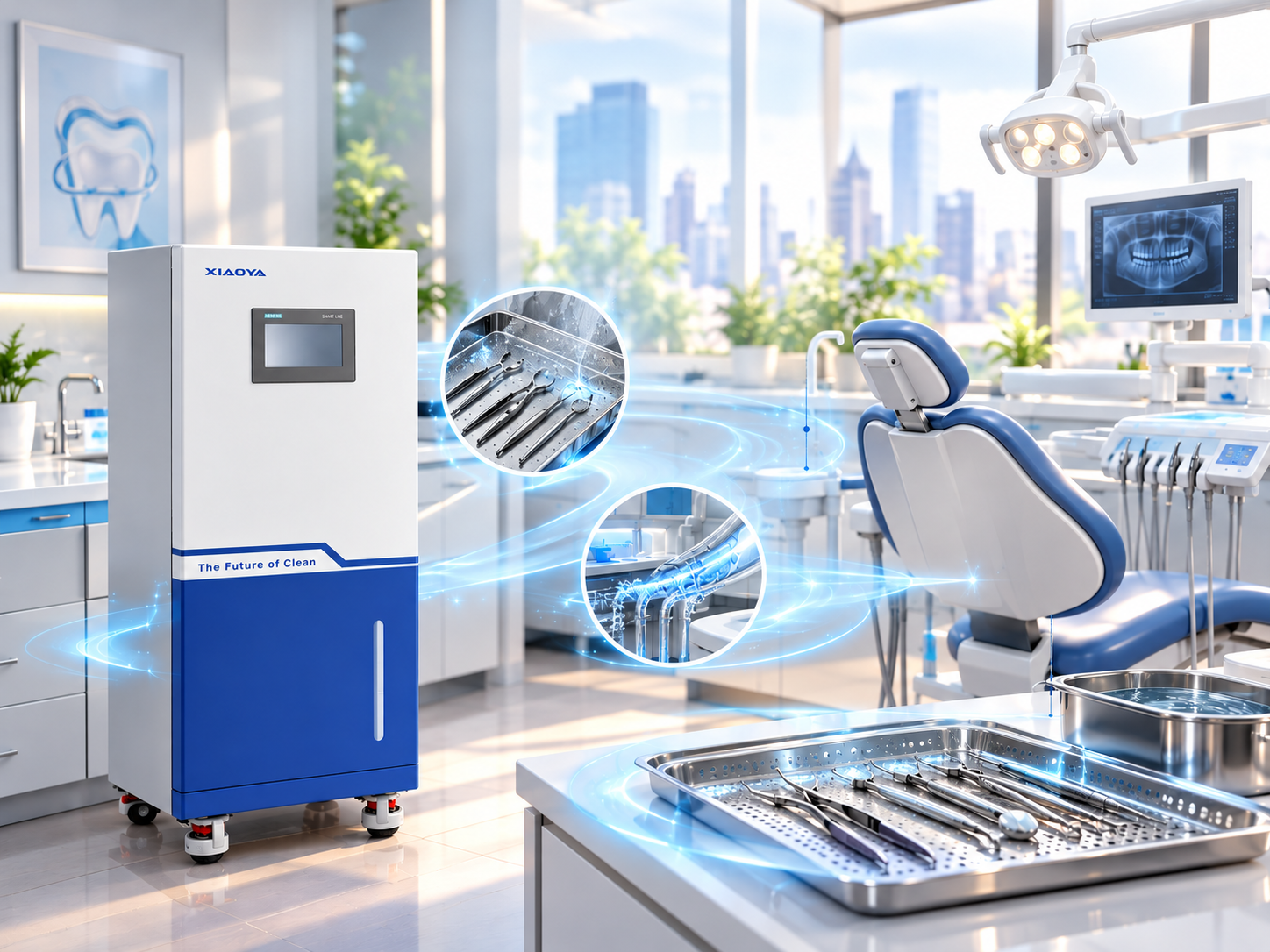
 Disinfection Empowers Orthodontic Safety: Hypochlorous Acid Generators Build a Sterile Defense Line for Dental Instruments
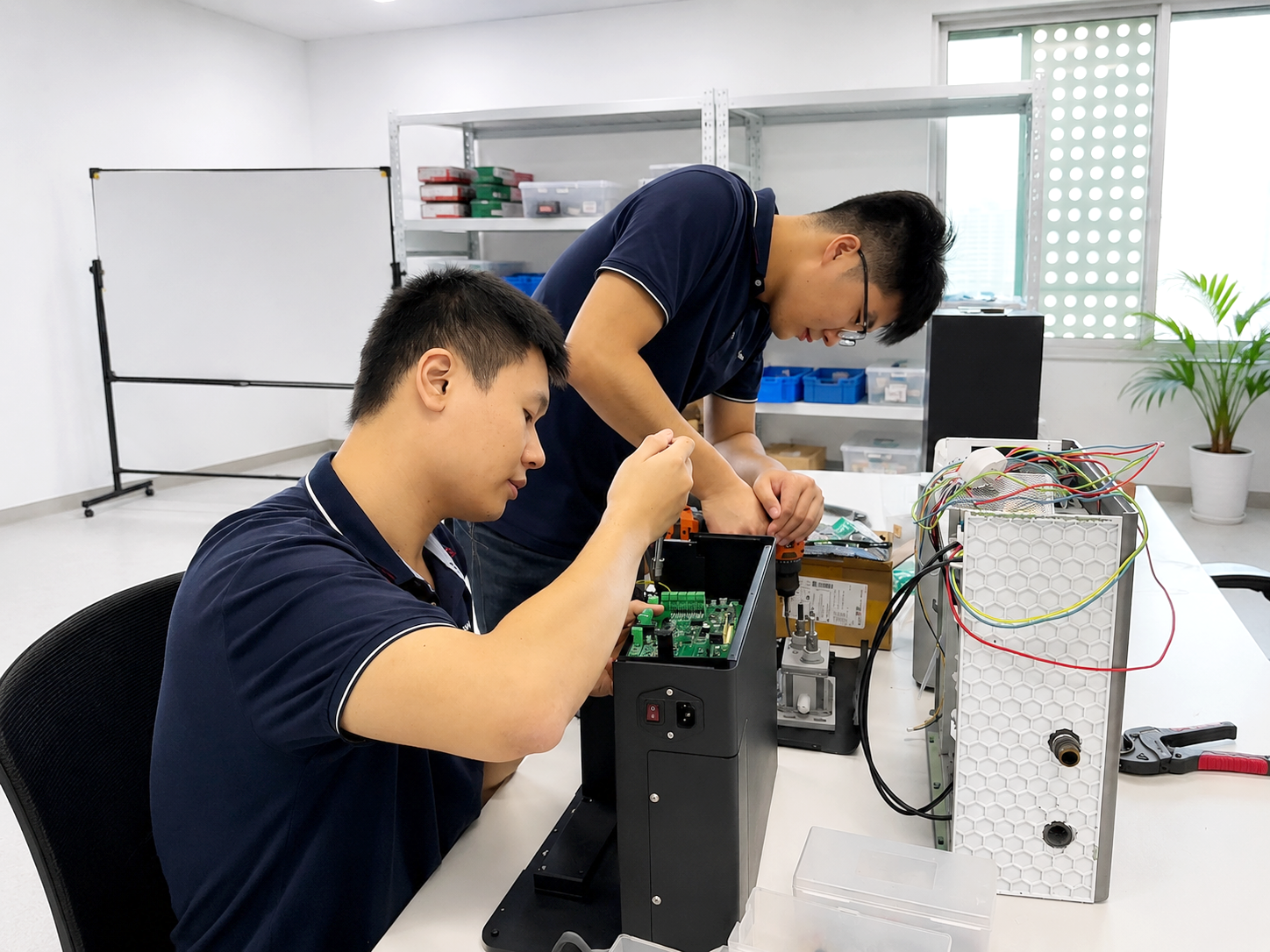
- Accumulating Strength and Reaching New Heights: A Record of the Production Breakthrough of Xiaoya Small Home Appliances' Hypochlorous Acid Generators
 How Do HOCl Generators Turn Salt and Water into Cleaning Solutions?
 Medical HOCl Generator Procurement: Service, Training, and Traceability
- Integrating a Medical HOCl Generator into Hospital Cleaning Stations
Leave us a message

Xiaoya Group was founded in 1979,expert in the electrolyzed water industry.
Get in Touch
*We respect your confidentiality and all information are protected.