




news
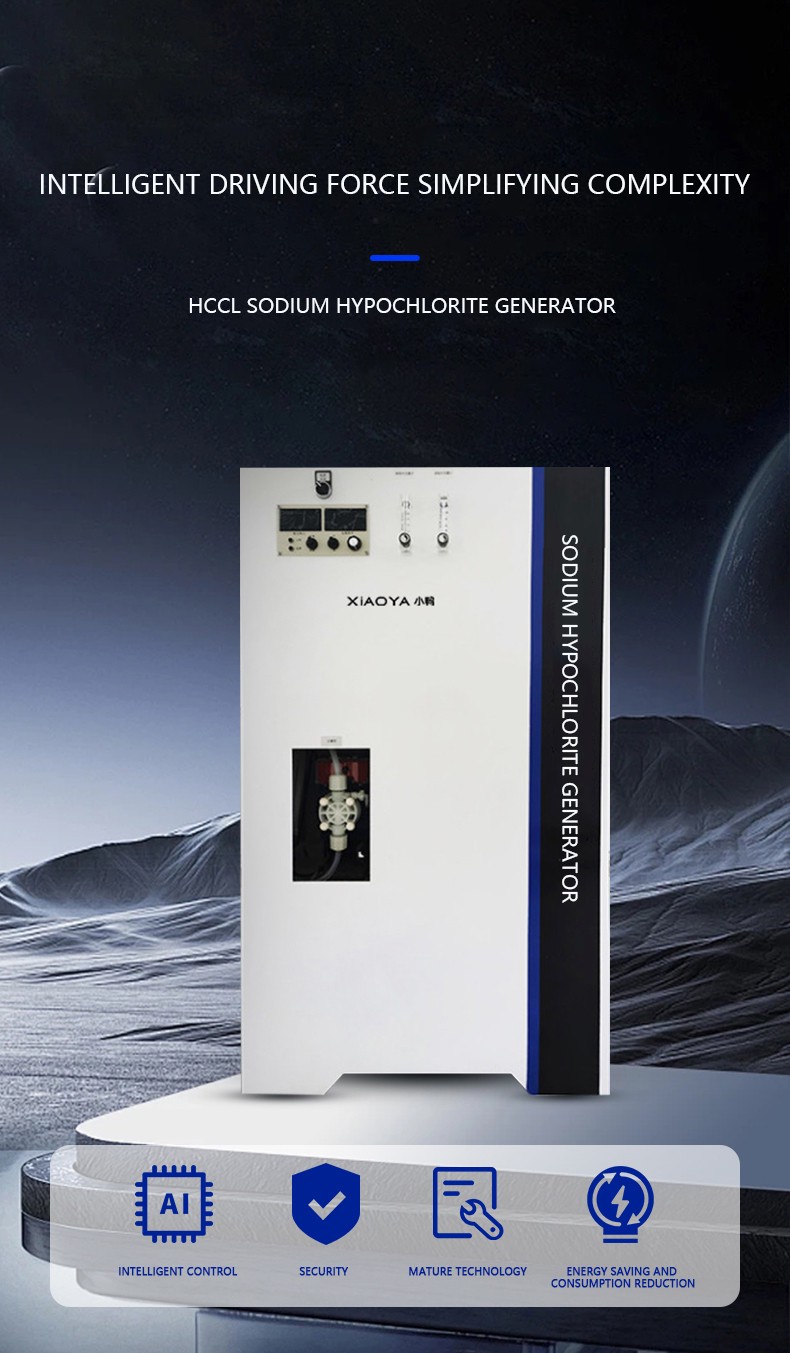
Planning your 2026 purchase? This guide breaks down hypochlorous acid generator price trends and shows how to choose a hclo water treatment cost-effective solution for commercial and household needs. From automation-driven manufacturing to product quality, maintenance, and long-term operating value, buyers and end users will find practical insights to compare options and make a smarter investment.
In the automation equipment sector, hypochlorous acid generators are no longer niche disinfection devices. They are increasingly used in kitchens, bathrooms, healthcare sanitation, waste handling, and small appliance ecosystems where on-site disinfectant production improves efficiency and reduces chemical storage risk. For procurement teams, price is important, but so are output stability, core component life, control accuracy, and after-sales support.
For end consumers, the buying logic is slightly different. Ease of operation, low running cost, safety, and suitability for household or light commercial use often matter more than industrial-scale output. In 2026, the market is expected to become more segmented, with clearer pricing tiers based on automation level, output range, adjustment precision, and application scenario.
This article explains what drives hypochlorous acid generator price, how to compare hclo water treatment systems, what specifications actually affect long-term cost, and how buyers can avoid common mistakes when selecting equipment for commercial and residential disinfection needs.
2026 Price Trends in Hypochlorous Acid Generator Equipment
Hypochlorous acid generator price in 2026 will likely remain highly dependent on output capacity, automation grade, material durability, and application design. Entry-level household units may stay in a lower price band, while medium and high-output automated systems for sanitation, waste handling, or healthcare support will command a higher upfront investment due to stronger pumps, more durable electrolyzers, and more stable dosing control.
A practical way to understand pricing is to divide the market into 3 major categories: household/light-use units, commercial mid-range systems, and industrial or municipal application equipment. Each category has a different cost structure. Household buyers often focus on compact size and simple operation, while procurement teams usually evaluate 5 to 7 factors, including output per hour, pH adjustment range, chlorine concentration control, service intervals, voltage compatibility, and integration with existing workflows.
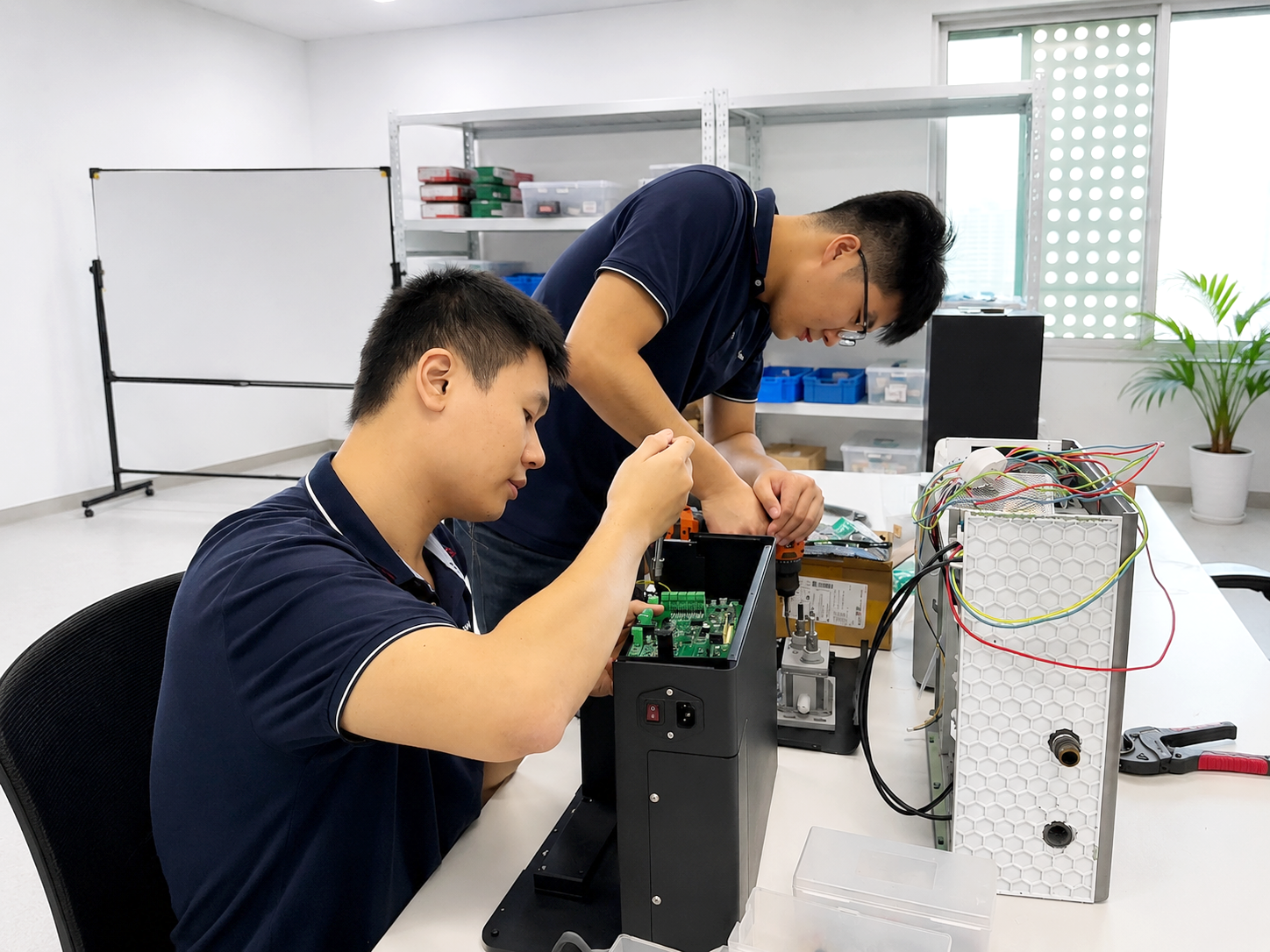
Automation-driven manufacturing also affects price. Equipment built by enterprises that integrate R&D, production, and operation usually offers more consistent assembly quality and better component matching. In practice, that means more stable output concentration, lower error rates during continuous operation, and fewer failures caused by poor control board calibration or low-grade electrolytic cells.
Another 2026 trend is value-based purchasing rather than lowest-price purchasing. Many buyers now compare total cost over 12 to 36 months instead of just the initial invoice. A machine that costs 15% more upfront but lasts 30% longer on the core electrolyzer can be the more economical choice, especially in high-frequency disinfection environments.
What usually pushes prices up
- Higher output ranges such as 100L/h to 300L/h or above for continuous commercial disinfection.
- Adjustable available chlorine concentration, often from 10ppm to 200ppm, for different sanitation tasks.
- Corrosion-resistant materials and industrial-grade pumps suitable for humid or harsh operating environments.
- Smart controls, dual operating modes, or integration with automated spraying and misting systems.
- Custom voltage options such as 220V/50Hz and 110V/60Hz for overseas deployment.
The table below shows a simplified pricing logic framework used by many buyers during preliminary comparison. It does not represent a fixed market quote, but it helps identify why two systems with similar appearance may differ significantly in value.
The key takeaway is clear: price should be linked to workload and operating environment. A lower-cost machine may be suitable for occasional household use, but for 8 to 12 hours of daily operation, procurement teams should pay closer attention to output consistency and component life than to entry price alone.
The Cost Factors That Matter More Than the Sticker Price
When evaluating a hypochlorous acid generator, the purchase price is only one part of the total investment. In most commercial scenarios, operating cost over 1 to 3 years has a greater effect on budget than the initial equipment quote. Buyers should examine electricity consumption, salt or electrolyte use, component replacement frequency, water quality sensitivity, and labor time required for operation and cleaning.
Power consumption is usually manageable, but it still matters in high-frequency operation. For example, a 420W system running several hours per day can remain economical compared with repeated purchases of pre-mixed disinfectant, especially when on-demand production reduces waste. However, if a unit has poor concentration stability, users may compensate by overproducing solution, which increases hidden operating cost.
Core component life is one of the most overlooked purchase criteria. Electrolyzer service life, pump durability, and control system stability directly affect replacement cycles. A unit with an electrolyzer life of at least 5000 hours may provide better long-term value for sites with frequent sanitation tasks than a lower-cost option requiring earlier replacement or more downtime.
Water quality adaptation is another pricing variable. Some systems can maintain a pH range of 5.0 to 6.5 and stable disinfecting performance even when water conditions fluctuate. That reduces the need for manual correction and protects disinfection effectiveness. In practical procurement, this can save both labor and troubleshooting time.
Total cost checkpoints for buyers
- Estimate daily operating hours, such as 2 hours, 6 hours, or continuous shift use.
- Match output demand to actual usage volume rather than buying only by maximum capacity.
- Review maintenance frequency for tanks, pipes, and electrolytic modules every 1 to 4 weeks.
- Check whether ppm and pH can be adjusted for deodorization, worker protection, or surface disinfection.
- Ask about spare parts lead time, especially for pumps, control boards, and electrolyzer assemblies.
The following comparison table can help procurement teams and end users understand which cost areas deserve more attention before placing an order.
For commercial buyers, the best hclo water treatment cost-effective decision often comes from stable daily performance and lower intervention needs, not just the lowest purchase quotation. End users can apply the same logic by prioritizing simple maintenance and reliable concentration control over feature-heavy but inconsistent products.
How to Match Specifications to Real Use Scenarios
Selection becomes easier when buyers start from the application scenario rather than from a catalog price. Different disinfection jobs require different output, concentration, and operating modes. Household kitchens and bathrooms often need light, regular sanitation with convenient handling. Waste collection points, garbage rooms, and transfer stations need stronger deodorization and broader-area treatment with repeated daily use.
For example, a system designed for garbage disinfection may need rapid on-demand production, adjustable available chlorine concentration from 10ppm to 200ppm, and enough output to support spray or fogging tasks without long waiting periods. In these settings, industrial-grade durability matters because the environment can be humid, contaminated, or exposed to changing temperature and handling conditions.
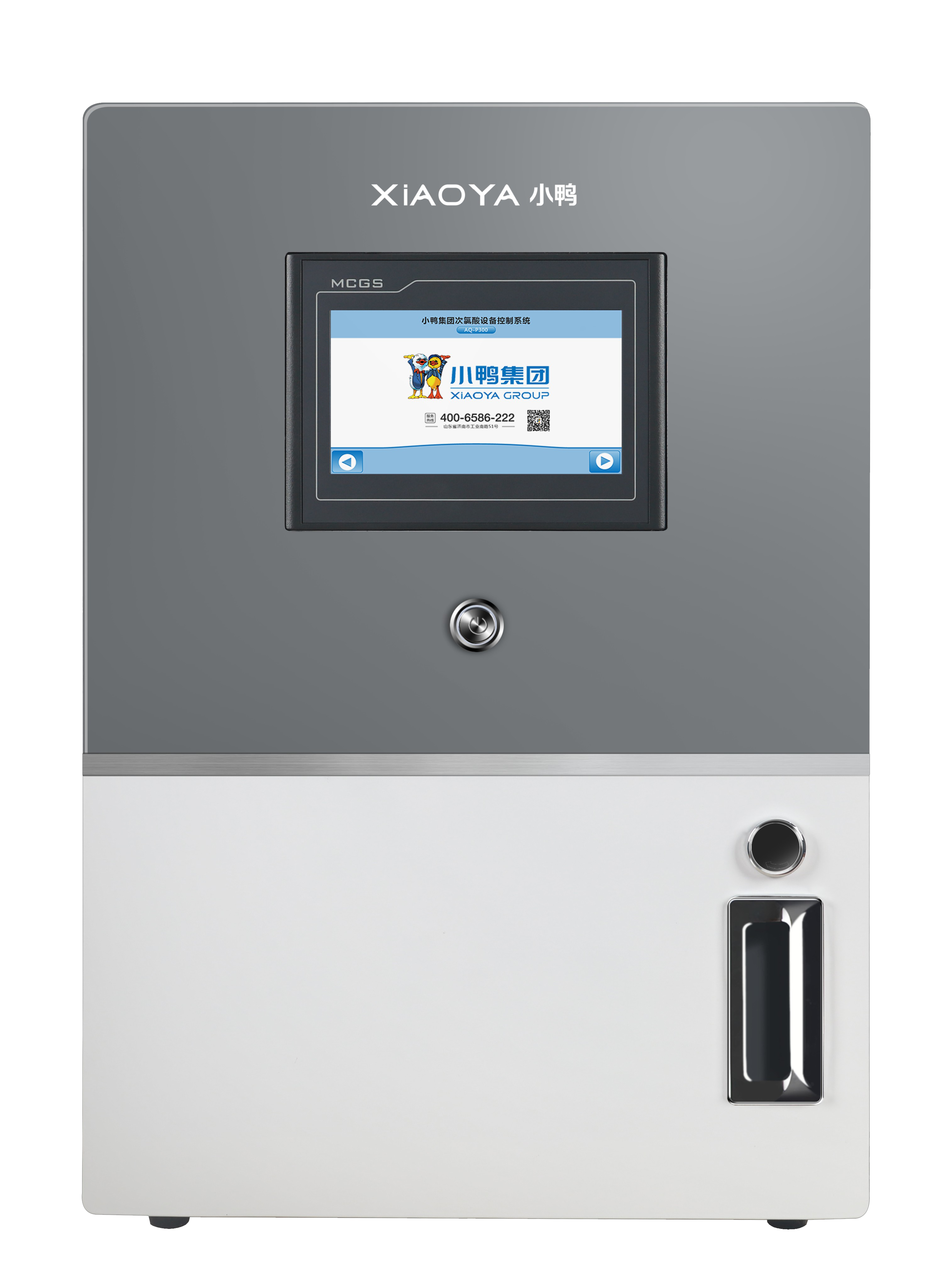
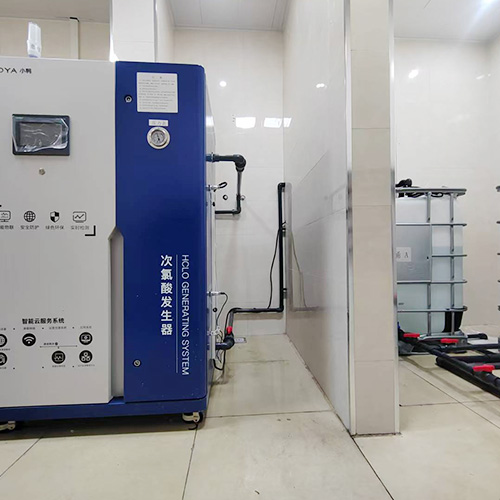
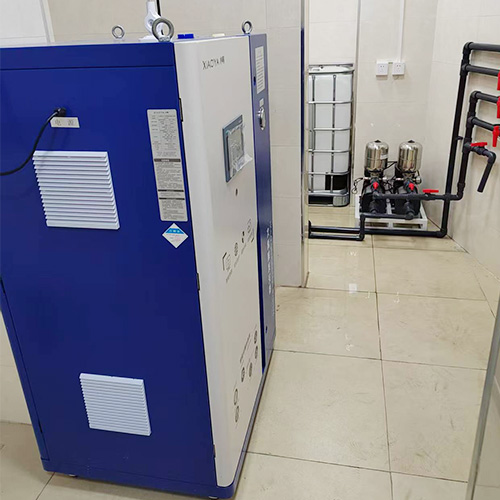
A relevant example is Hypochlorous Acid Generator for Garbage Disinfection (AQ-P300-W) , a model intended for domestic waste sorting drop-off points, garbage rooms, collection stations, transfer stations, garbage collection vehicles, disposal plants, and worker protection. Its output range of 120-300L/h fits sites that need recurring disinfection and deodorization rather than occasional spot cleaning.
Its specification profile also reflects the buying logic of automation equipment users: pH range of 5.0 to 6.5, rated power of 420W, inlet water pressure of 0.15 to 0.25MPa, electrolyte tank capacity of 5L, and core electrolyzer service life of at least 5000 hours. These figures are not just technical details; they influence dosing control, maintenance rhythm, and daily operating continuity.
Scenario-based specification guidance
The table below organizes common application scenarios and the specification priorities buyers should evaluate before comparing price offers. This approach helps avoid overspending on unnecessary capacity or underbuying for demanding sanitation tasks.
The main lesson is that a cost-effective hypochlorous acid generator is the one aligned with the real use case. Procurement teams should estimate actual hourly demand, while end users should think about frequency, ease of operation, and whether the machine can maintain effective disinfection without excessive adjustment.
Useful selection thresholds
- For light-use applications, stability and user safety may matter more than high output.
- For medium-duty sanitation, adjustable concentration between 10ppm and 200ppm adds flexibility.
- For harsh work environments, prioritize component life above 5000 hours and durable housing design.
- If overseas use is expected, confirm voltage compatibility before procurement approval.
Procurement Checklist: How Buyers Can Compare Suppliers and Equipment
In 2026, supplier comparison will be as important as machine comparison. Two units with similar advertised output may deliver very different results depending on production consistency, assembly quality, testing process, and service responsiveness. For B2B buyers, this is where working with a manufacturer that integrates research, production, and operations can improve confidence in equipment performance and delivery coordination.
A good procurement process should include at least 4 checkpoints: technical review, scenario matching, service verification, and total cost analysis. Technical review confirms whether the machine can meet required output and concentration ranges. Scenario matching checks whether the equipment fits kitchens, healthcare sanitation, garbage handling, or household disinfection. Service verification evaluates spare parts supply, training, and problem response time. Total cost analysis connects all of these to a 1-year or 3-year budget model.
It is also helpful to ask suppliers about operating modes. Equipment with two working modes can adapt better to full-scenario disinfection and deodorization tasks. This is especially useful when a site needs both routine spraying and rapid-response sanitation at different times of day. Flexible operation can reduce the need to buy separate devices for separate use cases.
Buyers should request practical information rather than generic sales language. Ask how quickly the unit reaches stable production, how often it requires tank cleaning, what water pressure range is acceptable, and which parts typically need replacement first. These details reveal whether a product is ready for real deployment or only attractive on paper.
A practical comparison matrix
The matrix below can be used during supplier evaluation meetings or internal procurement review. It gives both purchasing teams and facility managers a shared structure for comparing options beyond quoted price.
For end consumers buying through dealers or distributors, the same framework still applies in a simplified form. Focus on 3 essentials: safety, ease of maintenance, and whether the unit is sized correctly for expected use. Oversized equipment raises cost without adding practical value, while undersized equipment can reduce disinfection efficiency and shorten service life under overload conditions.
Maintenance, Common Mistakes, and Long-Term Value
A hypochlorous acid generator can remain cost-effective only if maintenance is understood from the beginning. Many buyers assume that once a machine produces disinfectant on site, operating cost becomes negligible. In reality, regular inspection of water supply, electrolyte level, concentration settings, and internal cleanliness is what protects output quality over months of use.
One common mistake is buying based only on maximum output. A 300L/h-capable system can be highly efficient for public sanitation, but if the real usage pattern is only occasional light spraying, the buyer may not recover the added equipment value. The opposite mistake is more serious in commercial settings: selecting a small unit for a site that requires several sanitation cycles per shift, leading to overwork, unstable concentration, or workflow delays.
Another error is ignoring the operating environment. Garbage collection vehicles, transfer stations, and waste plants often expose equipment to vibration, moisture, and corrosive surroundings. In such cases, industrial-grade construction and durable core components are not premium extras; they are basic requirements for stable service. A machine promoted as low cost may become expensive if frequent service interruptions affect sanitation schedules.
Routine care does not need to be complicated, but it should be planned. Depending on usage intensity, inspection every 7 to 30 days is a reasonable range for checking connections, cleaning tanks, and verifying output consistency. For heavy-duty use, staff training is equally important. Even a safe and non-irritating disinfectant generation system benefits from standardized handling procedures to maintain worker protection and predictable results.
Common mistakes to avoid
- Choosing by price alone without matching output to actual hourly demand.
- Ignoring pH and concentration adjustment requirements for different sanitation scenarios.
- Overlooking water pressure limits such as 0.15 to 0.25MPa during installation planning.
- Failing to ask about electrolyzer replacement timing and spare parts availability.
- Treating deodorization and disinfection as the same task when operating settings may differ.
FAQ for 2026 buyers
How do I know if a hypochlorous acid generator is suitable for my site? Start with daily treatment frequency, target area size, and whether you need odor control, surface disinfection, or both. If the site runs multiple cycles each day, a mid-range or industrial unit is usually more practical than an entry-level system.
How long is a normal delivery cycle? For standard automated equipment, lead time often falls in the 2 to 6 week range depending on configuration, testing requirements, and voltage customization. Buyers with project deadlines should confirm this before final approval.
Which specification matters most for long-term value? There is no single answer, but three indicators stand out: stable output, adjustable concentration, and core component life. For many applications, these factors influence operating cost more than the initial machine quote.
Is on-site generation really more economical than buying ready-made disinfectant? In many recurring-use environments, yes. On-demand production reduces storage, transport, and solution waste, especially where sanitation is performed daily or several times per shift.
Choosing the right hypochlorous acid generator in 2026 means looking beyond advertised price and focusing on use-case fit, automation quality, specification relevance, and long-term operating value. Whether the need is household sanitation, healthcare support, or commercial waste-area disinfection, the most cost-effective hclo water treatment solution is the one that delivers stable output, manageable maintenance, and dependable service over time.
For buyers comparing commercial disinfection equipment, solutions like Hypochlorous Acid Generator for Garbage Disinfection (AQ-P300-W) show how output capacity, flexible concentration control, and industrial durability can support real sanitation workflows rather than just technical specifications on a sheet.
If you are planning a 2026 purchase, now is the right time to review your operating scenario, maintenance expectations, and budget horizon. Contact us to get a tailored recommendation, discuss product details, or explore a more cost-effective automated disinfection solution for your commercial or household application.
NEWS
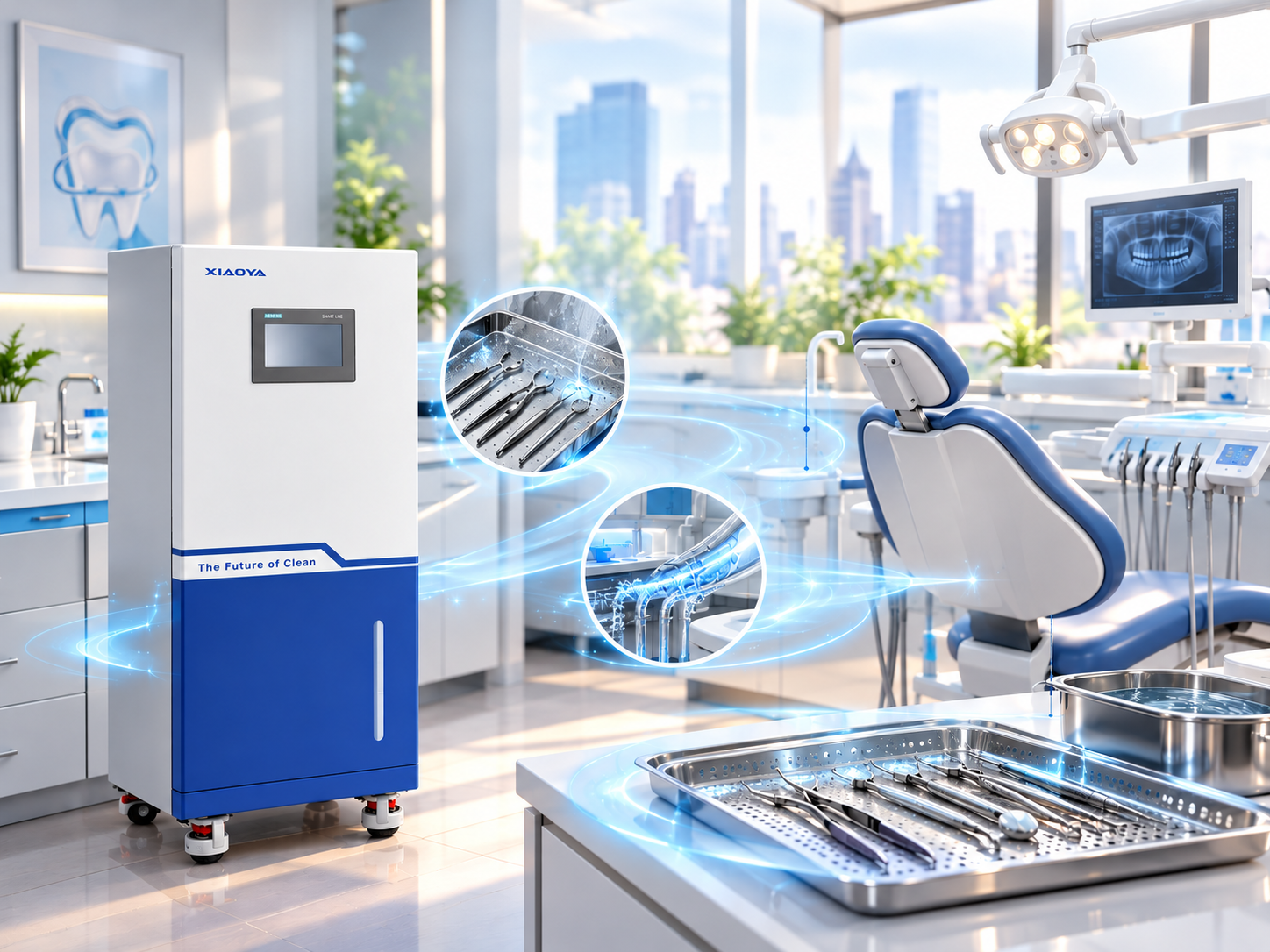
 Disinfection Empowers Orthodontic Safety: Hypochlorous Acid Generators Build a Sterile Defense Line for Dental Instruments
- Accumulating Strength and Reaching New Heights: A Record of the Production Breakthrough of Xiaoya Small Home Appliances' Hypochlorous Acid Generators
 How Do HOCl Generators Turn Salt and Water into Cleaning Solutions?
 Medical HOCl Generator Procurement: Service, Training, and Traceability
- Integrating a Medical HOCl Generator into Hospital Cleaning Stations
Leave us a message

Xiaoya Group was founded in 1979,expert in the electrolyzed water industry.
Get in Touch
*We respect your confidentiality and all information are protected.