




news
For buyers and end users evaluating compact disinfection solutions, a key question is whether hclo water treatment cost-effective performance can truly meet the needs of small sites. From kitchens and bathrooms to healthcare and household applications, understanding the hypochlorous acid generator price, operating efficiency, and long-term maintenance value is essential before making a smart investment.
What makes HCLO water treatment attractive for small sites?
Small sites usually work under tighter space, budget, and staffing limits than centralized facilities. That is why hclo water treatment cost-effective value is often judged less by headline output and more by controllable daily use. In compact kitchens, clinic rooms, bathroom appliance service zones, and household disinfection corners, operators need a system that can start quickly, run steadily, and avoid complicated chemical handling.
For procurement teams in the automation equipment sector, the decision is also about process integration. A compact hypochlorous acid system can fit into standardized cleaning workflows, reduce manual dilution steps, and support repeatable sanitation routines across 3 key goals: hygiene consistency, labor simplification, and operating cost visibility. End users look at it differently. They ask whether the solution is safe, residue-free, and practical for daily contact surfaces, utensils, and high-touch areas.
The business background matters here. An enterprise integrating R&D, production, and operation across kitchen and bathroom appliances, healthcare and disinfection appliances, clean energy, and small household appliances is better positioned to understand cross-scenario requirements. This matters because a small site rarely has only one sanitation point. It may involve ingredient contact, staff hygiene, front-of-house touchpoints, and equipment surface treatment within a single 50–300 square meter operation.
In practical terms, HCLO water treatment becomes attractive when it lowers the total burden of disinfection instead of only replacing one chemical. If a system can generate slightly acidic hypochlorous acid water on site, reduce storage needs, and simplify compliance checks, it becomes easier to justify even when the initial hypochlorous acid generator price is higher than basic manual chemical use.
Why buyers compare total process cost, not unit price alone
A low purchase price can be misleading if the site later faces unstable concentration, frequent parts replacement, or repeated operator errors. Most buyers now compare 4 cost layers: equipment investment, electricity and water use, consumables and electrolyte management, and service downtime. This wider view is especially important in automated or semi-automated environments where sanitation interruptions affect output scheduling.
- Initial setup cost: machine price, installation readiness, and water pressure adaptation.
- Operating cost: power draw, electrolyte use, and production volume per hour.
- Quality cost: whether the concentration remains within the intended 10–200 mg/L application range.
- Management cost: training time, maintenance intervals, and recordability for hygiene control.
When hclo water treatment cost-effective performance is evaluated through these layers, compact generators often make more sense for facilities that sanitize many times per day in moderate batches rather than relying on occasional large-volume chemical preparation.
How do operating costs compare in real small-site use?
The strongest argument for on-site hypochlorous acid generation is cost stability. Small facilities often struggle with fluctuating disinfectant purchasing, expired stock, and inconsistent dilution. An automated generator reduces these variables. Instead of buying multiple finished products for different zones, the site can manage one generation process and adjust use according to concentration and hygiene frequency.
Energy consumption is usually not the main cost driver in compact systems. For example, a unit rated at 420 W is modest compared with many kitchen or sanitation appliances already running at the site. The larger savings often come from workflow simplification, less overuse of disinfectants, and lower waste from mixed solutions that must be discarded after short holding periods.
The following table gives a practical comparison of common small-site disinfection approaches. It does not claim universal pricing, because local utilities, labor cost, and hygiene frequency vary. Instead, it shows where hclo water treatment cost-effective advantages usually appear in procurement reviews.
For buyers, the key takeaway is simple: if the site disinfects multiple zones every day, the total cost curve often favors on-site generation over time. If use is only weekly or seasonal, the payback may be slower. That is why volume planning and cleaning frequency should be reviewed before focusing only on hypochlorous acid generator price.
Which cost variables matter most?
NEWS
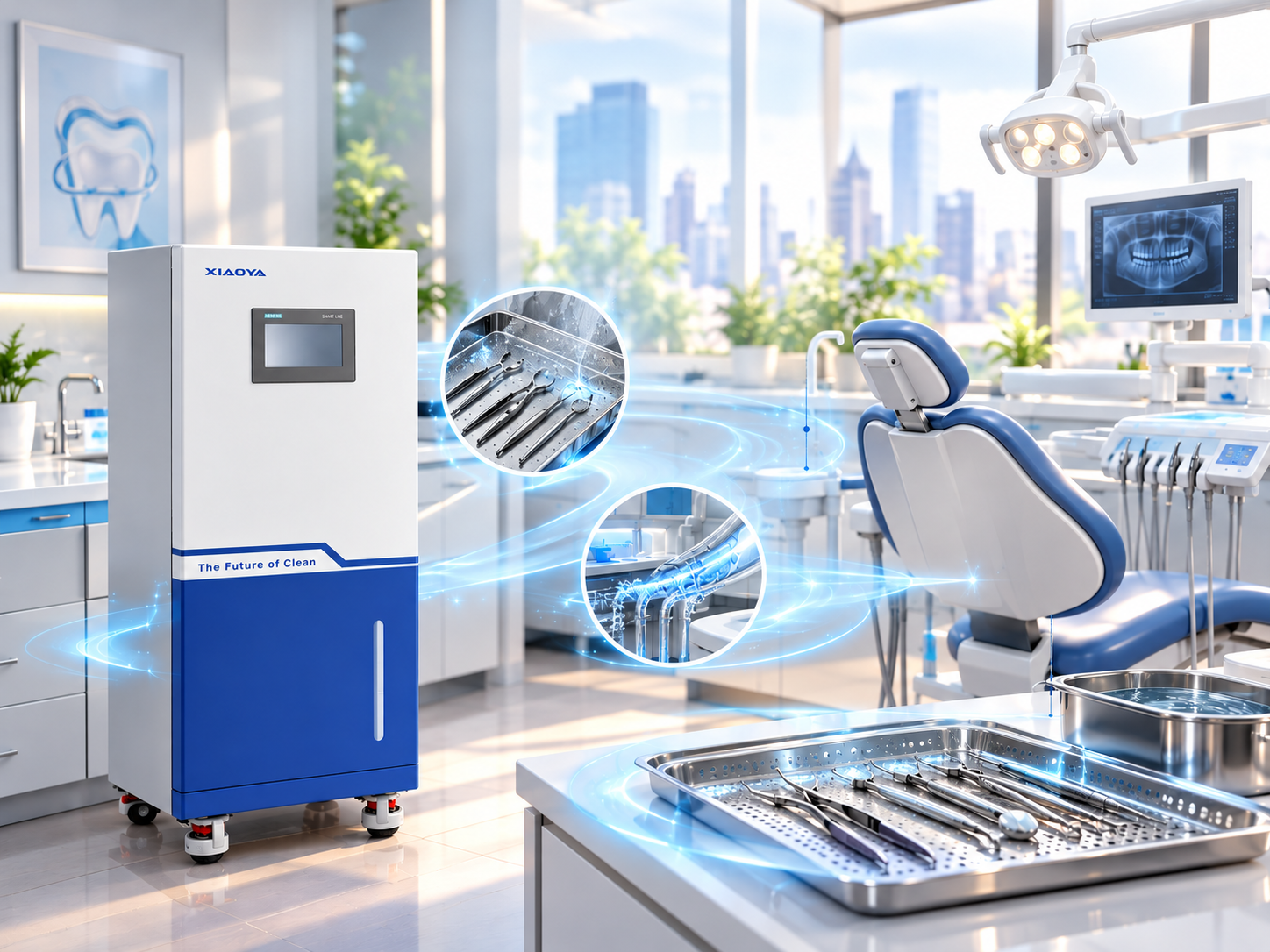
 Disinfection Empowers Orthodontic Safety: Hypochlorous Acid Generators Build a Sterile Defense Line for Dental Instruments
- Accumulating Strength and Reaching New Heights: A Record of the Production Breakthrough of Xiaoya Small Home Appliances' Hypochlorous Acid Generators
 How Do HOCl Generators Turn Salt and Water into Cleaning Solutions?
 Medical HOCl Generator Procurement: Service, Training, and Traceability
- Integrating a Medical HOCl Generator into Hospital Cleaning Stations
Leave us a message

Xiaoya Group was founded in 1979,expert in the electrolyzed water industry.
Get in Touch
*We respect your confidentiality and all information are protected.