



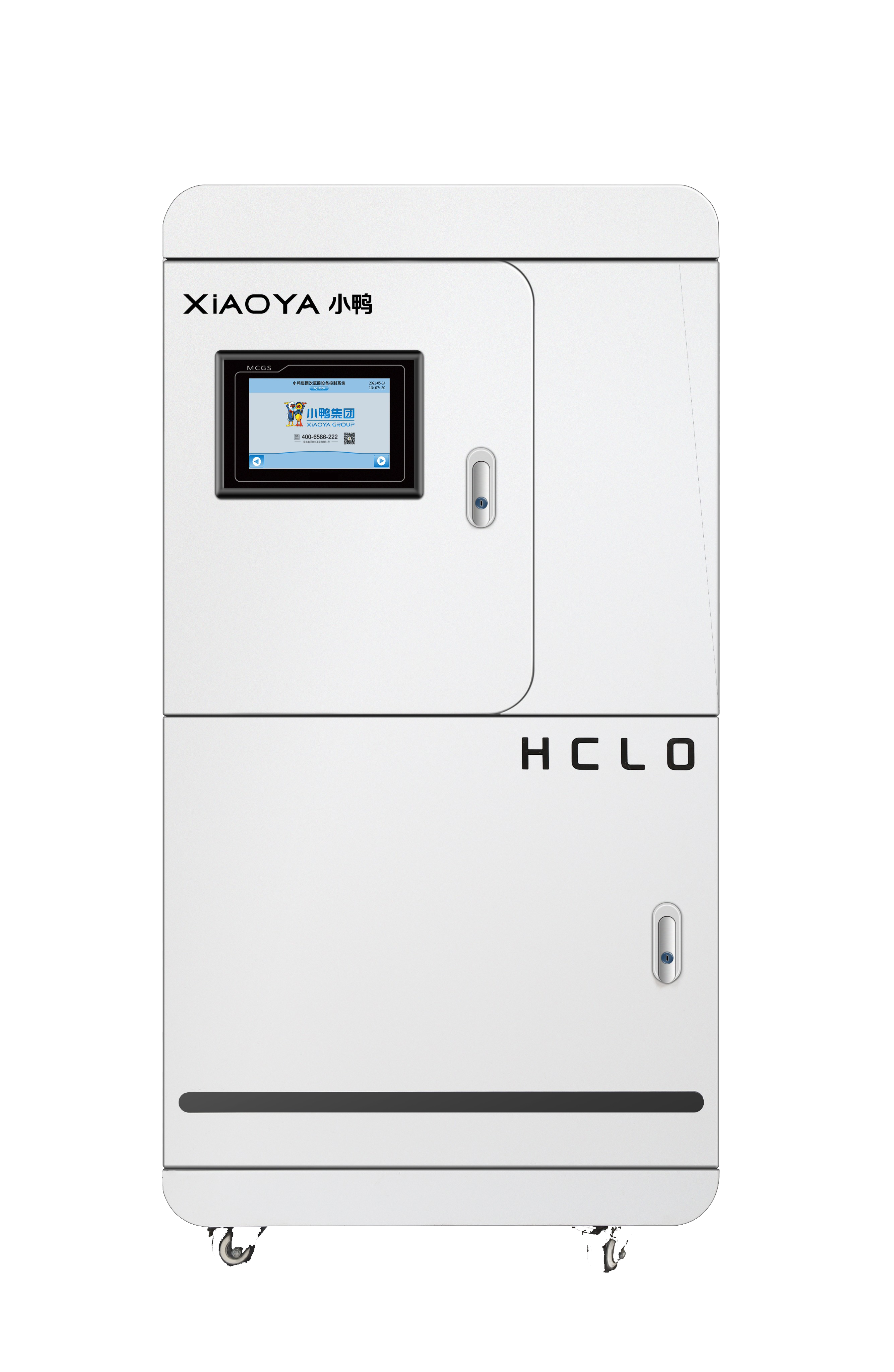
Medical HOCl Generator Claims: What Regulatory Evidence Is Needed?
A Medical Hypochlorous Acid Generator may promise reliable disinfection, but procurement approval requires evidence connecting its intended use, regulatory status, and validated operating conditions.
For quality control and safety managers, the central question is whether the exact equipment and generated solution support the proposed application in the target market.
Start with a claim-specific evidence review covering regulatory authorization, antimicrobial efficacy, output consistency, operator safety, and labeling. Treat unresolved gaps as procurement conditions requiring closure.
Which Claims Must the Supplier Actually Support?
Ask the supplier to define the intended use in writing: environmental surface disinfection, medical equipment processing, wound care, drinking water treatment, or another specific application.
These uses can follow different regulatory pathways. The word “medical” does not establish authorization, and installation inside a healthcare facility does not determine product classification.
Record each antimicrobial claim, including target organisms, required reduction, solution concentration, contact time, application method, and whether surfaces must be cleaned before treatment begins.
A claim against vegetative bacteria does not automatically support claims against viruses, mycobacteria, or bacterial spores. Evidence must address the organisms and conditions actually advertised.
Create a claim-to-evidence matrix before comparing suppliers. This prevents attractive equipment specifications from distracting reviewers from unsupported uses that could affect patient or worker safety.
What Regulatory Documents Matter in Your Market?
In the United States, many disinfectant products claiming control of microorganisms on environmental surfaces fall under EPA oversight. Verify applicable registration and approved label directions.
On-site generators require closer review because equipment, generated substances, and associated claims may receive different treatment. Request a written explanation of the applicable FIFRA obligations.
An EPA establishment number identifies a producing establishment; it does not establish product registration or demonstrate EPA approval of every antimicrobial claim associated with equipment.
FDA requirements may apply to certain medical uses, including particular device reprocessing applications. Request the relevant clearance or authorization when required, then verify its scope.
For wound-related claims, classification depends on intended purpose and other product characteristics. General surface-disinfection evidence cannot establish suitability for direct application to patients or wounds.
In the European Union, examine the Biocidal Products Regulation where applicable, including the relevant product type, active substance status, and product authorization or transitional arrangements.
For in situ generation, the precursor and active substance combination matters. CE marking alone does not demonstrate authorization of the generated biocide or substantiate disinfection claims.
For other markets, obtain jurisdiction-specific documentation. Independently check official databases where available, confirming identifiers, authorization holders, approved uses, and correspondence with the offered model.
Does Efficacy Testing Match Your Actual Workflow?
Request complete laboratory reports, rather than summaries showing only percentage kill rates. Reports should identify the test method, laboratory, organisms, controls, and tested solution characteristics.
Check whether testing used suspension methods or representative carriers and surfaces. A suspension result may not adequately support practical claims involving dried contamination on equipment.
Review organic soil conditions, temperature, water quality, contact time, and neutralization procedures. These details determine whether the results reasonably represent your intended cleaning and disinfection process.
Relevant methods may include EN or recognized ASTM and AOAC approaches, depending on jurisdiction and claim. Ask why each selected method supports the proposed application.
Concentration and contact time must be achievable during use. A surface requiring prolonged wet contact cannot be considered validated if routine application allows it to dry early.
Do not extrapolate hard-surface results to fogging, airborne disinfection, or occupied-room use. Those applications require separate efficacy evidence, exposure assessment, and applicable regulatory support.
Can the Generator Reproduce the Tested Solution?
Generator performance and solution efficacy are separate evidence categories. A machine may produce chlorine consistently while lacking evidence supporting a particular medical disinfection claim.
HOCl chemistry also requires precise terminology. Hypochlorous acid is HOCl; hypochlorite is OCl−. Their relative proportions depend strongly on pH, affecting efficacy and stability.
Ask for validated operating ranges covering free available chlorine, pH, temperature, feedwater characteristics, salt quality, and production rate. Specify measurement methods and calibration requirements.
Oxidation-reduction potential can assist process monitoring, but it cannot replace validated chlorine and pH measurements. Similar readings do not necessarily establish equivalent disinfectant composition or performance.
Qualification should challenge startup, continuous operation, shutdown, electrode aging, and foreseeable feedwater changes. Define alarms, release limits, and rejection procedures for solution outside specification.
Storage claims need supporting stability data for the actual container, light exposure, temperature, and holding period. Test stored solution against the minimum effective concentration.
At commissioning, verify installation, operating controls, and performance under site conditions. Retain records connecting generated batches or production periods with measurements, operators, and equipment status.
How Should You Assess a Supplier’s Product Specifications?
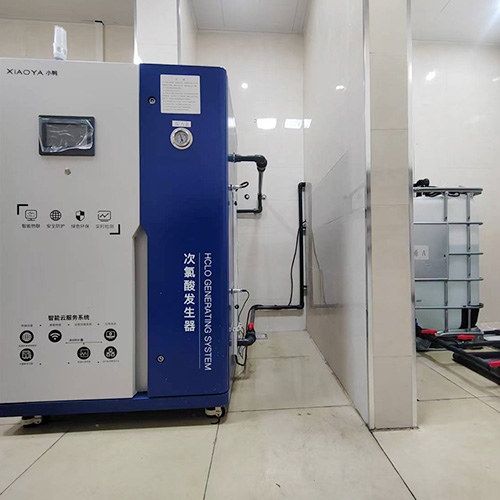
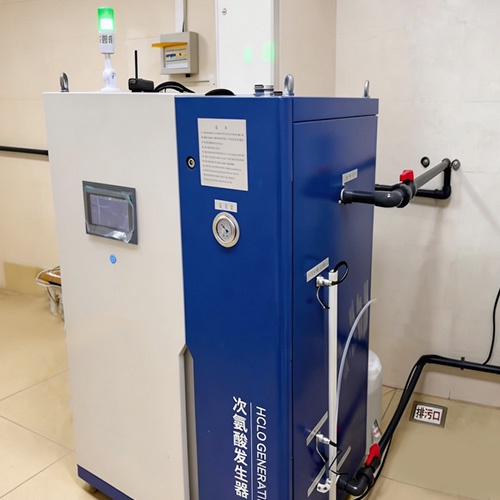
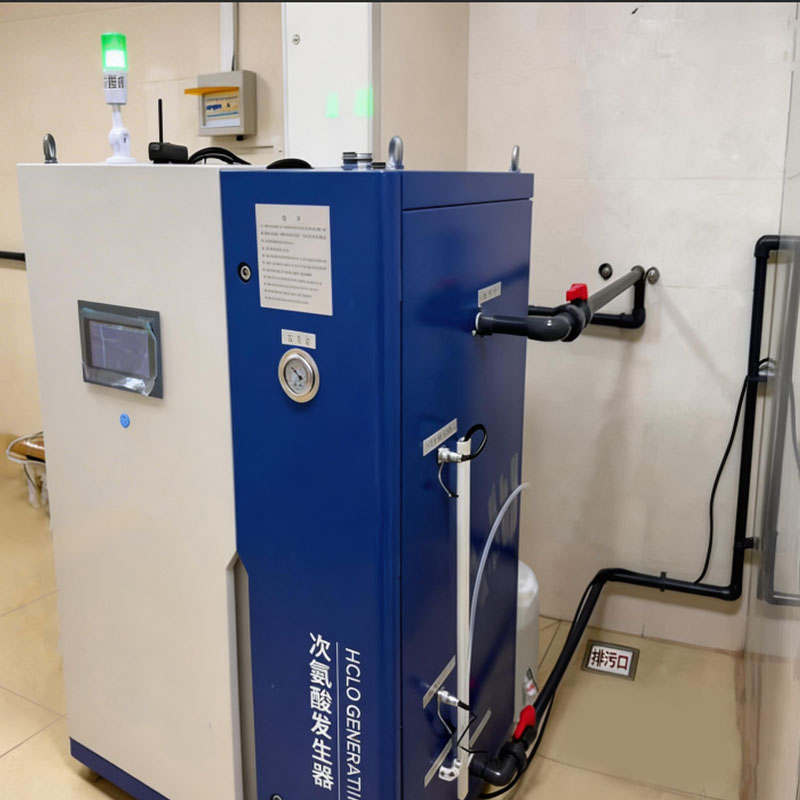
The Sodium hypochlorite generator listing describes on-site production using food-grade salt and tap water, with control features that may support repeatable operation and operational monitoring.
However, its supplied data include different dimensions, production rates, power ratings, and concentration ranges. Obtain a model-specific datasheet before using these figures for equipment qualification.
Listed chlorine concentrations of 10–120 mg/L and separate claims of 0.5%–0.8% solution production should not be treated as interchangeable. Confirm units, measurement basis, and operating mode.
Likewise, applications such as schools, pools, food factories, and wastewater treatment do not establish authorization for medical use. Each proposed application requires its own evidence review.
PLC control, PVC construction, and an advertised cell lifetime above 8,000 hours inform engineering assessment. They do not independently prove antimicrobial efficacy, biocompatibility, or regulatory conformity.
Require supporting documents for broad compliance claims, identifying specific standards, tested models, issuing organizations, and report scope. Treat unsupported marketing statements as questions requiring resolution.
What Safety Evidence Should Accompany Performance Data?
Request safety information for the generated solution at its actual use concentration, including exposure controls, first aid, storage conditions, incompatibilities, and applicable safety data sheets.
Assess electrolysis-related hazards, including hydrogen generation where applicable, electrical protection, leaks, and ventilation. Review installation requirements against the equipment design and your facility’s operating conditions.
Evaluate foreseeable misuse, including mixing with acids or other cleaning chemicals. Training and labeling should clearly address prohibited combinations and procedures for spills or equipment faults.
For applications involving patient contact, request route-appropriate biological safety evidence and assess relevant impurities. Skin exposure, wound contact, inhalation, and ingestion require different safety considerations.
Material compatibility also matters: repeated exposure may affect metals, seals, plastics, or electronics. Obtain relevant compatibility data and confirm instructions from the equipment being disinfected.
What Should Determine Procurement Approval?
Approve a Medical Hypochlorous Acid Generator only when its documented claims, regulatory position, efficacy results, output specifications, and safety controls align with your intended workflow.
Make unresolved evidence gaps explicit purchasing conditions. Require model-specific documentation, site acceptance criteria, operator training, service responsibilities, and procedures for changes affecting validated performance.
The strongest purchasing case connects authorization and laboratory evidence with reliable daily operation. That connection gives quality and safety teams a defensible basis for deployment.