news

A bottle of hypochlorous acid solution left on a sunny cleaning cart may not retain the same available chlorine concentration as the batch produced earlier. In public facilities, warm utility rooms, clear spray bottles, and containers carried between work areas can weaken solution before staff finish using it. The result is uncertainty about whether the disinfectant still meets the requirements for its intended application.
The practical response is to protect HOCl from heat and light, use compatible containers, follow the manufacturer’s validated storage period, and check available chlorine before releasing stored solution for use. A Public Hypochlorous AcidGenerator supplies fresh solution, but generation alone does not establish shelf life. Storage conditions and handling must remain part of the operating procedure.
Set the storage limit before filling containers
There is no single shelf-life figure that applies to every generated HOCl solution. Stability depends on formulation, initial available chlorine concentration, pH, water quality, container compatibility, and exposure during storage. A shelf-life claim for one packaged product should not be transferred to solution made by a different generator.
Obtain the equipment or solution manufacturer’s instructions for storage temperature, approved containers, maximum holding time, and concentration acceptance criteria. Confirm whether the stated period applies to sealed bulk storage, opened containers, or working spray bottles. Repeated opening and transfer can introduce conditions that were not covered by the original storage guidance.
Treat the expiry date and the concentration check as separate controls. A satisfactory reading does not automatically extend the manufacturer’s expiry period. Likewise, an unexpired batch may be unsuitable if it has been overheated, contaminated, or found below the required concentration. Where no validated holding period is available, do not invent one; arrange confirmation and minimize storage through demand-based production.
Choose the storage location by exposure, not convenience
A cupboard beside the generator may seem ideal until nearby equipment warms it throughout the day. Inspect the actual location during normal operation, including the warmest part of the shift. Direct sunlight, hot pipes, heating equipment, and parked vehicles are poor conditions for holding HOCl.
Use a designated, access-controlled area within the manufacturer’s temperature range. Keep containers away from windows and unnecessary lighting, and separate them from incompatible chemicals. An opaque container helps reduce light exposure but does not prevent heating.
- Bulk storage: Place approved containers in a shaded location where temperatures can be monitored and spills managed.
- Cleaning carts: Carry only the working quantity needed and avoid leaving bottles beside windows, outdoors, or near heat sources.
- Transfer routes: Reduce time spent moving solution through hot areas, particularly when delivering supplies to separate buildings.
Do not assume refrigeration is necessary or suitable. Use it only where the manufacturer permits it, with appropriate segregation from food and other materials. Avoid freezing unless specifically allowed. When a temperature excursion occurs, record the conditions and hold the affected batch pending an assessment under the approved procedure.
Containers and transfers can undermine a good batch
Select opaque or light-protective containers specifically approved for the solution. Compatible plastic containers may be appropriate, but material, closure, seals, and spray components all matter. Do not assume an ordinary household bottle or metal vessel is suitable merely because it holds liquid without leaking.
Keep containers closed when not dispensing. Where the equipment uses a tank, retain its designed ventilation and safety features rather than modifying it to make the tank airtight. Clean containers using the approved procedure, ensuring that detergent or previous chemical residues cannot enter the fresh batch.
Topping up an old spray bottle with new solution creates an immediate traceability problem: the contents now have mixed ages and uncertain quality. Empty and prepare the bottle before refilling, then apply a new batch label. Never use beverage containers, and never return unused working solution to the bulk supply.
Dedicated transfer equipment also matters. A shared funnel or hose can introduce dirt, incompatible chemicals, or residues that consume available chlorine. Keep dispensing points protected and follow the generator’s sanitation and maintenance instructions.
Label batches so the next shift can make a decision
A label reading only “HOCl” identifies the contents but tells the next operator little about their condition. Each storage container and working bottle should remain linked to a production record.
Use the earliest-expiring acceptable batch first. A container with a missing label should be held out of use rather than assigned a guessed production date. Keep working bottles identifiable even when they move between cleaning teams.
Measure available chlorine at meaningful points
Clear appearance and chlorine-like odor are not reliable measures of disinfectant strength. Use a test method suitable for the solution’s expected range and the manufacturer’s specified chlorine measurement. Confirm that the method measures the relevant parameter: free available chlorine and total chlorine are not interchangeable.
- At production: Test a representative sample and record the result before accepting the batch.
- Before using stored solution: Check according to the approved procedure, especially after overnight holding or a change in storage conditions.
- After an incident: Hold and assess batches exposed to excessive heat, damaged packaging, contamination, or uncertain handling.
Check reagent expiry, instrument calibration where applicable, and the test’s measurement range. Follow its sampling instructions and read results at the specified time. An unexpected result should prompt a repeat measurement using a fresh representative sample, not immediate adjustment of the solution.
If the concentration is outside the required range, quarantine the batch and investigate. Check generator output, container preparation, storage temperature, and elapsed time. Do not add bleach, acid, or other chemicals to “restore” strength. Follow approved disposal instructions and produce a replacement batch when necessary.
Match generator output to the amount actually used
Producing a large reserve can create avoidable storage exposure. Estimate demand from the facility’s cleaning schedule, then make quantities that can be used within the validated holding period. Include weekends, reduced staffing, and infrequently serviced areas when planning production.
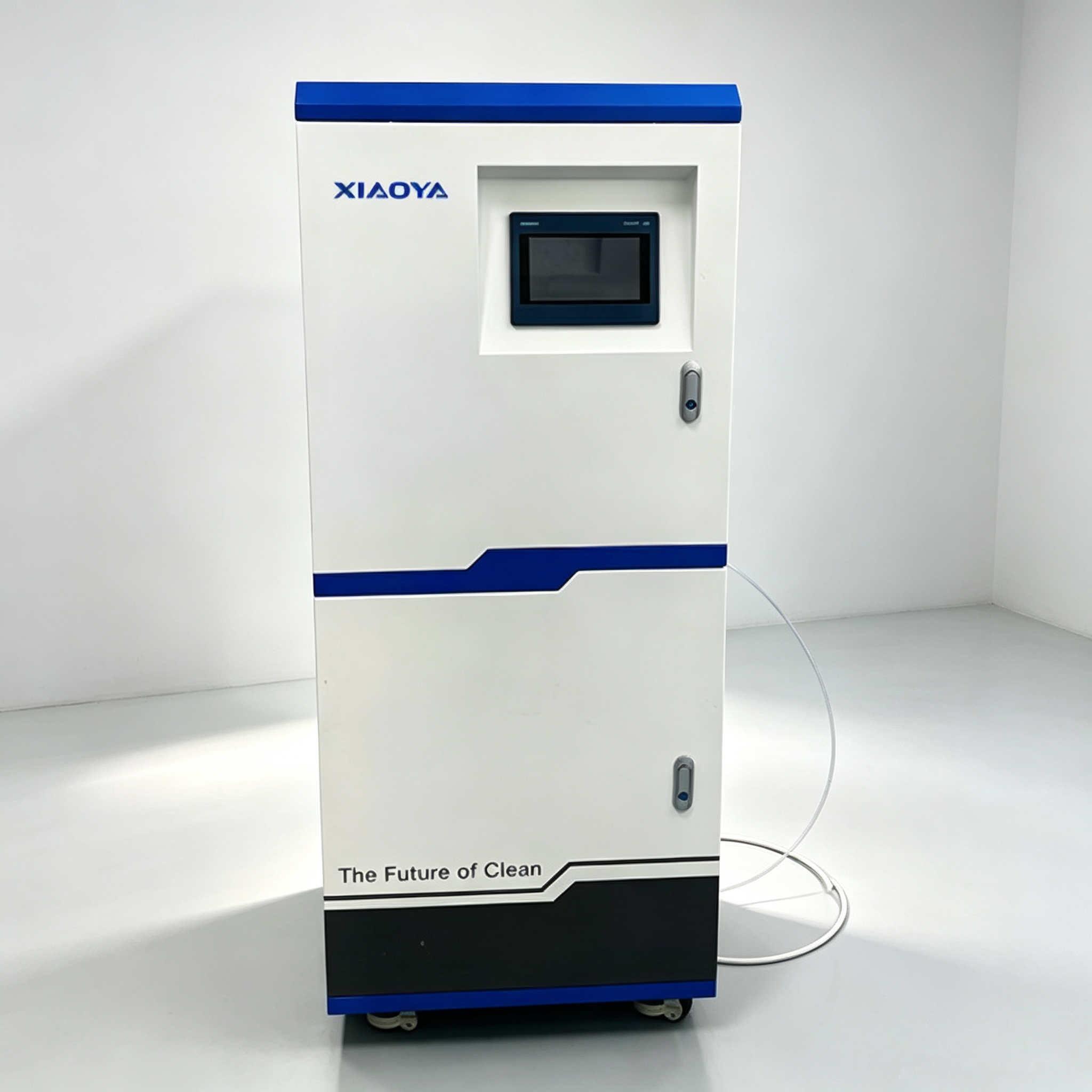
For public pet-care areas, the Hypochlorous Acid Generator for the Pet Industry (P100-4G) provides a specified output of 60–120 L/h, a pH range of 5.0–6.5, and customizable available chlorine concentration of 10–80 ppm. These parameters help with production planning; they do not establish a storage period or prove that every setting is suitable for every disinfection task.
Its automatic control and one-key production function can support fresh-batch preparation, but operators still need output checks, labels, and controlled storage. Select the concentration and application method according to validated instructions for the intended use, not simply the highest available setting.
Keep storage acceptance separate from application performance
A batch that passes its storage checks still requires correct use. Pre-clean surfaces where required, apply the specified quantity, and maintain the prescribed wet contact time. Follow surface-compatibility, ventilation, and protective-equipment instructions. Do not mix HOCl with other cleaning products or use it directly on animals unless the specific application is authorized by the applicable product instructions.
Repeated concentration losses under apparently correct storage conditions warrant a closer review of water quality, generator performance, contamination, and testing accuracy. Keep the affected batches out of service while the cause is investigated. The useful handover record is specific: which batch was checked, what it measured, where it was stored, and whether it remains approved for use.
NEWS
 Public Facility HOCl Storage: Managing Heat, Light, and Shelf Life
 On-Site HOCl vs. Purchased Disinfectant for Municipal Buildings
- Sizing a Public Facility HOCl Generator for Peak Cleaning Demand
- What Can a Hypochlorous Acid Generator Do for Public Facility Cleaning?
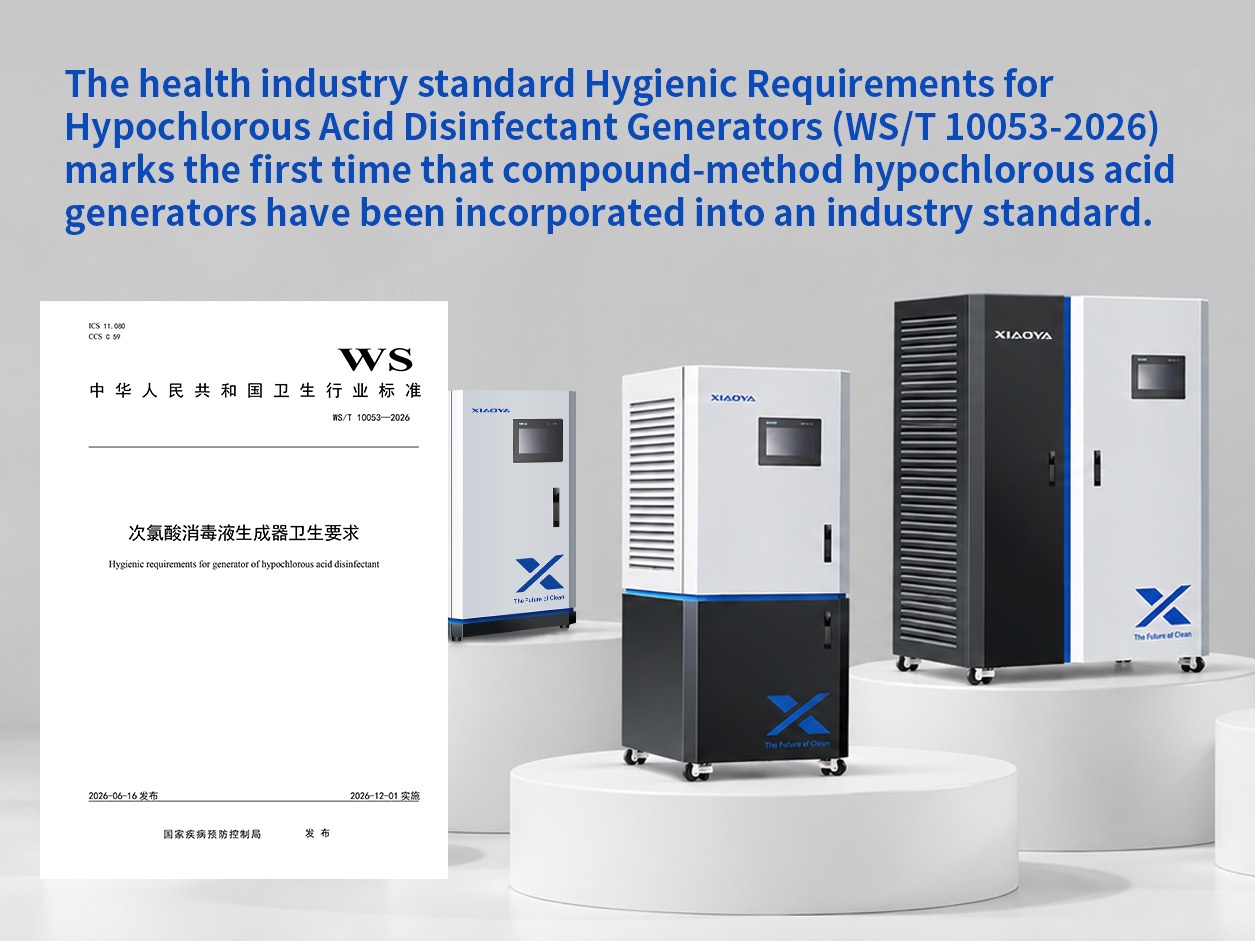
 WS/T 10053-2026 Includes the Compound Method for the First Time: Standard Signals and Market Opportunities for Mass Agricultural Production of Hypochlorous Acid Generators
Leave us a message

Xiaoya Group was founded in 1979,expert in the electrolyzed water industry.
Get in Touch
*We respect your confidentiality and all information are protected.