news
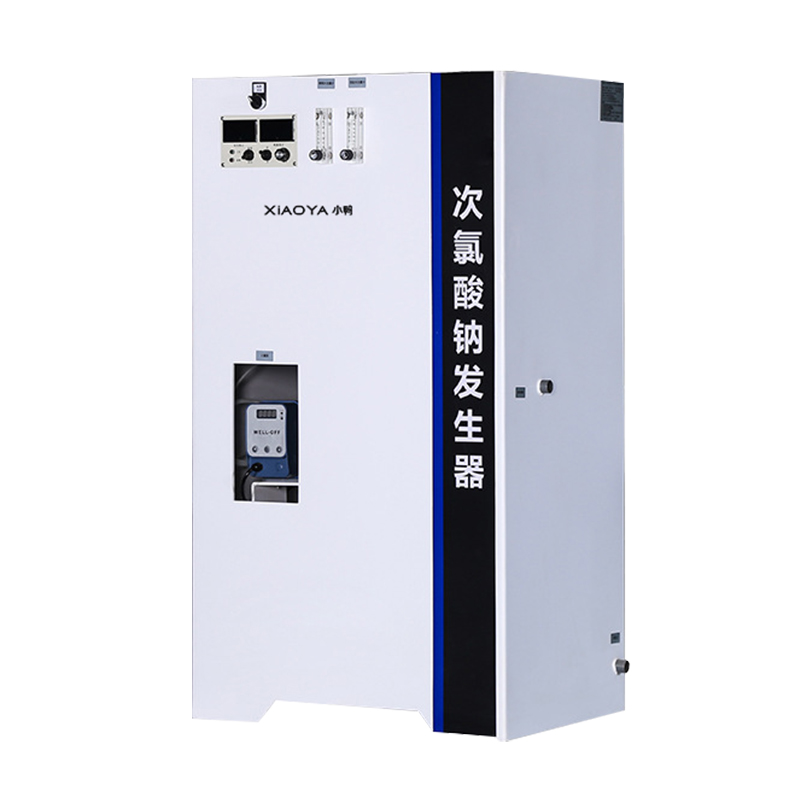
A hypochlorous acid generator can give a public facility an on-site supply of disinfecting solution for suitable surfaces, helping cleaning teams replenish supplies and manage routine disinfection. Its strongest fit is a building with recurring demand, trained staff, and a clear procedure for checking the solution before use. It does not remove the need for detergents, physical cleaning, or application instructions that match the intended use.
For schools, offices, transit hubs, and shared restrooms, the practical question is whether the equipment can deliver a consistent solution that staff can apply correctly during normal operations. Production capacity matters, but so do surface preparation, wet contact time, storage, and the disinfectant claims permitted in the facility’s jurisdiction. A generator becomes useful when these conditions fit the cleaning routine.
Where it fits into public facility cleaning
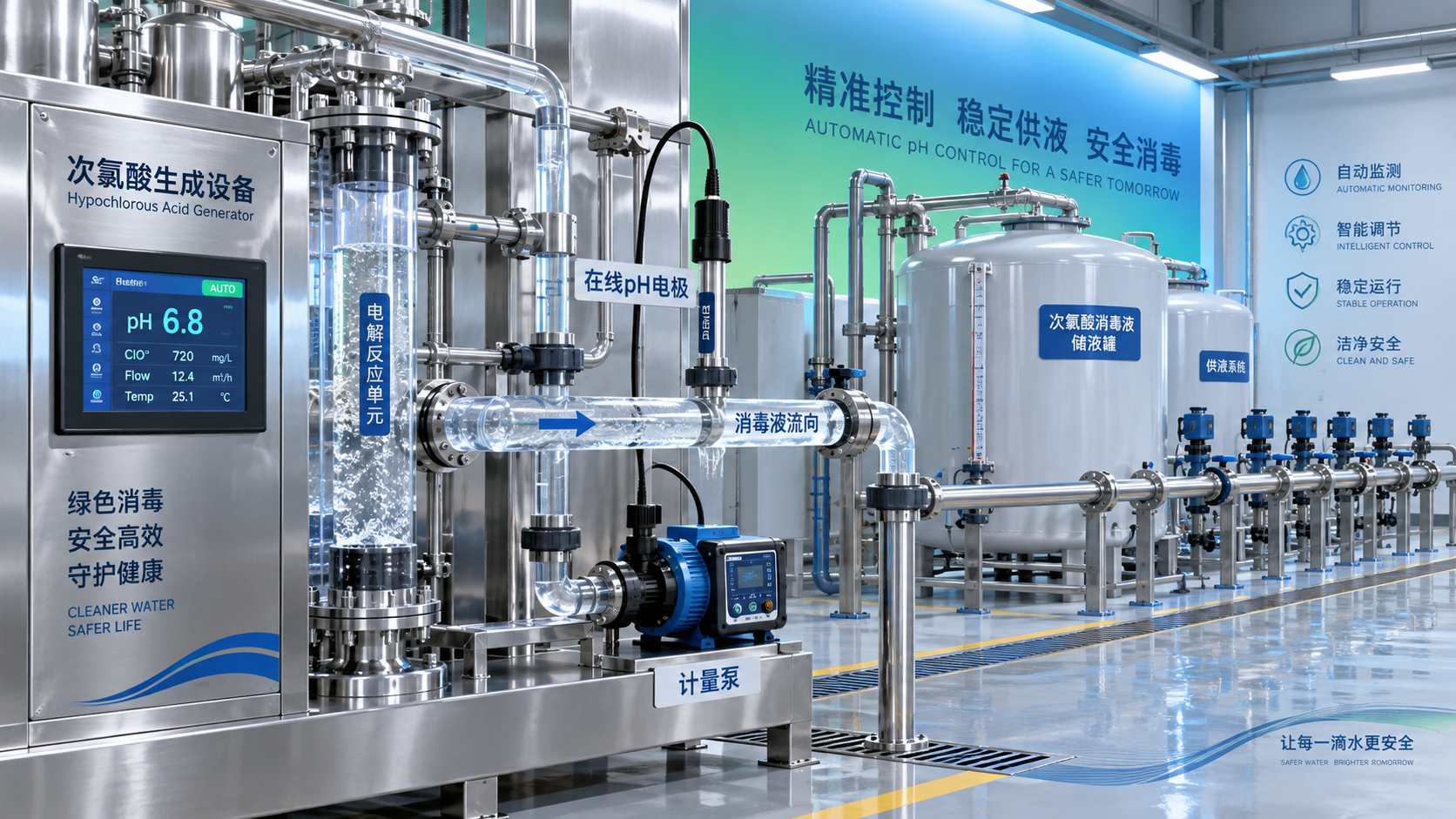
Hypochlorous acid is an active disinfecting component in certain chlorine-based solutions. A generator produces it through controlled electrochemical processing of water and an appropriate electrolyte. The resulting solution’s performance depends on its chemistry, including available chlorine concentration and pH, as well as how it is stored and applied.
In a public building, the most straightforward applications are suitable hard, nonporous surfaces: door handles, handrails, restroom fixtures, reception counters, and shared desks. These are places where a facility may need repeat disinfection alongside ordinary cleaning. The solution must have instructions and permitted claims covering the surfaces, organisms, and application method involved.
Different buildings impose different constraints. In a school, cleaning windows may fall between lessons or after pupils leave. In a transit hub, continuous traffic can make it difficult to keep a treated handrail undisturbed for the required contact time. In an office, desks may include screens, coated furniture, and personal equipment that need separate compatibility checks. A shared restroom also needs products capable of removing soil, grease, and mineral deposits.
Hypochlorous acid solution should therefore be assigned a defined role within the cleaning program. It may support disinfection after soil removal, but it should not automatically replace every chemical in the janitorial cupboard. Heavy grease, scale, and visible contamination can require other cleaning agents and mechanical action before disinfection is effective.
Likewise, a surface-disinfection application does not establish suitability for spraying occupied rooms, treating ventilation systems, disinfecting hands, or processing medical equipment. Each use brings its own exposure conditions and performance requirements. A facility should expand applications only where the relevant instructions and supporting evidence allow it.
The result depends on what happens after generation
A generator’s outlet specification describes the solution at production. Cleaning performance depends on what reaches the surface and how long it remains there. Light, heat, storage duration, container materials, and contamination can affect solution quality. Producing a fresh batch is helpful only if handling and use preserve the properties needed for the task.
Available chlorine concentration and pH are useful operating checks. Neither alone proves that a solution will meet a particular disinfection claim. Facilities need validated use instructions linking the solution to the intended organism, concentration, surface, and contact time. A broad statement such as “kills bacteria” gives a cleaning supervisor too little information to build a reliable procedure.
Contact time deserves particular attention in busy buildings. The surface generally needs to remain wet for the duration specified by the applicable instructions. A quick spray followed by immediate wiping may not deliver the expected disinfection. If a surface dries too soon, staff need to follow the specified application procedure rather than assume that visible coverage was sufficient.
A workable routine should address four points:
- Preparation: Remove soil as required before applying the disinfectant.
- Verification: Check the relevant solution properties using a suitable method and record results at a frequency appropriate to the operation.
- Application: Use the specified delivery method and maintain the required wet contact time.
- Handling: Label containers, follow storage instructions, and prevent mixing with other cleaning chemicals.
Automation can help maintain production settings and alert staff to faults. It cannot establish that a cleaner used the correct bottle, covered the whole surface, or allowed enough contact time. Supervisors still need procedures that work across shifts, including arrangements for identifying and withdrawing solution that falls outside the accepted operating limits.
Surface compatibility also needs attention. Repeated exposure can affect some metals, coatings, fabrics, and electronic equipment, depending on the formulation and application conditions. Checking the surface manufacturer’s guidance and assessing an inconspicuous area can help prevent damage. Descriptions such as “gentle” or “low odor” do not establish universal compatibility or eliminate the need to follow exposure precautions.
What the equipment must deliver beyond hourly output
When evaluating a public hypochlorous acid generator, start with the volume the cleaning team actually uses and when it needs that volume. A large hourly output may have little value if staff cannot distribute or consume the solution within its supported storage period. A smaller unit may be inadequate if several cleaning teams refill containers during the same short shift-change window.
Equipment from adjacent applications illustrates why capacity and application suitability must be assessed separately. The AQ-P1000 Hypochlorous Acid Generator for Agricultural Planting has a specified output of at least 1,000 L/h, an adjustable available chlorine range of 10–300 mg/L, and a pH range of 5.0–6.5. Those figures describe production capability; its agricultural positioning does not establish approval or validated performance for public facility disinfection.
The same distinction applies to remote controls and real-time operating monitoring. These features can help an operator see equipment status and manage production, but their value depends on which variables are measured, how sensors are maintained, and what happens when a reading moves outside limits. A dashboard showing normal operation is useful only when the monitored conditions relate to acceptable output.
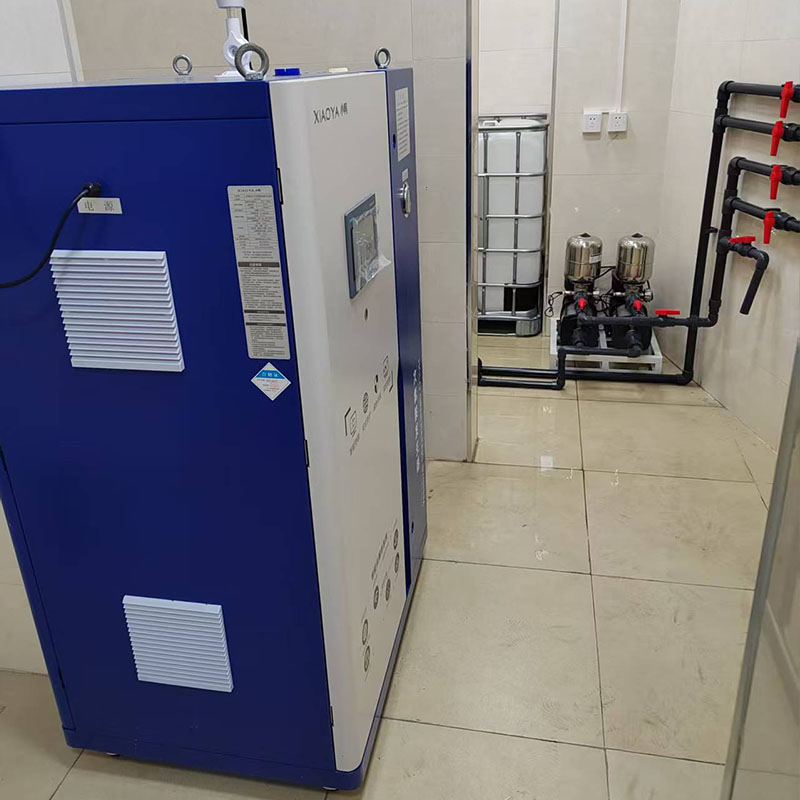
Installation requirements can also determine whether the system fits a building. Water quality, inlet pressure, electrical supply, drainage, electrolyte storage, and access for servicing need to be assessed. A facility with multiple floors or separate buildings must consider how solution moves from the generator to cleaning teams. Long collection trips and poorly controlled storage can weaken the benefit of centralized production.
Operating cost should include more than water, electrolyte, and electricity. Staff time, testing supplies, maintenance, replacement components, containers, and downtime all contribute. Any savings depend on the products actually displaced and the volume successfully used. If the building still needs specialist cleaners and must discard substantial unused solution, the financial case may be narrower than a cost-per-liter estimate suggests.
A practical way to judge whether it belongs in the routine
Before committing to installation, define a limited use case: a set of suitable surfaces, a cleaning schedule, and a measurable daily solution requirement. Then establish whether the proposed system and generated solution can legally support the intended disinfectant claims in the relevant jurisdiction. Equipment specifications alone are insufficient; permitted uses, instructions, and supporting efficacy evidence need to align.
A controlled trial can show whether the workflow is manageable. Record solution checks, replenishment time, actual consumption, application difficulties, and any surface effects. Observe whether staff can keep surfaces wet for the required period during normal traffic. These observations assess operational fit; they do not substitute for validated evidence of antimicrobial efficacy.
The trial should also reveal how the facility will operate during a fault or maintenance visit. Cleaning schedules continue even when the generator is unavailable, so an alternative supply and a clear response to failed quality checks belong in the operating procedure.
For a building with steady demand and disciplined handling, on-site generation can become a useful part of routine surface disinfection. Where demand is sporadic, storage is difficult, or staff cannot meet application requirements, packaged products may be easier to manage. The deciding question is whether the complete process—from generation to the last treated surface—can perform reliably within the building’s daily cleaning schedule.
NEWS
 Sizing a Public Facility HOCl Generator for Peak Cleaning Demand
- What Can a Hypochlorous Acid Generator Do for Public Facility Cleaning?
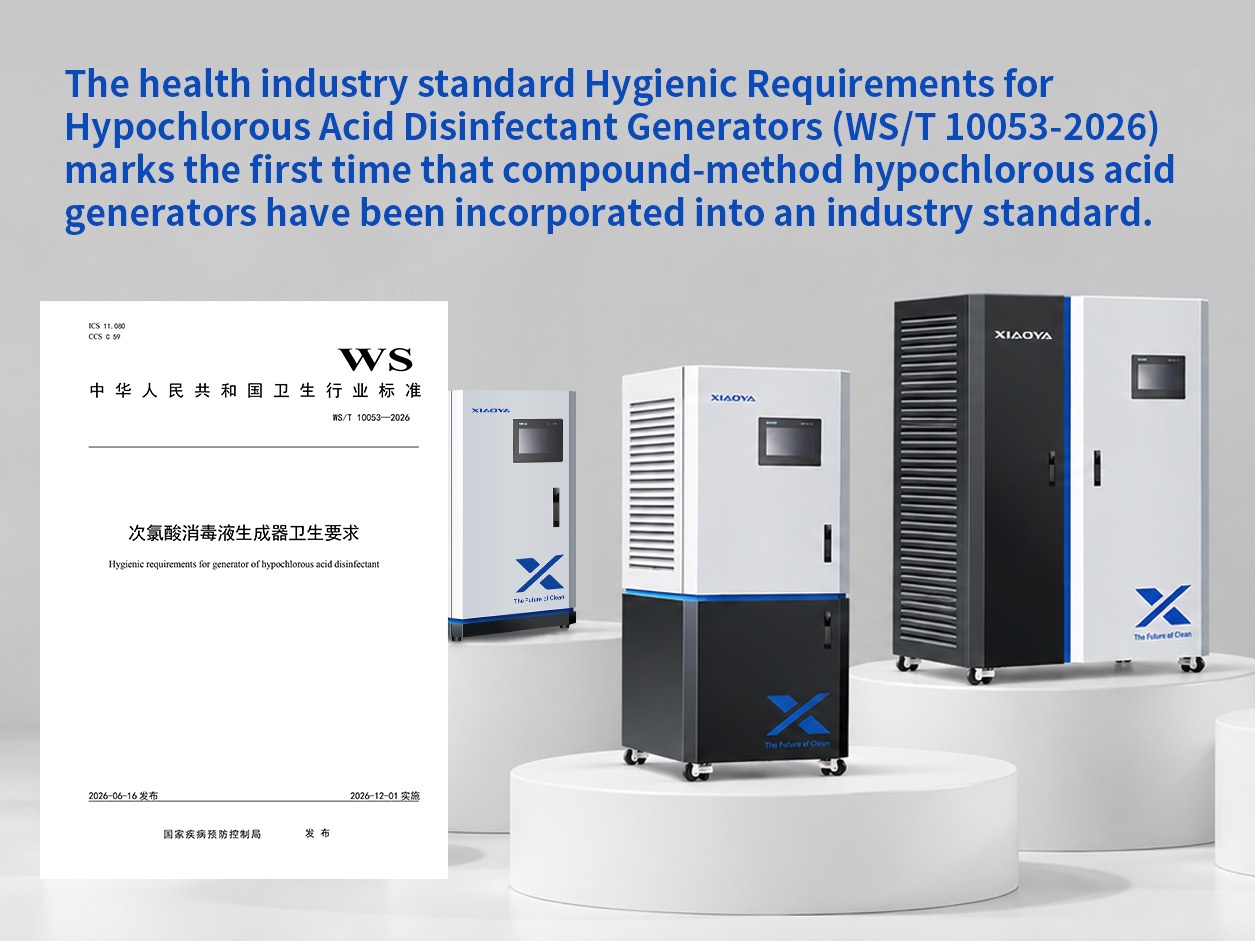
 WS/T 10053-2026 Includes the Compound Method for the First Time: Standard Signals and Market Opportunities for Mass Agricultural Production of Hypochlorous Acid Generators
 Evaluating HClO Generator Lifecycle Costs Beyond the Initial Equipment Price
 HClO Generator pH Control: Why It Determines Disinfection Performance
Leave us a message

Xiaoya Group was founded in 1979,expert in the electrolyzed water industry.
Get in Touch
*We respect your confidentiality and all information are protected.